Background
Although the Democratic Republic of Congo (DRC) was certified free of wild poliovirus in 2015, the country continues to face recurrent outbreaks of circulating vaccine-derived poliovirus (cVDPV). Tshopo Province remains one of the most epidemiologically complex regions, having recorded all three VDPV serotypes in the context of high population mobility, fragile health systems, insecurity, and persistent data quality challenges.
In 2025, the province experienced the simultaneous circulation of cVDPV1 and cVDPV2, demanding a rapid, coordinated, and technically robust response. This dual outbreak posed a significant risk of sustained transmission if surveillance gaps, immunity gaps, and operational weaknesses were not urgently addressed.
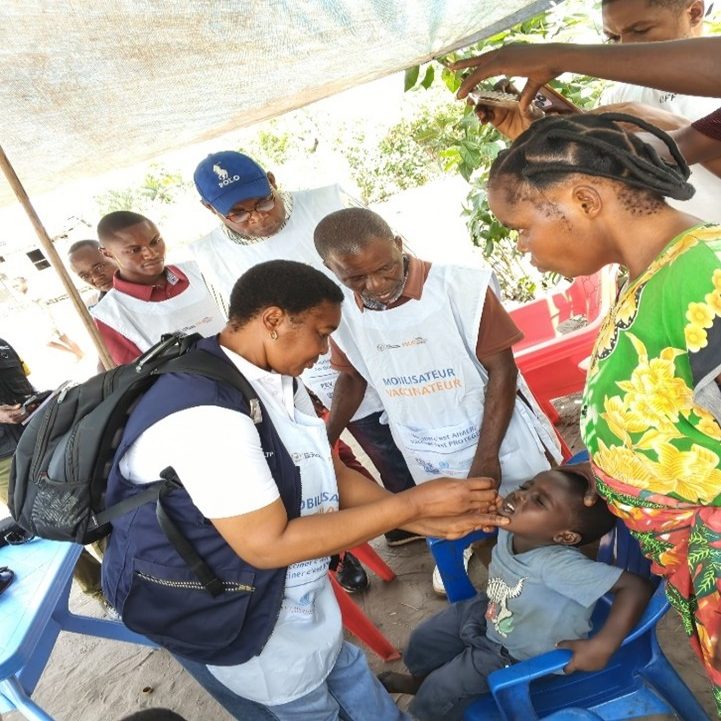
Through the National Stop Transmission of Polio (NSTOP) initiative, with support from the U.S. Centers for Disease Control and Prevention (CDC), AFENET deployed experienced consultants to strengthen outbreak response while reinforcing routine immunization systems. The intervention focused on the co-administration of bOPV and nOPV2, enhancement of Acute Flaccid Paralysis (AFP) and vaccine-preventable disease (VPD) surveillance, data quality improvement, and consolidation of post-campaign gains in priority health zones across Tshopo Province.
AFENET’s Integrated Approach
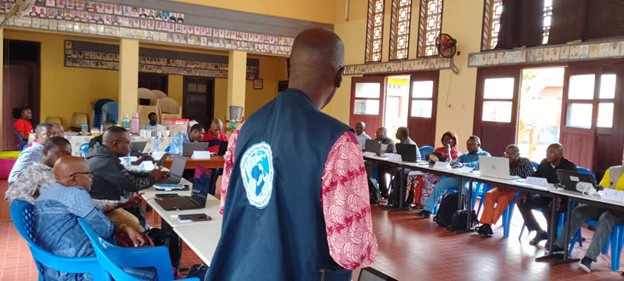
Between December 2025 and January 2026, AFENET provided targeted technical assistance in Makiso-Kisangani, Wanie-Rukula, Mangobo, Bengamisa, and surrounding health zones. Rather than operating in silos, the intervention adopted an integrated approach that combined:
- Field-based mentorship and on-the-job coaching
- Integrated supportive supervision
- Data quality assessments and use-focused feedback
- Risk communication and community engagement
- Logistics, cold-chain, and vaccine accountability monitoring
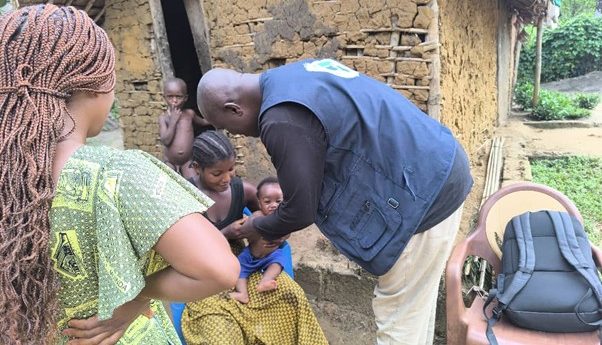
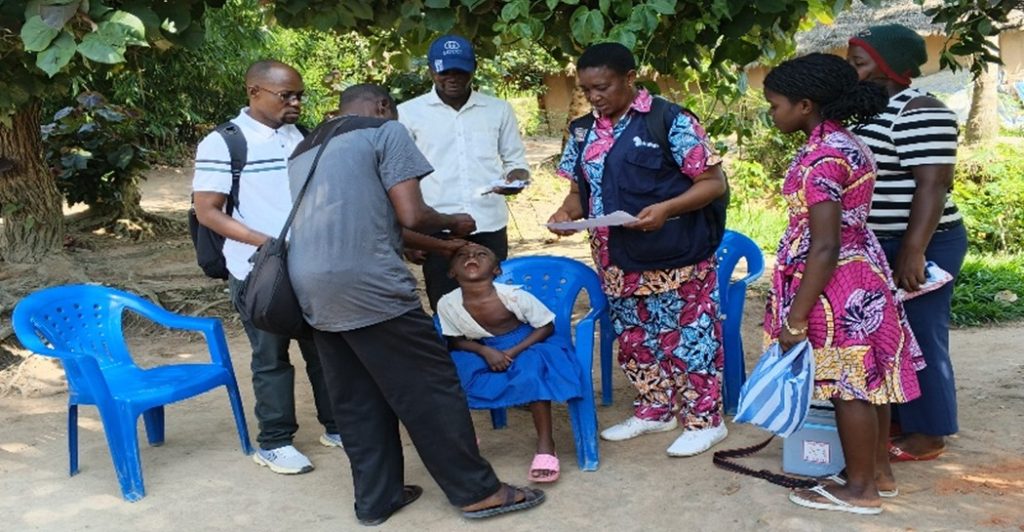
A key strategy was the prioritization of high-risk and “silent” surveillance sites, including public and private health facilities, internally displaced persons’ camps, traditional healers, and community reporting points. Surveillance site classification guided targeted visits, ensuring that resources were concentrated where the risk of missed transmission was highest.
Key Achievements
- Strengthened AFP and VPD Surveillance Sensitivity
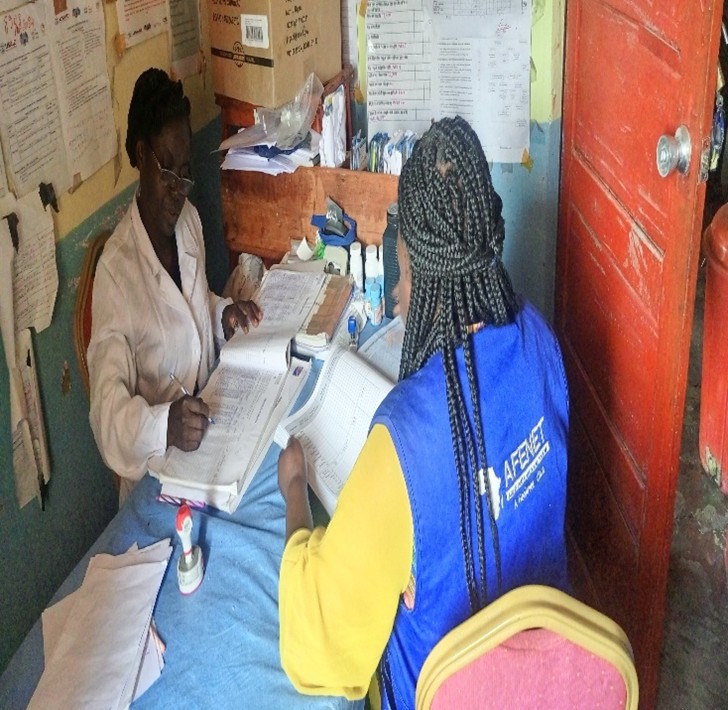
AFENET-supported supervision reached over 90% of priority surveillance sites in supported health zones. Active case searches, systematic review of consultation registers, and direct coaching of service providers resulted in:
- Non-polio AFP rates consistently above national thresholds, ranging from 5.2 to 8.8 per 100,000 children under 15 years, reflecting highly sensitive surveillance systems.
- 100% investigation and validation of suspected AFP cases, with timely stool collection and laboratory delivery.
- Improved concordance between facility registers and notification systems, with no missed or unreported AFP cases identified in several priority zones during registry reviews.
- Improved Quality and Use of Surveillance and Immunization Data
Significant discrepancies were identified between vaccination registers, scorecards, and national reporting platforms (DHIS2/SNIS). AFENET teams conducted Data Quality Self-Assessments (DQS), triangulated data sources, and supported health zone teams to develop practical data recovery and improvement plans. These efforts led to:
- Improved data completeness, timeliness, and internal consistency.
- More accurate monitoring of routine immunization performance, enabling targeted catch-up strategies for under-immunized children.
- Strengthened local ownership of data through regular review meetings, feedback loops, and action-oriented discussions.
- Consolidation of Routine Immunization and Catch-Up Gains
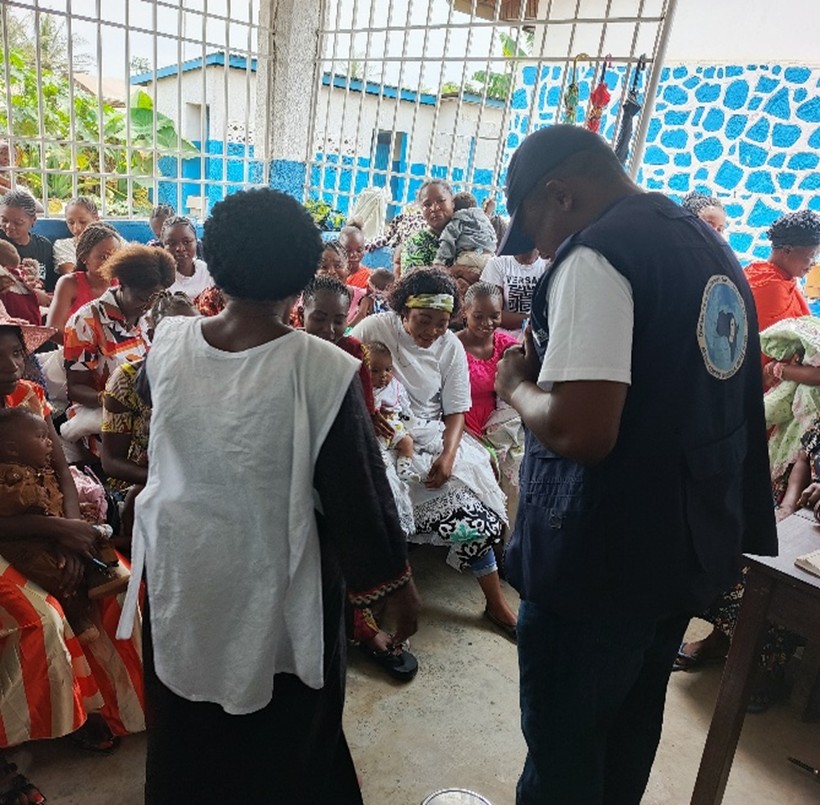
Post-campaign follow-up and integrated supervision helped translate outbreak response activities into sustained routine immunization improvements:
- OPV3, IPV, and Penta3 coverage exceeded 95% in several supported health zones following intensified catch-up efforts.
- Drop-out rates between Penta1 and Penta3 remained low, indicating improved service continuity.
- Supportive supervision of fixed and outreach sessions enhanced service quality and adherence to national immunization guidelines.
- Strengthened Logistics, Cold Chain, and Vaccine Accountability
AFENET supported comprehensive vaccine and cold-chain monitoring, including stock inventories, vial monitoring, and safe disposal of campaign waste. Cold-chain functionality remained stable across supported zones, with mitigation measures ensuring uninterrupted vaccine availability despite equipment gaps in some rural areas. These actions reinforced accountability and minimized the risk of vaccine losses or cold-chain failures.
- Enhanced Community Engagement and Risk Communication
Recognizing the critical role of communities in early case detection and vaccine acceptance, AFENET supported the engagement of community leaders, religious leaders, community health workers, and traditional practitioners. Risk communication activities addressed rumors surrounding nOPV2, strengthened trust in vaccination, and improved community-based reporting of AFP and other VPDs.
Lessons Learned
- Integrated supervision outperforms siloed approaches, enabling simultaneous improvements in surveillance, immunization, data quality, and logistics.
- Data quality is foundational addressing discrepancies at facility level strengthens planning, credibility, and decision-making.
- Community actors are indispensable partners in fragile and hard-to-reach settings, particularly for early case detection and rumor management.
- Post-campaign periods are strategic opportunities to transition from emergency response to sustainable health system strengthening.
Conclusion
AFENET’s technical support in Tshopo Province demonstrates how polio outbreak response can be leveraged to build more resilient public health systems. By combining expert field mentorship, data-driven decision-making, strong community engagement, and close coordination with health authorities and partners, AFENET contributed to improved surveillance sensitivity, strengthened routine immunization performance, and enhanced preparedness for future polio and VPD risks.
The experience from Tshopo Province offers valuable lessons for sustaining polio eradication gains in complex, high-risk settings across the region.
AFENET