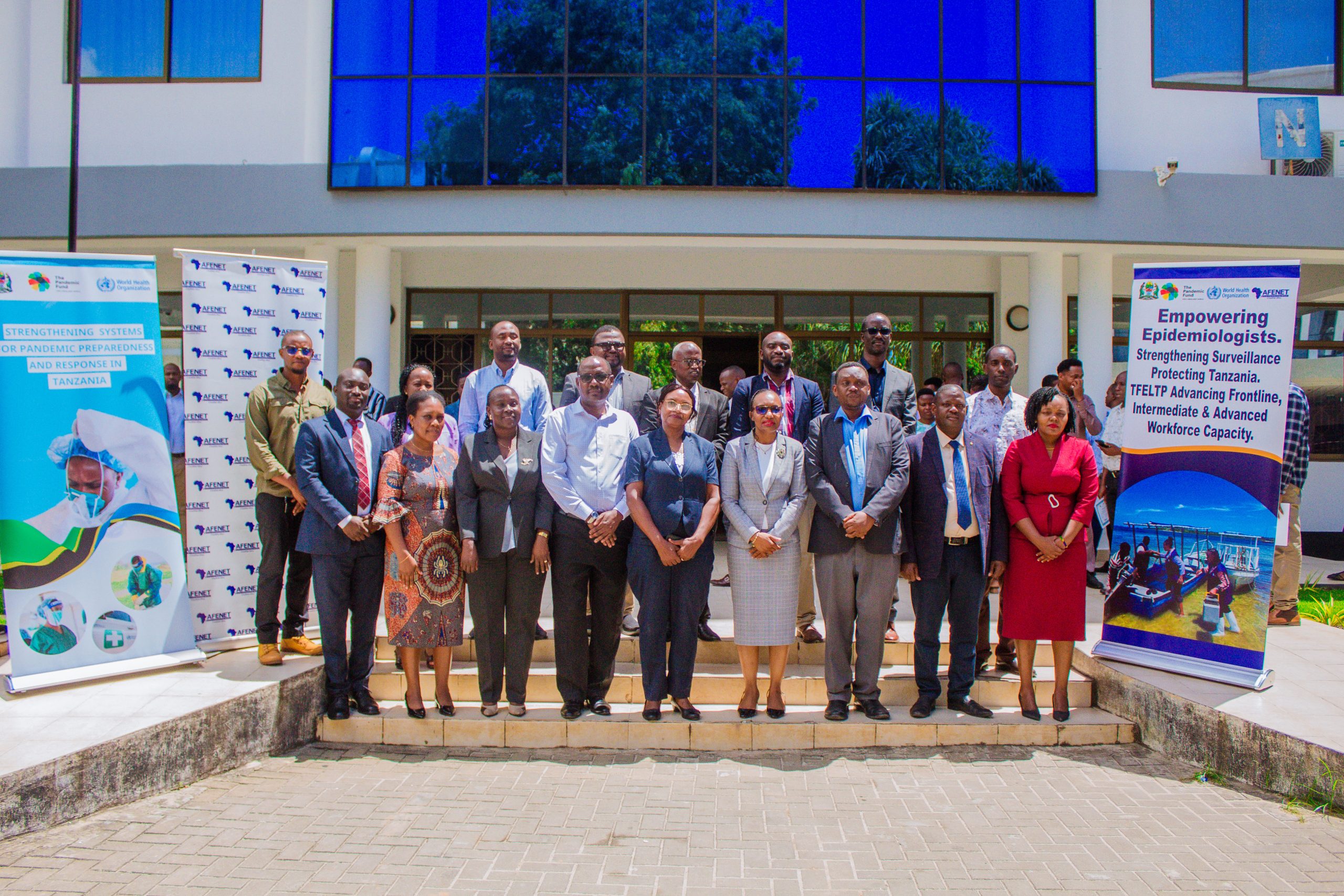
The 22nd cohort of the Frontline Field Epidemiology Training Program (FETP) graduated on 17 April 2026 at Muhimbili University of Health and Allied Sciences (MUHAS), marking another milestone in building Tanzania’s frontline public health workforce.
Supported under the Pandemic Fund Project, the cohort comprised 30 trainees from Tabora and Shinyanga regions. The group reflected a strong multidisciplinary mix, including environmental health officers, clinicians, nurses, and a sociologist, highlighting the collaborative nature of effective disease surveillance and response.
The ceremony was officiated by the Chief Medical Officer of the United Republic of Tanzania, Dr. Grace Magembe, who served as Guest of Honour. It brought together key stakeholders from national and regional health leadership, including Regional Medical Officers Dr. Yudas Ndungile (Tabora) and Dr. Honoratha Rutatinisibwa (Shinyanga), as well as representatives from the World Health Organization (Dr. Faraja Msemwa), the Prime Minister’s Office – Regional Administration and Local Government (PMO-RALG) represented by Mr. Gerald Manasseh, and the African Field Epidemiology Network (AFENET), represented by Dr. Herbert Kazoora.
MUHAS leadership was also present, including Prof. Raphael Sangeda, Director of Continuing Education and Professional Development; Prof. Deodatus Kakoko, Dean of the School of Public Health and Social Sciences; and Dr. Mucho Mizinduko, Head of the Department of Epidemiology and Biostatistics. The Tanzania FETP Program Director, Dr. Vida Mmbaga, participated in the event.
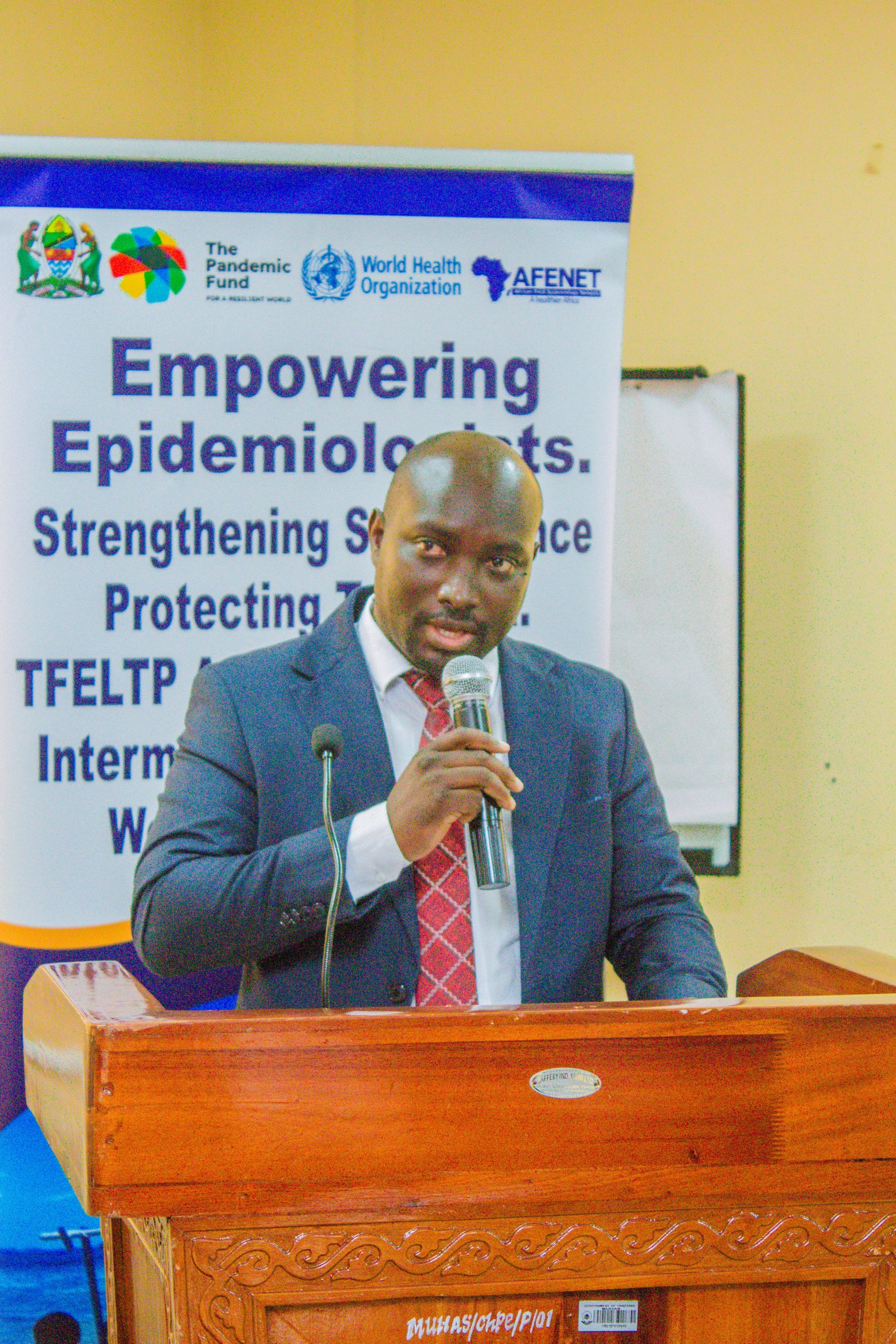
During the ceremony, trainees presented findings from their field assignments, showcasing practical work in surveillance indicator monitoring and problem analysis. These projects demonstrated the critical role of frontline health workers in strengthening disease detection, data use, and response systems at subnational level.
This graduation marks a continued investment in Tanzania’s health security, strengthening early detection of public health threats, improving data quality, and enhancing timely, evidence-based response at facility and district levels.
AFENET