AFENET and U.S. CDC strengthen Mpox laboratory capacity in the Republic of the Congo
-
by
AFENET
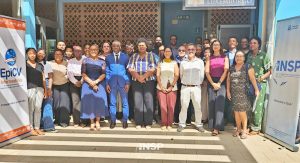
The African Field Epidemiology Network (AFENET), in collaboration with the U.S. Centers for Disease Control and Prevention (U.S. CDC), is supporting efforts to strengthen Mpox laboratory preparedness and response capacity in the Republic of the Congo.
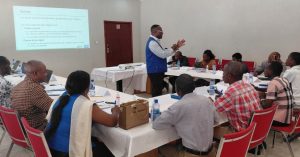
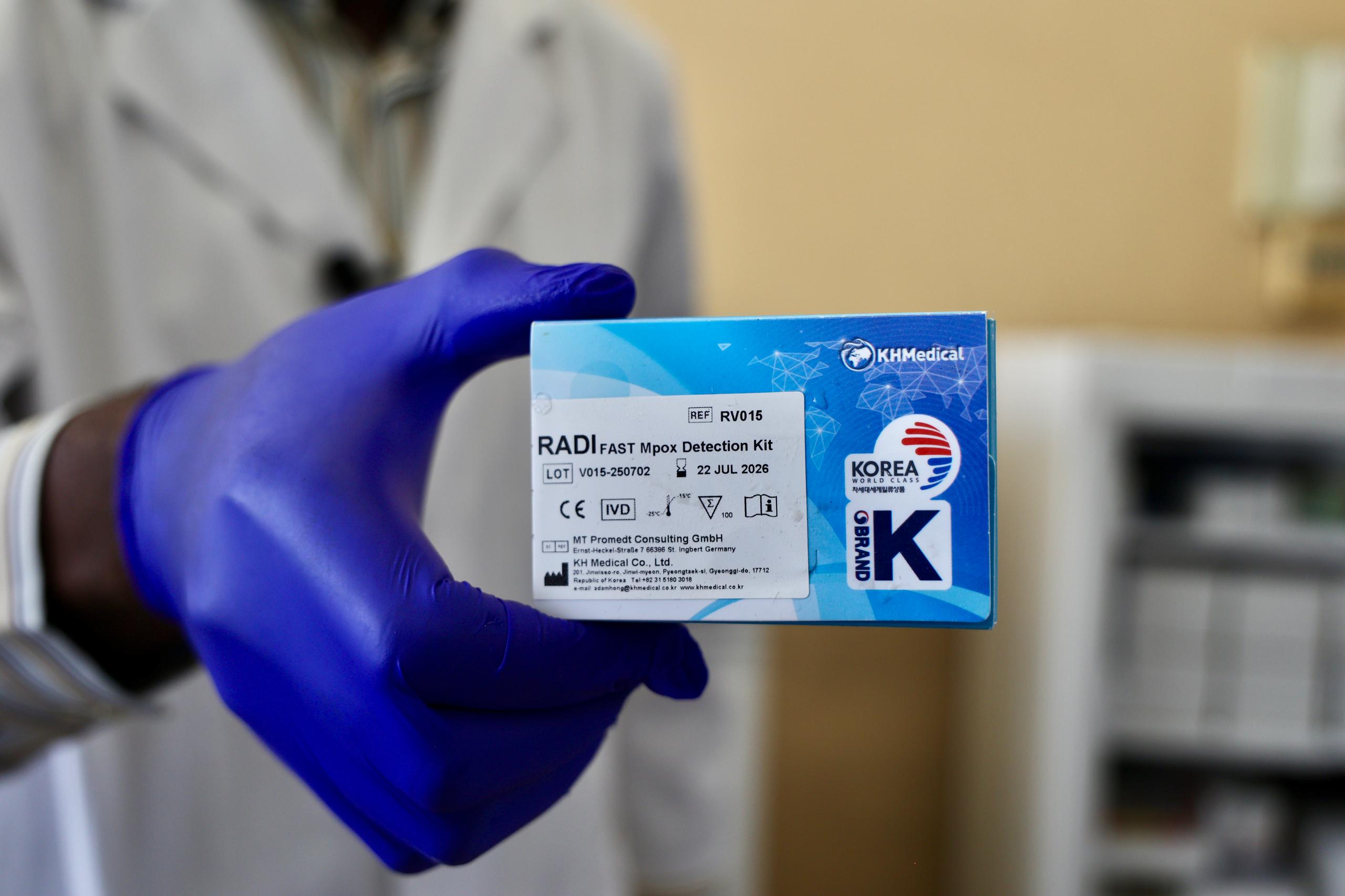
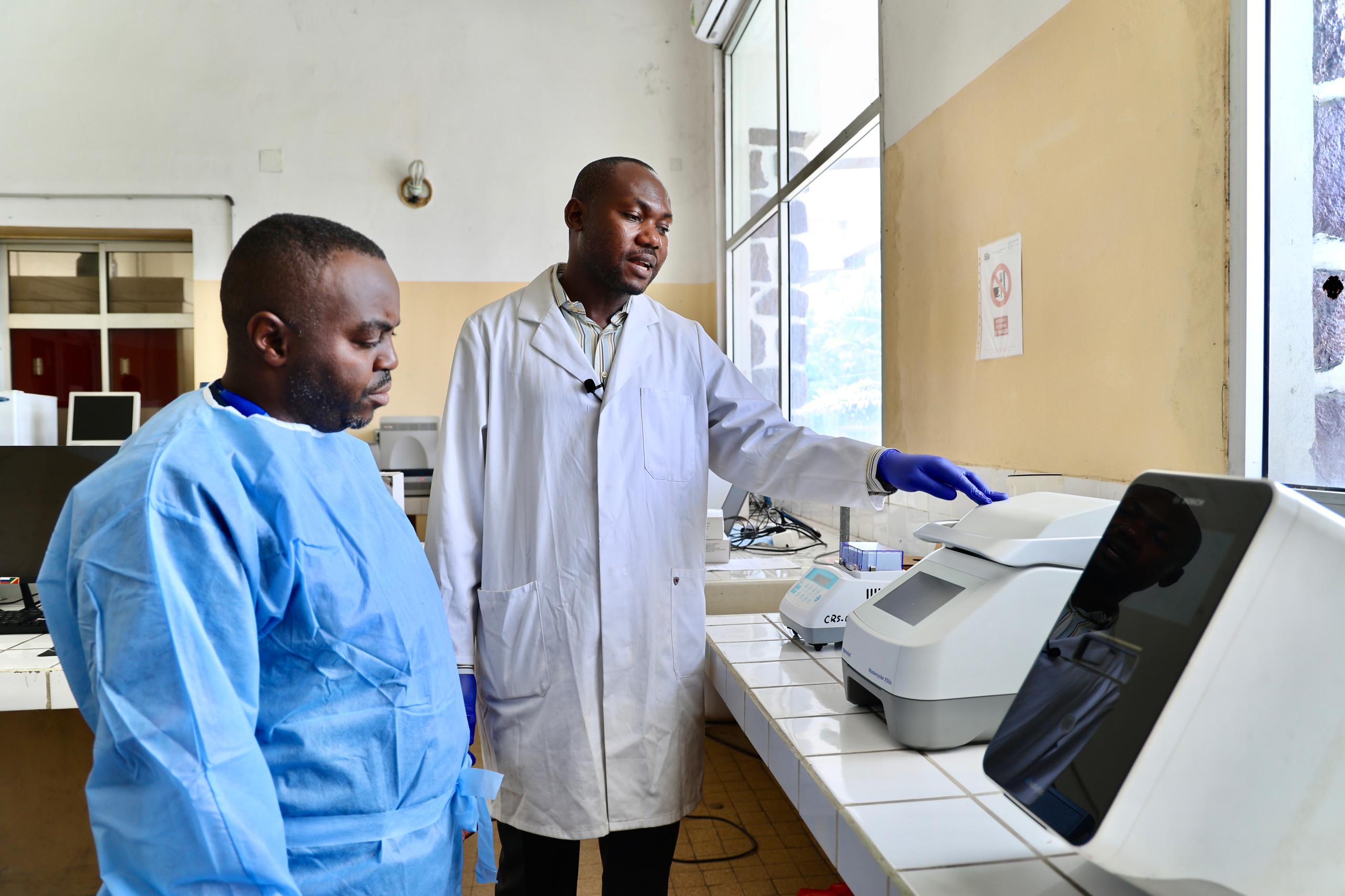
The initiative focuses on enhancing both national and subnational laboratory systems to improve the timely detection, diagnosis, and reporting of Mpox cases. As part of this support, AFENET is facilitating the procurement of essential laboratory equipment and supplies, strengthening sample transportation systems, and building the capacity of laboratory personnel in Mpox testing, quality assurance, biosafety, and real-time data management.
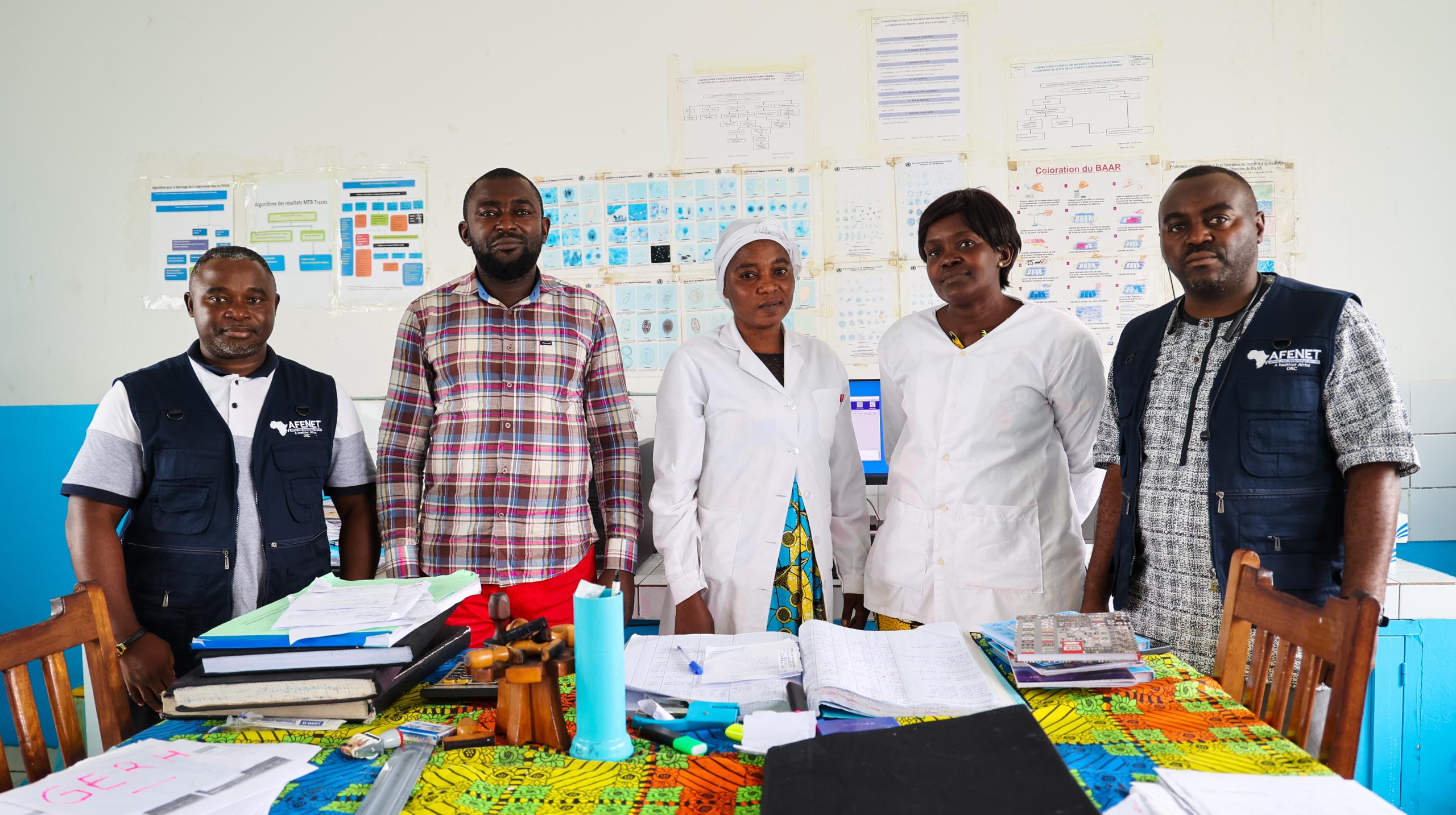
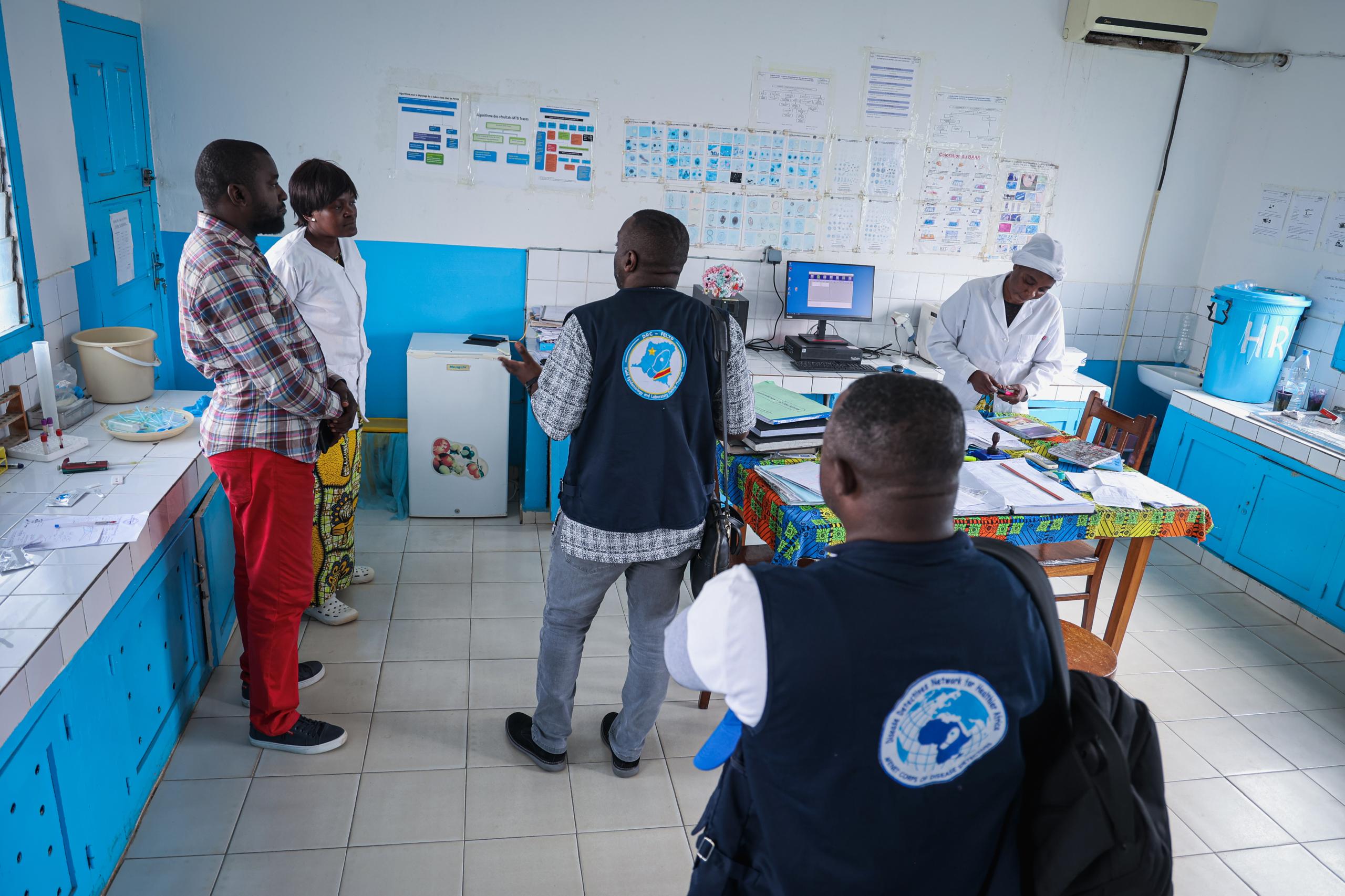
Among the supported facilities is the Laboratoire de l’Hôpital de Base de Kinkala, one of several laboratories benefiting from efforts to strengthen the country’s diagnostic network. The support is designed to ensure that laboratories have the tools, skills, and systems required to effectively contribute to outbreak detection and response.
Strong laboratory systems play a critical role in public health preparedness by enabling the rapid identification of outbreaks, supporting surveillance activities, and informing timely response measures. Investments in laboratory infrastructure and workforce development are particularly important as countries continue to strengthen their capacity to detect and respond to emerging and re-emerging infectious diseases.
The collaboration between AFENET and the U.S. CDC reflects a shared commitment to advancing health security and supporting countries in building resilient public health systems capable of responding to current and future disease threats.
By strengthening laboratory networks across the Republic of the Congo, these efforts are helping improve diagnostic readiness, enhance surveillance, and support more effective responses to Mpox and other public health emergencies.