DRC Ebola Outbreak Continues to Expand as Cases Rise Above 1,270
-
by
AFENET
As of 27 June 2026, the outbreak had recorded:
- 1,274 confirmed Ebola cases
- 360 confirmed deaths, representing a case fatality rate of 28.3%
- 178 recoveries
- 502 patients currently in isolation and receiving treatment
- 239 suspected cases identified on the reporting day
- 9,145 contacts under follow-up, with an overall follow-up rate of 87.1%
- 35 affected health zones across the provinces of Ituri, North Kivu, and South Kivu.
During the preceding 24 hours, health authorities reported 47 new confirmed cases and 12 additional deaths, underscoring the continued intensity of the outbreak.
Ituri Remains the Epicentre
The outbreak remains heavily concentrated in Ituri Province, which accounts for more than 91% of all confirmed cases and nearly 84% of all reported deaths. The most affected health zones are:
- Bunia: 338 cases
- Rwampara: 282 cases
- Mongbwalu: 258 cases
A new health zone, Mandima, has also reported its first confirmed case, increasing the number of affected health zones to 35 and highlighting the ongoing risk of further geographic spread.
Operational Challenges Persist
The response continues to be complicated by insecurity, population displacement, and significant cross-border movement between DRC and neighbouring countries. The outbreak is caused by the Bundibugyo strain of the Ebola virus, for which there is currently no licensed vaccine or specific treatment, making early detection and rapid response essential.
While surveillance activities remain robust, the contact follow-up rate of 87.1% remains below the recommended target, raising concerns about potential undetected chains of transmission.
Implications for the Public Health Response
The latest epidemiological trends underscore the need for:
- Strengthened surveillance and rapid case investigation;
- Enhanced contact tracing and monitoring;
- Improved infection prevention and control measures;
- Increased community engagement and risk communication;
- Sustained cross-border preparedness and coordination;
- Continued deployment of skilled public health professionals to support the response.
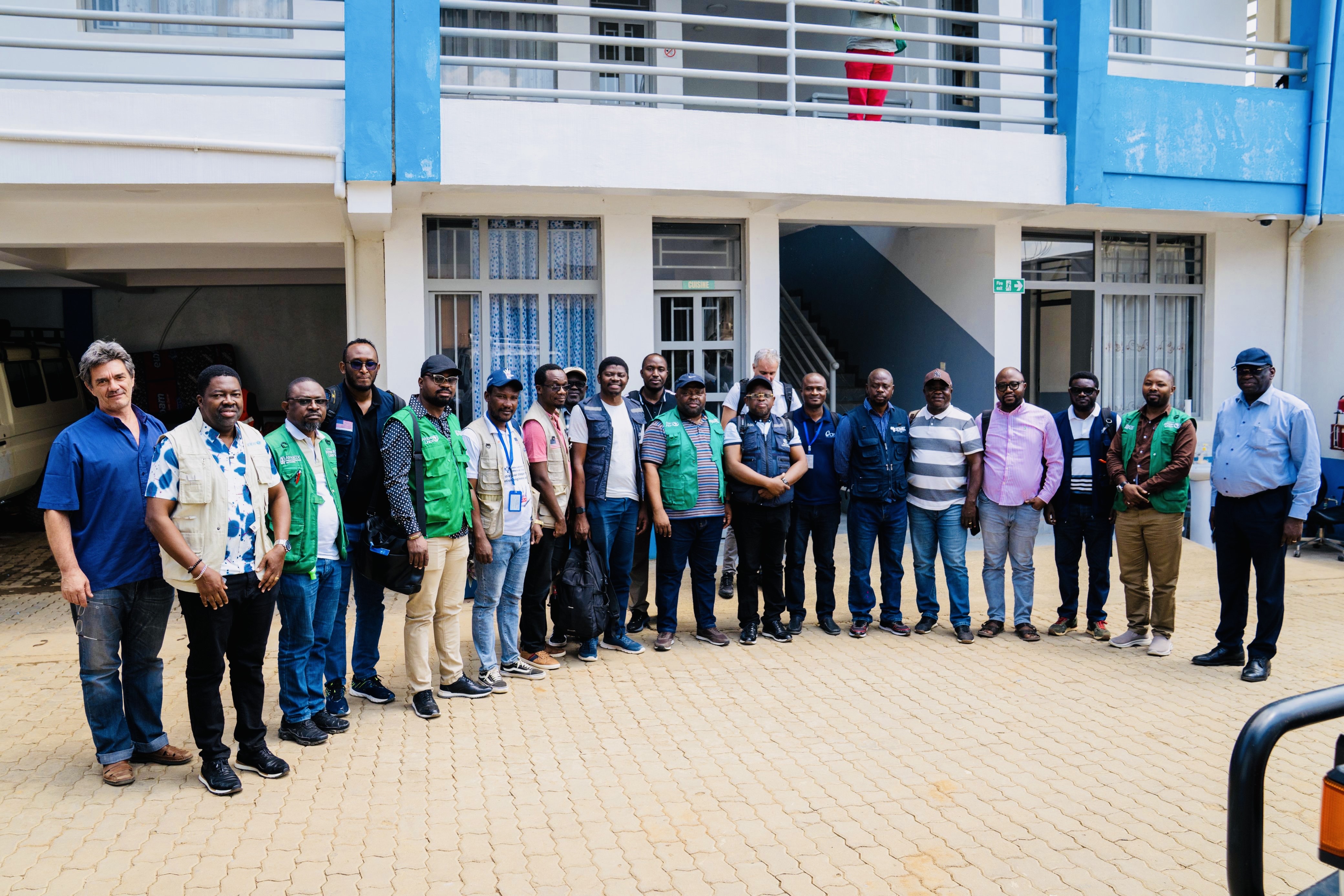
AFENET continues to work closely with the Ministry of Health, Africa CDC, WHO, and other partners in supporting outbreak response activities, including surveillance, coordination, workforce deployment, and strengthening emergency preparedness capacities.
The evolving situation highlights the importance of sustained collaboration and investment in resilient public health systems capable of responding rapidly to emerging infectious disease threats across the continent.
Read the full DRC Ebola Situation Report (SitRep #44): https://insp.cd/sitrep-n044-mvb_27-06-2026/
Source: Ministry of Public Health, Hygiene and Social Welfare, Democratic Republic of the Congo and the National Institute of Public Health (INSP), Situation Report No. 44, 27 June 2026.