Equipping 23 provincial medical officers for provincial deployment to strengthen AFP and other VPD surveillance and outbreak response in Chad
-
by
AFENET
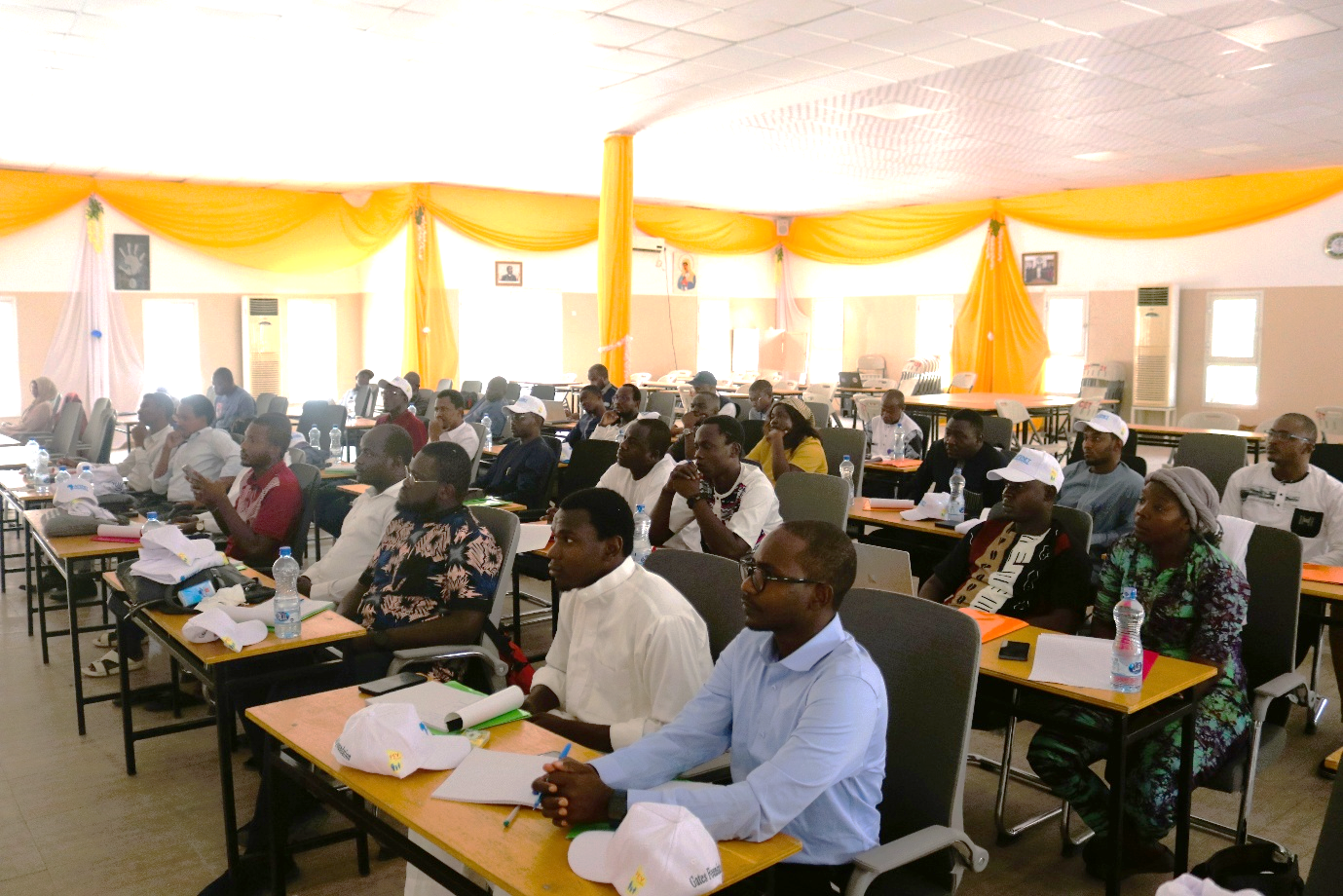
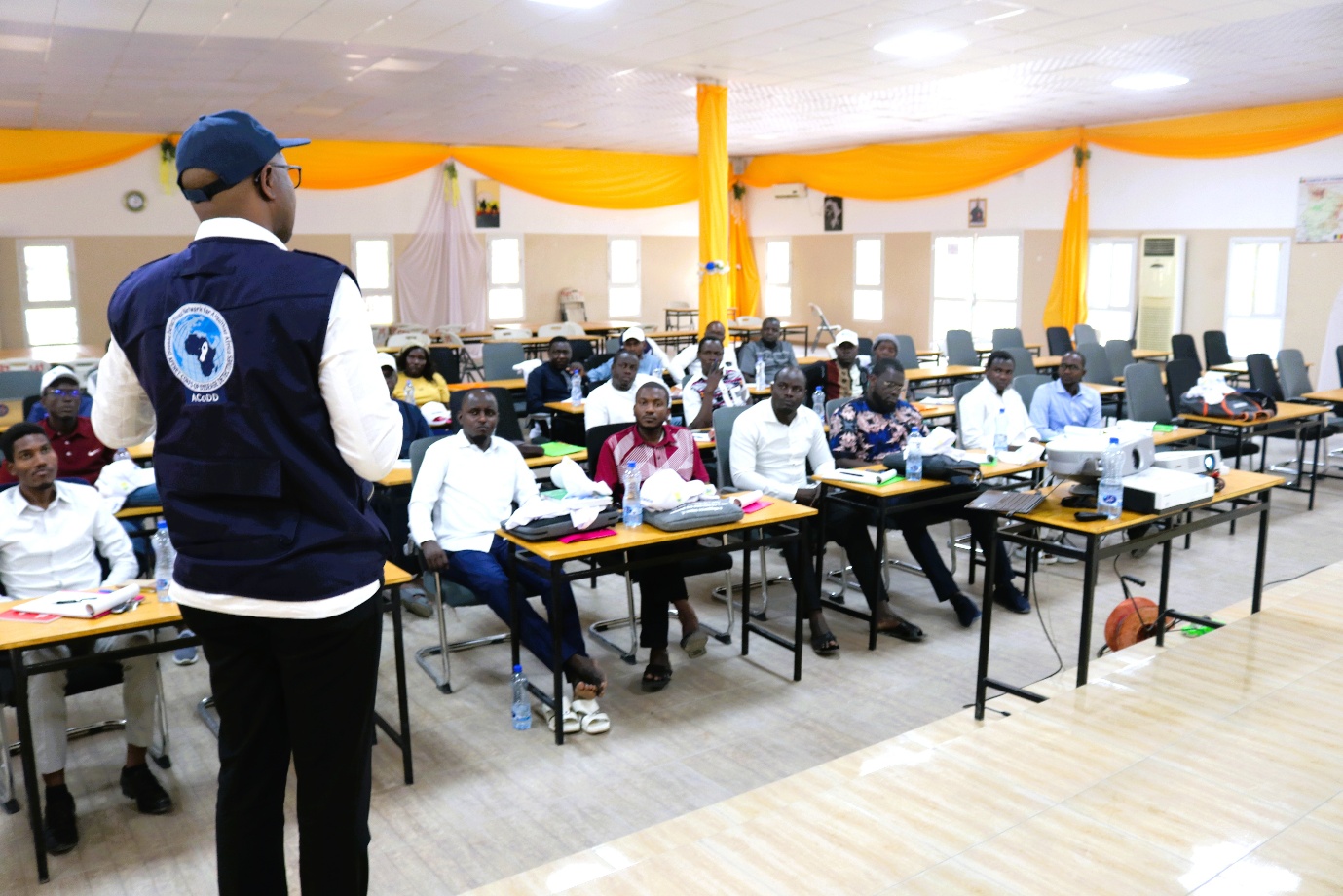
A cohort of 23 Provincial Medical Officers is being equipped for deployment across provinces in Chad, where they will strengthen surveillance, case investigation, and coordinated outbreak response efforts over the next six months.
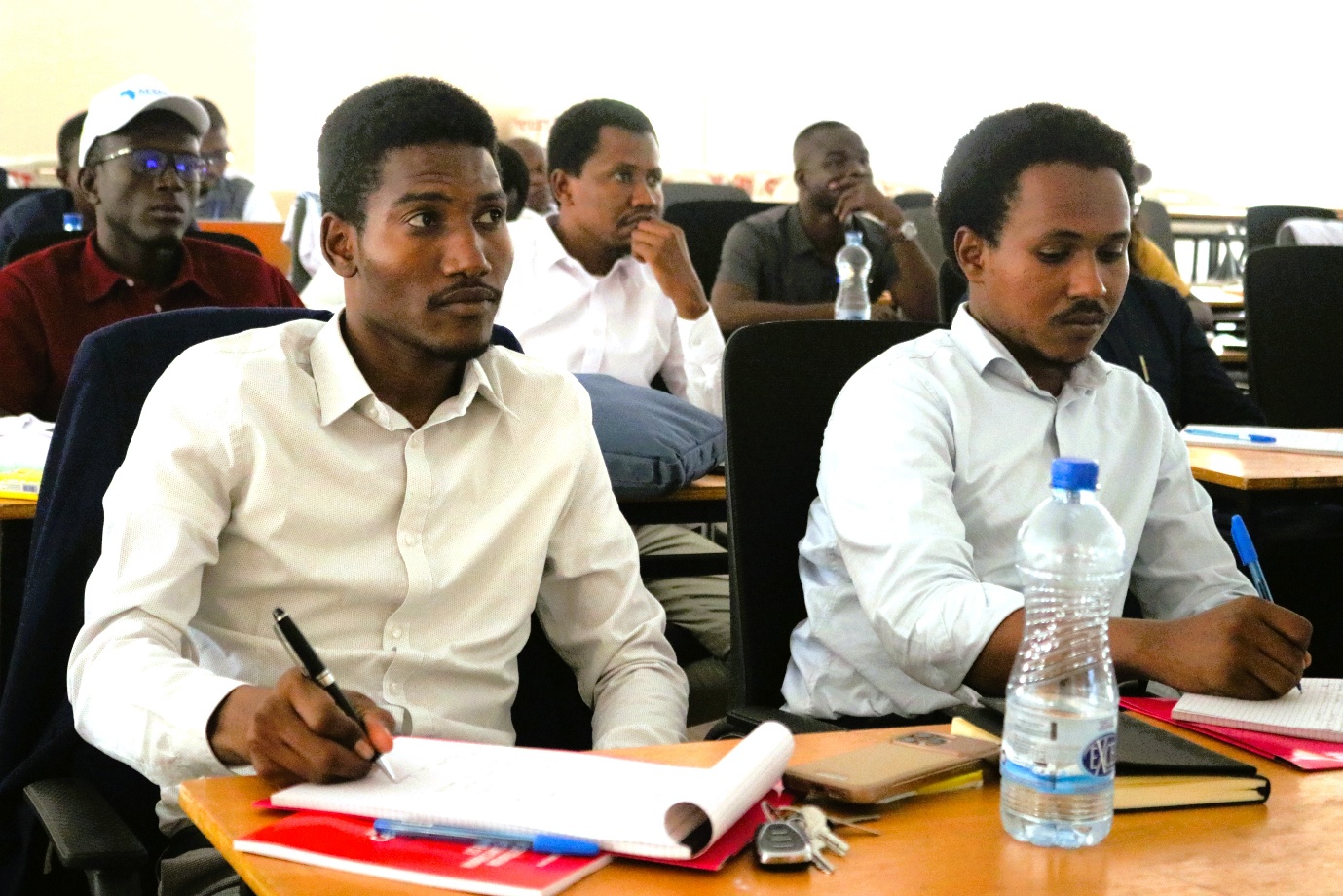
Convened in N’Djamena, the training, led by the Ministry of Public Health with technical support from AFENET, is supported by funding from the Centers for Disease Control and Prevention (U.S. CDC). The six-month district deployment will be supported through funding from the Gates Foundation.
The programme focuses on strengthening the capacity of Provincial Medical Officers, frontline leaders responsible for translating national public health strategies into action at subnational level.
Training Built for Impact: Participants are equipped with critical competencies in:
- Integrated Disease Surveillance and Response (IDSR/SIMR), including polio and AFP surveillance
- Investigation of priority diseases, including measles, meningitis, yellow fever, and diphtheria
- Emergency coordination, including the role of the Public Health Emergency Operations Center (COUSP)
- Laboratory systems, including sample collection, transport, and quality assurance
- Data management and use, including DHIS2 and digital tools
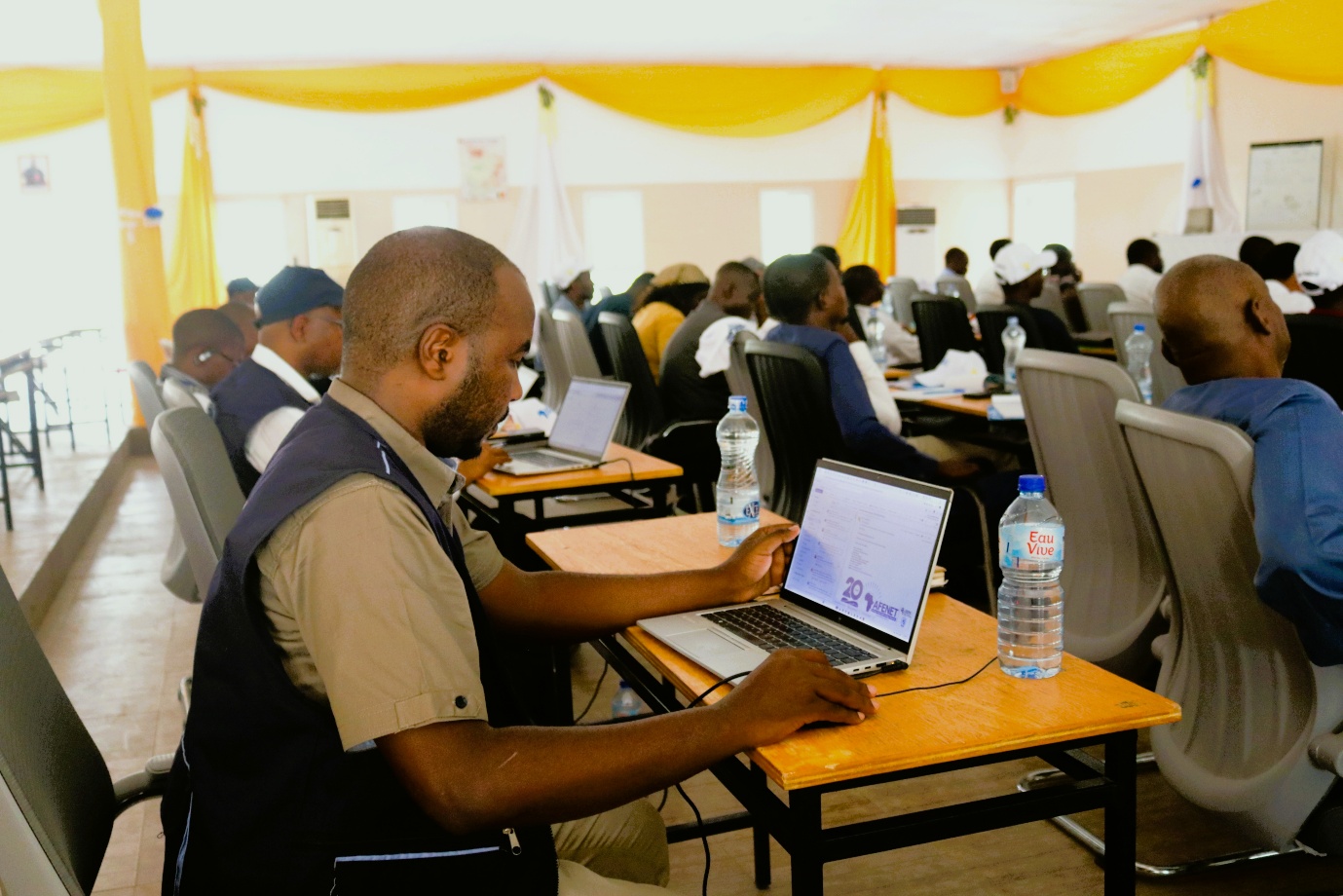
From Training to Deployment: Through hands-on simulations and practical exercises, participants:
- Map surveillance and notification pathways
- Simulate outbreak investigations and response
- Develop immunization microplans
- Build simple dashboards to support real-time decision-making
Strengthening Response Where It Matters Most: With deployment to provinces and districts, these Provincial Medical Officers will play a central role in:
- Early detection and rapid response to outbreaks
- Strengthening surveillance systems at the last mile
- Improving data use for timely, evidence-based decisions
- Reaching underserved and high-risk populations
This initiative reinforces a critical principle: strong health systems depend on empowered provincial leadership, where surveillance meets action.