Ethiopia Launches First-Ever VPD Track Frontline FETP
-
by
AFENET
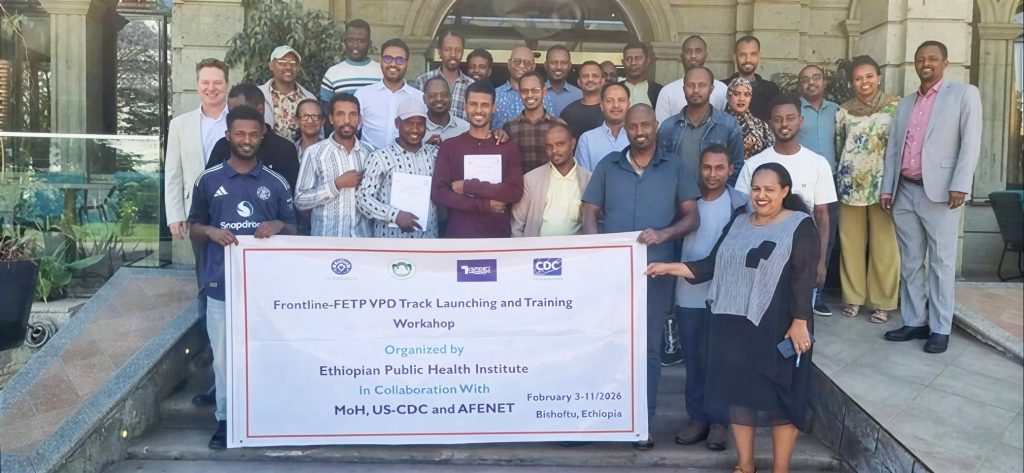
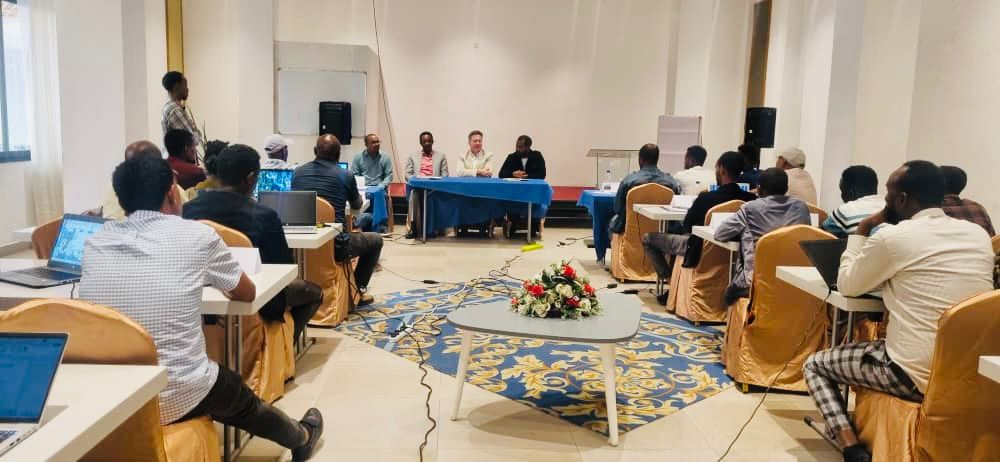
The Ethiopian Public Health Institute (EPHI) and Ministry of Health (MOH) has officially launched the Vaccine-Preventable Diseases (VPD) Track Frontline Field Epidemiology Training Program (FETP), the first immunization-focused Frontline FETP track in Ethiopia. The inaugural cohort conducted its classroom phase (workshop 1) from February 3–11, 2026, at Seifert Hotel in Bishoftu, Ethiopia. The inaugural cohort happened with the support from AFENET and US CDC.
A Strategic Shift Towards Integrated Tackling Vaccine Preventable Disease
The VPD track builds on the general Frontline FETP model, which previously focused mainly on surveillance officers. This new track introduces a targeted and integrated woreda level approach by bringing together:
• Public Health Emergency Management (PHEM) officers, and
• Expanded Program on Immunization (EPI) officers
By integrating surveillance and immunization functions, the program aims to strengthen coordination, improve data quality, enhance early outbreak detection, and promote evidence-based public health action, particularly for priority diseases such as polio and measles/rubella.
Participants and Regional Representation
A total of 19 participants from woreda health offices were enrolled in the first cohort. The trainees of this first cohort were selected from five regions:
• Oromia
• Amhara
• Somali
• Gambella
• Southwest Ethiopia
Following the nine-day classroom training, participants will continue with six-weeks mentored field work activities, during which they will conduct practical field projects, analyze local VPD data, assess the data quality and immunization service, and strengthen surveillance and immunization performance in their respective woredas.
Comprehensive Training Content
The classroom workshop covered a wide range of technical and programmatic topics to ensure a balanced focus on both surveillance and immunization systems. The training content are summarized as follows:
1. VPD Surveillance and Case-Based Investigation
Participants were trained on:
• Principles of VPD surveillance
• Standard case definitions
• Case investigation procedures and documentation
• Reporting pathways and feedback mechanisms
• Surveillance performance indicators
2. Surveillance Data Analysis and Interpretation
The training included step-by-step guidance on:
• Basic epidemiological concepts
• Data cleaning and validation
• Analysis of surveillance data (by time, place, and person)
• Interpretation of findings
• Translating analysis into public health action
3. Data Visualization and Communication for Action
Participants developed skills in:
• Preparing tables and epidemiological charts
• Effective data display techniques
• Communicating findings to decision-makers
• Presenting evidence for action
4. Case Studies
Applied learning was reinforced through structured case studies, including:
• Dengue case study
• Acute Flaccid Paralysis (AFP)/Polio case study
• Measles/Rubella case study
These exercises strengthened competencies in outbreak detection, investigation, response planning, and documentation.
5. Immunization Program Strengthening
The immunization-focused modules addressed:
• Overview of the national immunization program
• Routine immunization microplanning
• Service delivery strategies
• Reducing missed opportunities and drop-out rates
• Monitoring immunization coverage
• Addressing data discrepancies and false reporting
• Vaccine demand generation and community engagement
• Crisis communication in immunization programs
6. Practical Digital Skills for Public Health
Hands-on sessions were conducted on:
• Microsoft Excel for data entry, cleaning, analysis, and visualization
• Microsoft PowerPoint for presenting findings surveillance and immunization program performance
Strong Partner Engagement and Support
The VPD Track Frontline FETP is being implemented by EPHI/MOH with support from AFENET and US CDC.
The training was officially opened by program leads from EPHI/PHEM and MOH/EPI, who emphasized the importance of strengthening woreda-level capacity to improve VPDs surveillance and immunization outcomes.
During the closing session, representatives from US CDC, AFENET, EPHI/PHEM reaffirmed their commitment to continued partnership and collaboration in building woreda level capacity to tackling VPDs in the country. It was highlighted that capacity building at lower levels is crucial to preventing and responding to public health emergencies caused by vaccine-preventable diseases, particularly polio and measles/rubella; and sustained investment at frontline levels is essential.
A Model for Ethiopia and Beyond
The VPD Track represents an innovative and integrated approach to workforce development. Ethiopia is the first country to implement this immunization focused Frontline FETP model, and the experience is expected to inform future investment and potential expansion to other countries. By equipping woreda-level PHEM and EPI officers with practical epidemiological and programmatic competencies, the initiative strengthens the foundation for improved surveillance quality, better immunization performance, and enhanced preparedness for VPD outbreaks. The successful launch of the VPD Track Frontline FETP marks a significant step forward in Ethiopia’s commitment to protecting communities and advancing national and global disease elimination goals.