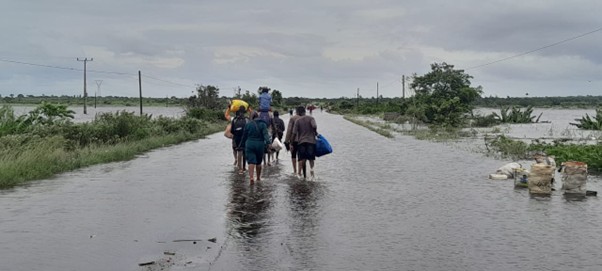
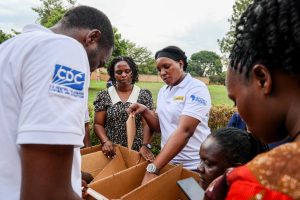
Mozambique has recently experienced heavy rains and flooding across several areas, affecting communities and increasing public health risks associated with displacement and disruption of essential services. In response, the Field Epidemiology Training Program (FETP) Mozambique supported emergency preparedness and response efforts, deploying trained graduates to strengthen coordination, surveillance, and decision-making on the ground.
Deployment of FETP Graduates to Support Flood Response
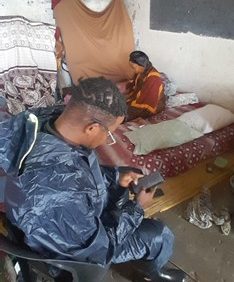
FETP Mozambique deployed Advanced and Frontline FETP graduates to support response activities linked to flooding and displacement. Teams were assigned to support field operations and coordination, including conducting rapid assessments in temporary accommodation centers where displaced populations were housed.
Identifying Public Health Risks and Strengthening Surveillance
Following floods, communities face increased risk of disease transmission and service interruptions. FETP teams focused on identifying key public health risks, particularly:
- Disruptions in health service delivery
- Increased exposure to infectious disease risks in crowded settings
- Challenges in access to safe water and sanitation
Disease monitoring prioritized communicable diseases commonly associated with flooding in Africa, including malaria, diarrheal diseases, respiratory infections, and rash-related illnesses, alongside key chronic conditions requiring continuity of care.
National-Level Coordination and Data Support
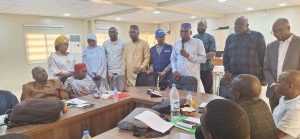
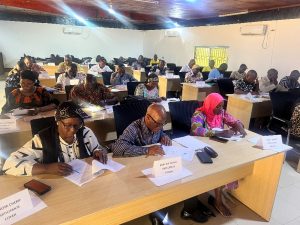
At national level, an FETP graduate supported coordination and data analysis, strengthening emergency focal point functions and improving information flow across response partners. FETP teams contributed to daily situation updates, helping ensure timely decision-making and guiding response priorities as conditions evolved.
Maintaining Readiness for Escalation
FETP graduates in other provinces remained on standby, prepared for rapid deployment should the situation expand or intensify. This readiness helped reinforce surge capacity and ensured quicker response options if new hotspots emerged.
Building Preparedness for Climate-Related Emergencies
The response underscored the critical role of a trained field epidemiology workforce in climate-related emergencies. FETP Mozambique’s support strengthened early detection, rapid response, and outbreak preparedness, contributing to a more resilient public health response system.
As climate-related hazards increase across the continent, this experience highlights how investing in field epidemiology capacity is essential to protecting communities and improving emergency response outcomes across Africa.
AFENET