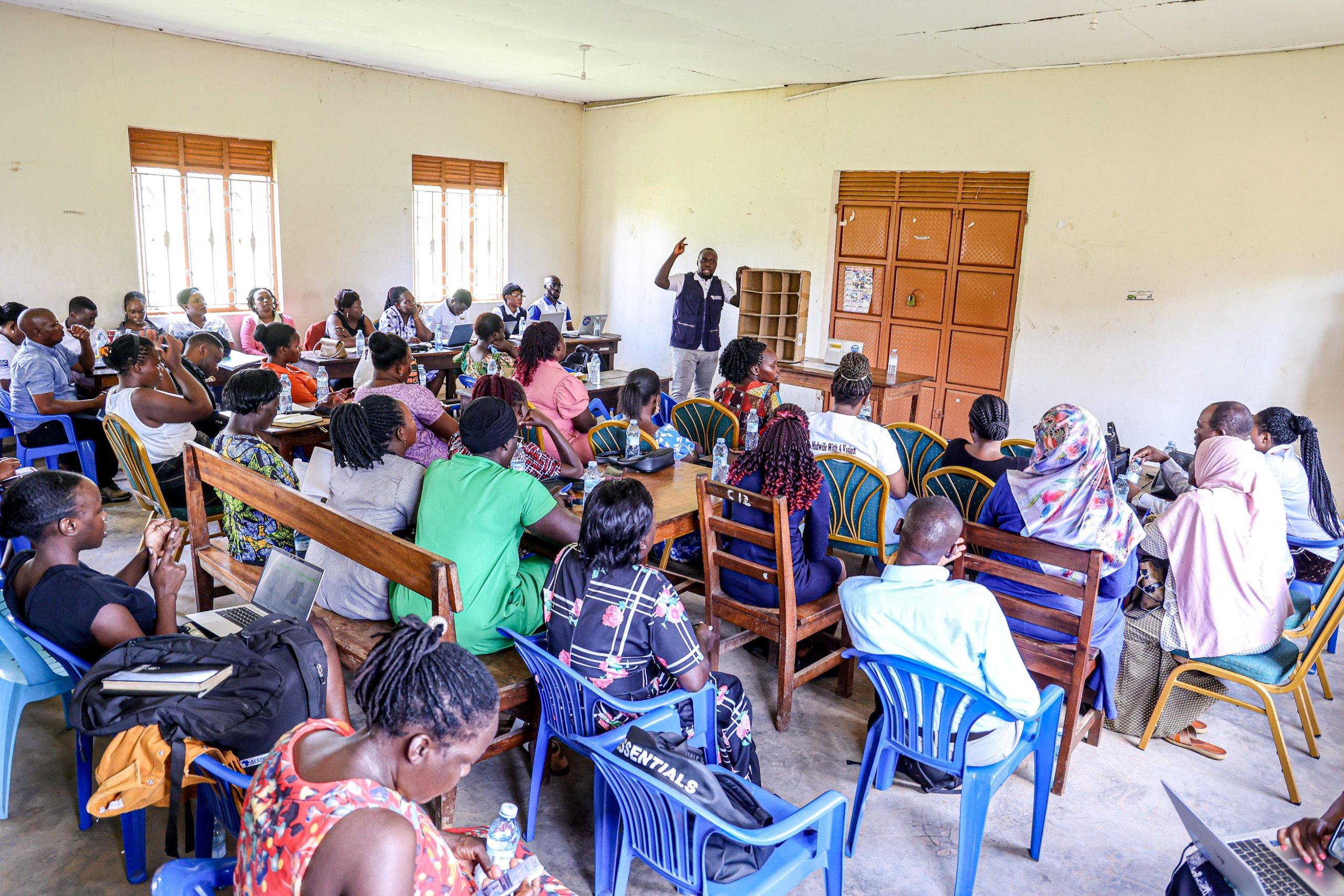
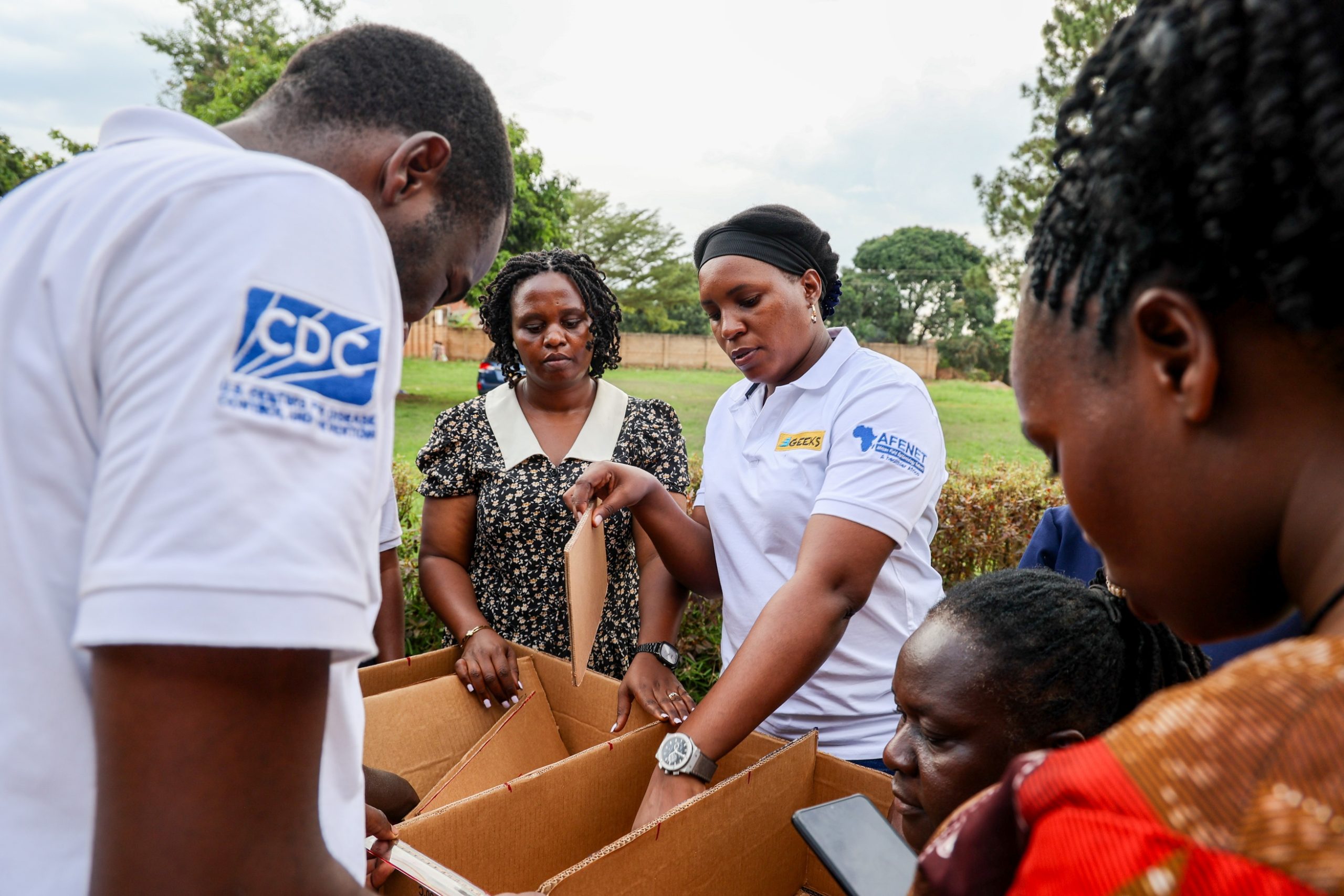
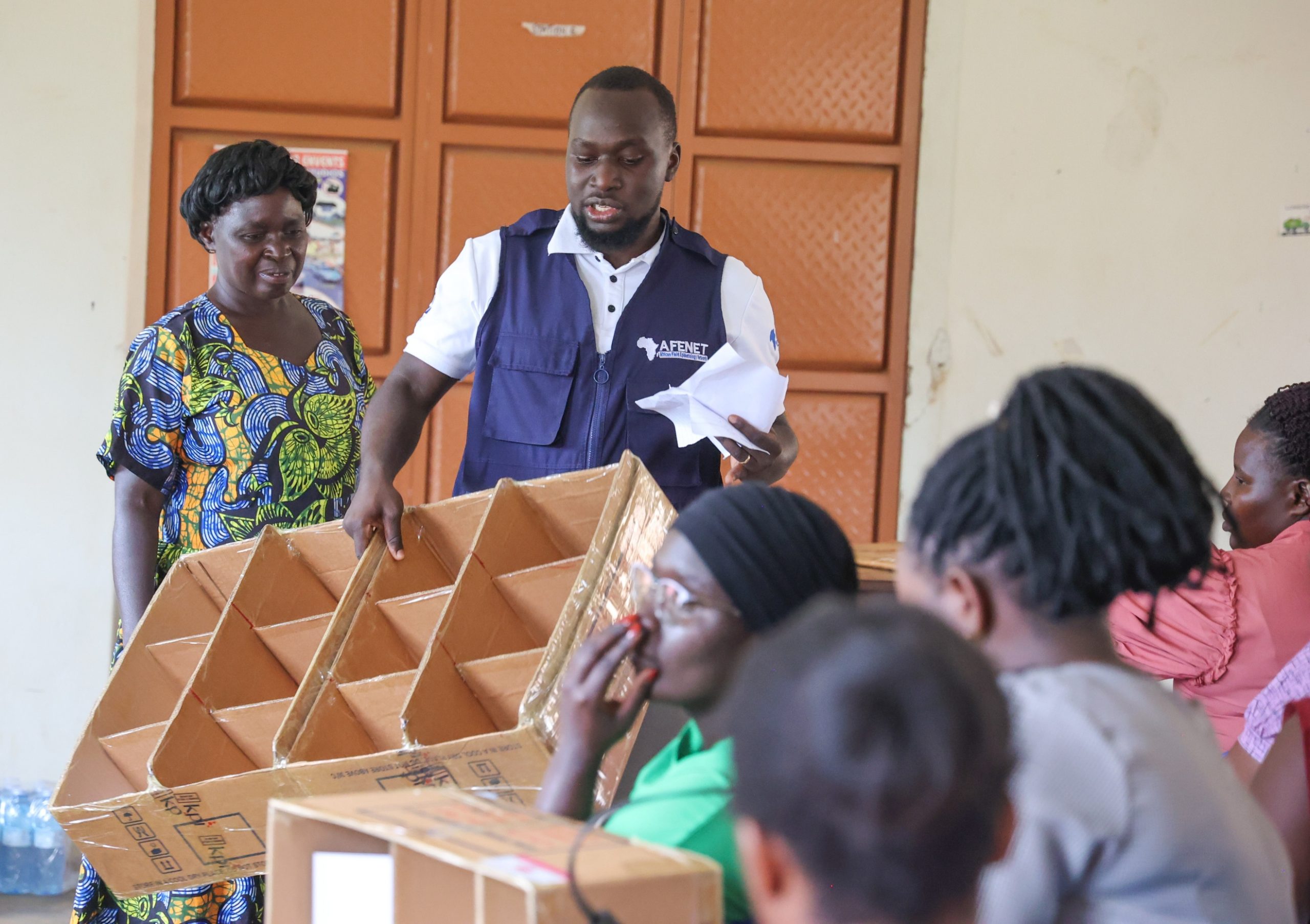
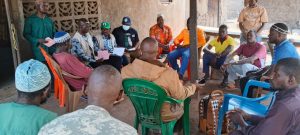
On 9 March 2026, the Ministry of Health, in collaboration with the Growing Expertise in E-health Knowledge and Skills (GEEKS) Fellows, the Luwero District Health Office, Uganda and AFENET, conducted a hands-on training for 48 health workers on the creation and use of tickler boxes using low-cost, locally available materials.
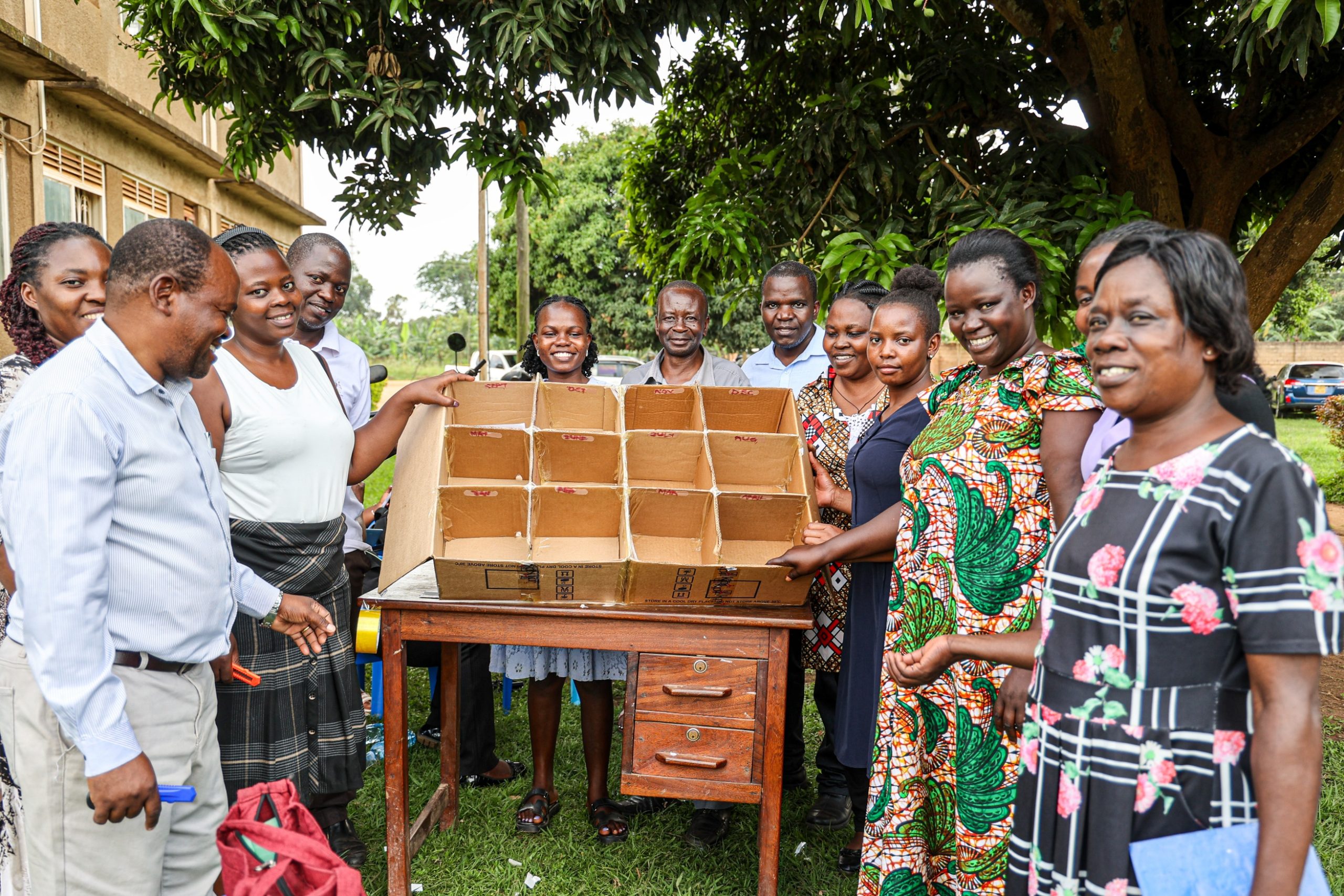
The training aimed to strengthen follow-up systems for children who miss scheduled health services. The tickler box is a simple but effective tracking tool that helps health workers organize appointment dates, identify children who miss visits, and systematically follow up with caregivers. By flagging missed appointments early, health workers can reach out to families and ensure that children receive their scheduled immunizations and essential health services.
Participants were guided through practical sessions on how to design and assemble the tickler boxes, categorize appointment dates, and integrate the system into routine facility workflows. The approach is particularly valuable in settings where digital tracking systems may not be available, offering a low-cost and sustainable solution for improving service continuity.
Building on the training, GEEKS Fellows are working alongside health workers from 10 to 13 March across 22 health facilities in Luwero District to implement the tickler system in real service settings. During this period, teams are reviewing facility records and using the tool to identify children who have defaulted on key vaccinations, including Malaria, Measles–Rubella, and other routine immunizations.
By strengthening defaulter tracking and follow-up mechanisms, the initiative aims to reduce missed opportunities for vaccination and ensure that every child receives life-saving immunizations on time. The collaboration demonstrates how simple, locally adapted innovations can enhance health system performance and support efforts to improve immunization coverage at the community level.
Through partnerships between the Ministry of Health, district health authorities, and technical partners such as AFENET, initiatives like this continue to strengthen frontline capacity and bring health services closer to the communities that need them most.
AFENET