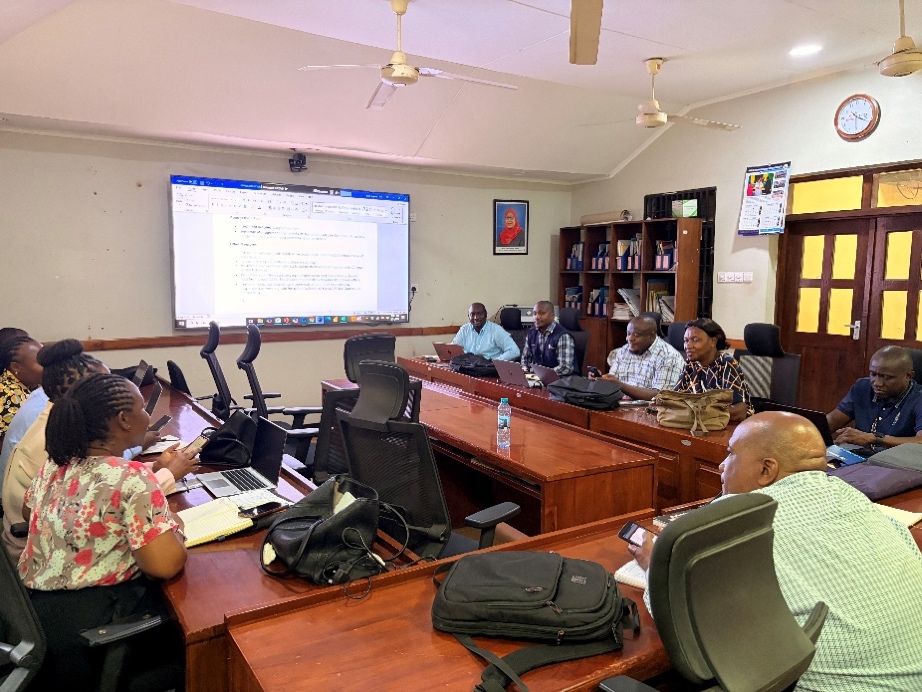
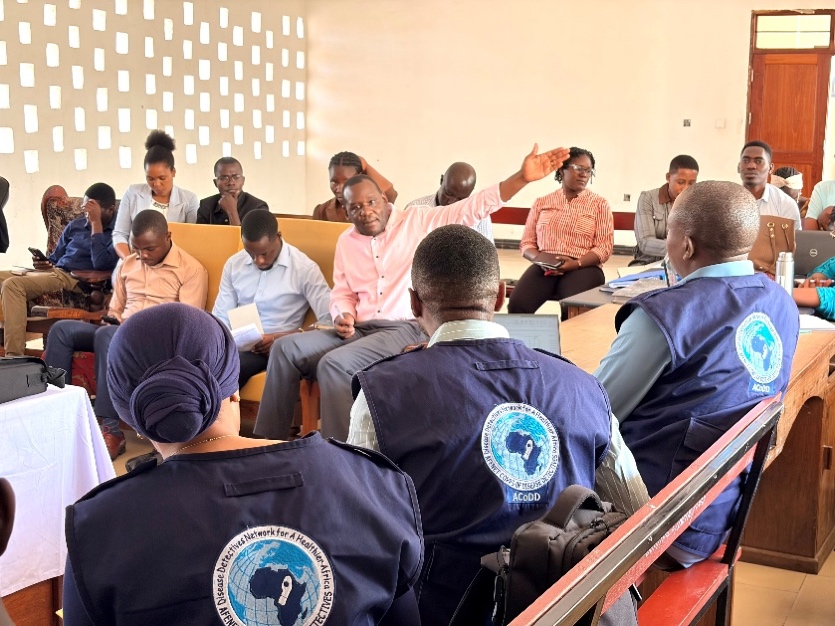
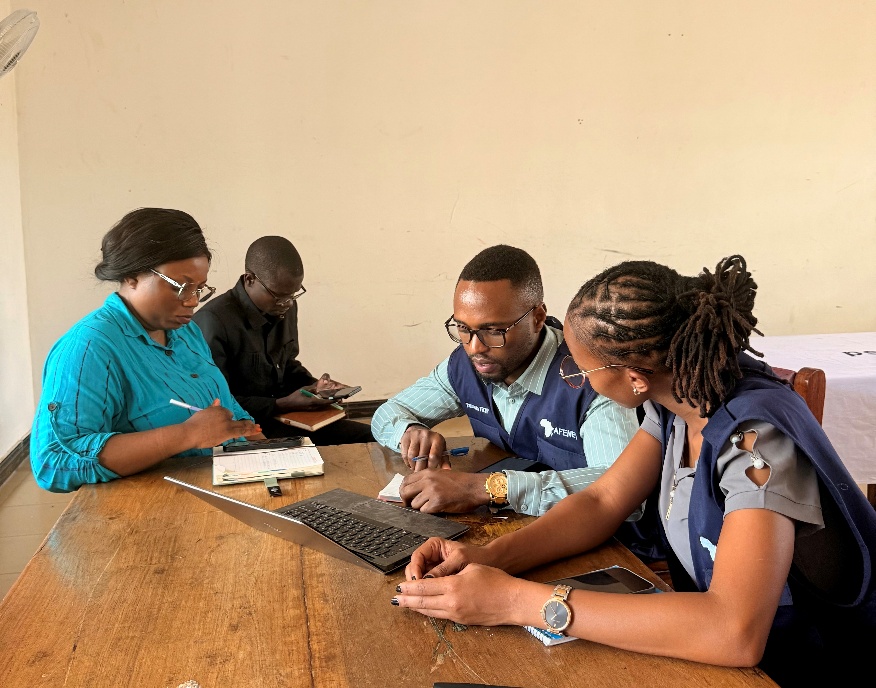
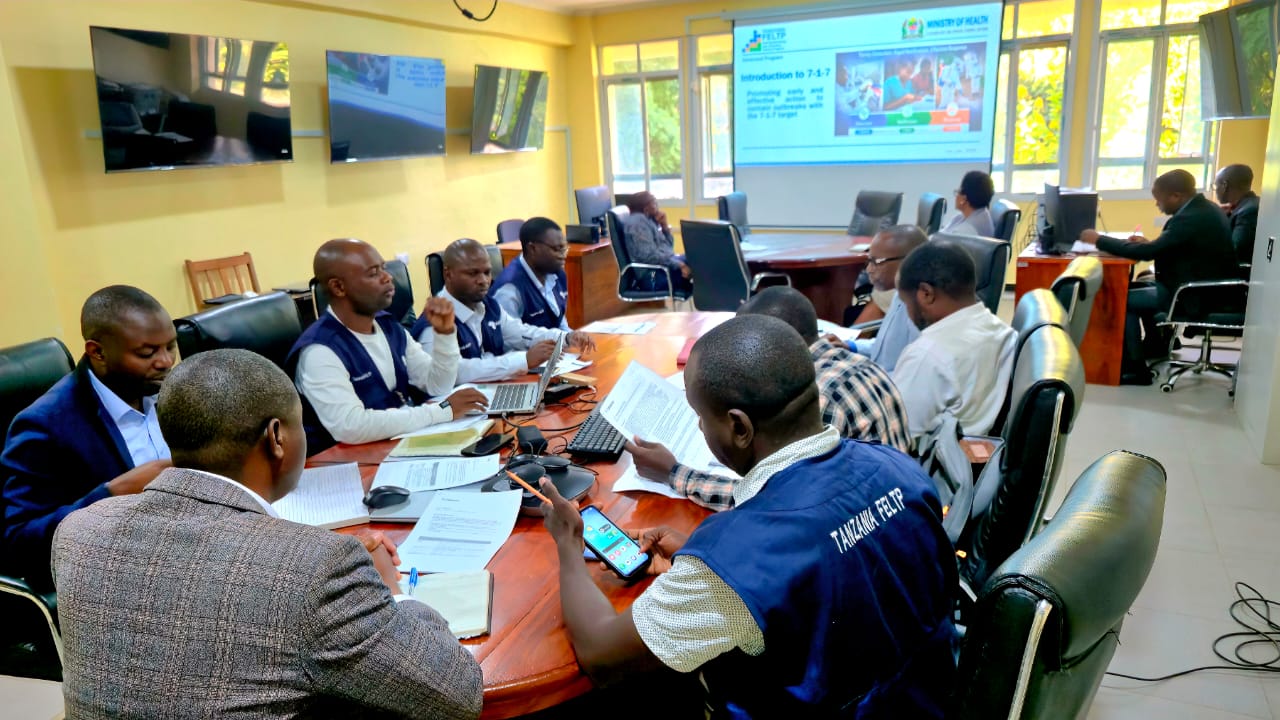
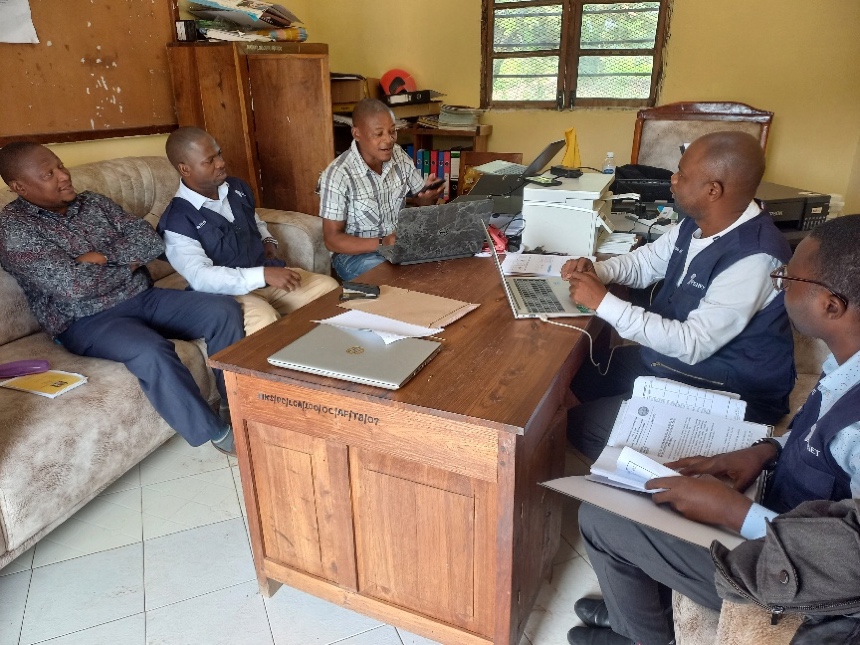
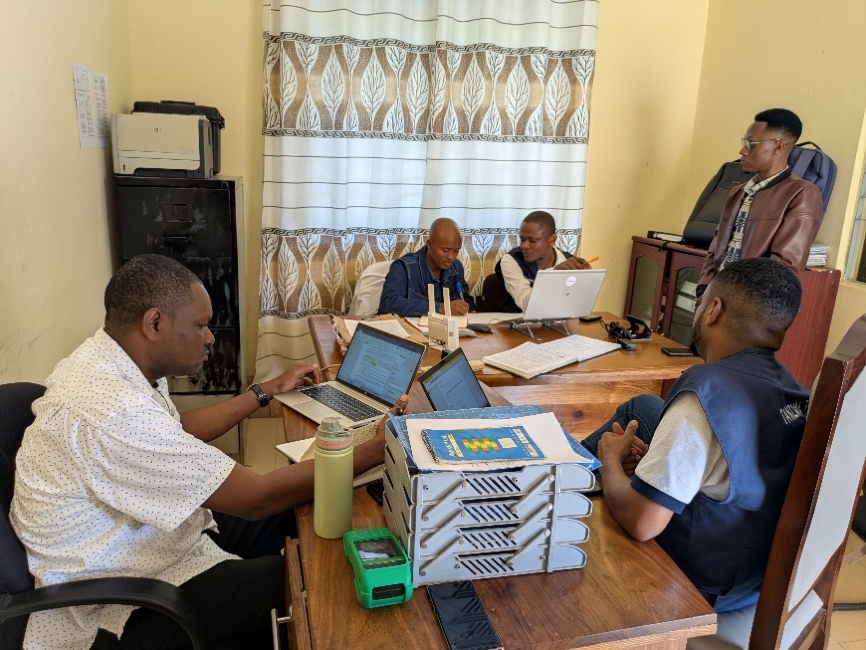
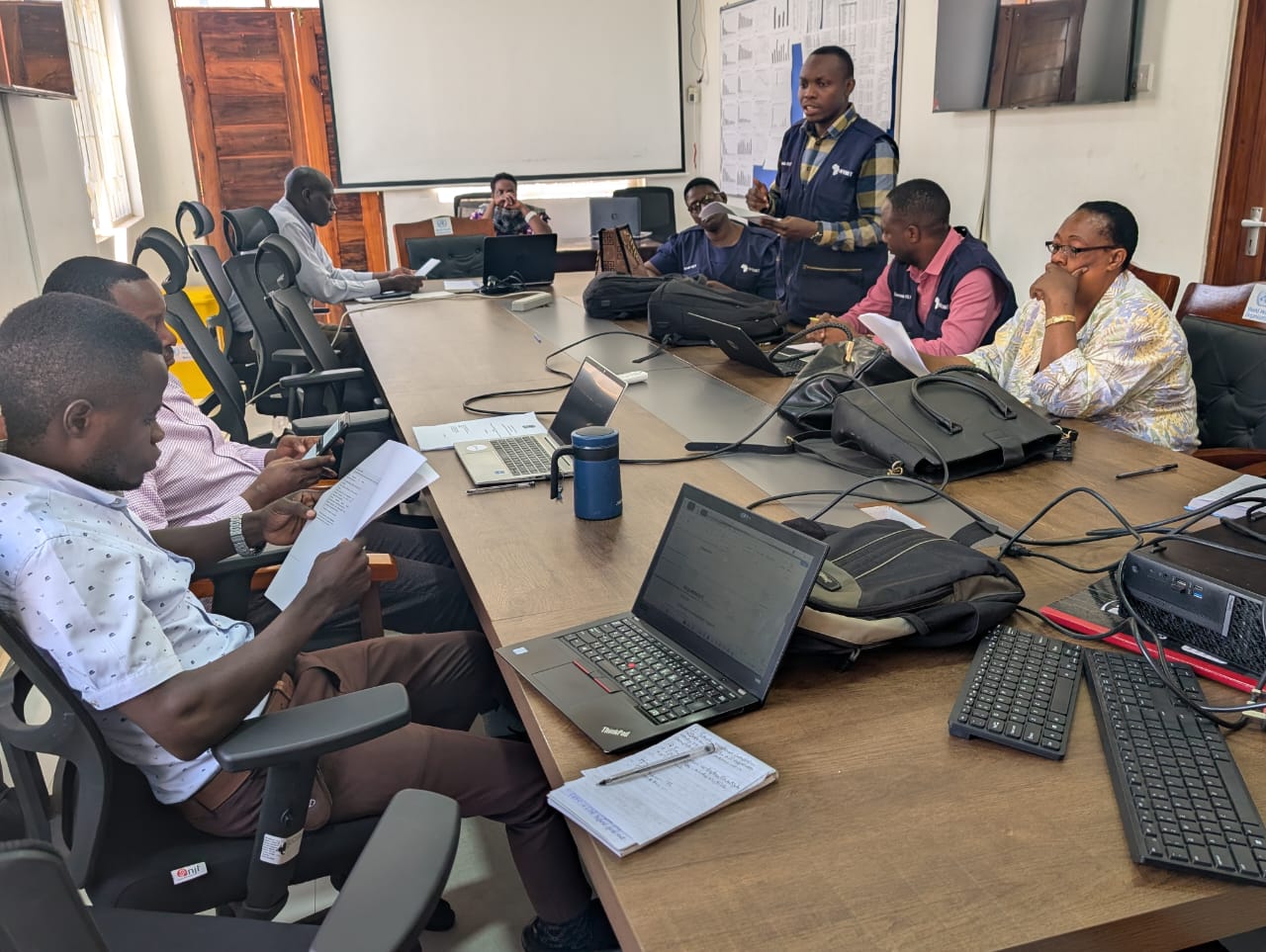
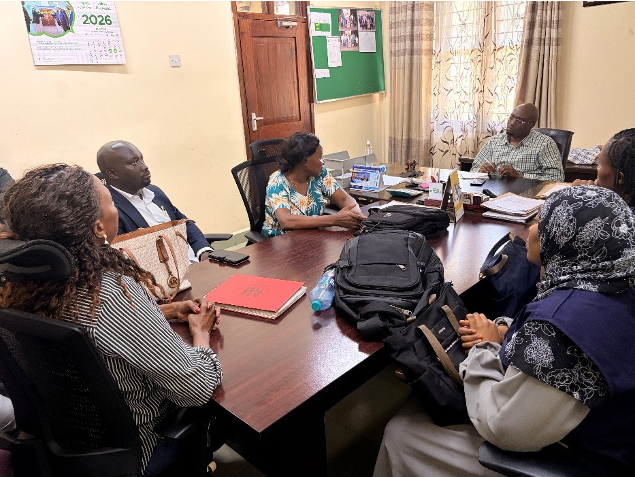
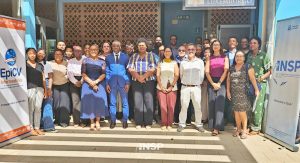
Residents from the Tanzania Field Epidemiology and Laboratory Training Program (TFELTP) Advanced Cohort 18 are strengthening outbreak preparedness and response through the application of the 7-1-7 framework across multiple regions in Tanzania. The activity, supported by the U.S. Centers for Disease Control and Prevention, was conducted in Dar es Salaam, Kigoma, Katavi, Rukwa, and Simiyu, analyzing outbreak events reported between April 2023 and February 2026. This field work followed the residents’ didactic training in Public Health Surveillance and Emergency Management, where the 7-1-7 framework is now a key component of the revised TFELTP curriculum.
Using multiple routine and programmatic data sources, including Integrated Disease Surveillance and Response reports, laboratory records, Rapid Response Team reports, and Public Health Emergency Operations Center data, the residents analyzed 14 public health events. The majority were cholera outbreaks, alongside Mpox cases and one suspected viral hemorrhagic fever event. Findings showed that Tanzania’s outbreak response system performs relatively well once activated. Most events met the targets for timely notification and response, with 85.7% reported within one day and 78.6% responded to within seven days. However, early detection remains a key gap, with a median detection time of 4.5 (IQR: 1-9) days and only 42.9% of events meeting all three 7-1-7 targets.
The assessment highlighted both strengths and areas for improvement within the surveillance system. While coordination mechanisms and response structures are largely functional, delays in early detection were linked to gaps in community-based surveillance, laboratory capacity, and health-seeking behavior. Strengthening these areas is critical to improving the overall timeliness and effectiveness of outbreak response.
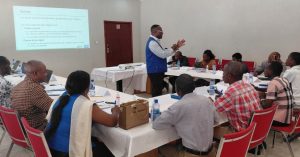
In addition to the assessment, TFELTP residents built capacity among regional and council health management teams, reaching 185 staff across the five regions with practical training on the use of the 7-1-7 framework. This hands-on approach enhanced understanding of outbreak timelines and promoted the use of data for action at all levels of the health system.
This initiative demonstrates the impact of applied epidemiology in practice, where classroom knowledge is translated into real-world action. By integrating training, field implementation, and system strengthening, TFELTP residents are contributing to improved outbreak detection and response in Tanzania, supporting national health security and global commitments under the International Health Regulations (2005).
AFENET