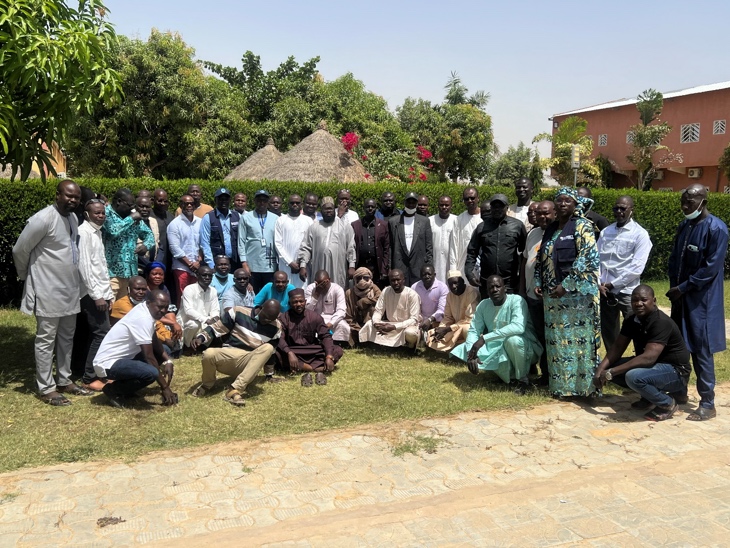
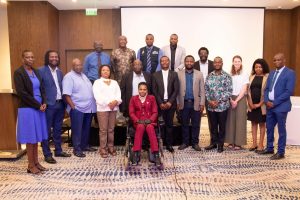
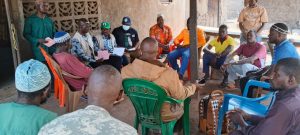
The African Field Epidemiology Network (AFENET), with support from the U.S. Centers for Disease Control and Prevention (U.S. CDC), successfully supported the training of 349 epidemiological surveillance focal points across Chad, strengthening the country’s capacity to detect, investigate, and respond to priority diseases, including polio.
This intervention comes at a critical time for Chad, which remains a high-priority country for polio eradication in the WHO African Region. Since 2019, the country has been responding to a circulating vaccine-derived poliovirus type 2 (cVDPV-2) outbreak, with additional co-circulation of cVDPV-3 reported in 2025. Persistent transmission has been linked to gaps in routine immunization, surveillance challenges, population movement, and access constraints in hard-to-reach and insecure areas.
A Coordinated National Effort to Strengthen Surveillance
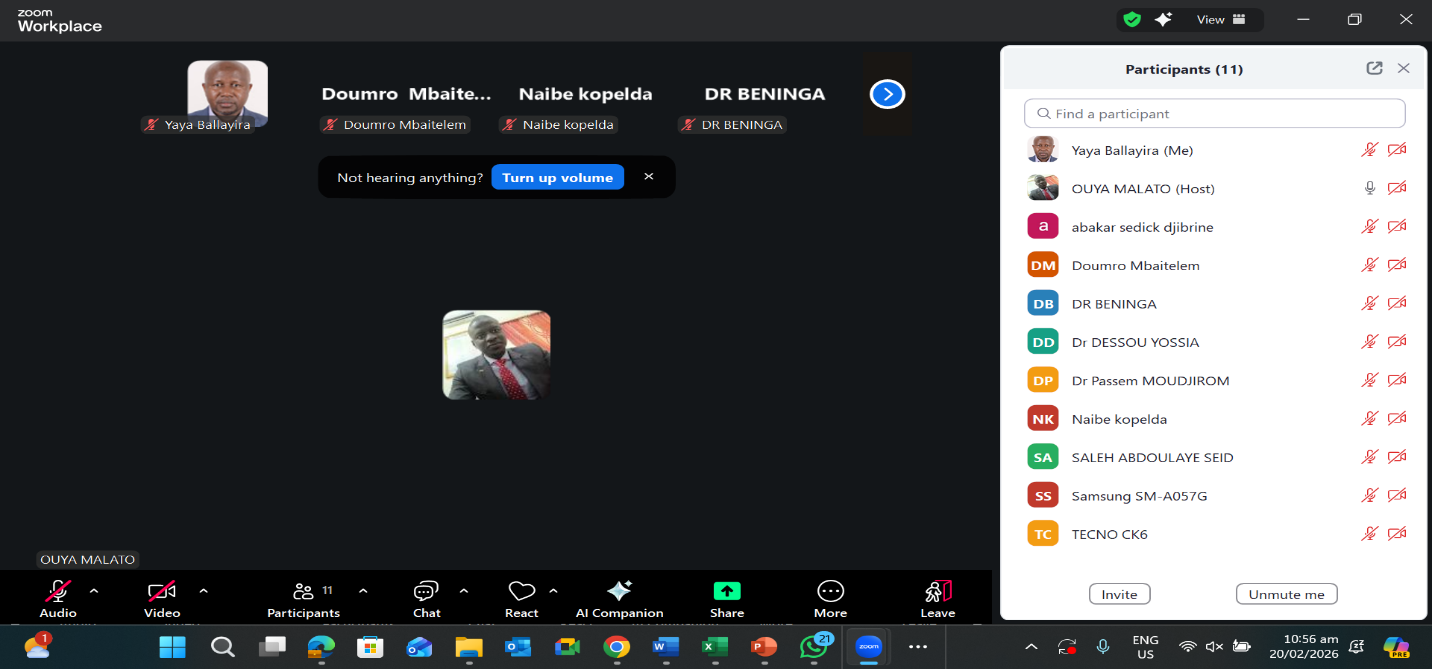
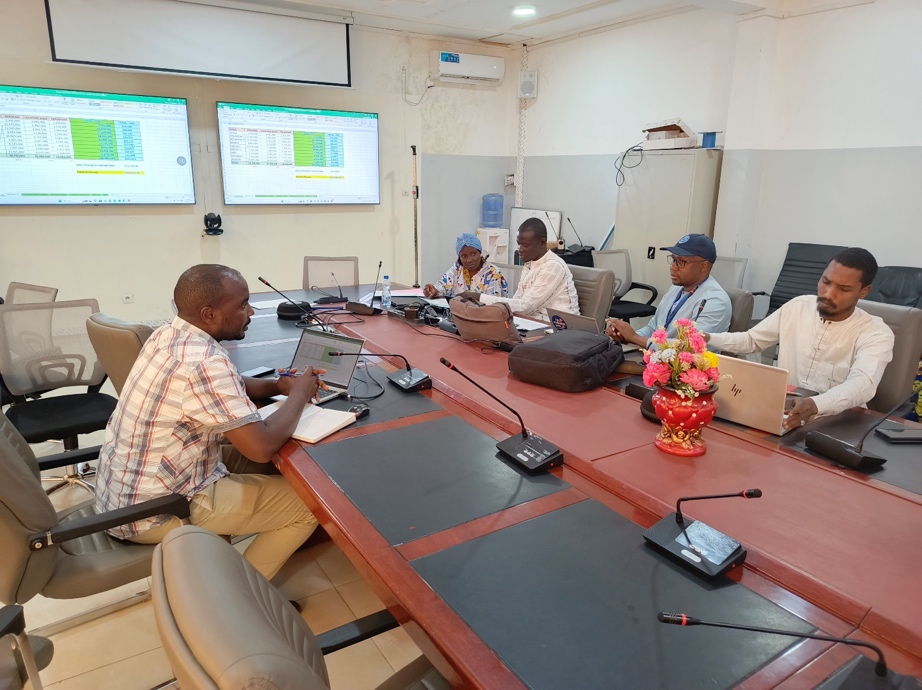
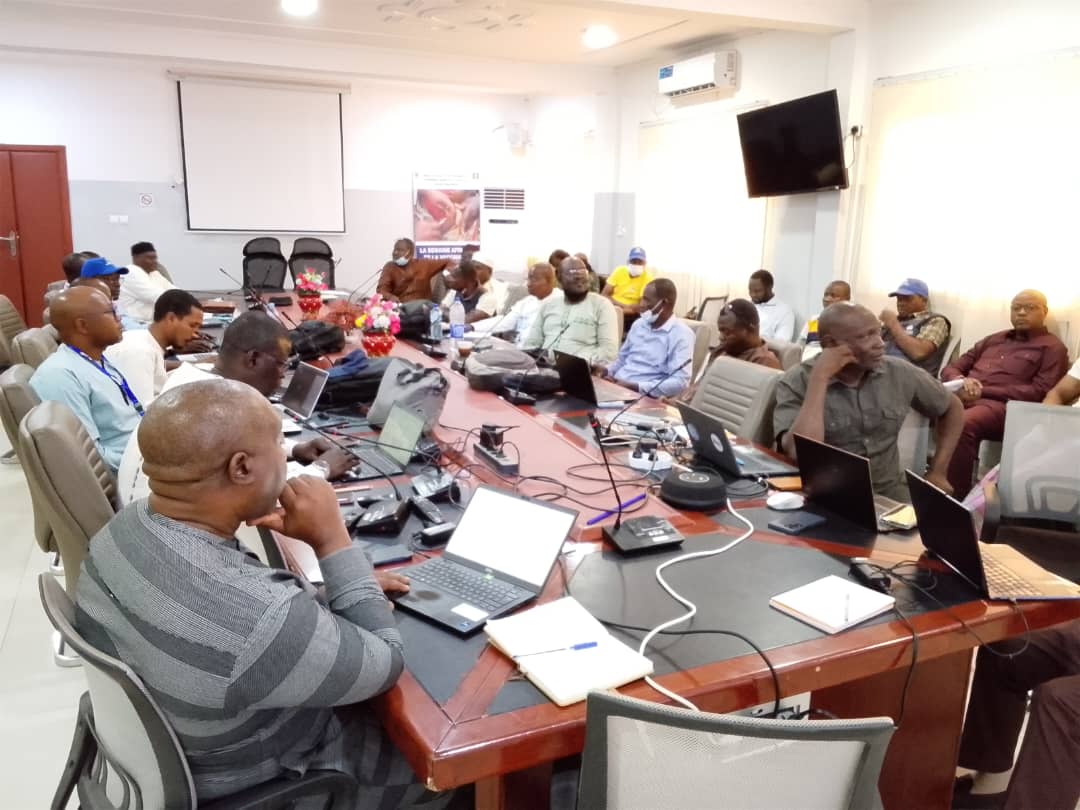
The training, conducted from February 24–26, 2026, was implemented across nine training hubs, bringing together frontline surveillance focal points from across the country.
The sessions were delivered through a strong multi-partner collaboration involving the Ministry of Health of Chad, World Health Organization (WHO), Global Polio Eradication Initiative (GPEI), U.S. CDC, AFENET, and other Expanded Programme on Immunization (EPI) partners.
Prior to implementation, AFENET engaged in high-level coordination meetings with the Ministry of Health, the Polio Emergency Operations Center, and key partners to ensure alignment on training content, logistics, and roles.
Building Skills Where It Matters Most
The training focused on strengthening frontline capacity in:
- Acute Flaccid Paralysis (AFP) surveillance
- Integrated Disease Surveillance and Response (IDSR)
- Detection, notification, and investigation of vaccine-preventable diseases (VPDs)
- Laboratory sample collection, storage, and transport systems
- Data quality, reporting, and use (DHIS2/eSurv)
Using a mix of presentations, group work, simulations, and field-based practical sessions, participants enhanced their ability to respond to real-world surveillance challenges.
Post-training assessments showed a significant improvement in knowledge and competencies, reinforcing the value of hands-on, field-oriented learning approaches.
From Training to Action: Strengthening the System
Beyond capacity building, the mission emphasized practical system improvements. Key recommendations included:
For the Ministry of Health:
- Equip surveillance focal points with communication tools and logistics (phones, transport)
- Strengthen integration by including laboratory personnel in surveillance trainings
For Surveillance Focal Points:
- Cascade knowledge to health facility teams
- Improve case detection and reporting at community level
- Strengthen active case search and follow-up of AFP and VPD cases
Lessons for Future Impact
The mission highlighted several important lessons:
- Strong government leadership and coordination are critical to effective implementation
- Early joint planning and budget alignment improves efficiency
- Engagement of laboratory teams enhances surveillance quality
- Operational challenges, including funding mechanisms and logistics, require continued strengthening
AFENET’s Commitment to Health Security
Through this mission, AFENET reaffirms its commitment to supporting countries in building resilient surveillance systems capable of rapidly detecting and responding to public health threats.
By strengthening frontline capacity in Chad, AFENET is contributing directly to polio eradication efforts and broader health security goals across Africa, ensuring that outbreaks are detected early and contained effectively.
AFENET