Strengthening Public Health Evidence: Regional Manuscript Writing Workshop Kicks Off in Accra
-
by
AFENET
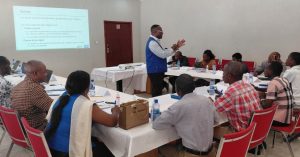
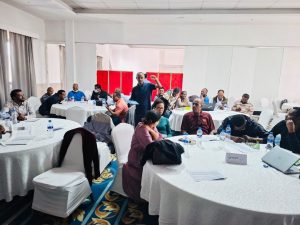
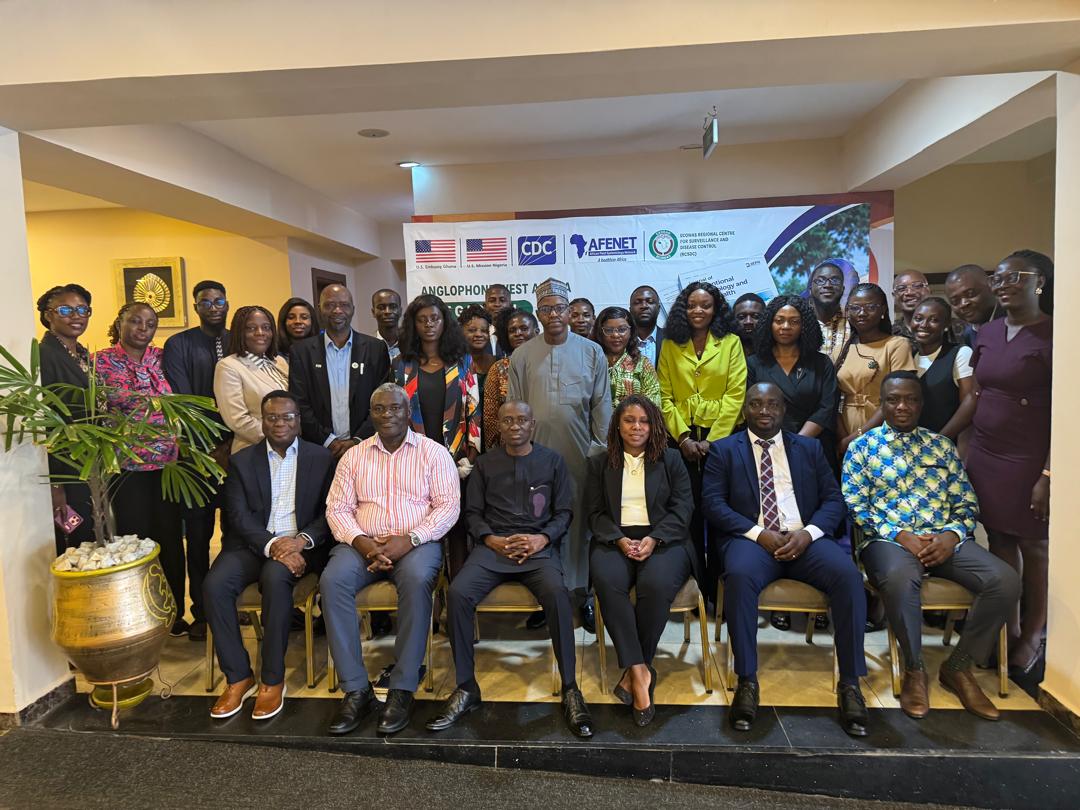
The Regional Scientific Manuscript Writing Workshop for the Anglophone West African block officially commenced in Accra, Ghana. Organized by AFENET in collaboration with the ECOWAS Regional Centre for Surveillance and Disease Control (RCSDC) and the US CDC, the workshop which will take place from June1-5, 2026, brings together 22 Field Epidemiology Training Program (FETP) residents, graduates, and mentors from Ghana, Liberia, Nigeria, Sierra Leone, and The Gambia.
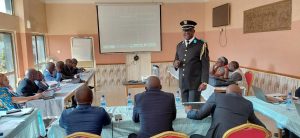
The openeing ceremony was graced by high-level leadership, including the Dr. Franklin Asiedu-Bekoe-Director of Public Health for the Ghana Health Service, the Prof. Emmanuel Asampong- reperasentative of the Dean of the University of Ghana School of Public Health, Dr. Danielle Berradas-the US CDC Country Director, and Dr. Kerton Victory-the CDC Regional Advisor for Workforce Development for West Africa.
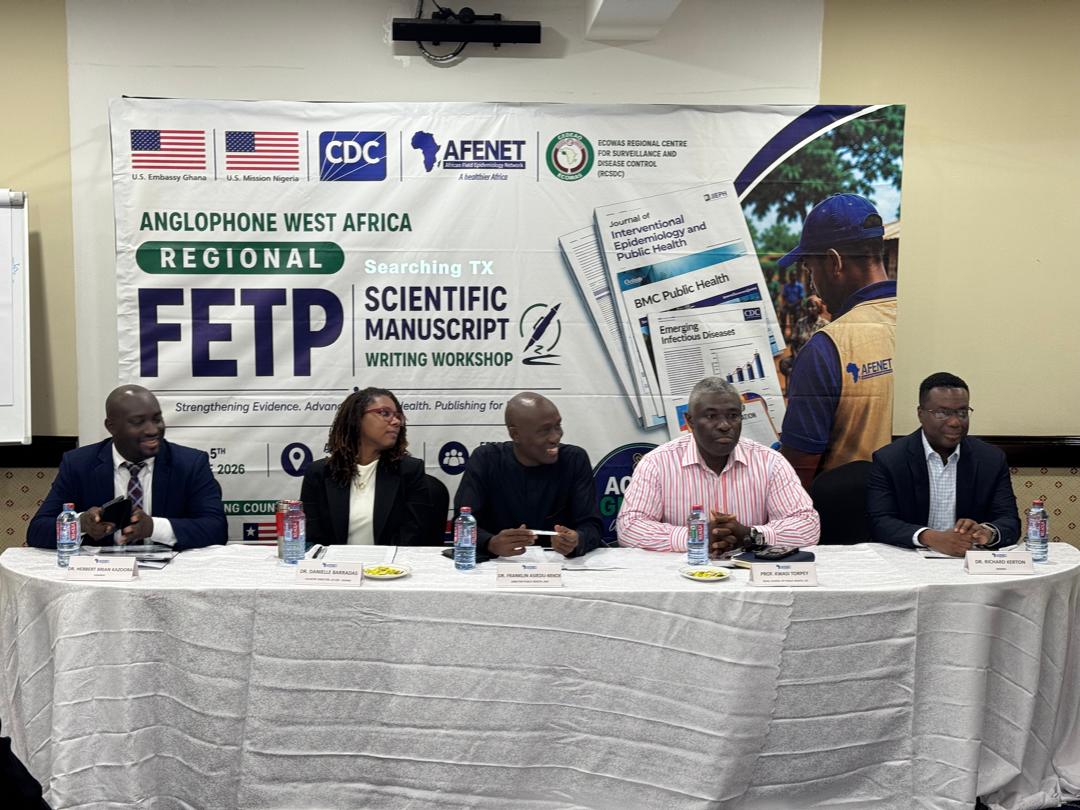 In his opening remarks, the Director of Public Health emphasized the critical need to bridge the publication gap, noting that while the region has trained a number of health workers at Frontline, Intermediate and Advanced levels of FETP, much of their high-quality field work remains unpublished. He reminded participants that in the world of public health, data not shared is data that does not exist.
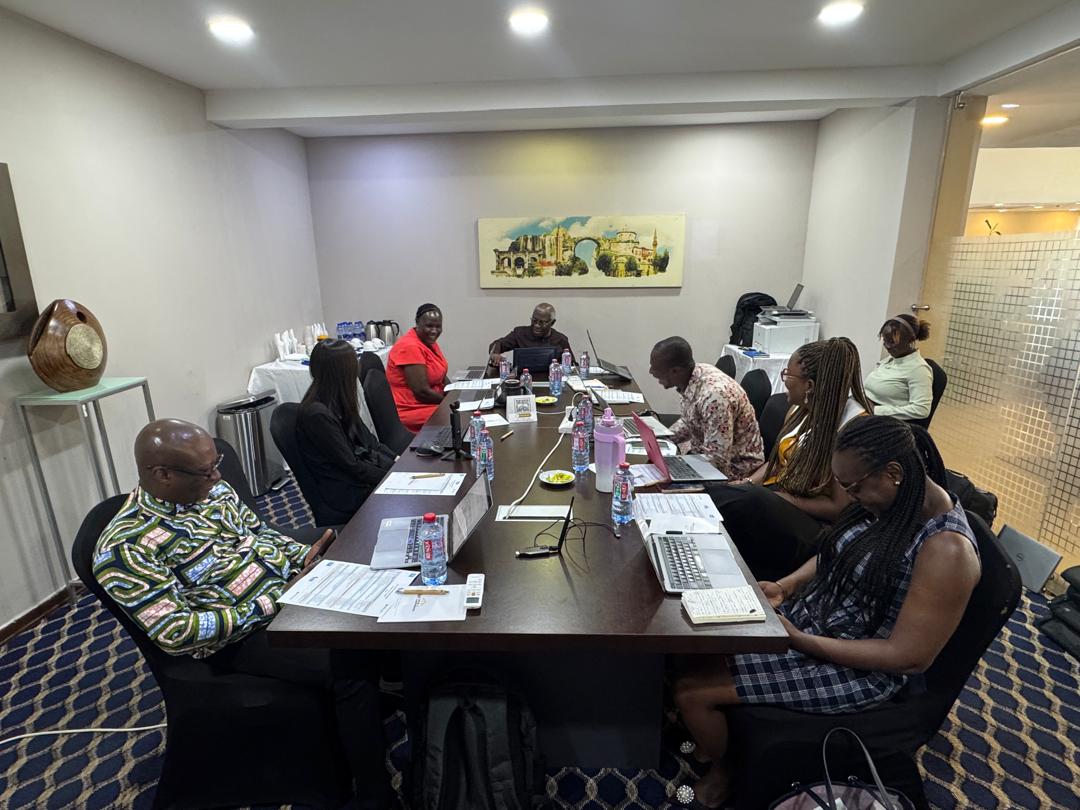
The Dean of the University of Ghana School of Public Health echoed these sentiments, describing the workshop as a hands-on laboratory where data is transformed into evidence-based policy. The workshop is designed around an intensive, five-day mentorship model. Each participant has arrived with a ready draft manuscript and dataset, which they will refine alongside experienced mentors and facilitators to meet the standards of reputable journals. The manuscripts from the workshop will be published as a supplement in the AFENET Journal of Interventional Epidemiology and Public Health (JIEPH).
Dr. Danielle Barradas, in her remarks mentioned that by publishing, we contribute to global knowledge, create opportunities for collaboration, attract investments in health programs, and strengthen the visibility of Africa’s scientific and technical expertise on the global stage. She encouraged the particpants to view publication not as an academic exercise, but as a public health intervention. She added that a well-written manuscript can influence policy, improve practice, strengthen programs, and ultimately save lives.
On his part, Dr. Herbert Kazoora-Senior Epidemiologist and FETP Lead at AFENET mentioned that promoting research, innovation, publication, and networking across member FELTPs is a strategic priority for AFENET and for the West Africa region. He added that AFENET established the Journal of Interventional Epidemiology and Public Health (JIEPH) as a platform for residents, graduates, and faculty to publish their work and contribute to the evidence base for public health action. He congratulated all participants on their selection to take part in this regional initiative and encouraged them to make the most of this week by advancing your manuscripts, strengthening your writing competencies, and preparing to support future capacity building efforts in scientific publication.
Beyond the immediate submissions, the workshop’s specific objective is to build a sustainable pool of regional field epidemiologists equipped with the technical skills to mentor future generations in scientific writing.
This workshop represents a significant step in ensuring that West African field epidemiology findings are disseminated widely to the global public health fraternity, ultimately strengthening regional health security.