Sierra Leone Launches Its First In-Country Advanced Field Epidemiology Training Program
-
by
AFENET
A defining milestone in building national public health leadership and health security
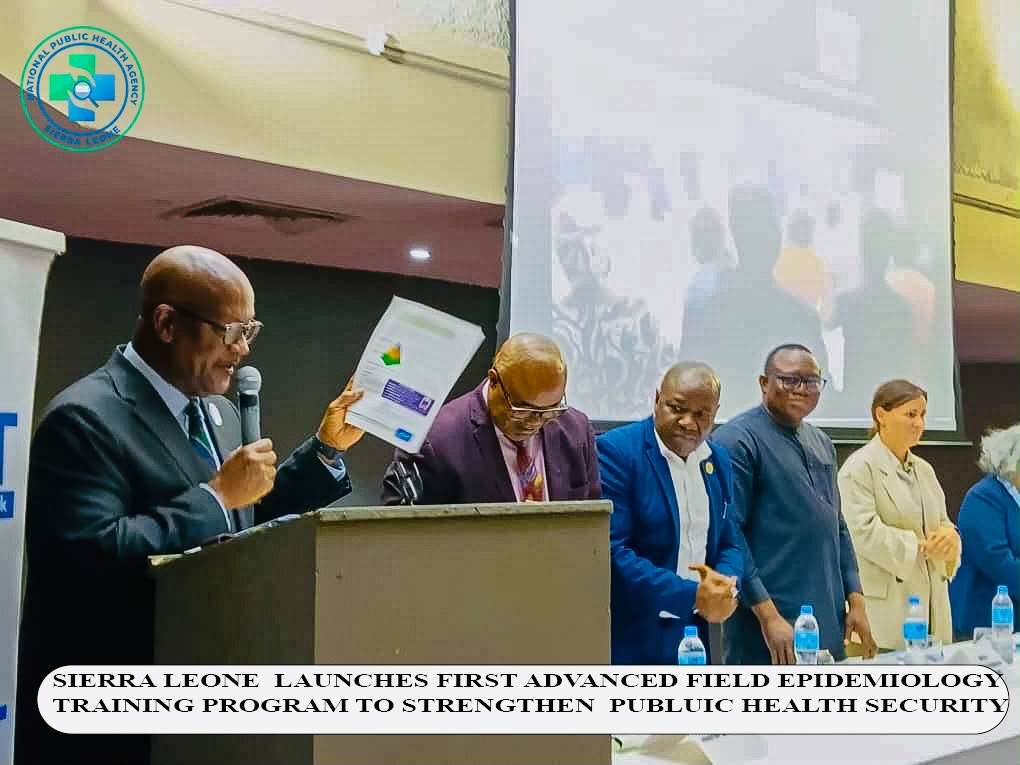
Sierra Leone has opened a new chapter in public health leadership with the launch of its first in-country Advanced Field Epidemiology Training Program (Advanced FETP).
Officially launched on 30 July 2026 in Freetown, the programme enables Sierra Leone to train senior field epidemiologists locally for the first time. It completes the country’s national FETP pathway and represents a major investment in the people and institutions responsible for detecting, investigating and responding to public health threats.
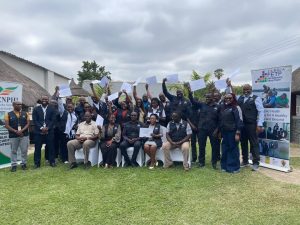
The two-year, competency-based programme leads to a Master of Philosophy (M.Phil.) in Field Epidemiology from the College of Medicine and Allied Health Sciences (COMAHS), University of Sierra Leone. Its inaugural cohort comprises 15 residents selected from more than 100 applicants.
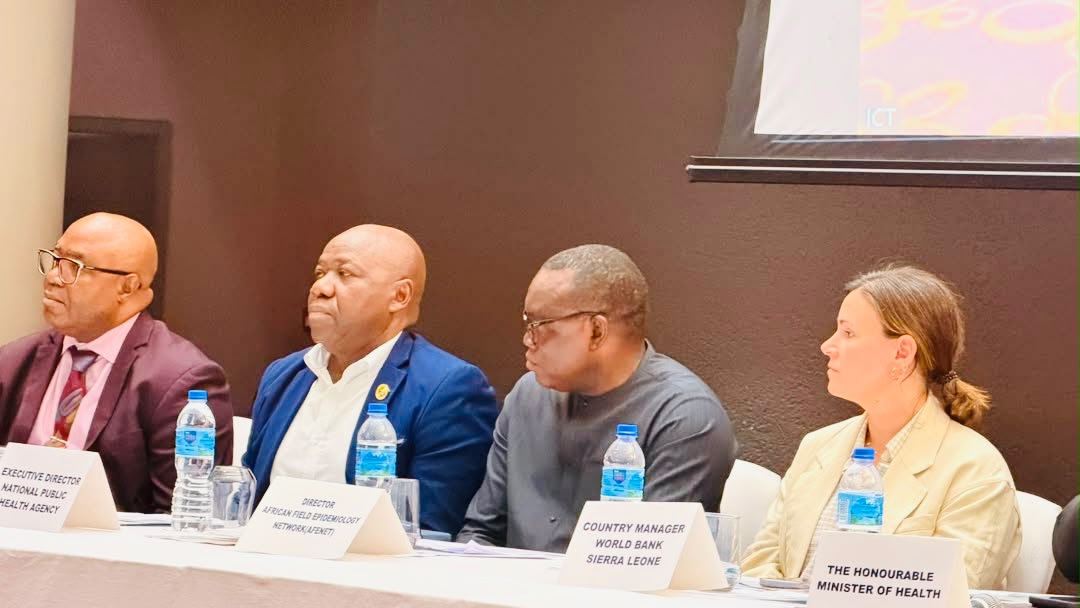
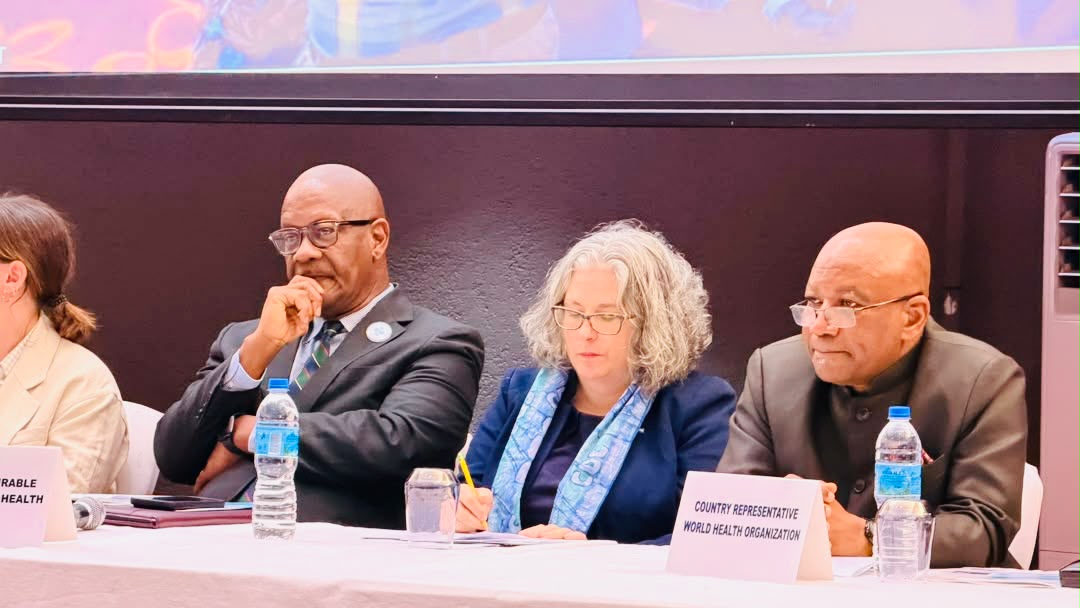
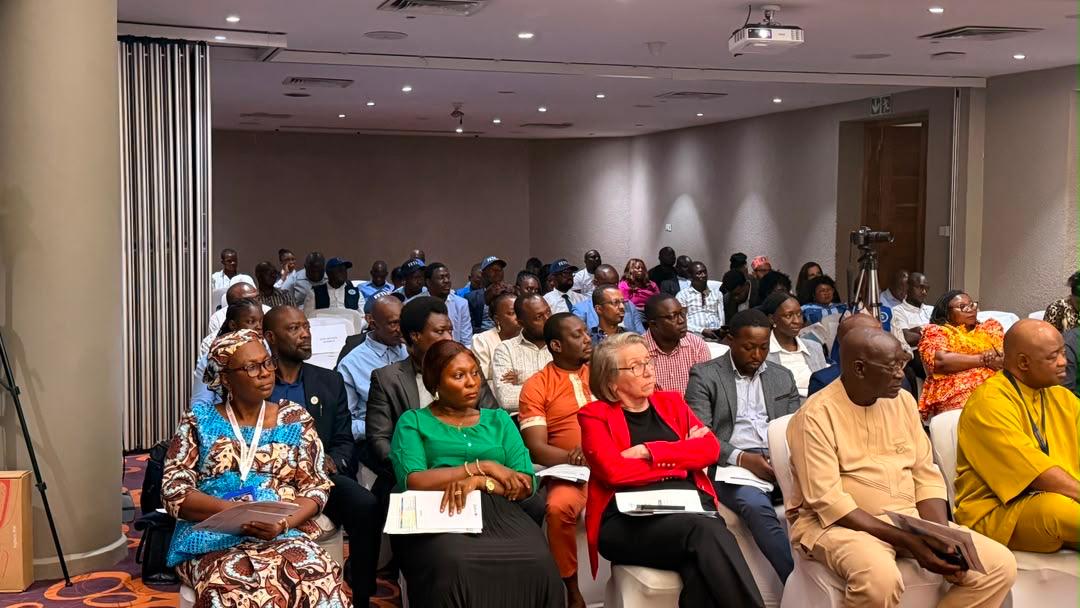
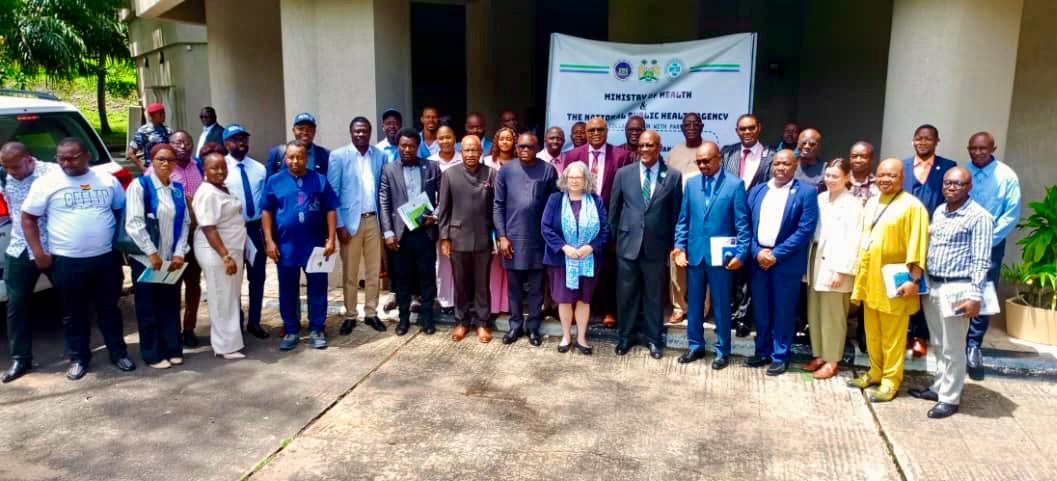
The national launch brought together representatives from the Government of Sierra Leone, the National Public Health Agency (NPHA), the Ministry of Health, COMAHS, the University of Sierra Leone, AFENET, the U.S. Centers for Disease Control and Prevention (U.S. CDC), WHO, the World Bank, the Pandemic Fund and other partners.
Completing Sierra Leone’s FETP Pathway
The launch builds on 12 years of deliberate investment in Sierra Leone’s public health workforce. Since the introduction of FETP Frontline in 2016 and FETP Intermediate in 2017, the country has trained 447 Frontline and 118 Intermediate field epidemiologists across the human, animal and environmental health sectors.
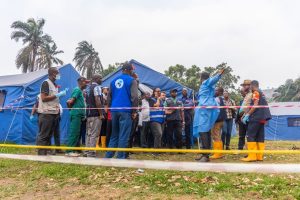
These professionals are now serving across all 16 districts and have supported national responses to COVID-19, mpox, Lassa fever, measles and other public health threats. Sierra Leone’s Intermediate FETP was accredited by TEPHINET in 2022, providing independent recognition of the programme’s quality.
The Advanced FETP completes the country’s training pyramid by preparing senior professionals to design and evaluate surveillance systems, lead complex outbreak investigations, manage emergency responses, conduct operational research and translate evidence into policy and action.
Presenting the programme’s journey and vision, Brig. Gen. Prof. Foday Sahr, Executive Director of the National Public Health Agency, described the launch as the culmination of years of workforce development.
“Frontline at home. Intermediate at home. Advanced abroad. From today, all three at home.”
Investing in People to Protect Communities
Officially launching the programme, Dr. Austin H. Demby, Minister of Health, reaffirmed the Government of Sierra Leone’s commitment to developing a highly skilled public health workforce capable of protecting every community.
“This launch is more than the start of an academic programme; it is an investment in Sierra Leone’s ability to detect threats earlier, respond faster and protect every community with evidence-led public health action.”
Dr. Simon Antara, Director of AFENET, emphasized that laboratories, technology and innovation can only protect populations when they are supported by skilled professionals who can interpret information and act on it.
“Laboratories, technology, digital innovation and artificial intelligence are essential, but without a skilled public health workforce, they cannot protect populations.”
He noted that the programme is designed to develop national leadership while strengthening the institutions and systems within which field epidemiologists work.
“The goal is not simply to train epidemiologists, but to build stronger systems, stronger institutions and stronger national leadership in public health.”
Dr. Antara commended Sierra Leone for moving from dependence on external advanced training opportunities to establishing a nationally owned programme.
“Sierra Leone has moved from relying on external advanced training opportunities to establishing a nationally owned programme that can develop leaders where they are needed most—in the surveillance system, in districts and at the front line of emergencies. AFENET is honoured to have accompanied this journey and remains committed to its quality and sustainability.”
Learning Through Service
The Advanced FETP follows the globally recognized learning-through-service model. At least 75 percent of the programme will be delivered through supervised field placements, with no more than 25 percent taking place in the classroom.
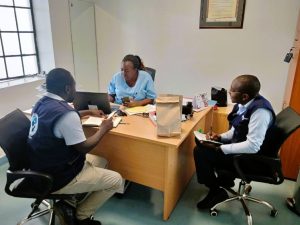
Residents will work within surveillance systems, emergency operations and public health programmes at national, district and regional levels. To graduate, each resident must complete practical outputs that respond to real public health priorities, including:
- An outbreak investigation and response
- A surveillance data analysis
- A surveillance system evaluation
- A planned epidemiological study
- A quality-improvement or economic analysis
- A manuscript submitted for publication
- A conference abstract and oral presentation
- Teaching and mentorship of trainees at lower FETP tiers
Addressing the inaugural residents, Dr. Sartie Kenneh, Chief Medical Officer of Sierra Leone, encouraged them to apply their knowledge where it is needed most.
“Public health is learned in the field. The data that drive solutions come from communities, not from classrooms alone.”
By combining academic training with practical service, the programme will generate immediate benefits for Sierra Leone’s surveillance and emergency-response systems while developing the next generation of public health leaders.
National Ownership Supported by Strong Partnerships
The Advanced FETP is anchored within Sierra Leone’s national institutions. The Ministry of Health and NPHA provide government leadership, the field platform and resident placements, while COMAHS serves as the academic home and awards the M.Phil. qualification.
AFENET provides day-to-day technical implementation, operational and fiduciary management. U.S. CDC contributes technical expertise, specialist support and international benchmarking. WHO and the Pandemic Fund through the World Bank provide financial and technical support.
Dr. Monique Foster, U.S. CDC Country Director for Sierra Leone, and Dr. Gebrekrstos Gebru, FETP Resident Advisor, were among the technical leaders recognized for their contributions to translating the programme from an idea into a nationally owned training platform.
This partnership model embeds the programme within national systems, positioning it to grow beyond the first cohort and remain sustainable beyond individual funding cycles.
From Resilience to Readiness
The launch carries particular significance for a country whose public health systems have been tested by Ebola, COVID-19, mpox and recurrent outbreaks of priority diseases. These emergencies have demonstrated that effective preparedness depends on professionals who can detect unusual events, interpret data, coordinate multidisciplinary investigations and make timely decisions.
By establishing advanced training at home, Sierra Leone will reduce dependence on overseas placements, retain more expertise within national institutions and create a sustainable mentorship pipeline across all FETP tiers.
The programme’s One Health approach also brings together professionals from the human, animal and environmental health sectors, recognizing that public health threats do not respect institutional or geographical boundaries.
By 2028, Sierra Leone expects the first 15 residents to have earned their M.Phil. qualifications, led outbreak investigations, evaluated surveillance systems and produced research for publication and presentation. The country’s longer-term ambition is to secure Advanced FETP accreditation, establish sustainable national financing and become a regional centre where public health professionals from across Africa can train and learn.
The launch of Sierra Leone’s first in-country Advanced FETP is therefore more than the beginning of a degree programme. It marks the establishment of a nationally owned pathway for developing the senior epidemiologists who will lead surveillance, guide emergency response and protect communities for generations to come.
AFENET is proud to continue working with the Government of Sierra Leone, NPHA, the Ministry of Health, COMAHS, the University of Sierra Leone, U.S. CDC, WHO, the World Bank, the Pandemic Fund and other partners to advance field epidemiology capacity and health security in Sierra Leone and across Africa.