
Facility records review during the 2026 Ebola response active case search in Kampala: Lessons for surveillance
-
by
AFENET
The ongoing Ebola outbreak response in Uganda has reinforced an important but often overlooked lesson in public health emergencies, that outbreak control depends not only on the strength of surveillance systems and the capacity of response teams, but equally on the quality and accessibility of routine patient documentation.
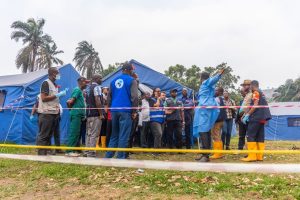
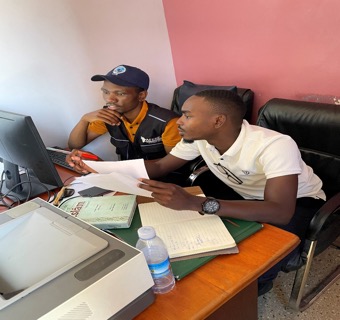
As part of active case search activities coordinated through health facilities in the Kampala Metropolitan Area, response teams have undertaken systematic reviews of patient records to identify missed cases, establish epidemiological links, and facilitate follow-up of individuals meeting Ebola Virus Disease case definitions. In the process, a recurring challenge has emerged across multiple facilities: many records are missing critical patient information at the point of investigation.
In facilities relying on paper-based systems, locating a specific patient record often requires manually reviewing large volumes of registers across multiple wards and entry points. Key details telephone contacts, residential addresses, referral histories, and clinical notes are frequently absent, illegible, or inconsistently recorded. During routine service delivery, these gaps may appear manageable. During an Ebola outbreak however, they become major operational obstacles.
When the surveillance teams identify a patient of interest, rapid follow-up is essential. There may need to determine where the patient lives, whether they can be contacted, what symptoms they presented with, who managed their care, and whether they were referred elsewhere. Missing telephone numbers, incomplete addresses, undocumented clinical histories, or absent referral information can significantly delay these efforts.
These delays carry direct consequences for outbreak control. The longer it takes to identify and locate a suspected case, the longer potential chains of transmission may remain undetected. Delays in retrieving patient information slow case investigations, hinder contact tracing, and postpone the testing or isolation of suspected cases. For a disease such as Ebola, where timely action is critical to interrupt transmission, every delay matters and the quality of documentation can influence the effectiveness of the entire response.
On the other hand, facilities using digital health information systems have generally demonstrated advantages during active case search. Electronic records have been searched more quickly, patient histories retrieved within minutes, and information has been accessed without physically sorting through stacks of registers. However, digitalization alone has not been a complete solution. Active case search teams have also encountered electronic records with missing contact information, incomplete clinical documentation, and inconsistently captured variables. But this is not an isolated phenomenon specific to the Ebola response. Missing contact details, incomplete clinical notes, and inconsistently captured variables often remain common challenges even within digital platforms. Yet it is clear that a digital system is only as effective as the quality of the data entered into it. A record that is easy to access but lacks essential information is no more useful for outbreak investigation than an incomplete paper entry. This is the glaring reality being observed and revealed within the current active case search activity.
Lessons for outbreak preparedness
The Bundibugyo EVD response offers important lessons that extend beyond the current emergency. Three areas merit particular attention in future preparedness planning:
- Health facilities should prioritize the complete and consistent capture of core patient identifiers such as names, telephone contacts, residential addresses, and next-of-kin information. These variables become indispensable during outbreak investigations and cannot be retrospectively obtained once a patient has left the facility.
- Documentation should be understood as a public health function, not merely an administrative requirement. The information recorded during routine clinical care may later become the evidence needed to halt an outbreak. Framing documentation in these terms changes both the priority assigned to it and the accountability expected of those responsible for it.
Fortunately, no new case has been registered within the last 7 days following confirmation of the 19th case, largely attributed to Uganda’s strong surveillance and response systems. However, the ongoing Ebola response serves as a reminder that effective surveillance depends not only on the people conducting investigations but also on the quality of the records that they rely upon. In such an outbreak, every missing detail can mean lost time, and lost time can mean missed opportunities to stop transmission