STOP 56 Training Opens in Tanzania, Bringing Public Health Professionals Together to Strengthen the Fight Against Polio and Other Vaccine-Preventable Diseases
-
by
AFENET
10 August 2026 | Tanzania
The global effort to end polio and protect communities from polio and other vaccine-preventable diseases (VPDs) gained renewed momentum today as 82 public health professionals from 22 countries came together in Tanzania for the Stop Transmission of Polio (STOP) 56 training.
The participants are being prepared for deployment alongside Ministries of Health and global health partners to strengthen immunization, VPD surveillance, social and behaviour change, and outbreak preparedness and response in countries where the need is greatest.
The training is coordinated through a partnership between the U.S. Centers for Disease Control and Prevention (CDC), UNICEF and the African Field Epidemiology Network (AFENET).
For more than 27 years, the STOP Program has contributed to global public health efforts and the Global Polio Eradication Initiative (GPEI) to eradicate polio and eliminate measles, while strengthening national capacity for immunization, VPD surveillance and outbreak response.
The STOP 56th cohort brings together 45 field epidemiologists, 15 data managers and 22 social and behaviour change (SBC) specialists. Their diverse expertise reflects the multidisciplinary skills needed to identify and address the operational, epidemiological and community-level barriers that continue to affect immunization and disease eradication efforts.
Bringing problem-solving skills to the field
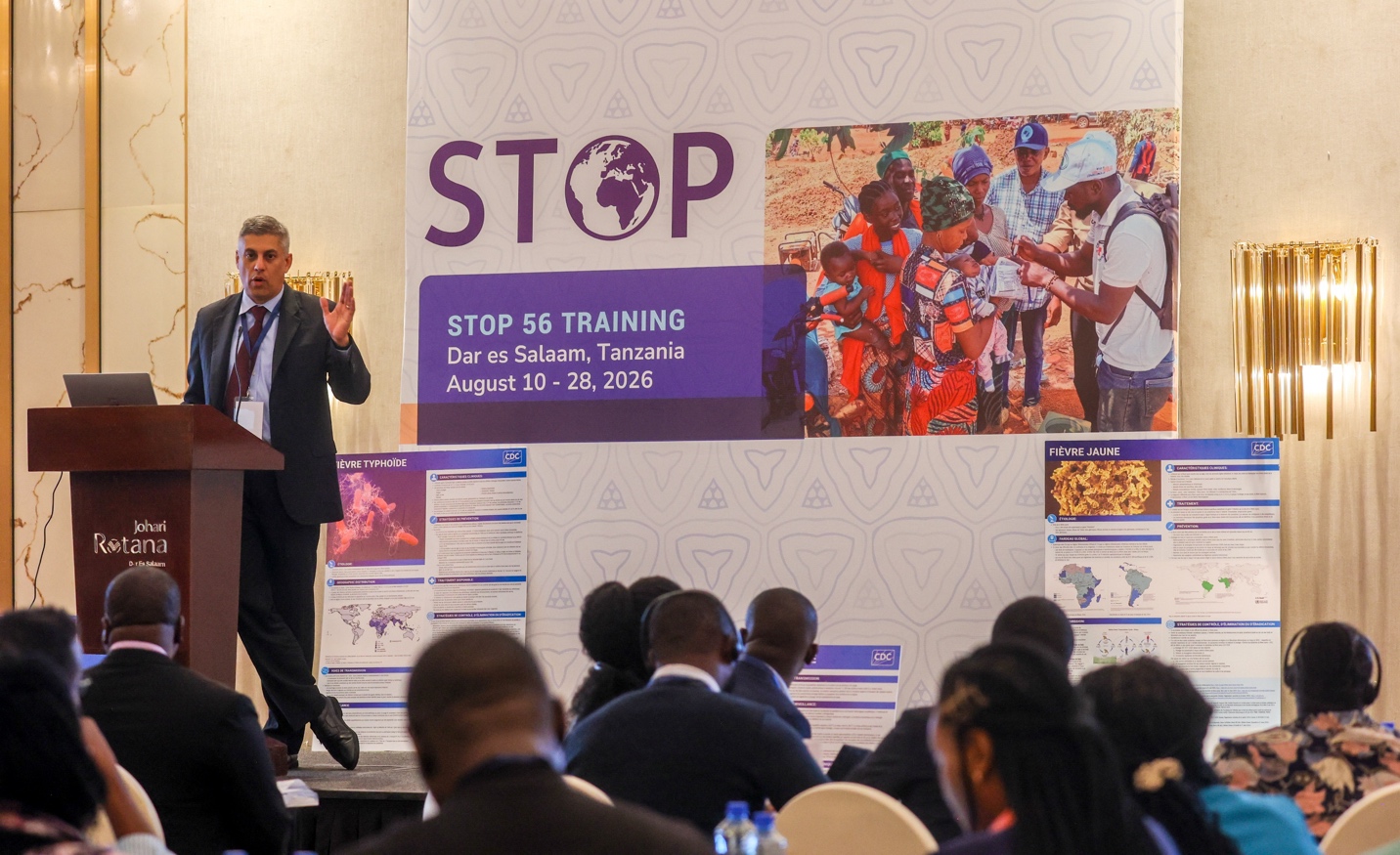
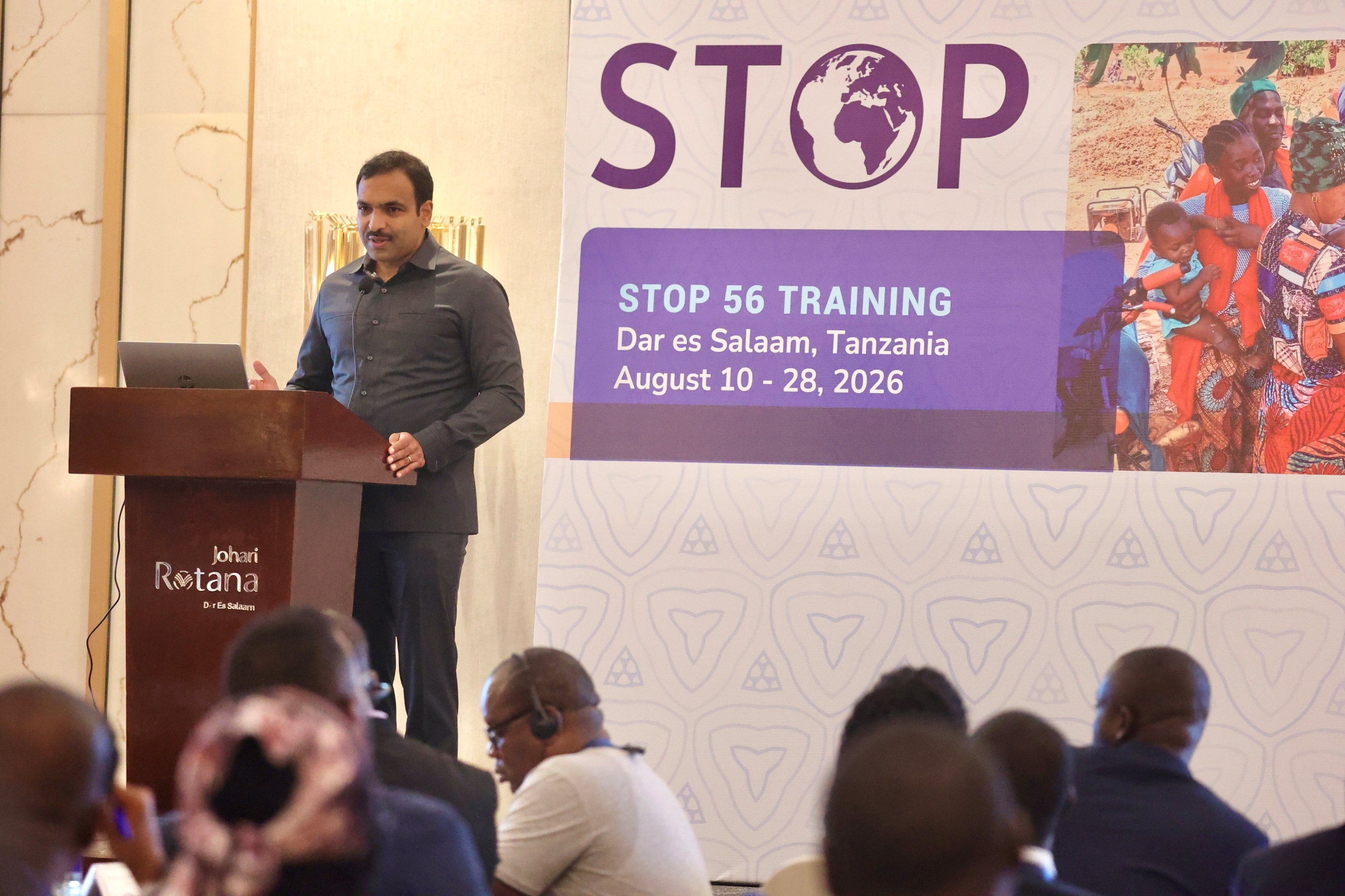
Opening the training, Dr. Samir Sodha, Acting Director of the Global Immunization Division at CDC, challenged participants to see themselves as problem-solvers working at the local level, where public health challenges are experienced most directly. “STOP brings problem-solving skills to the local level,” Dr. Sodha said, emphasizing the importance of equipping participants with the knowledge and skills to identify problems, find solutions and make a difference in communities. STOP consultants will work directly with health systems and communities to address gaps in immunization, surveillance and outbreak response. Their work will contribute to strengthening health systems, protecting communities from VPDs and ultimately saving lives. Dr. Sodha thanked the participants for committing their time, expertise and energy to the program and encouraged them to make the most of the training and the experience they will gain from one another.
A 27-year legacy of strengthening public health
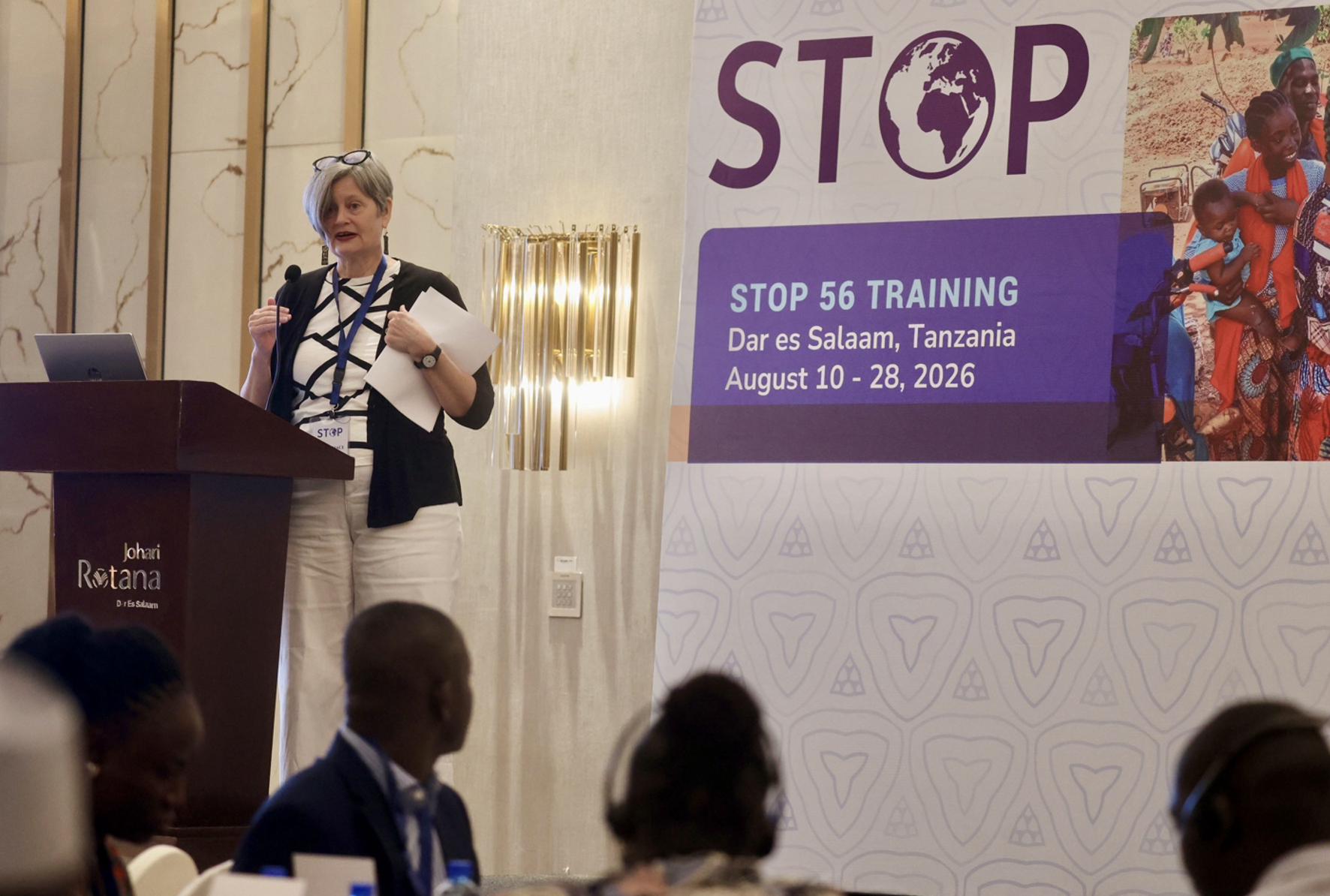
Lesley Chace, STOP Team Lead, welcomed the new cohort and reflected on the program’s contribution to global health over nearly three decades.
“This cohort includes people with valuable experience, skills and knowledge in vaccine-preventable diseases and immunization,” Chace said, emphasizing that every participant has an important contribution to make to the STOP Program, alongside the Ministries of Health and GPEI partners.
The STOP 56 training combines orientation and administrative sessions with technical learning on VPD surveillance, routine immunization, vaccination campaigns, outbreak investigation and response, data management, and social and behaviour change. Participants will also undertake case studies and practical core-skills activities designed to prepare them for the realities of field deployment.
Lesley encouraged participants to actively engage with facilitators and learn from one another, noting that the knowledge and skills gained during the training will be critical as they transition from the classroom into the field.
“You are part of something truly remarkable”
Welcoming participants to Tanzania, Dr. Mahesh Swaminathan, CDC Tanzania Country Director, described the training as an opportunity to develop skills that extend well beyond the STOP Program.
He emphasized that the knowledge, problem-solving abilities and practical skills developed during the training would be applicable not only to polio eradication, but also to broader public health challenges, including the prevention and control of other VPDs.
Dr. Swaminathan also reminded participants of the historic nature of their mission.
“It is not every day that you have the opportunity to be part of an effort to eliminate a disease from the world,” he said, encouraging participants to take pride in their contribution.
While acknowledging that disease eradication is extremely difficult—and that maintaining eradication can be even harder—he underscored that eradication is both possible and necessary.
The successful eradication of smallpox, he noted, demonstrates what the world can achieve when countries and partners sustain a common commitment to eliminating disease.
“For polio, achieving eradication would be another historic milestone. It would change history and change the world,” he said.
AFENET: Supporting STOP consultants from preparation to deployment
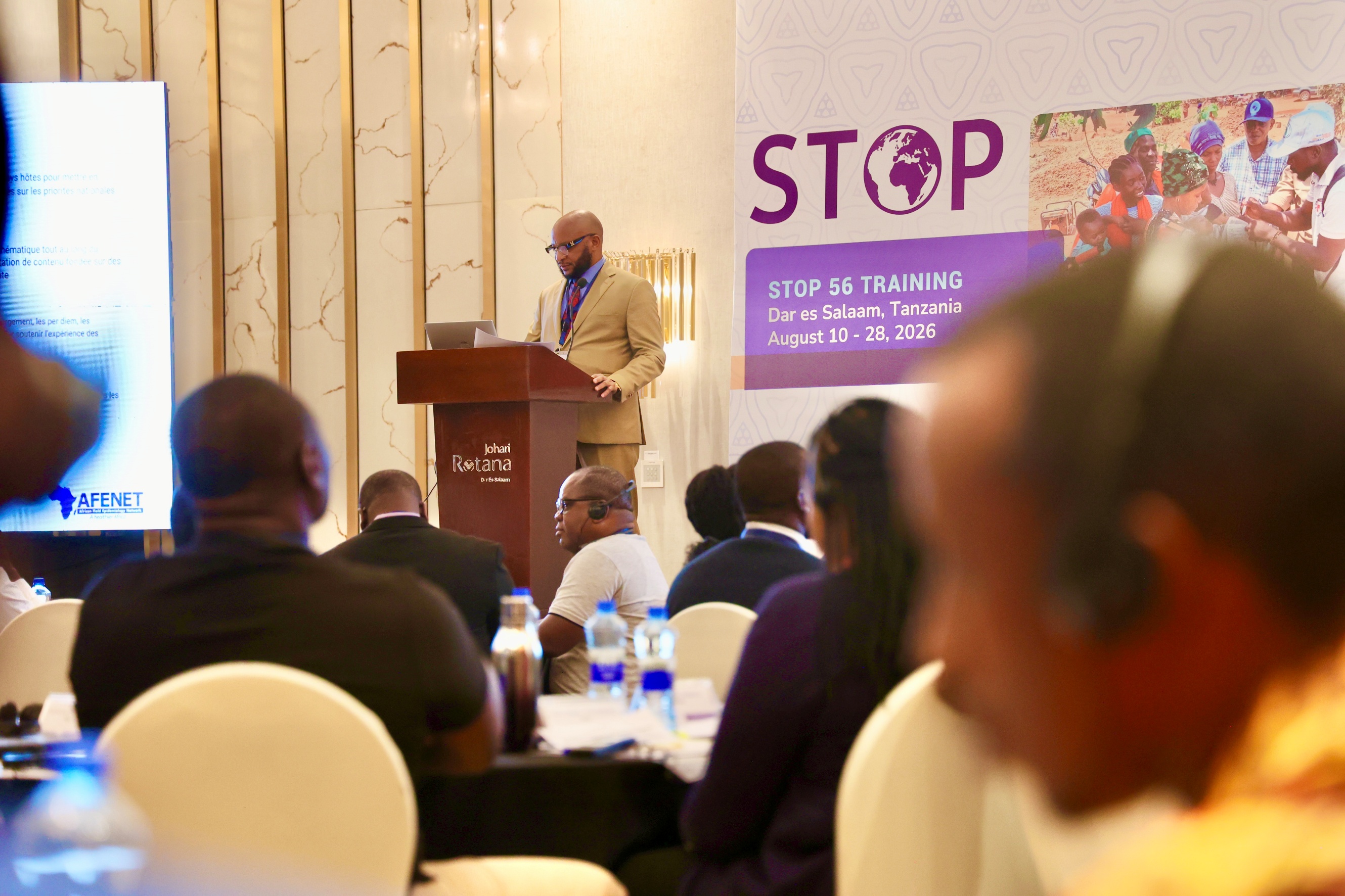
Representing AFENET, Dr. Ditu Kazambu, Head of Programs, highlighted the critical role STOP consultants play in identifying and addressing gaps in immunization coverage and VPD prevention and control.
“The STOP Program plays a critical role in supplementing immunization and broader public health interventions by enabling the targeted deployment of skilled professionals to areas where the need is greatest,” Dr. Kazambu said.
Once deployed, STOP consultants will help countries identify areas of low immunization coverage, understand the operational and community-level barriers contributing to those gaps, and work with Ministries of Health and partners to support appropriate solutions.
Their work will include strengthening surveillance, supporting vaccination activities, identifying missed and under-immunized children, addressing demand-side barriers, supporting outbreak investigations and helping improve the use of data for public health action.
“This mission is closely aligned with AFENET’s mandate to strengthen public health systems and build a skilled and resilient public health workforce across Africa. AFENET’s partnership through STOP builds on its longstanding experience supporting countries in immunization, field epidemiology, disease surveillance, outbreak preparedness and response, and public health workforce development.” He added.
With its extensive network across Africa, field epidemiology expertise and experience supporting immunization and outbreak response programs, AFENET provides an important operational backbone to help ensure STOP consultants are well prepared, safely deployed and effectively supported throughout their assignments.
Welcoming the STOP 56 cohort, Dr. Kazambu said AFENET looks forward to seeing the knowledge and skills gained during the training translated into meaningful action in communities and health systems.
“We have within our grasp the opportunity to deliver on the promise of a polio-free world”
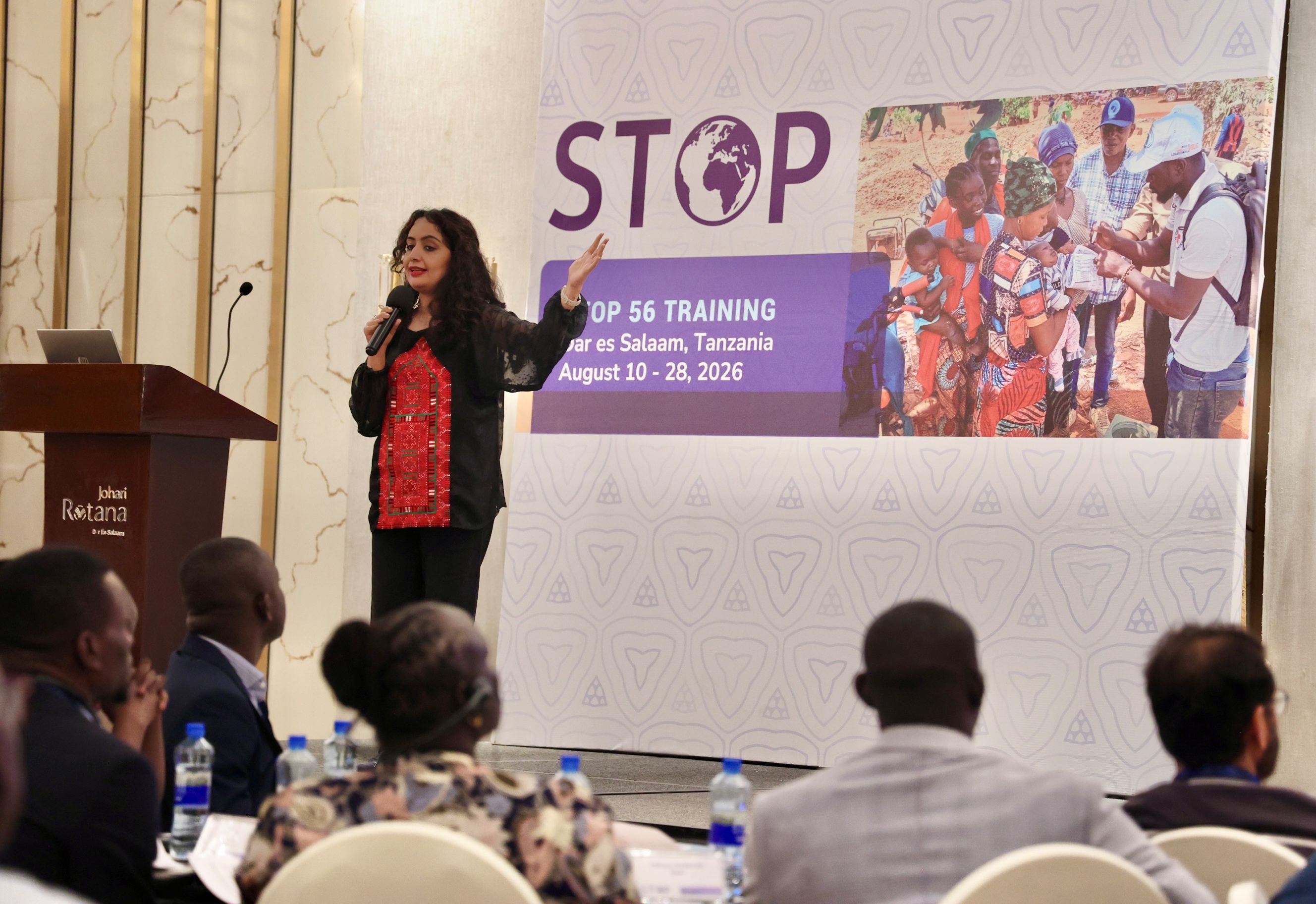
Jawahir Habib of UNICEF emphasized UNICEF’s role in the global effort to eradicate polio, including support for social and behaviour change, vaccine supply and cold-chain systems, outbreak response, resource mobilization and financing.
She noted that the fight against polio requires more than vaccines alone. Reaching every child requires strong health systems, effective community engagement, reliable data, responsive surveillance and the ability to quickly identify and address barriers to vaccination.
Through STOP, partners are bringing together the skills, expertise and commitment required to support countries in these areas and move closer to a polio-free world.
Habib acknowledged that eradication is not a simple mission and requires persistence, collaboration and sustained commitment. But, she stressed, it is achievable.
STOP consultants will contribute by helping countries identify immunization and surveillance gaps, strengthen systems, respond to outbreaks and reach communities where children remain at risk of polio and other vaccine-preventable diseases.
“Together, we have within our grasp the opportunity to deliver on the promise of a polio-free world,” Habib said, welcoming the STOP 56 cohort.
Strengthening the response to polio and vaccine-preventable diseases
The STOP 56 training comes at a critical time for global immunization and polio eradication efforts, as countries and partners continue to work to increase vaccination coverage, strengthen disease surveillance and improve outbreak response.
While polio remains at the centre of the STOP mandate, the skills developed through the program contribute to broader public health efforts to prevent, detect and respond to VPDs and other epidemic-prone diseases.
Priority efforts include strengthening routine immunization and vaccination campaigns, supporting the deployment of novel oral polio vaccine type 2 (nOPV2) where appropriate, enhancing surveillance and laboratory capacity, and deploying rapid response teams to investigate and contain outbreaks.
Against this backdrop, the STOP 56 cohort represents an important addition to the global public health workforce.
The 82 professionals from 22 countries will take their expertise into communities and health systems where they are needed most—helping countries identify immunization gaps, strengthen surveillance, address barriers to vaccination and respond rapidly to disease threats.
For the participants, the journey begins in Tanzania and will extend across the continent.
For the global public health community, STOP 56 represents another investment in the people and systems needed to protect and save lives, strengthen health security and achieve a polio-free world.