TFELTP Residents Showcase Public Health Research at the 33rd NIMR Annual Joint Scientific Conference
-
by
AFENET
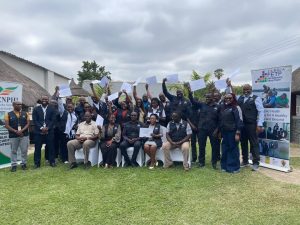
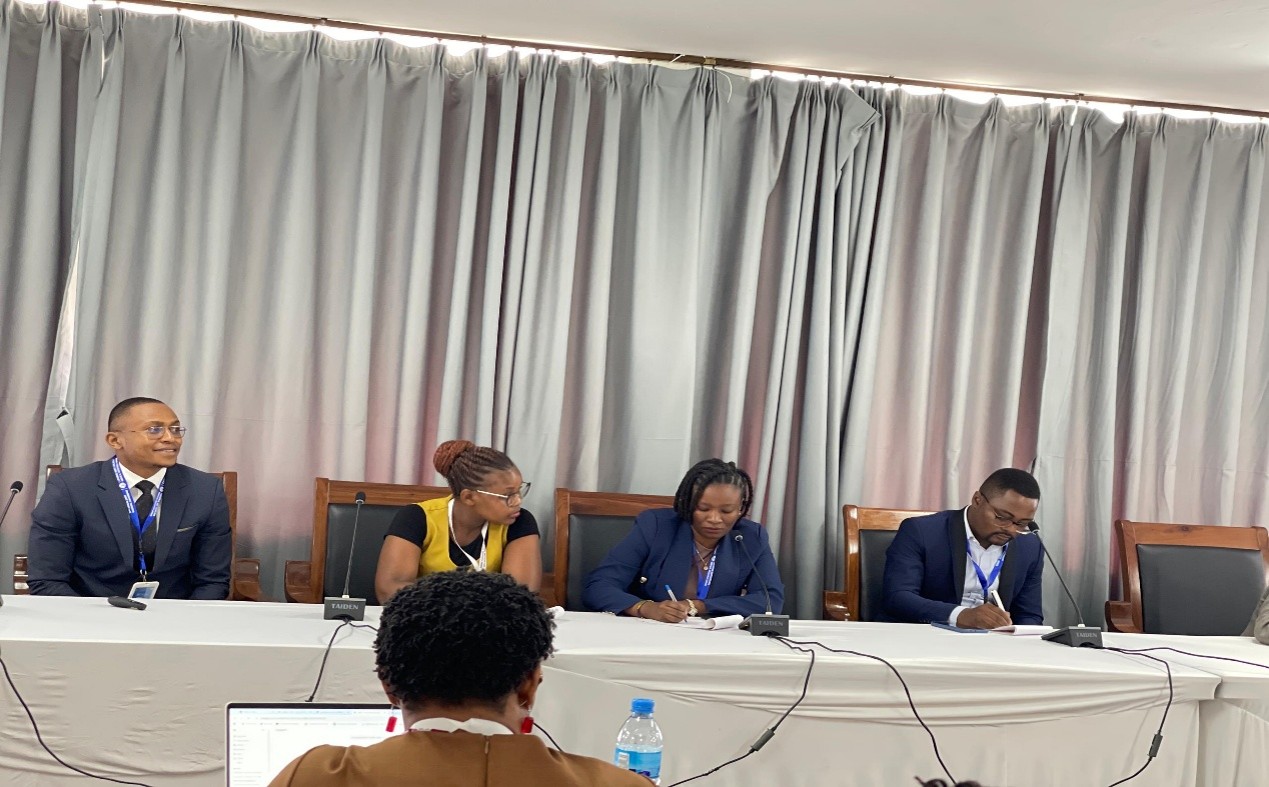
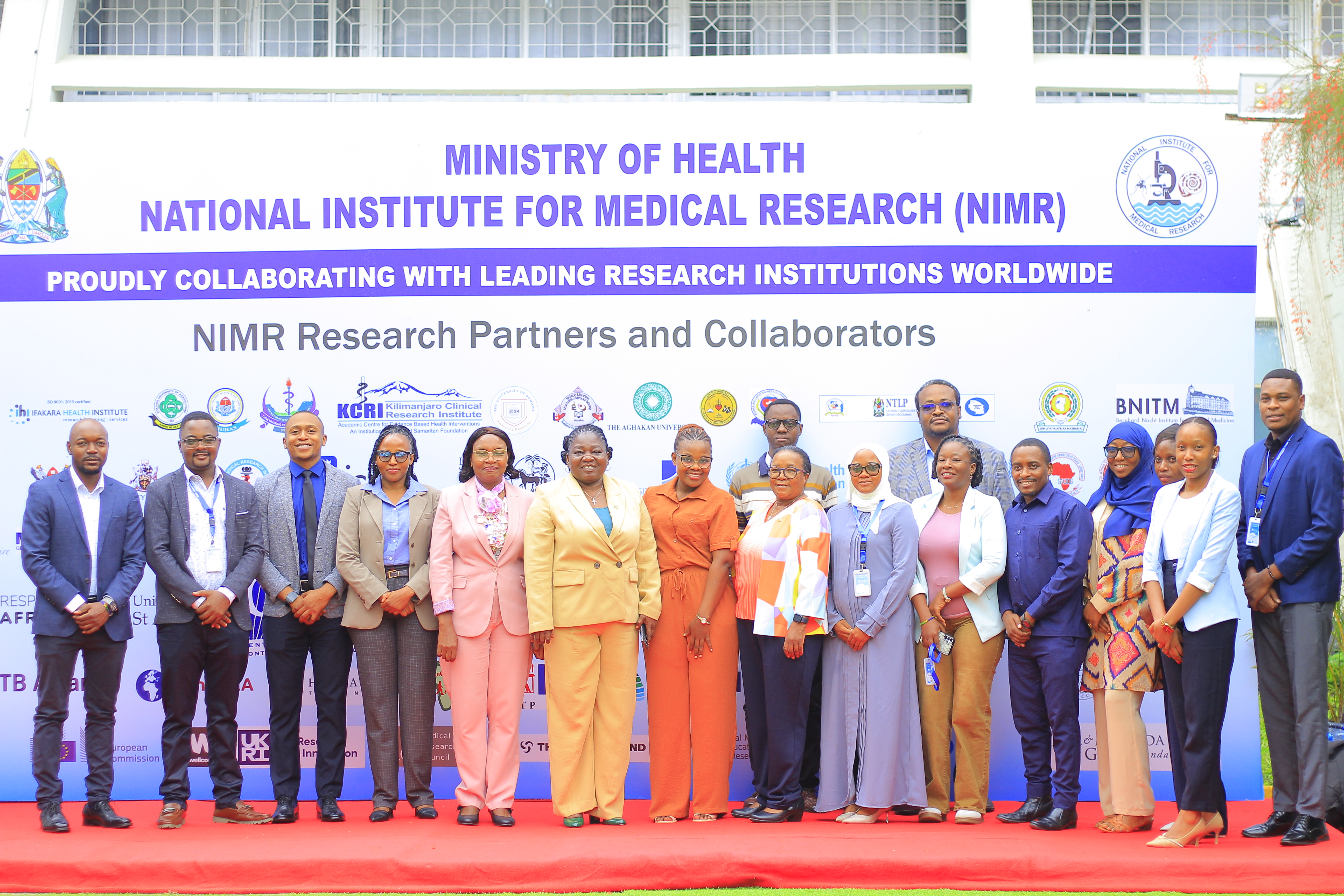
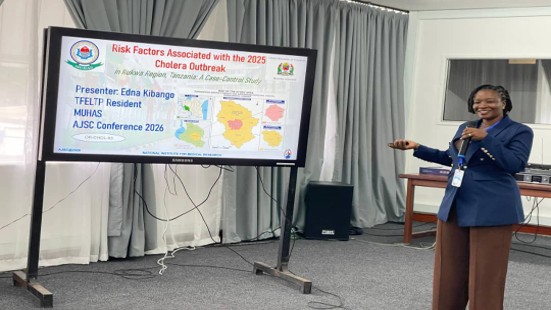
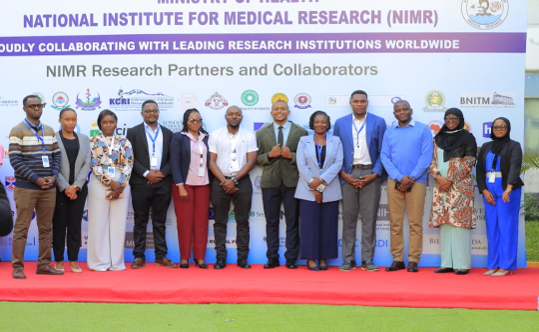
Thirteen residents from Cohort 17 of the Advanced Tier of the Tanzania Field Epidemiology and Laboratory Training Programme (TFELTP) successfully presented their research at the 33rd National Institute for Medical Research (NIMR) Annual Joint Scientific Conference (AJSC), held from 9–11 June 2026 at the Arusha International Conference Centre (AICC) in Arusha. The conference, themed “Universal Health Coverage: Building a Resilient Health System to Achieve Tanzania Development Vision 2050,” brought together researchers, policymakers, health professionals, development partners, and academics to share evidence and innovative solutions to Tanzania’s public health challenges.
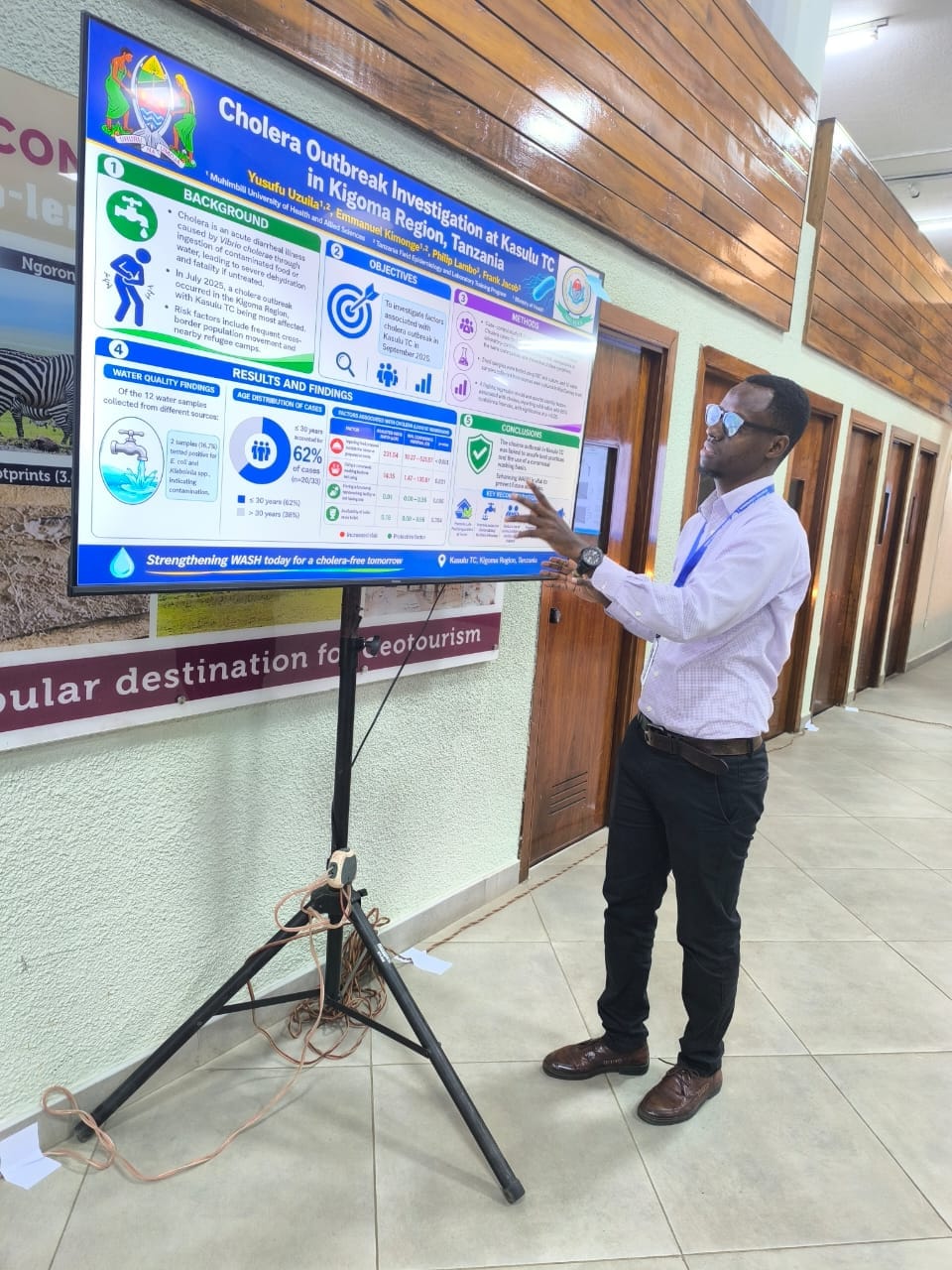
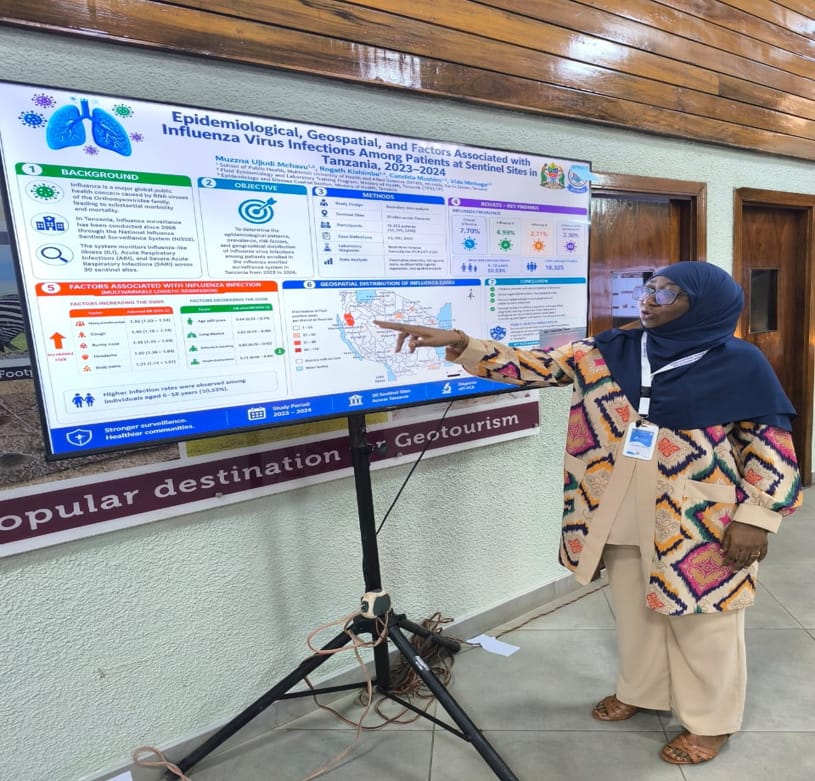
The TFELTP residents delivered both oral and poster presentations covering a wide range of priority public health topics, reflecting the programme’s emphasis on generating evidence to inform policy and practice. Their studies addressed critical issues related to disease surveillance, outbreak response, health systems strengthening, maternal and child health, and other priority health concerns identified through field epidemiology activities.
Participation in the conference provided the residents with an opportunity to disseminate findings from their field investigations, engage with national and international experts, and receive constructive feedback to strengthen their research. The presentations also highlighted the important contribution of TFELTP to building a skilled public health workforce capable of generating high-quality evidence for decision-making and supporting Tanzania’s efforts towards Universal Health Coverage and improved health security.
The successful participation of the 13 residents underscores TFELTP’s continued commitment to developing competent field epidemiologists who not only respond to public health threats but also translate field experiences into scientific evidence that informs policies, strengthens health systems, and improves population health.