Success Story: TFELTP Engagement in Enhanced Ebola Virus Disease (EVD) Surveillance in High-Risk Regions of Tanzania (June 2026)
-
by
AFENET
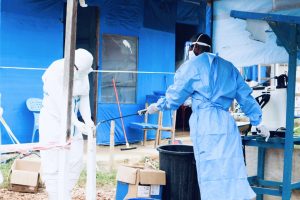
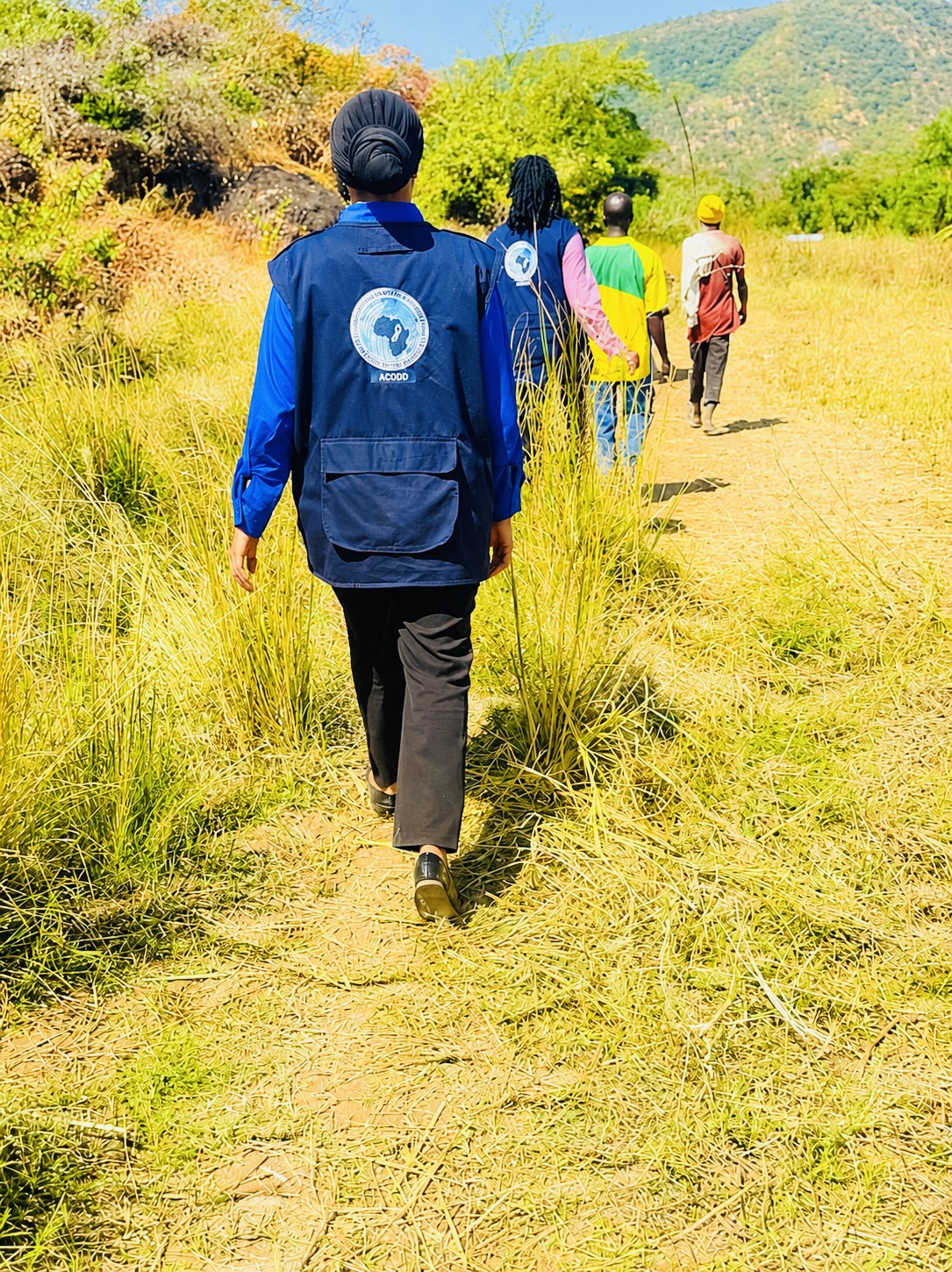
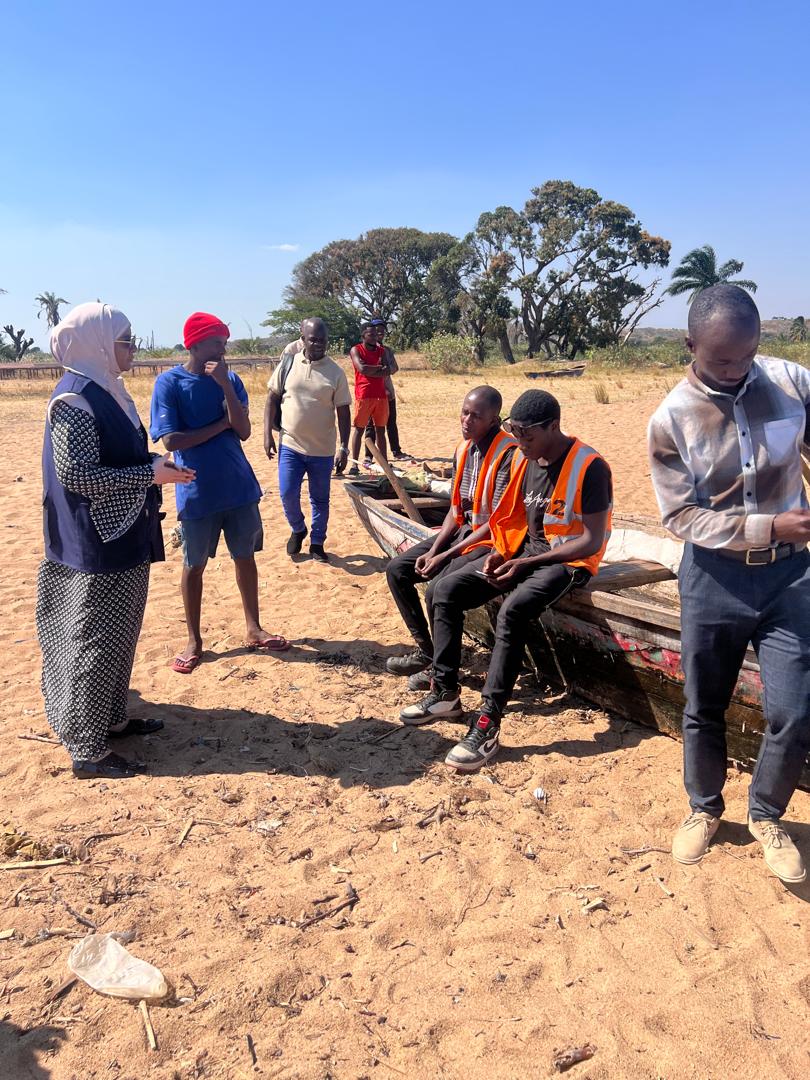
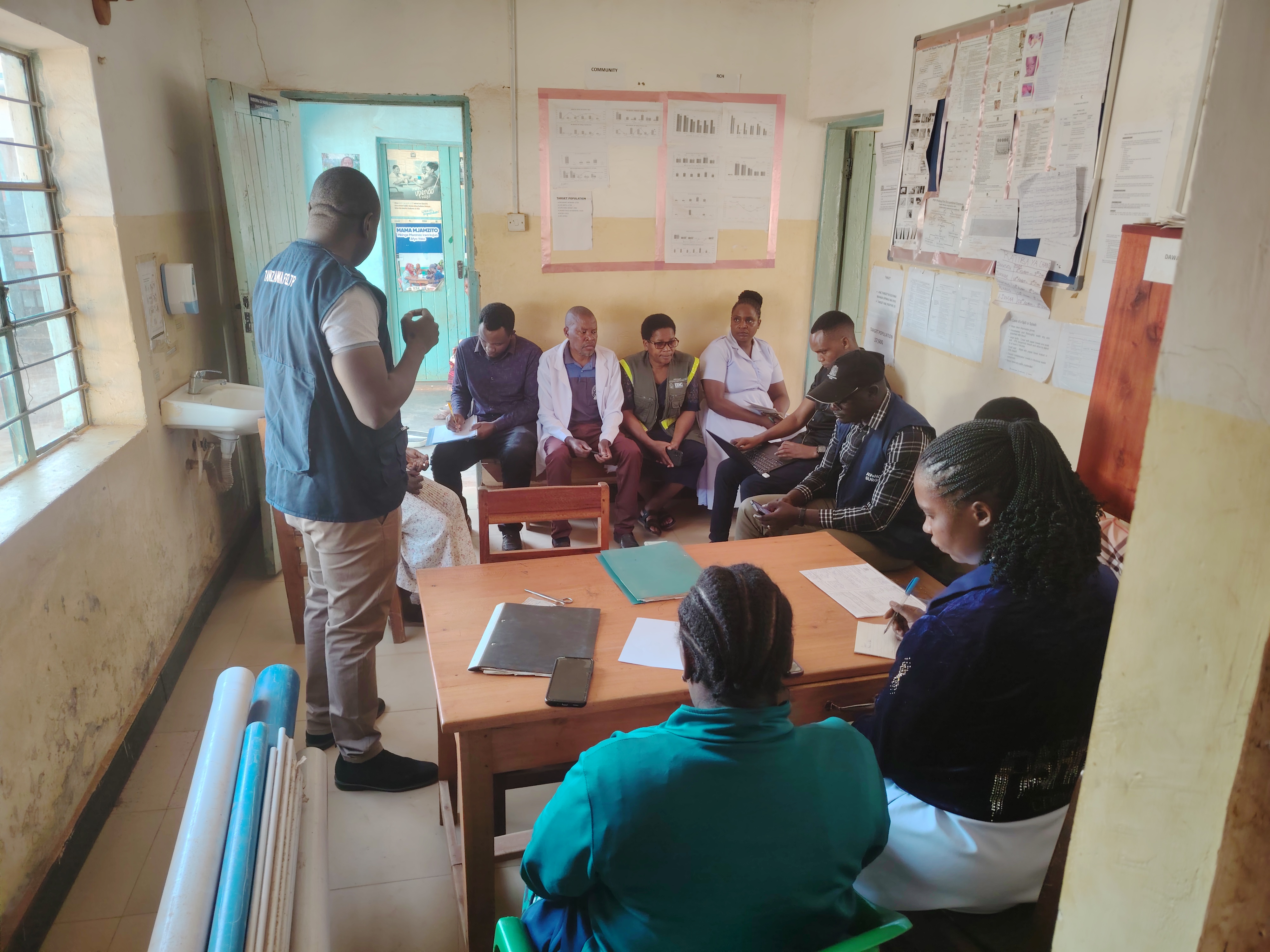
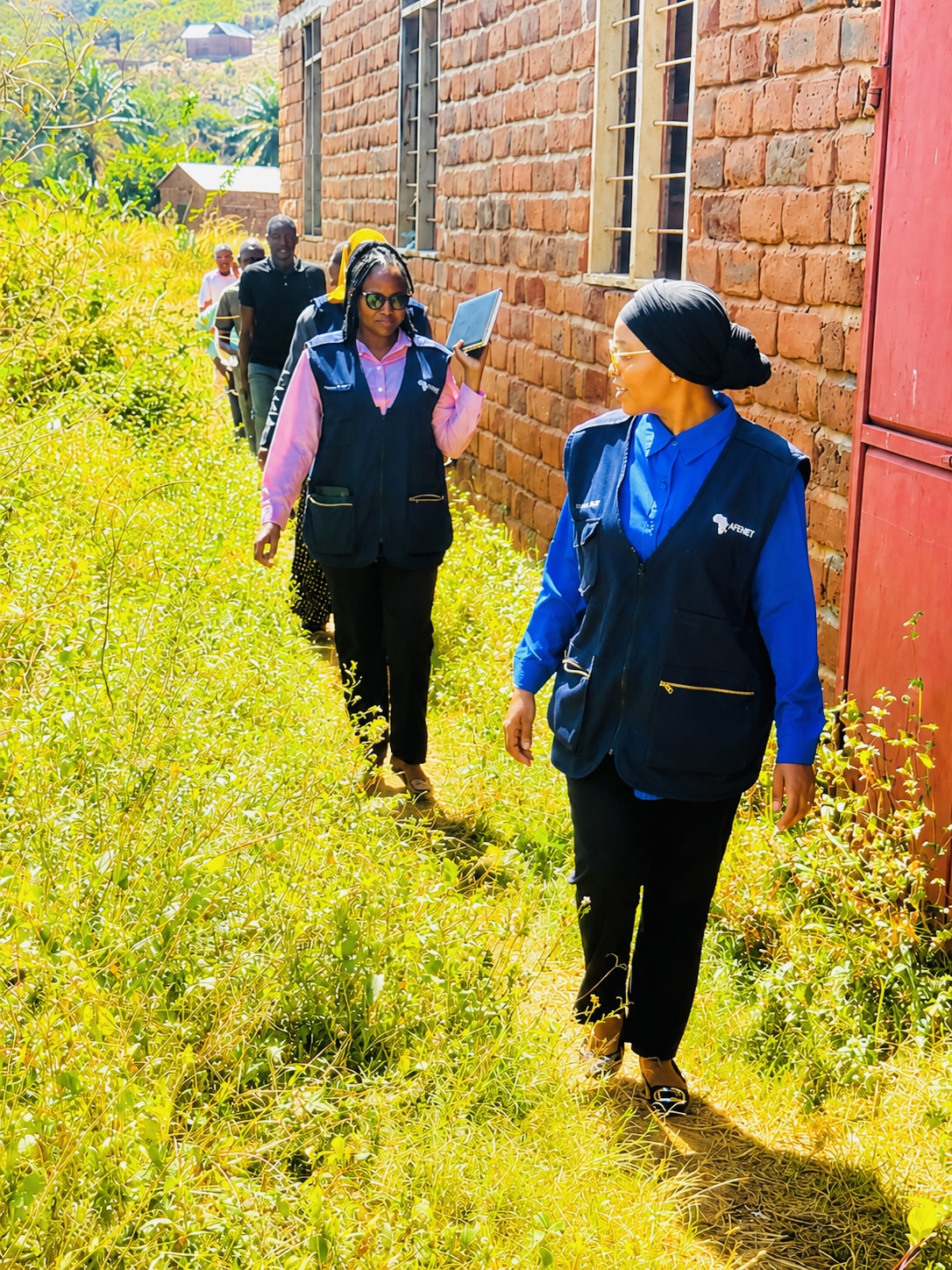
During the past three weeks of June 2026, in response to ongoing Ebola Virus Disease (EVD) outbreaks in the Democratic Republic of the Congo and Uganda, the Tanzania Field Epidemiology and Laboratory Training Program (TFELTP) deployed multidisciplinary teams to strengthen Viral Hemorrhagic Fever (VHF) surveillance and preparedness across eight high-risk regions of Tanzania, including Mwanza, Katavi, Geita, Mbeya, Kigoma, Rukwa, Songwe, and Kagera. The intervention aimed to enhance early detection, reporting, and investigation of suspected EVD cases and deaths through active case search, facility-based mortality review, community mortality surveillance, and capacity building of healthcare workers and surveillance personnel.
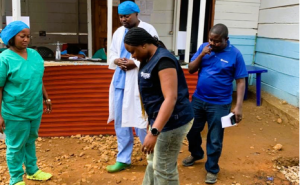
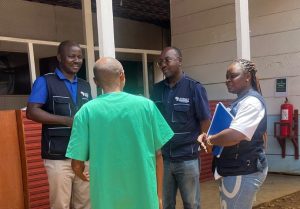
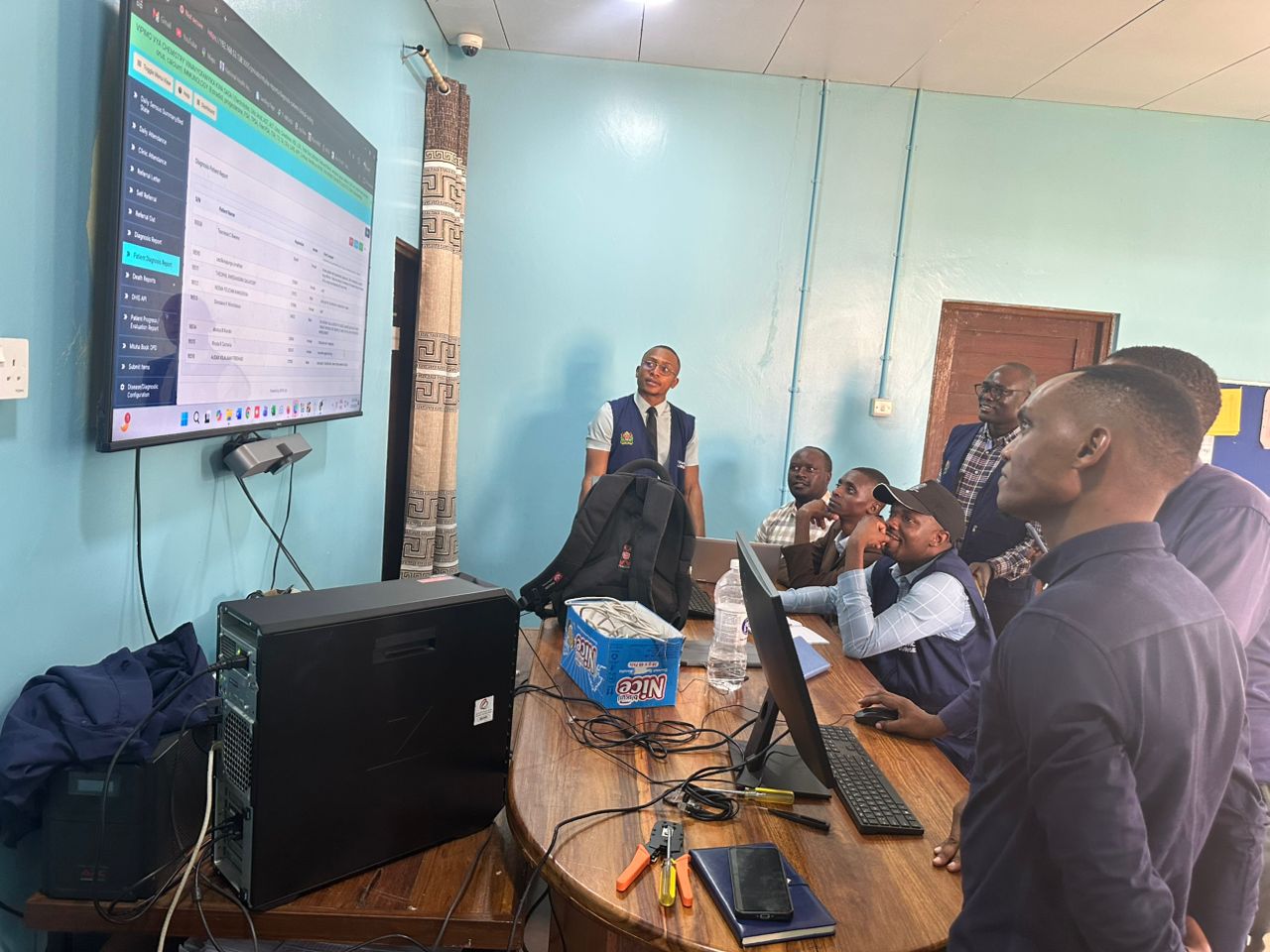
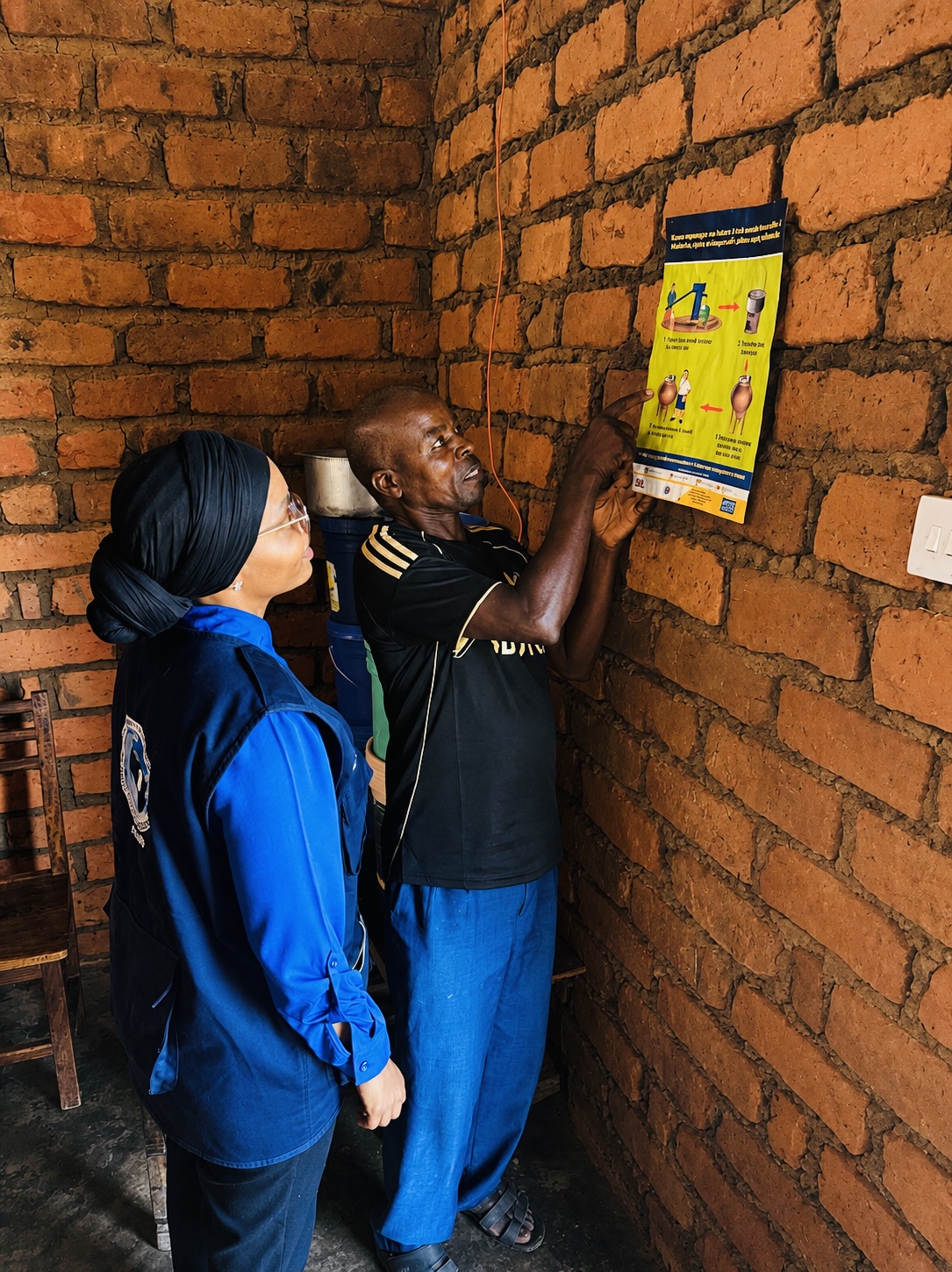
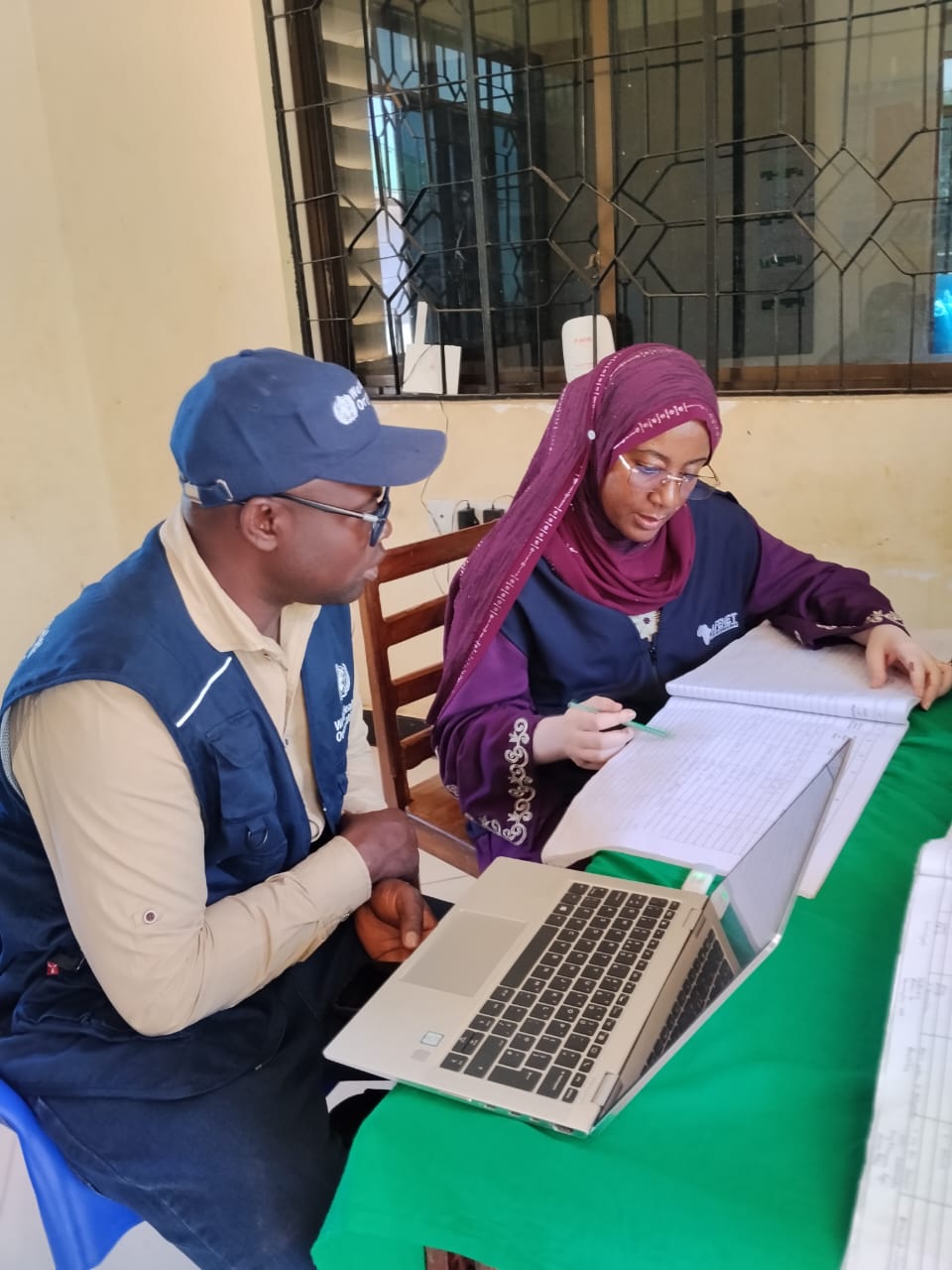
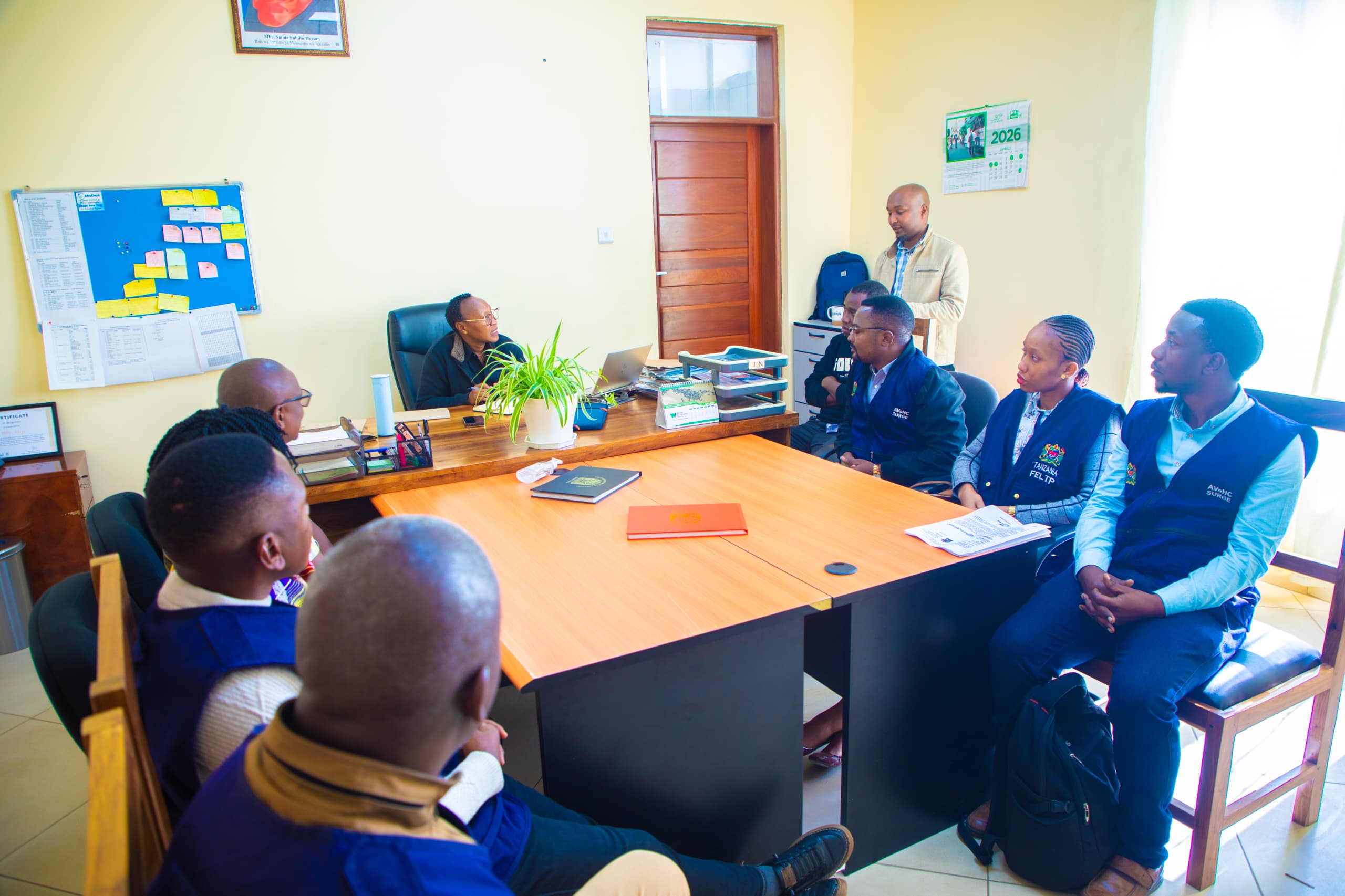
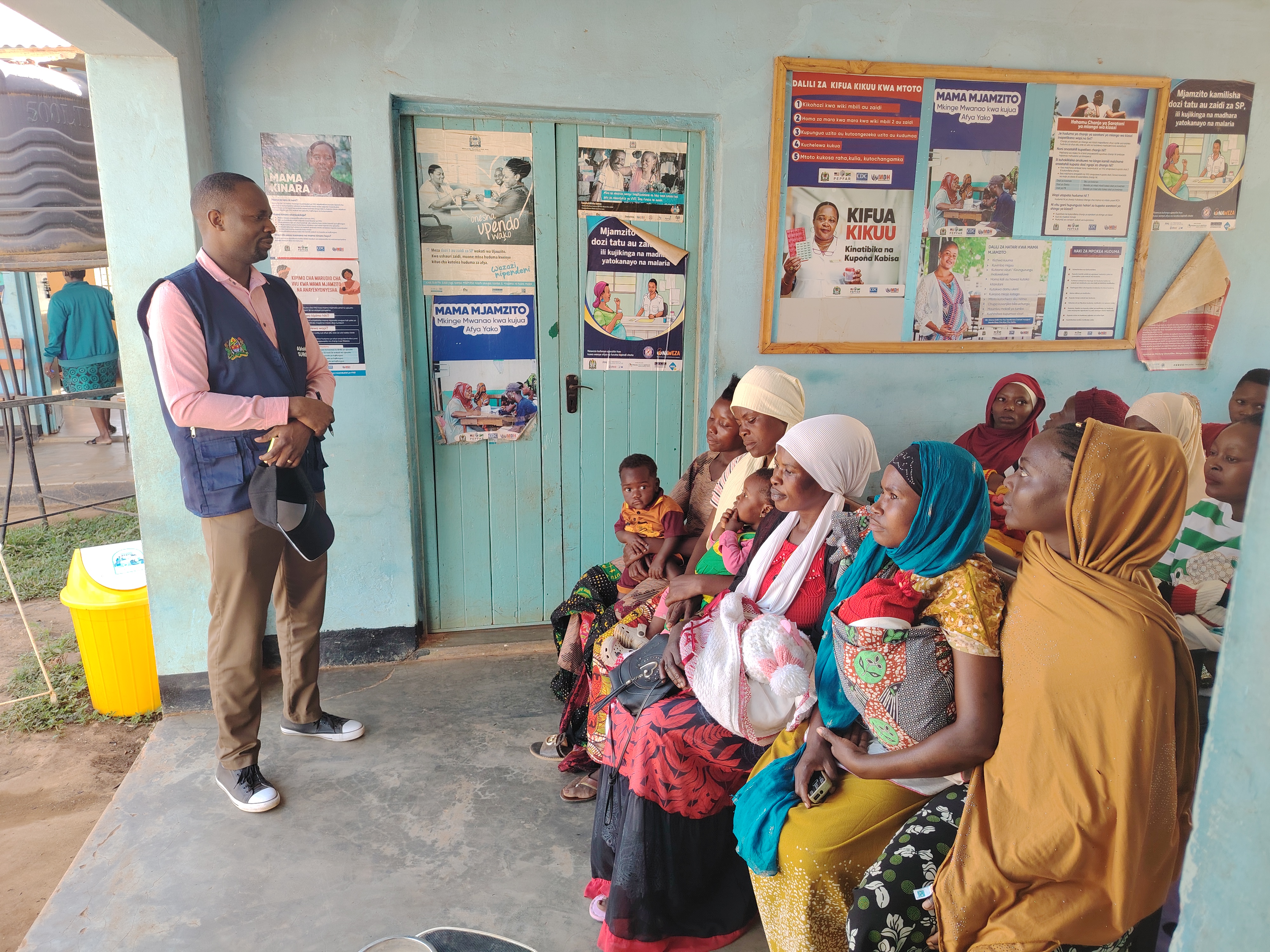
TFELTP residents and graduates, in close collaboration with the Ministry of Health, Prime Minister’s Office – Regional Administration and Local Government (PMO-RALG), the U.S. Centers for Disease Control and Prevention (U.S. CDC), and the World Health Organization (WHO) Tanzania, conducted systematic active case searches in 198 health facilities by reviewing outpatient and inpatient records from 1 April 2026 onwards to identify suspected VHF cases and other priority public health events. In addition, retrospective mortality reviews were conducted in health facilities to detect deaths compatible with EVD and other priority conditions, complemented by community-based mortality surveillance to identify and verify unusual deaths occurring outside health facilities. Healthcare workers and surveillance focal persons were also oriented on EVD case definitions, alert management, case investigation, contact tracing, and mortality surveillance to strengthen overall system readiness.
Across the deployment, 42 councils were reached, 564,691 outpatient and inpatient consultations were reviewed, and 4,118 deaths were assessed for potential compatibility with VHF. A total of 477 alerts were generated and investigated. Furthermore, 105 traditional healers were sensitized to support early identification and referral of suspected cases, while 1,525 healthcare workers and surveillance personnel were oriented and updated on VHF surveillance and response protocols. Importantly, no suspected or confirmed EVD cases were identified during the reporting period, providing assurance of no detected transmission in the assessed areas and demonstrating the sensitivity and functionality of the surveillance system.
The deployment was implemented through a strong multisectoral approach involving TFELTP residents and graduates across all three tiers—Advanced (34), Intermediate (23), and Frontline (31)—alongside technical experts from the Ministry of Health, PMO-RALG, U.S. CDC, and WHO Tanzania. Financial and logistical support was provided by the U.S. CDC, Pandemic Funds implemented under AFENET, and WHO Tanzania. The intervention reinforced the critical role of TFELTP in strengthening national preparedness, enhancing early warning systems, building frontline capacity, and supporting multisectoral coordination for rapid detection and response to emerging infectious disease threats.