First Follow-up Consultation on the Transition of the STOP Program
-
by
AFENET
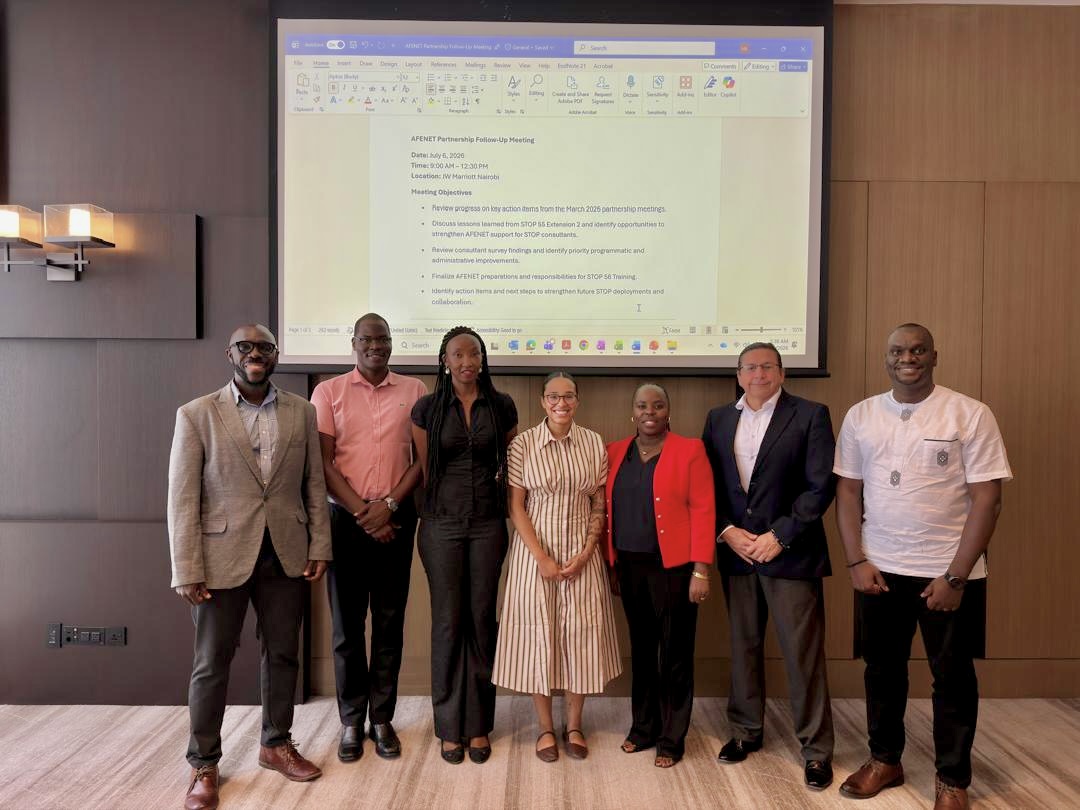
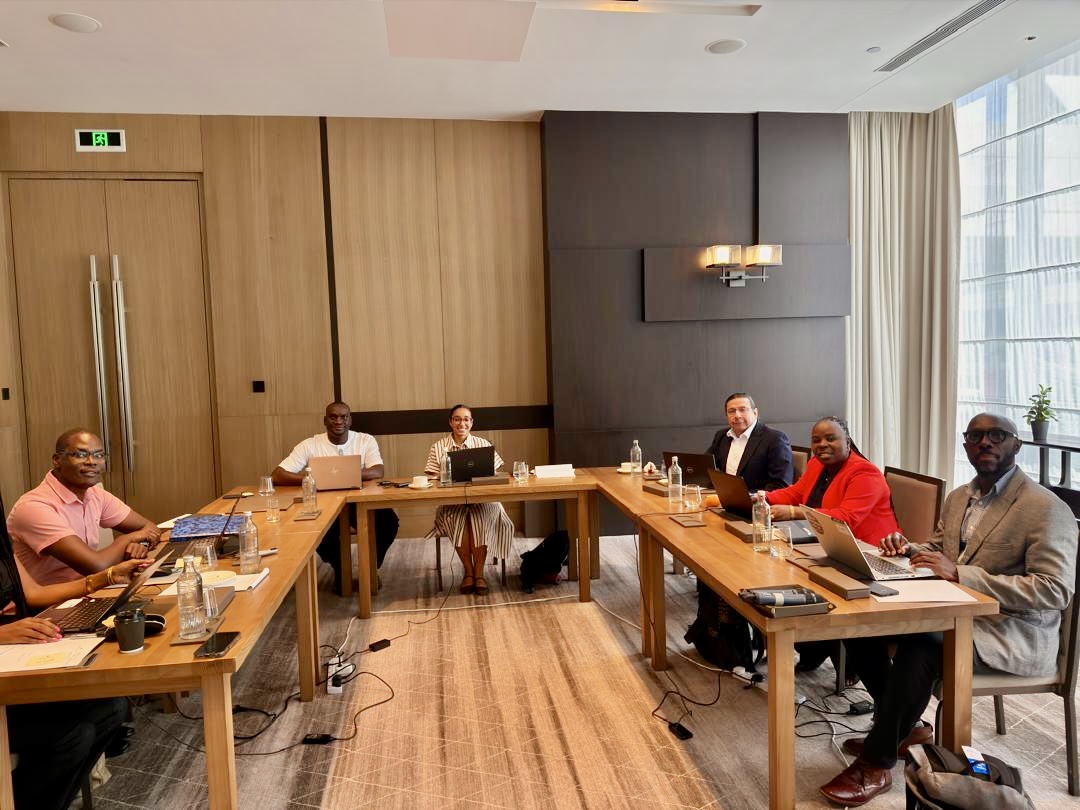
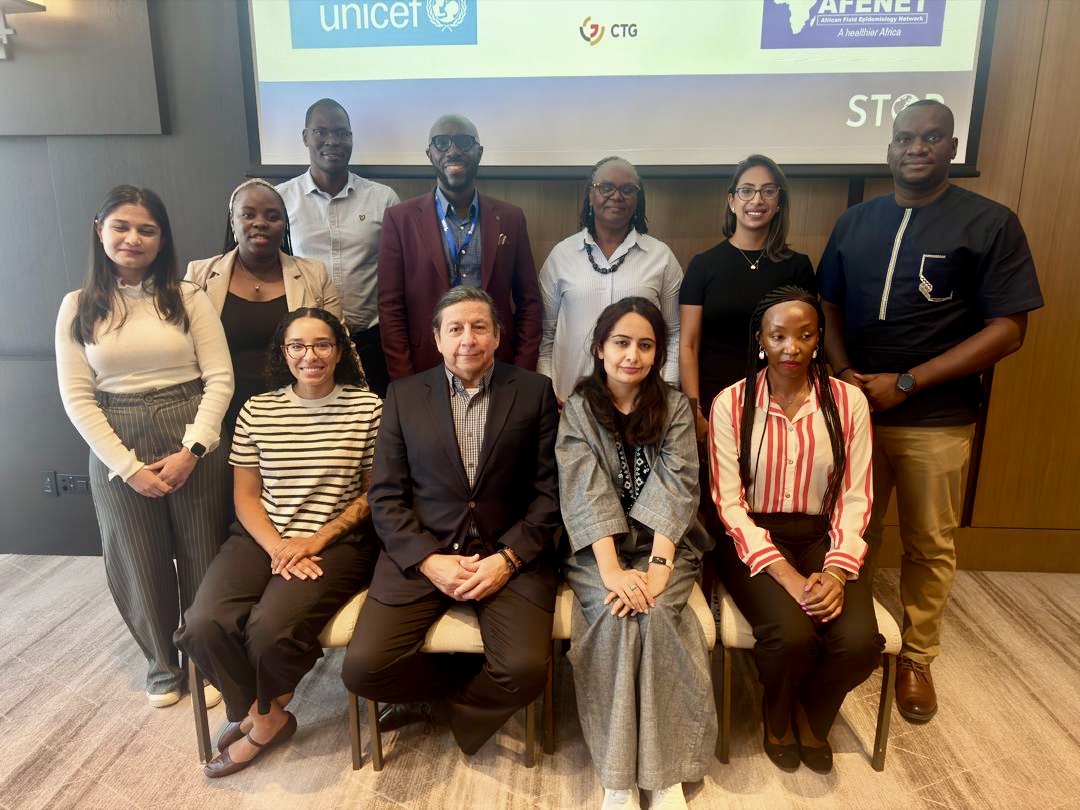
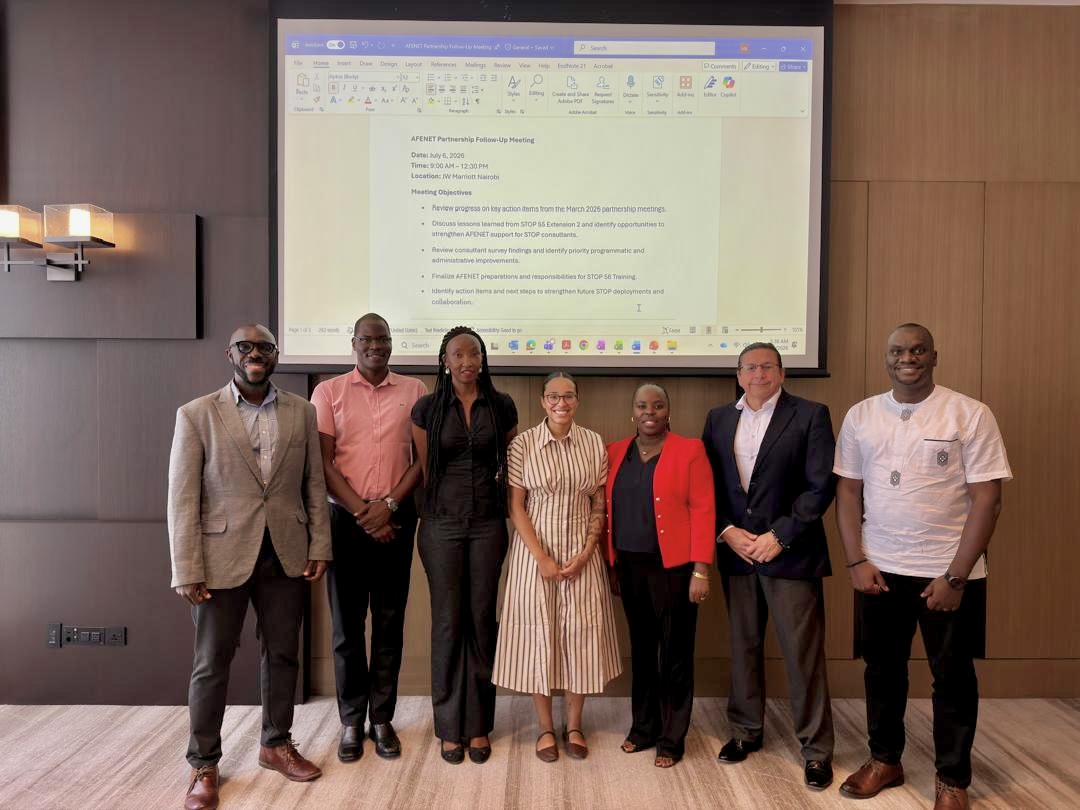
The U.S. Centers for Disease Control and Prevention (CDC), the African Field Epidemiology Network (AFENET), and UNICEF convened a consultative meeting in Nairobi, Kenya, on 6-7 July 2026 to review progress in implementing the Stop Transmission of Polio (STOP) Program across Africa and strengthen collaboration for future training and deployments.
This follow-up consultation emerged from the first meeting that took place in March of these year to define roles and responsibilities and synergies of AFENET and UNICEF as they took on the deployment segment of the STOP program. The meeting brought together technical and administrative partners to reflect on achievements under STOP 55 Extension 2, share lessons from ongoing country deployments, and agree on priority actions to enhance coordination and program delivery.
The STOP Program is a global partnership that deploys trained public health consultants (STOPers) to support Ministries of Health in strengthening routine immunization, disease surveillance, outbreak preparedness and response, and the control, elimination, and eradication of vaccine-preventable diseases. Through providing technical assistance at national and sub-national levels, STOPers contribute to building resilient immunization systems and a stronger public health workforce across participating countries.
Participants reviewed the progress of STOP 55 extension for April – September 2026, STOPers’ field experiences, and opportunities to further strengthen collaboration among partner organizations. The discussions emphasized the importance of clearly defined partner roles and responsibilities and coordinated technical and administrative support to ensure consultants are well positioned to contribute to national immunization priorities. The meeting also served as an important planning platform for STOP 56 consultant training planned for August 2026 and future deployments. Partners reviewed preparations for the upcoming training, including facilitator coordination and related logistics.
The meeting concluded with agreement on priority actions and timelines to strengthen future STOP training and deployments. Partners reaffirmed their commitment to maintaining strong collaboration and leveraging their complementary expertise to support Ministries of Health across Africa in achieving immunization and disease surveillance goals through the STOP Program.