AFENET-supported ACoDDs continue to play a critical role in strengthening the Ebola Virus Disease response in Ituri Province, Democratic Republic of the Congo, through active surveillance, alert investigation, contact follow-up, treatment centre supervision and frontline capacity building.
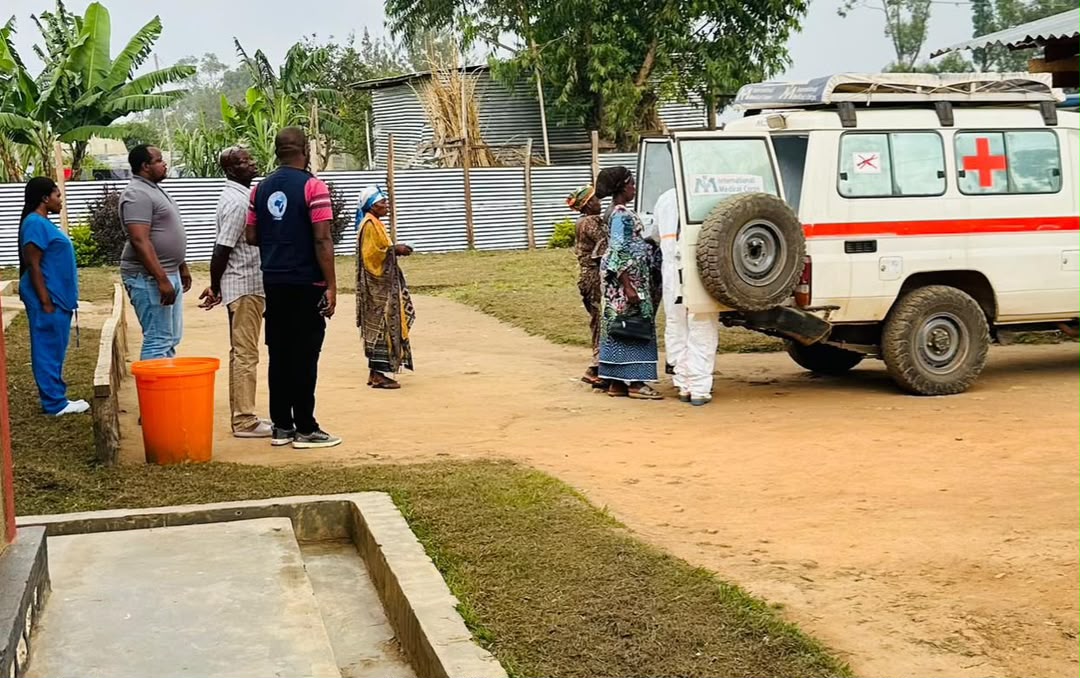
According to the daily activity report of 5 July 2026, response teams supported investigations of suspected Ebola cases in several health zones, including Bunia, Nyankunde, Katwa, Mandima and Aru. In Bunia Health Zone, a suspected case presenting with fever, vomiting, red diarrhoea and ocular bleeding was investigated at CS Rwambuzi and transferred to the Ebola Treatment Centre at HGR Bunia. Initial pre-listing identified about 30 potential contacts.
The teams also investigated two monitored contacts who became suspected cases on Day 13 of follow-up in Nyankunde Health Zone, while an in-depth investigation was conducted around a confirmed case who died at the Matanda treatment centre in Katwa Health Zone. Active case search was also carried out in Mandima and Aru, where one suspected case was notified, sampled and isolated.
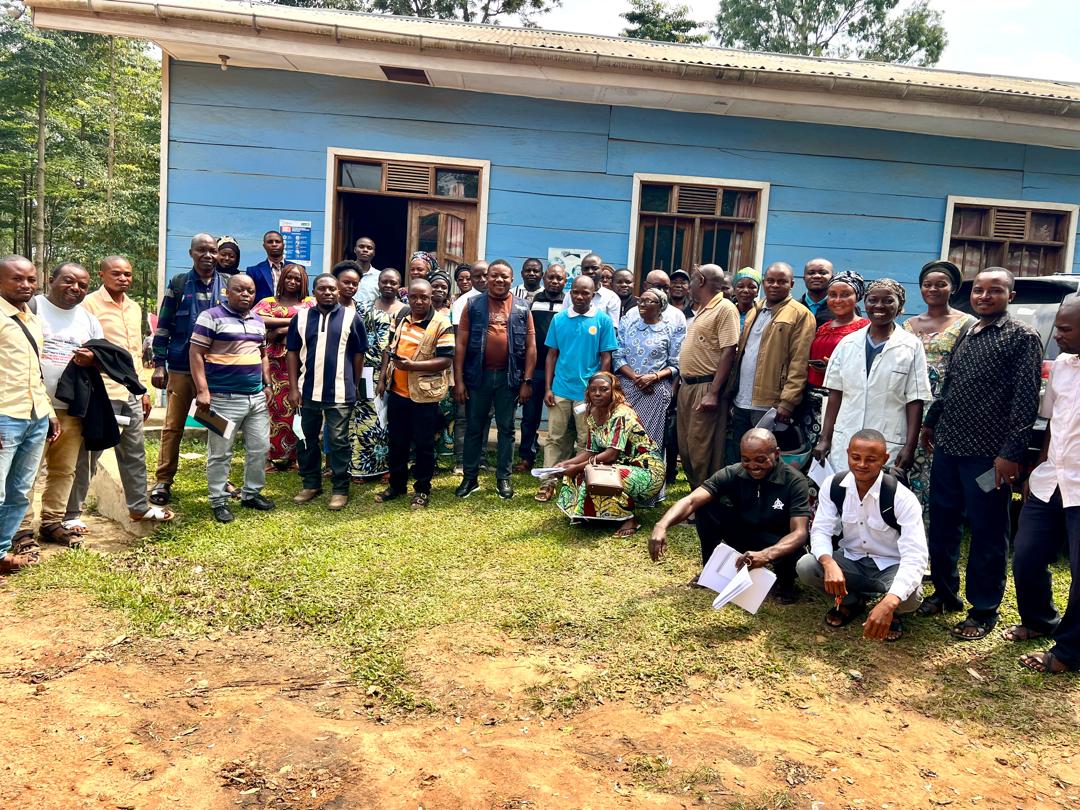
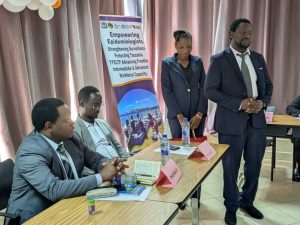
A key highlight of the response was the completion of cascade briefings for community responders in Katwa Health Zone on social and behaviour change communication. In total, 794 frontline responders were briefed, including 21 supervisors, 2 alert operators and 31 investigators. Field surveillance teams in Oicha Health Zone were also briefed on active case finding, investigation, contact follow-up and the use of Ebola surveillance tools.
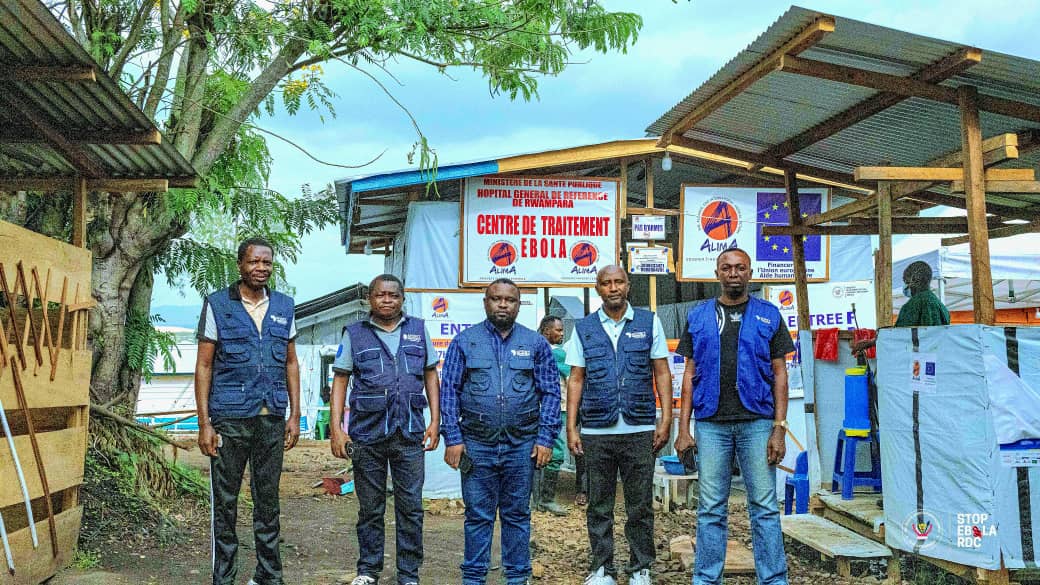
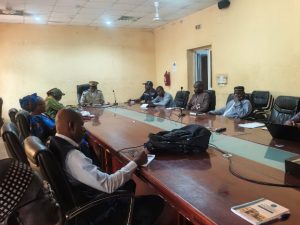
Beyond investigations and training, ACoDDs deployed in Rwampara Health Zone conducted a supervision visit to the Ebola Treatment Centre at HGR Rwampara to assess site functionality, engage response teams and strengthen coordination. In Lolwa, a sub-coordination meeting was held and a control point was installed at the Lolwa barrier to support screening and response coordination.
These daily actions demonstrate the intensity and importance of field epidemiology in outbreak response. From investigating alerts and following contacts to strengthening surveillance and equipping frontline teams, AFENET-supported responders are helping ensure that communities remain protected and that potential chains of transmission are detected early.
AFENET