South Africa FETP Graduates 11 Public Health Professionals to Strengthen Disease Surveillance and Response
-
by
AFENET
The South Africa Field Epidemiology Training Programme (SAFETP) has marked another milestone in strengthening the country’s public health workforce with the graduation of the fifth Intermediate Field Epidemiology Training Program (FETP-Intermediate) cohort, including the second cohort from Mpumalanga Province.
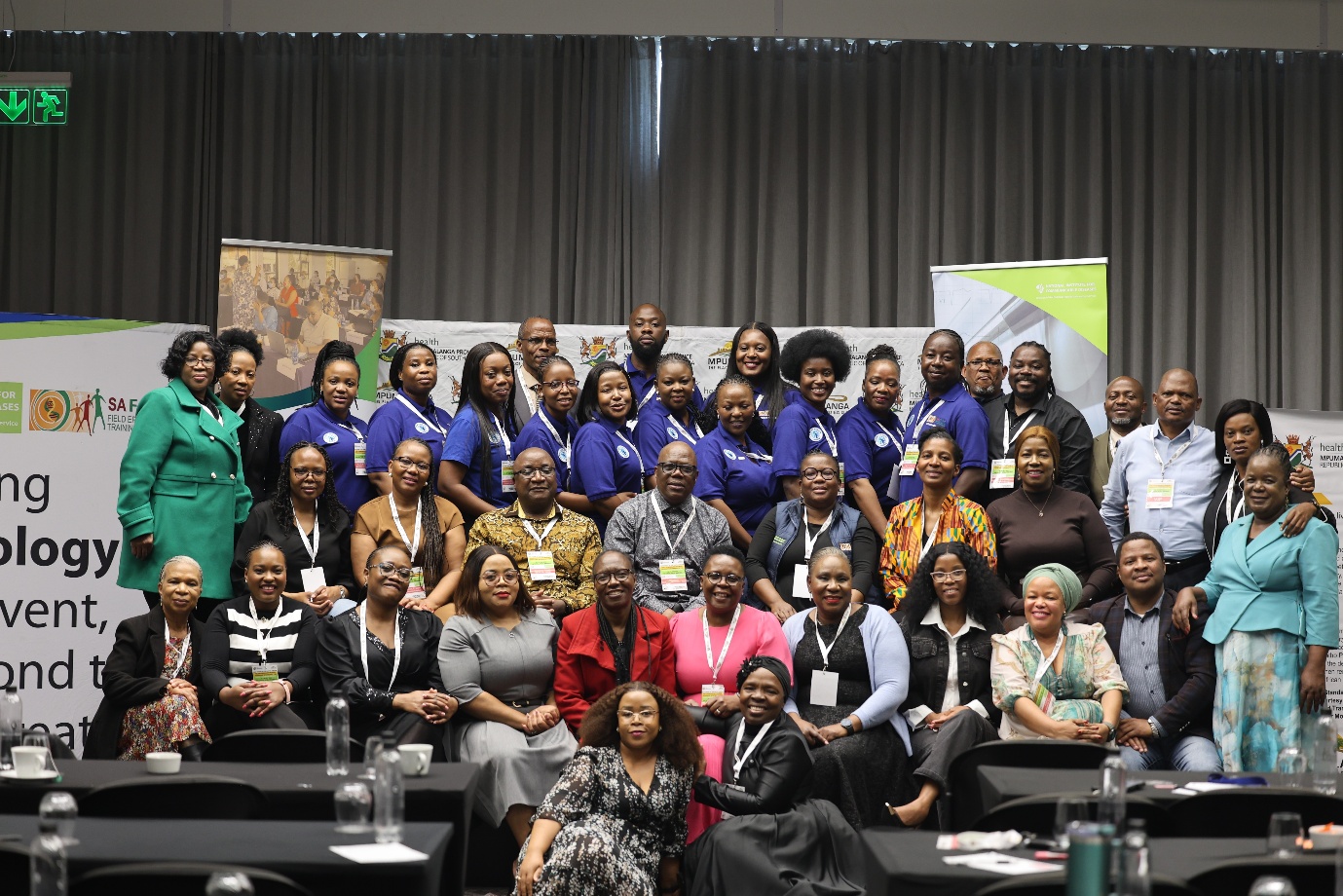
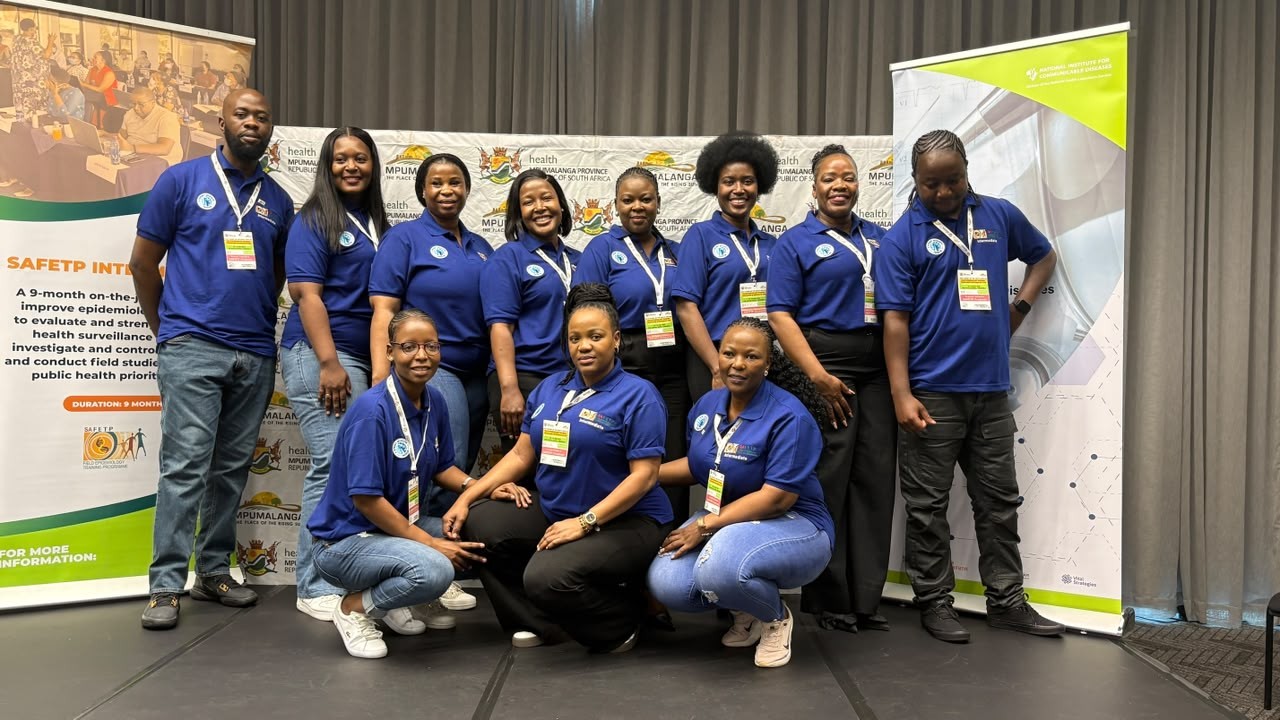
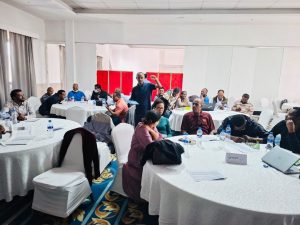
Held on 15–16 July 2026, the completion ceremony celebrated 11 public health professionals representing environmental health, communicable disease control, infection prevention and control, and border health. Notably, the cohort included the first participant from South Africa’s Border Management Authority (BMA) to complete the FETP-Intermediate programme.
The training was delivered through a partnership between the Mpumalanga Department of Health, the South Africa Field Epidemiology Training Programme (SAFETP), the U.S. Centers for Disease Control and Prevention (CDC), and Deutsche Gesellschaft für Internationale Zusammenarbeit (GIZ). The programme equips frontline public health professionals with practical skills to detect, investigate, and respond to public health threats while strengthening evidence-based decision-making.
Throughout the programme, participants gained hands-on experience in surveillance data analysis, surveillance system evaluation, outbreak investigation, scientific communication, and evidence-based public health practice.
As part of the completion activities, graduates presented findings from surveillance analyses, system evaluations, and outbreak investigations during a scientific seminar, demonstrating how field epidemiology skills can be applied to address real-world public health challenges.
A key innovation introduced in this cohort was the pilot integration of the Data-to-Policy (D2P) curriculum into the FETP-Intermediate programme. Working collaboratively, trainees developed policy briefs using surveillance data to translate epidemiological evidence into practical recommendations for health policy and planning.
The programme also hosted a round-table discussion themed “Beyond Surveillance: Advancing Public Health Through Data-Informed Policy & Practice.” Panelists highlighted the importance of improving the use of routine surveillance data at district and provincial levels while emphasizing mentorship as a critical component for sustaining epidemiological capacity and supporting continuous professional development.
The Mpumalanga Department of Health reaffirmed its commitment to investing in workforce development and strengthening partnerships with the National Institute for Communicable Diseases (NICD), SAFETP, GIZ, and other partners dedicated to building resilient public health systems.
The completion ceremony brought together senior managers from the Mpumalanga Department of Health, District Management Teams, programme partners, mentors, and other stakeholders, underscoring the collaborative effort behind strengthening field epidemiology capacity in South Africa.
AFENET congratulates all 11 graduates on this important achievement. Their expertise will contribute to stronger disease surveillance, faster outbreak detection and response, and more evidence-informed public health decision-making across South Africa.