
Botswana Graduates 12 Field Epidemiologists, Strengthening National Public Health Security Gaborone, Botswana | 24 September 2026
-
by
AFENET
Botswana has strengthened its public health workforce with the graduation of 12 health professionals from the second cohort of the Intermediate Field Epidemiology Training Program (FETP), bringing the country’s total number of Intermediate FETP graduates to 23.
The graduation ceremony, held on 24 September 2026 in Gaborone, marked another milestone in the country’s efforts to strengthen disease surveillance, outbreak investigation and evidence-based public health decision-making.
The Botswana Field Epidemiology Training Program (BFETP) was established to address gaps in field epidemiology expertise and strengthen the country’s capacity to respond to public health challenges. The program is implemented through collaboration involving the Ministry of Health, Botswana Public Health Institute, University of Botswana, the African Field Epidemiology Network (AFENET) and the U.S. Centers for Disease Control and Prevention (CDC), with support from the U.S. Government.
From Training to Practical Public Health Action
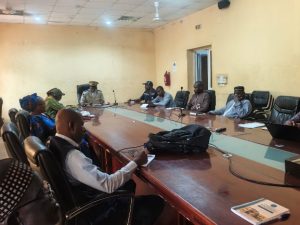
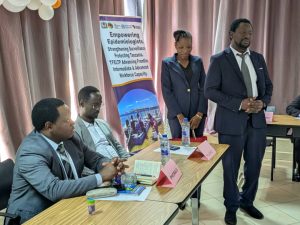
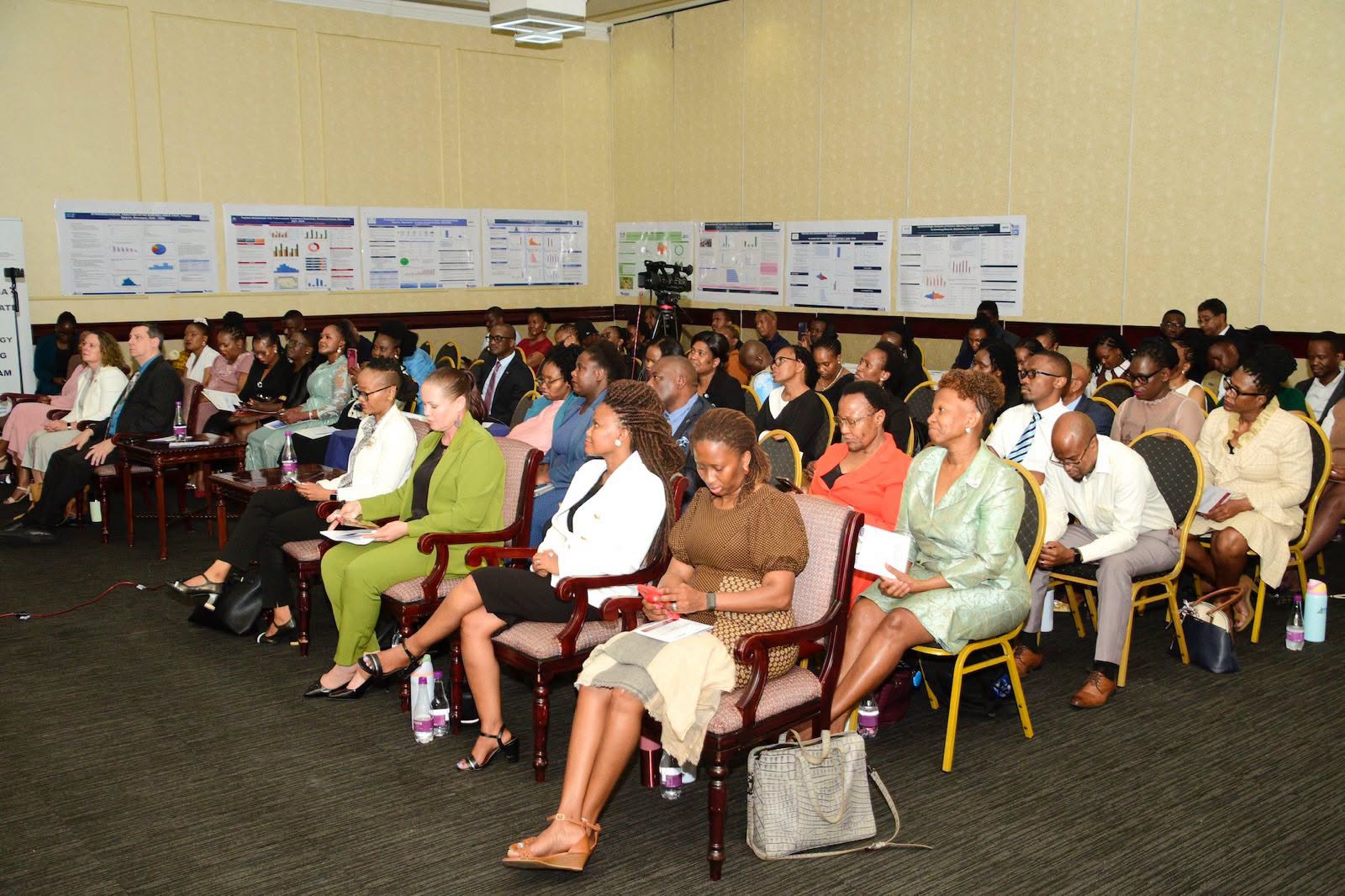
The graduation ceremony brought together government officials, public health partners, program representatives and the graduating cohort.
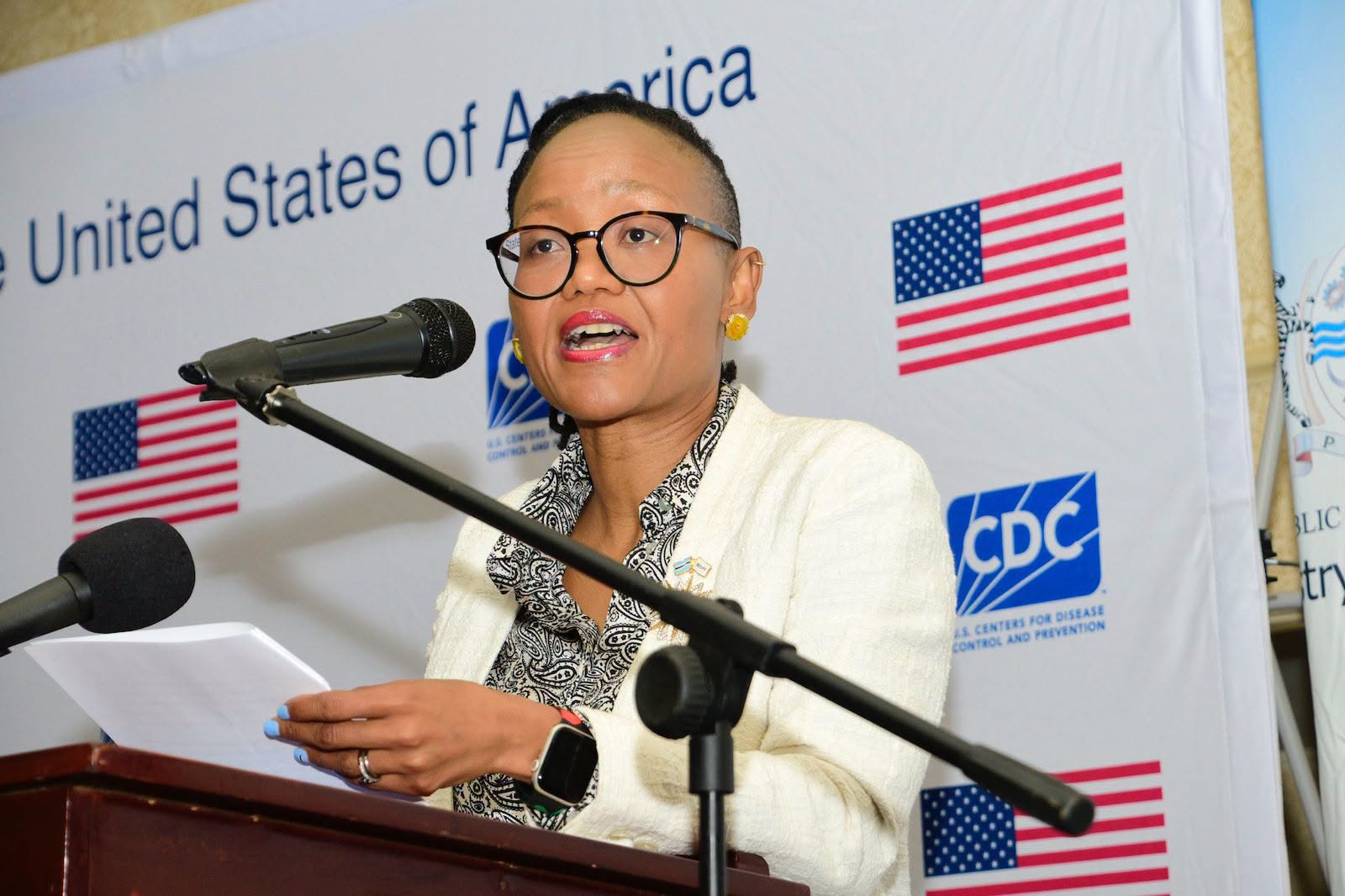
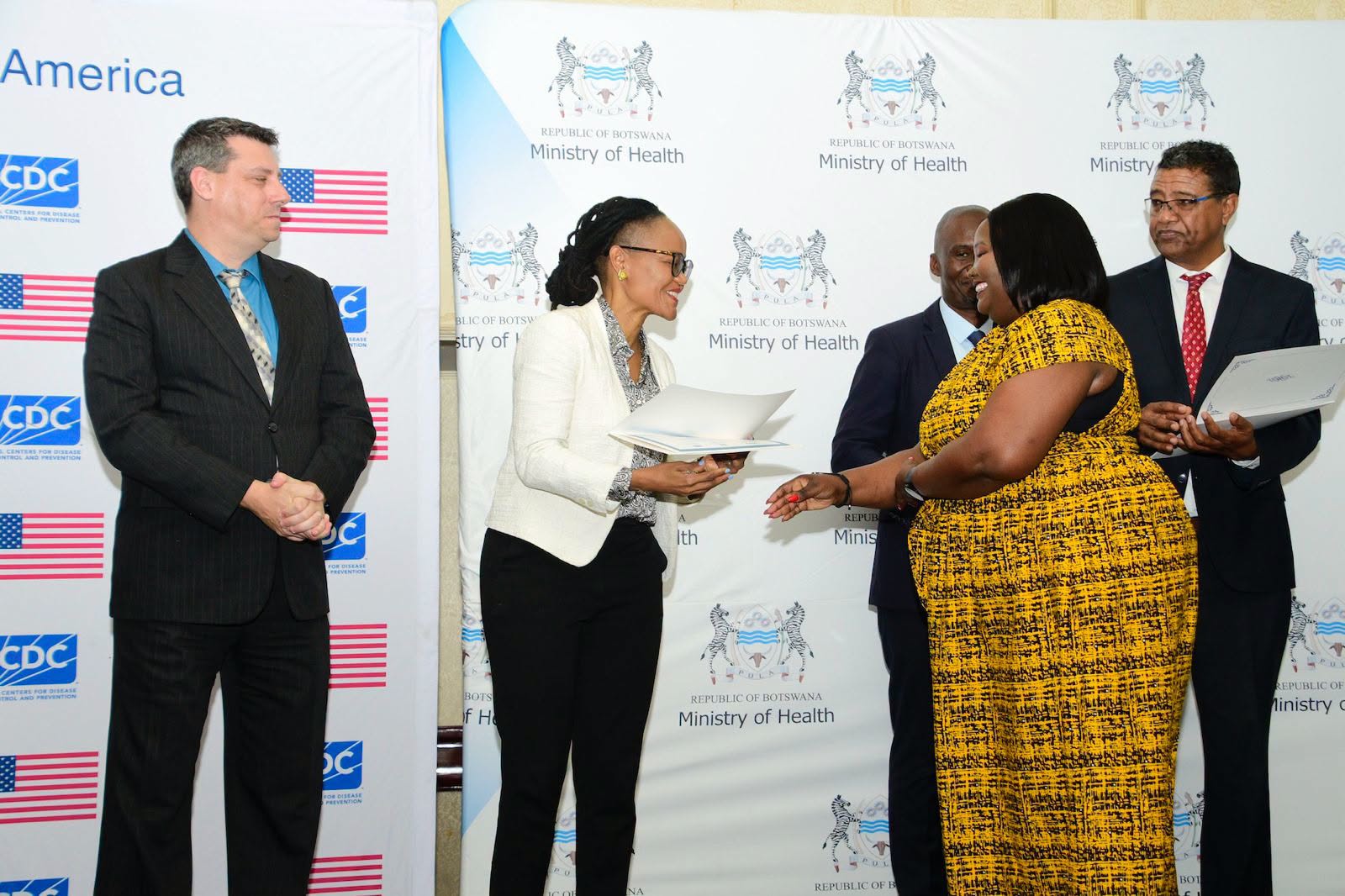
Among the distinguished guests were Botswana’s Ministry of Health Permanent Secretary, Dr. Neo Tapela, and the U.S. Chargé d’Affaires to Botswana, Mr. Christopher J. Gunning.
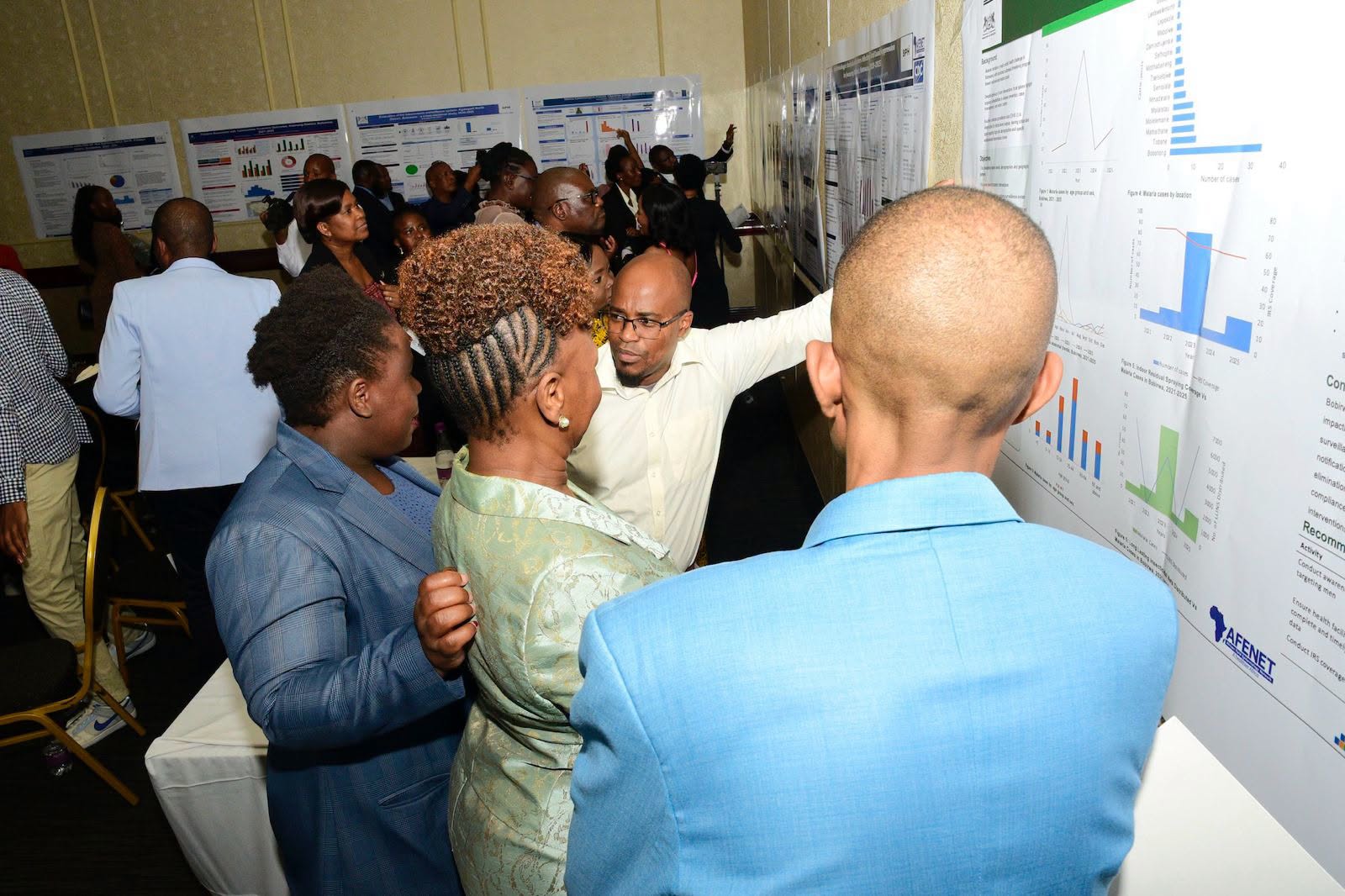
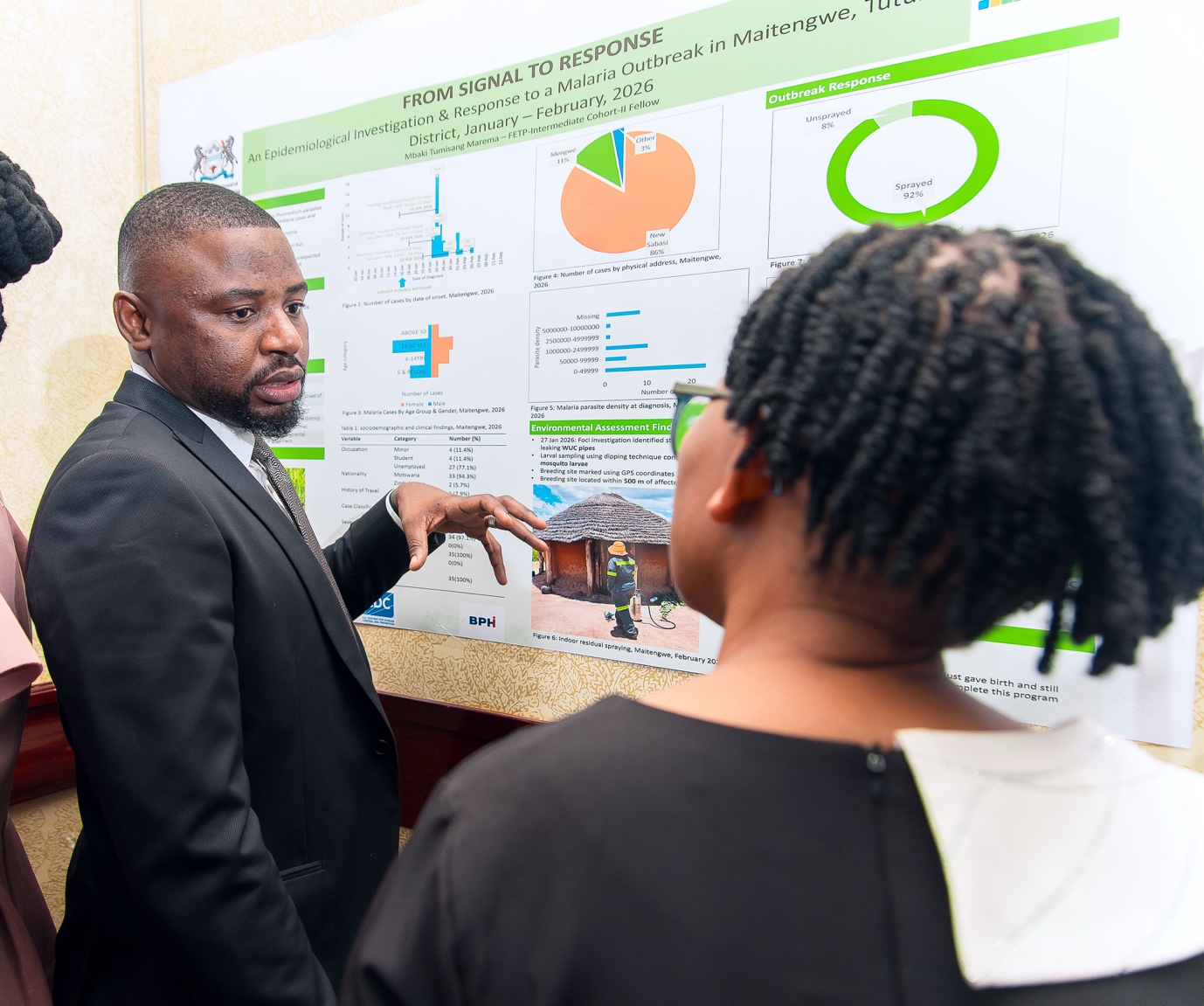
During the ceremony, graduates presented findings from their group project and individual field activities, demonstrating how their training has equipped them to investigate public health problems, analyse surveillance data and generate evidence to inform decision-making.
The graduates received certificates in recognition of their successful completion of the Intermediate FETP.
Investing in Botswana’s Health Security
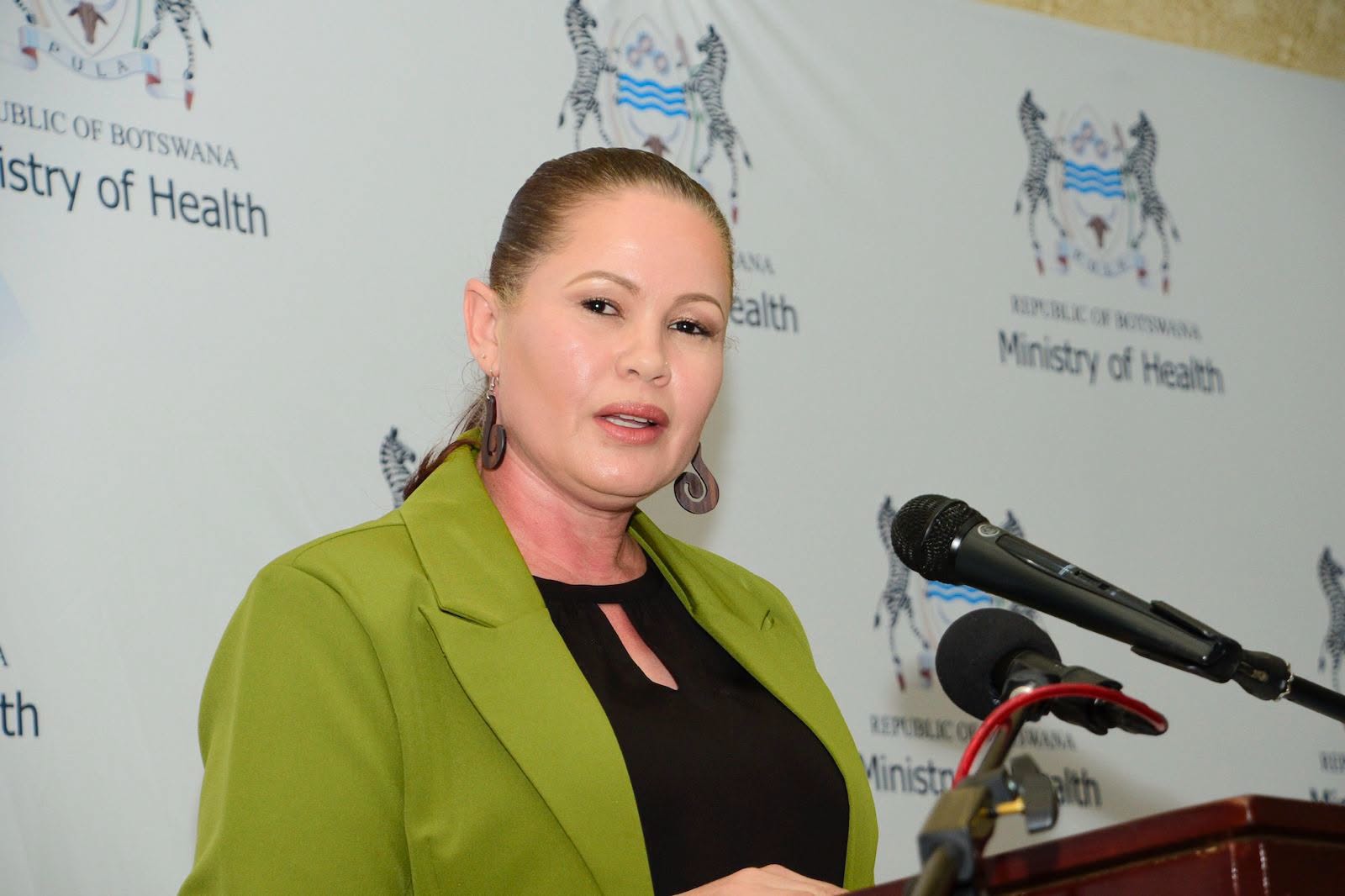
Addressing participants, Dr. Neo Tapela emphasised that the graduation represented more than an academic achievement.
The Ministry, she noted, was celebrating an investment in Botswana’s public health workforce and the nation’s health security.
Dr. Tapela highlighted the importance of equipping public health professionals with skills to investigate outbreaks, analyse surveillance information, identify emerging threats and support evidence-based decisions.
“These are precisely the capabilities that are required to strengthen our national public health security architecture.” — Dr. Neo Tapela, Permanent Secretary, Ministry of Health
Mr. Christopher Gunning reaffirmed the U.S. Government’s recognition of the importance of a capable public health workforce, particularly as countries face emerging outbreaks and other public health challenges.
“As we celebrate the achievements of the graduates today, let us also recognize the significance of their roles.” — Christopher J. Gunning, U.S. Chargé d’Affaires to Botswana
Building a Sustainable Public Health Workforce
With the addition of 12 graduates, Botswana now has 23 health professionals who have completed the Intermediate FETP.
These professionals are better equipped to contribute to outbreak detection, disease surveillance, public health investigations and response activities.
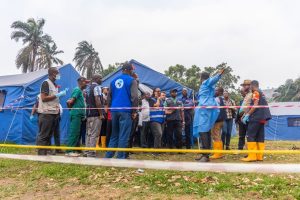
The graduates’ fieldwork presentations also demonstrated the program’s emphasis on applying epidemiological skills to real-world public health challenges.
By strengthening practical epidemiological capacity, the program contributes to Botswana’s ability to prevent, detect and respond to public health threats of national and international concern.
Partnerships for Stronger Health Systems
The milestone reflects continued collaboration among Botswana’s Ministry of Health, Botswana Public Health Institute, University of Botswana, U.S. CDC and AFENET.
Through the FETP model, these partnerships support the development of a skilled public health workforce capable of generating and using evidence to protect communities.
The second cohort’s graduation reinforces the importance of sustained investment in field epidemiology training as a foundation for stronger surveillance systems, effective outbreak response and national health security.
Source: Botswana FETP, September 2026.