21 Frontline FETP Professionals Graduate in Tete, Strengthening Epidemiological Surveillance and Cross-Border Preparedness
-
by
AFENET
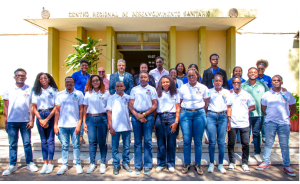
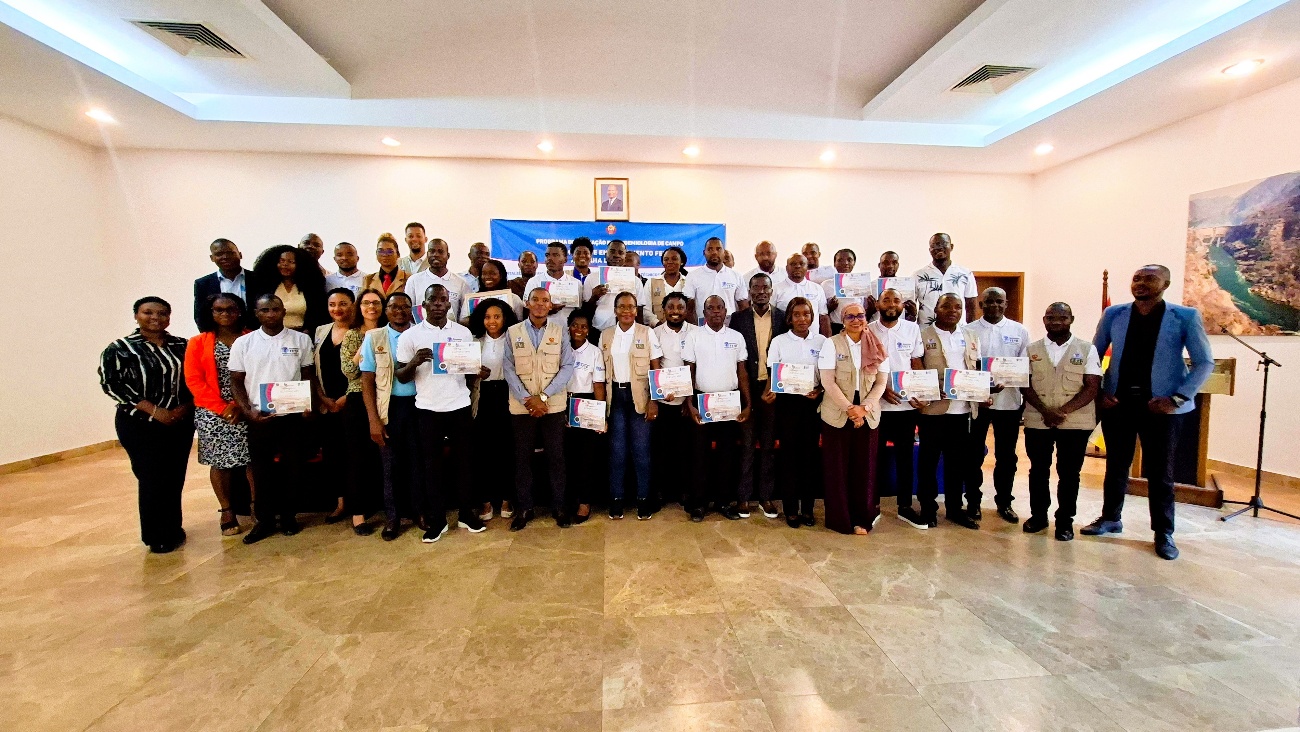
Tete Province, Mozambique — 31 July 2026: Twenty-one public health professionals have graduated from the 11th Cohort of Mozambique’s Field Epidemiology Training Program (FETP), Frontline Level, strengthening the province’s capacity to detect, report, investigate and respond to public health threats.
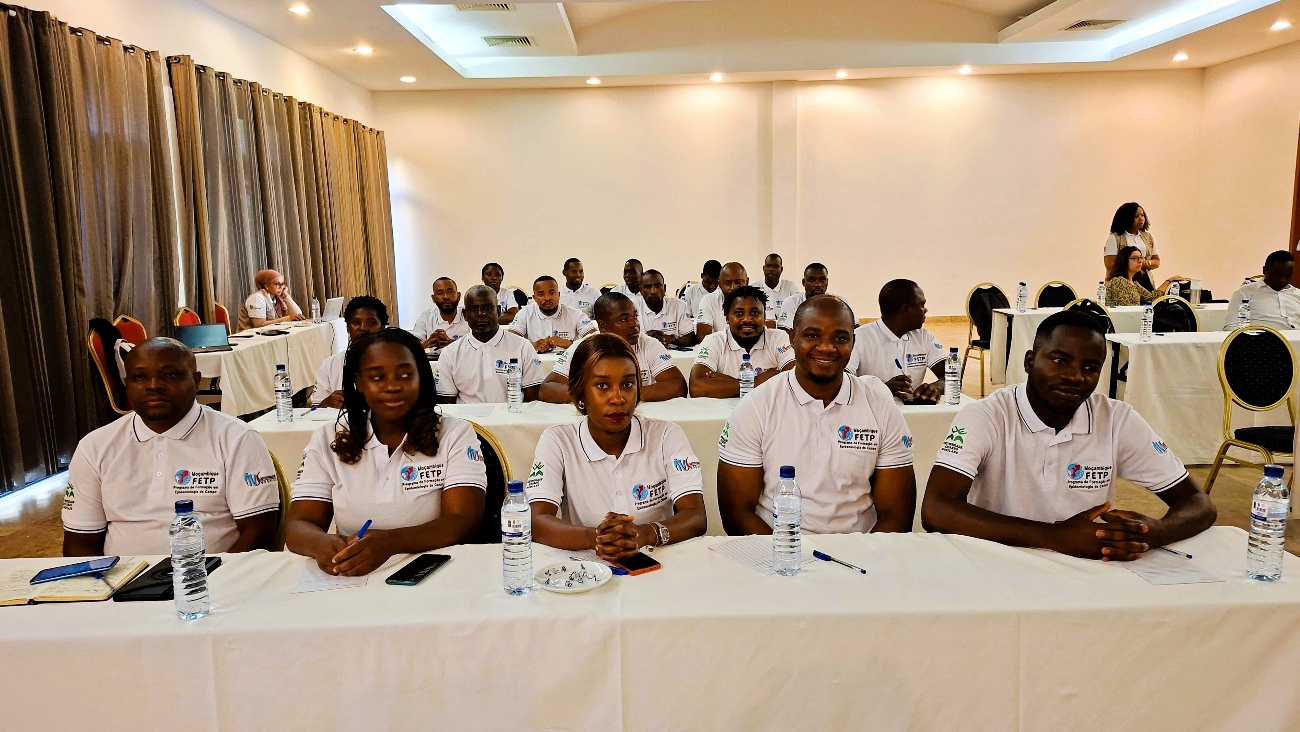
The graduates, drawn from different districts across Tete Province, including border areas, completed three months of intensive training combining classroom instruction with practical field assignments conducted at their respective workplaces.
The training strengthens the availability of skilled frontline epidemiology professionals who can identify public health threats early and translate surveillance data into timely action at district and provincial levels.
Strengthening surveillance in border areas
Building epidemiological capacity is particularly important for Tete Province, where significant population movement across border areas can increase the risk of diseases spreading between communities and across national boundaries.
Recent outbreaks of Ebola, mpox, cholera and other infectious diseases across the African continent have reinforced the importance of strong surveillance systems and cross-border collaboration. Strengthening the skills of surveillance focal persons, including professionals serving border communities, can improve early detection, notification, investigation and response to emerging public health events.
The training also supports implementation of the 7-1-7 approach, which emphasizes timely outbreak detection, notification and initiation of effective response measures.
Turning training into action
Throughout the three-month programme, participants applied their learning to real public health challenges within their workplaces. At the closing ceremony, graduates presented findings from their field projects across several thematic areas.
These included malaria and other vector-borne diseases; diarrhoeal diseases, cholera, water, sanitation and hygiene; zoonotic, emerging and re-emerging diseases; surveillance of communicable and non-communicable diseases; health vulnerabilities; and contact tracing in border areas.
The projects demonstrated how field epidemiology skills can be applied to identify surveillance gaps, analyse health data and inform public health action.
Work focused on border areas was particularly relevant, highlighting the need for professionals who can identify risks associated with population mobility, investigate potential chains of transmission and support coordinated surveillance and response.
Outstanding achievements were also recognized, with awards presented to the three best oral presentations and three best scientific projects.
Building a stronger frontline workforce
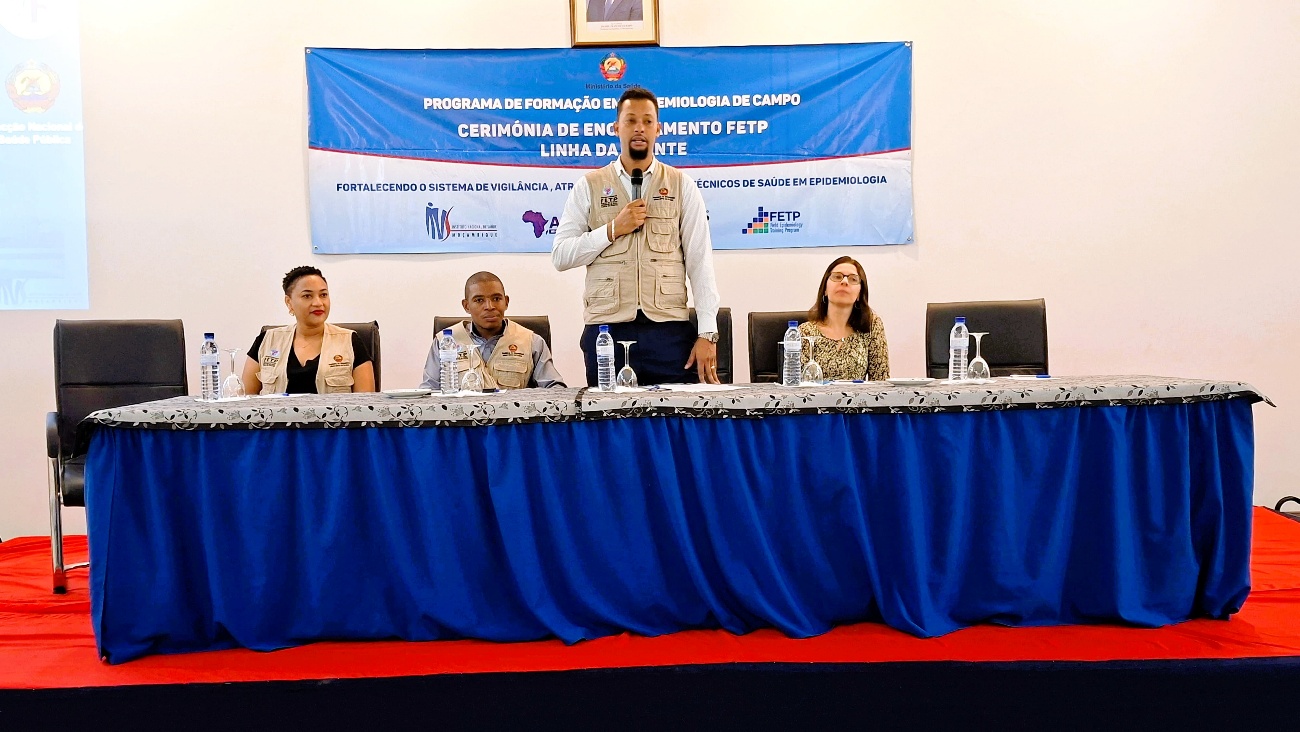
The closing ceremony brought together representatives from the Tete Provincial Directorate of Health, Provincial Health Services, Tete Provincial Delegation of the National Institute of Health (INS), Public Health Emergency Operations Center (PHEOC), National FETP Coordination, U.S. Centers for Disease Control and Prevention (CDC), central-level mentors and health professionals from across the province.
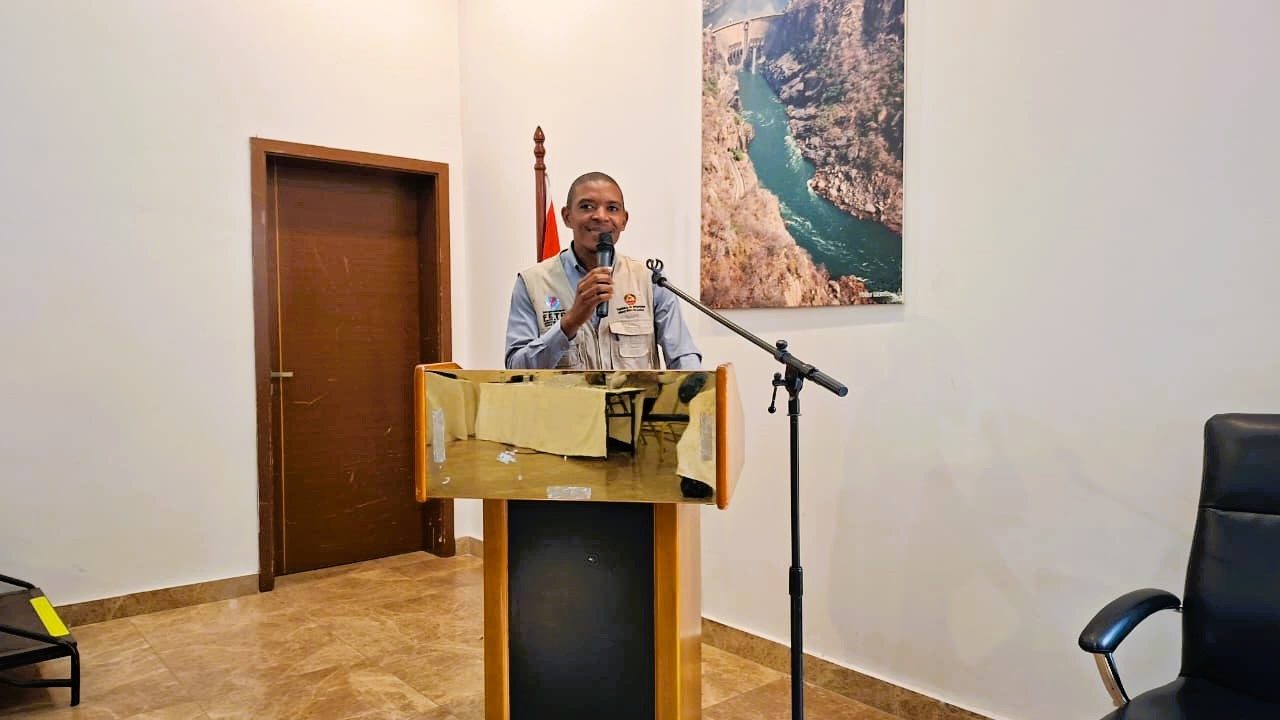
Speaking during the ceremony, Dr. Mauro Monteiro, Delegate of the National Institute of Health in Tete, highlighted the importance of the training in strengthening the health system’s capacity for early detection, notification and response.
He noted that the 21 graduates represent an important gain for the province by increasing the number of trained professionals working closer to health services and communities.
Dr. Hélder Dombole, Provincial Chief Medical Officer of Tete, congratulated the graduates and encouraged them to apply their newly acquired knowledge and competencies in their respective workplaces. He emphasized their important role in strengthening epidemiological surveillance and the province’s preparedness and response capacity.
Expanding Mozambique’s field epidemiology capacity
Dr. Áuria Banze, Director of the Field Epidemiology Training Program, provided an overview of FETP implementation in Mozambique and highlighted the programme’s contribution to strengthening national capacity for epidemiological surveillance and response to public health threats.
She emphasized that training professionals from districts, including those serving border areas, brings epidemiological capacity closer to the places where public health events are first detected. This can improve the timeliness of surveillance, contact tracing, outbreak investigation and implementation of initial control measures.
The presence of trained field epidemiology professionals across different levels of the health system also supports the operationalization of the 7-1-7 approach by strengthening the ability to rapidly detect potential outbreaks, communicate events to responsible authorities and initiate appropriate response measures.
The graduation of the 11th Frontline FETP Cohort represents more than an increase in the number of trained professionals. It expands Mozambique’s network of frontline epidemiologists equipped to turn surveillance data and signals from health facilities and communities into timely public health action.