On the Frontlines of Ebola: How AFENET’s 359 Disease Detectives Are Strengthening Surveillance Across the DRC
-
by
AFENET
As the Democratic Republic of Congo (DRC) continues to respond to the Bundibugyo virus disease outbreak, AFENET has deployed 359 disease detectives across nine provinces, reinforcing efforts to detect cases, trace contacts and interrupt transmission.
The fight against Ebola begins long before a patient reaches a treatment centre. It begins in communities, where a suspected case must be identified, an alert investigated and every possible contact traced before the virus spreads further.
In the Democratic Republic of Congo (DRC), the African Field Epidemiology Network (AFENET), with support from the US Centers for Disease Control and Prevention (US CDC), is contributing to these efforts through the deployment of 359 members of the AFENET Corps of Disease Detectives (ACoDD).
According to AFENET’s September 2026 deployment figures, 269 responders were already in the field, with an additional 90 deployed to reinforce outbreak response activities across nine provinces.
Where Are AFENET’s Disease Detectives?
AFENET’s largest deployment is in Ituri Province, with 169 ACoDD responders, followed by North Kivu with 61. Together, these two provinces account for 230 responders, representing 64% of the total deployment.
Other responders are deployed in Tshopo (35), Bas-Uélé (26), Kinshasa (25), Haut-Uélé (17), Maniema (10), Tanganyika (10) and Sud-Ubangi (6).
The additional deployment of 90 responders includes 39 each to Ituri and North Kivu, and six each to Bas-Uélé and Sud-Ubangi.
This distribution reflects the importance of maintaining surveillance capacity not only in heavily affected areas but also in other provinces where early detection, preparedness and rapid investigation of suspected cases remain essential.
Responding to a Growing Public Health Threat
The scale of the outbreak highlights the urgency of sustained surveillance and coordinated response.
By 19 September 2026, national situation reports had recorded 7,614 confirmed cases and 3,676 confirmed deaths, with a case fatality ratio of 48.3%. At that time, 1,864 people had recovered, while contact follow-up coverage was reported at 87.8%.
More recent outbreak updates have indicated continued transmission, reinforcing the need for intensified case detection, contact tracing and timely investigation of alerts.
Ituri and North Kivu remain particularly important to the response, making the presence of 230 ACoDD responders across these two provinces a significant contribution to frontline surveillance capacity.
However, the number of personnel deployed is only one measure of response capacity. Their contribution also depends on the quality and timeliness of investigations, identification of contacts, community engagement and coordination with health authorities.
Finding the Contacts Who Might Otherwise Be Missed
One of the most critical challenges during an Ebola outbreak is identifying everyone who may have been exposed to an infected person.
When contacts are not identified or followed up, opportunities to detect infections early can be lost, allowing transmission to continue unnoticed.
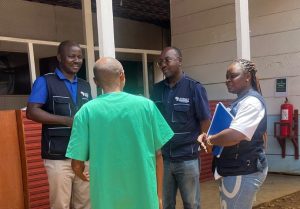
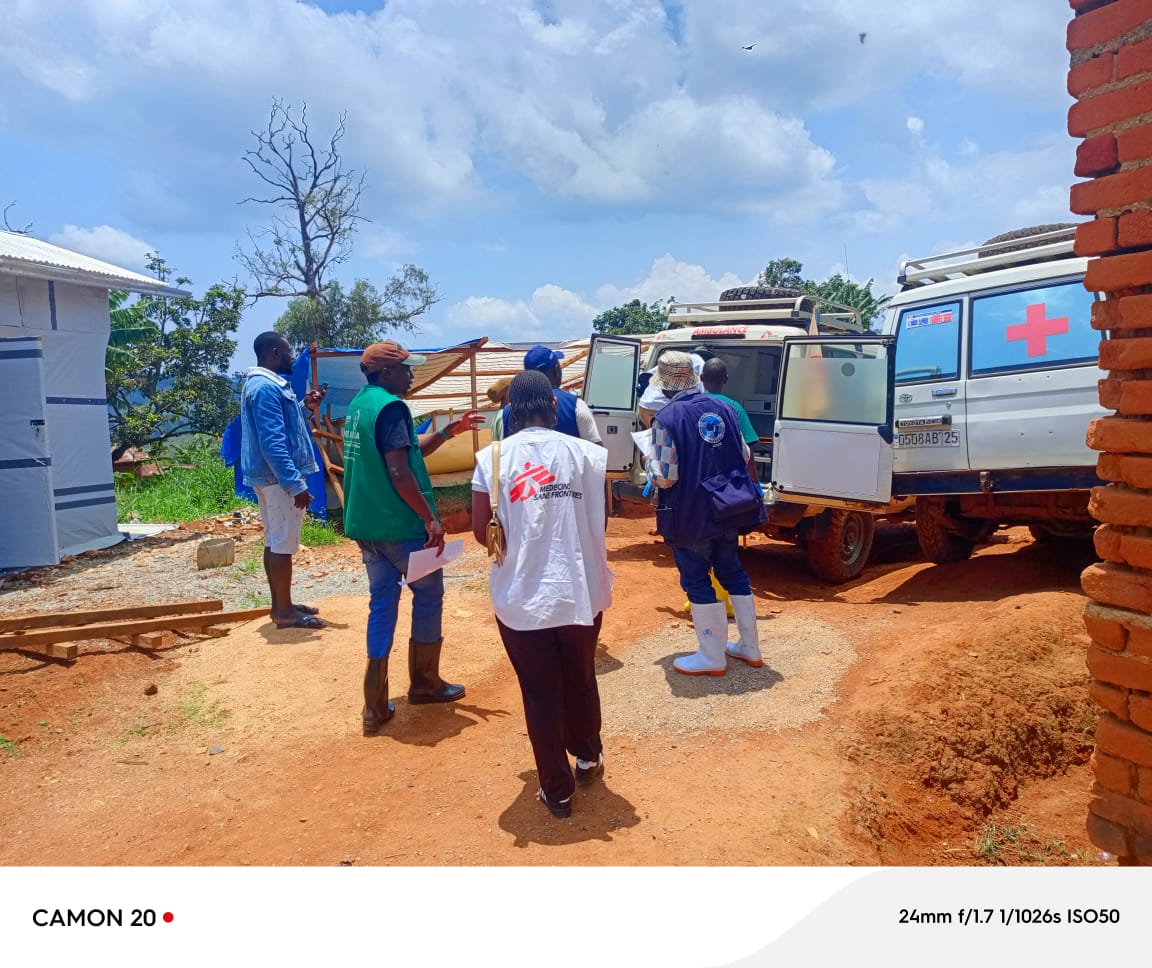
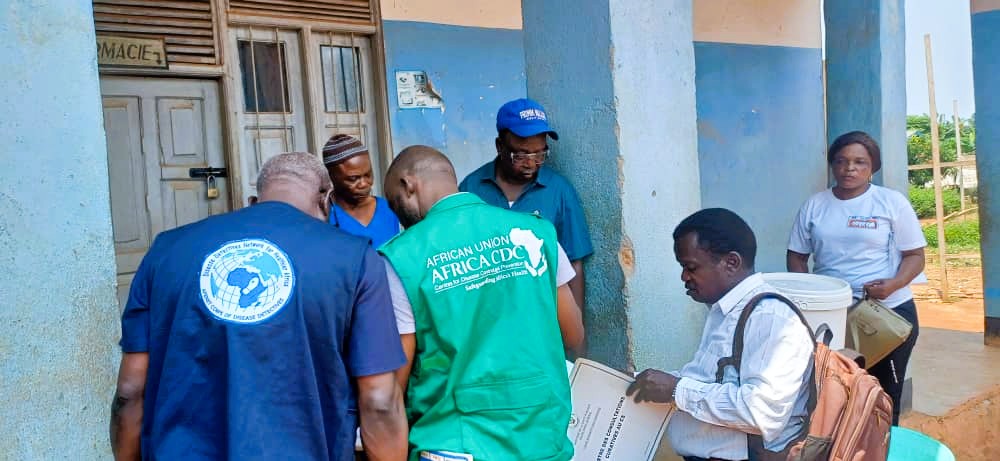
ACoDD responders work alongside provincial health authorities, community health workers and local surveillance teams to strengthen this essential part of the response.
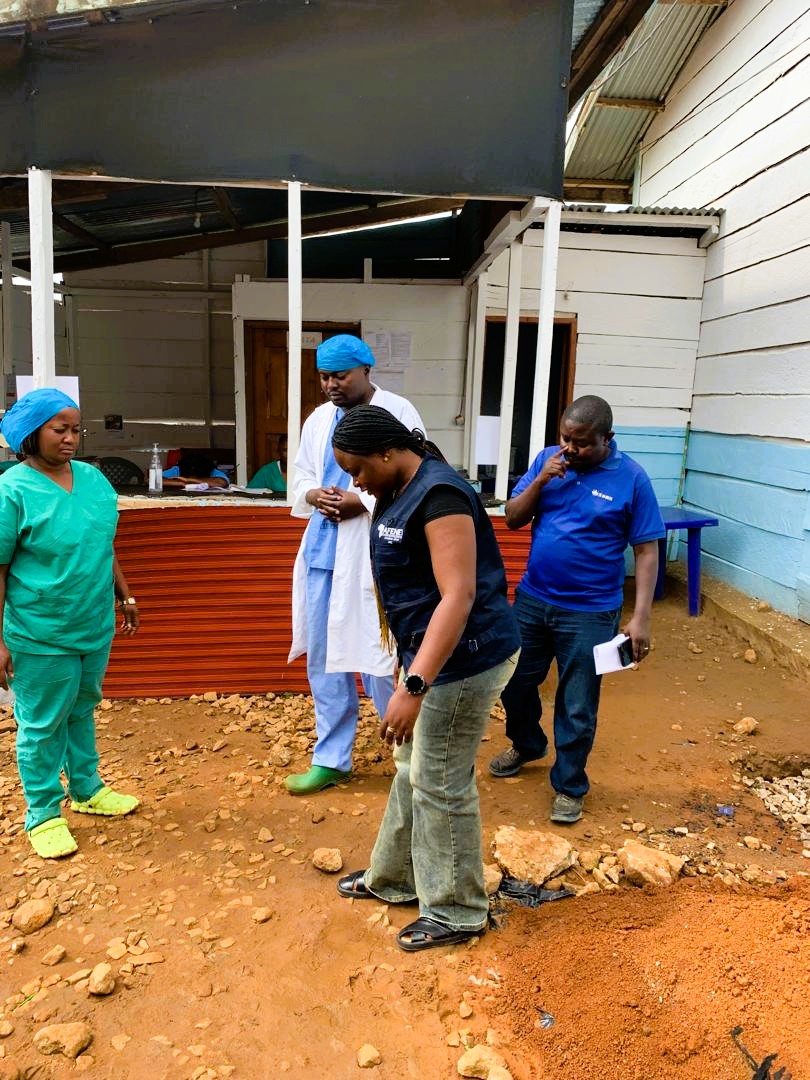
In Oicha, Beni Territory, North Kivu, AFENET-supported ACoDD teams have been conducting community-based surveillance activities linked to Oicha General Referral Hospital, where an Ebola response centre has been established.
Their work includes identifying and investigating community alerts, supporting the identification and follow-up of contacts, and linking suspected cases to health facilities for timely assessment.
Through direct engagement with communities, disease detectives can help identify additional contacts who may not have been captured during initial investigations, strengthening contact lists and improving opportunities for early detection.
Every previously unidentified contact found is another opportunity to interrupt a potential chain of transmission.
Why Surveillance Beyond the Outbreak Epicentre Matters
The movement of people between communities, provinces and neighbouring countries makes Ebola surveillance a regional public health priority.
The reported imported Ebola case in Kenya in October 2026, involving a traveller from the DRC who transited through Uganda, illustrates the importance of cross-border information sharing, surveillance at points of entry and rapid coordination between national health authorities.
AFENET’s deployment across nine DRC provinces supports a broader approach to outbreak preparedness and response, combining frontline surveillance in affected communities with strengthened capacity in other locations.
Through its regional network of Field Epidemiology Training Programs, AFENET also contributes to developing the epidemiological workforce needed to detect, investigate and respond to public health threats across national borders.
The Critical Role of Disease Detectives
Containing Ebola requires more than identifying confirmed cases. It requires surveillance teams that can recognize warning signs, investigate alerts quickly, trace contacts, engage communities and ensure that suspected cases are linked to appropriate health services.
ACoDD responders contribute to these activities by bringing field epidemiology skills closer to communities where infections may otherwise go undetected.
Their presence also supports local response structures, helping strengthen the connection between community-level information and provincial and national surveillance systems.
As the DRC continues its response, the deployment of 359 disease detectives demonstrates AFENET’s commitment to supporting national health authorities and strengthening the frontline workforce needed to respond to infectious disease threats.
In an Ebola outbreak, time matters. Every alert investigated, every contact identified and every suspected case detected early creates another opportunity to stop transmission and protect communities.