DRC Graduates Sixth Cohort of Intermediate Field Epidemiologists
-
by
AFENET
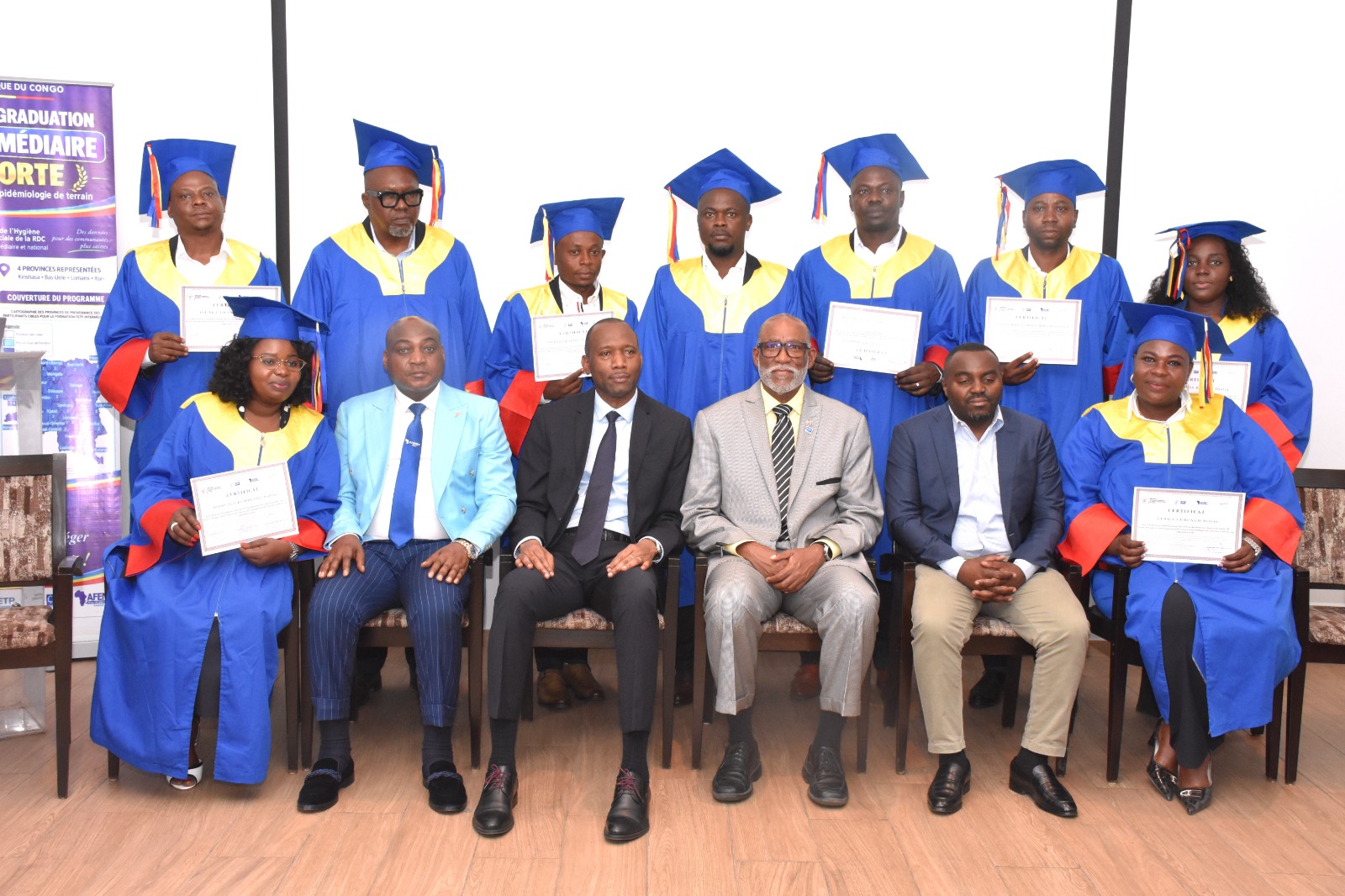
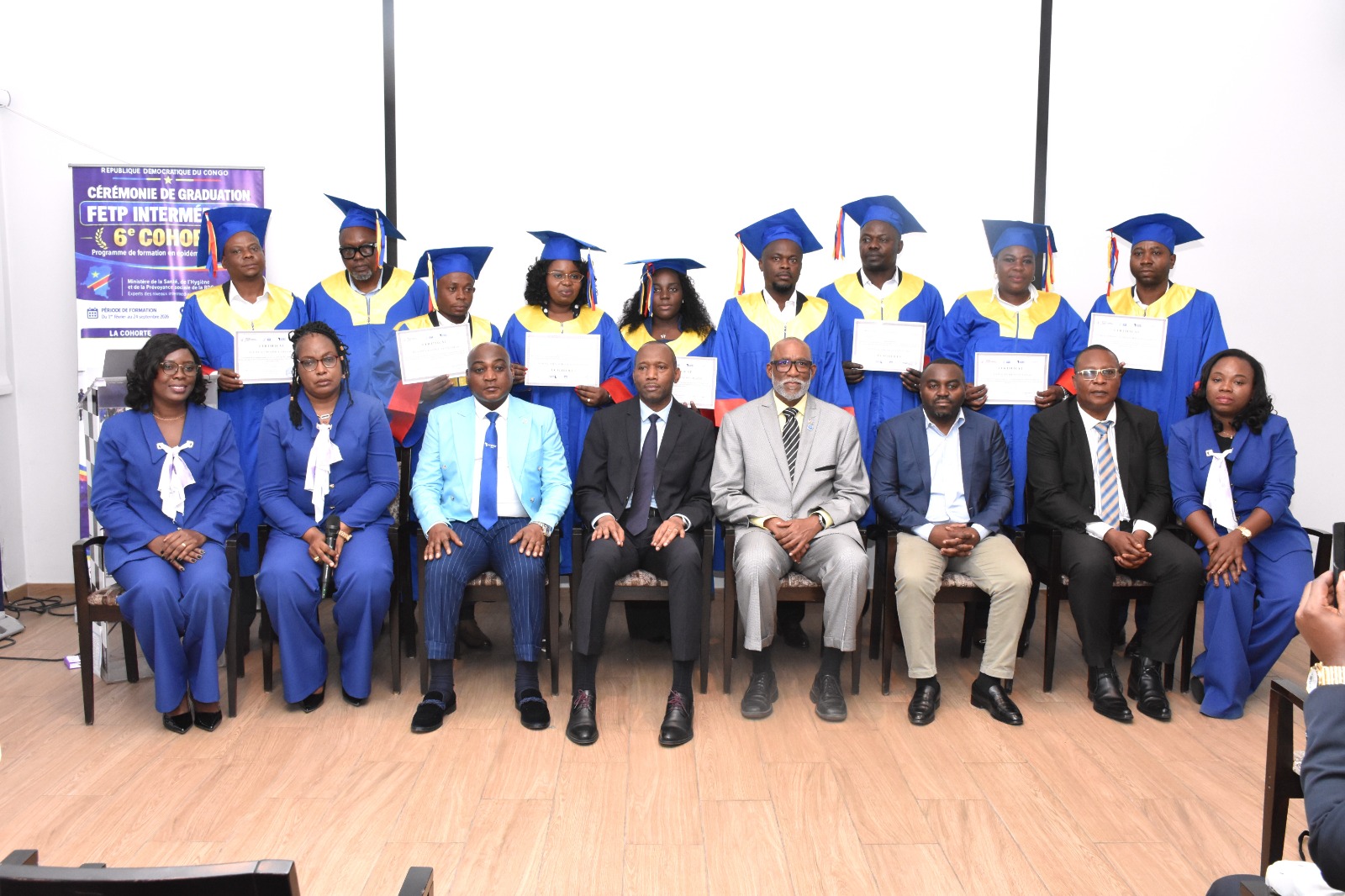
The Democratic Republic of the Congo has strengthened its public health workforce with the graduation of the sixth cohort of the Intermediate Field Epidemiology Training Program (FETP-Intermediate).
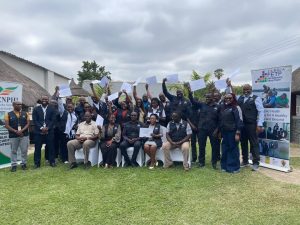
Fourteen field epidemiologists completed the nine-month training, bringing the total number of graduates from the country’s Intermediate FETP to 73. The cohort comprised 10 men and four women, including five medical doctors, five public health professionals, three medical biologists, one veterinarian and one environmental health professional.
The program was implemented by the Ministry of Public Health, Hygiene and Social Welfare through the National Institute of Public Health (INSP), in collaboration with the U.S. Centers for Disease Control and Prevention (CDC) and the African Field Epidemiology Network (AFENET).
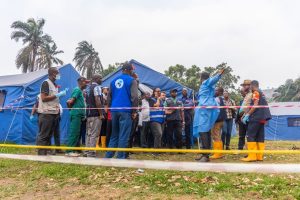
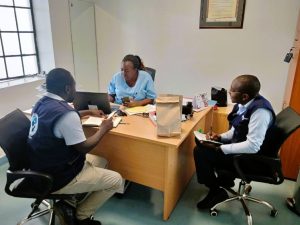
As part of their training, the graduates applied field epidemiology skills to priority public health issues. Their work included studies examining factors associated with maternal deaths in Bas-Uélé, Lomami and Kinshasa, as well as factors associated with road traffic crashes among motorcycle taxi drivers in Kinshasa. The studies demonstrated how epidemiological data can be applied to inform public health decision-making.
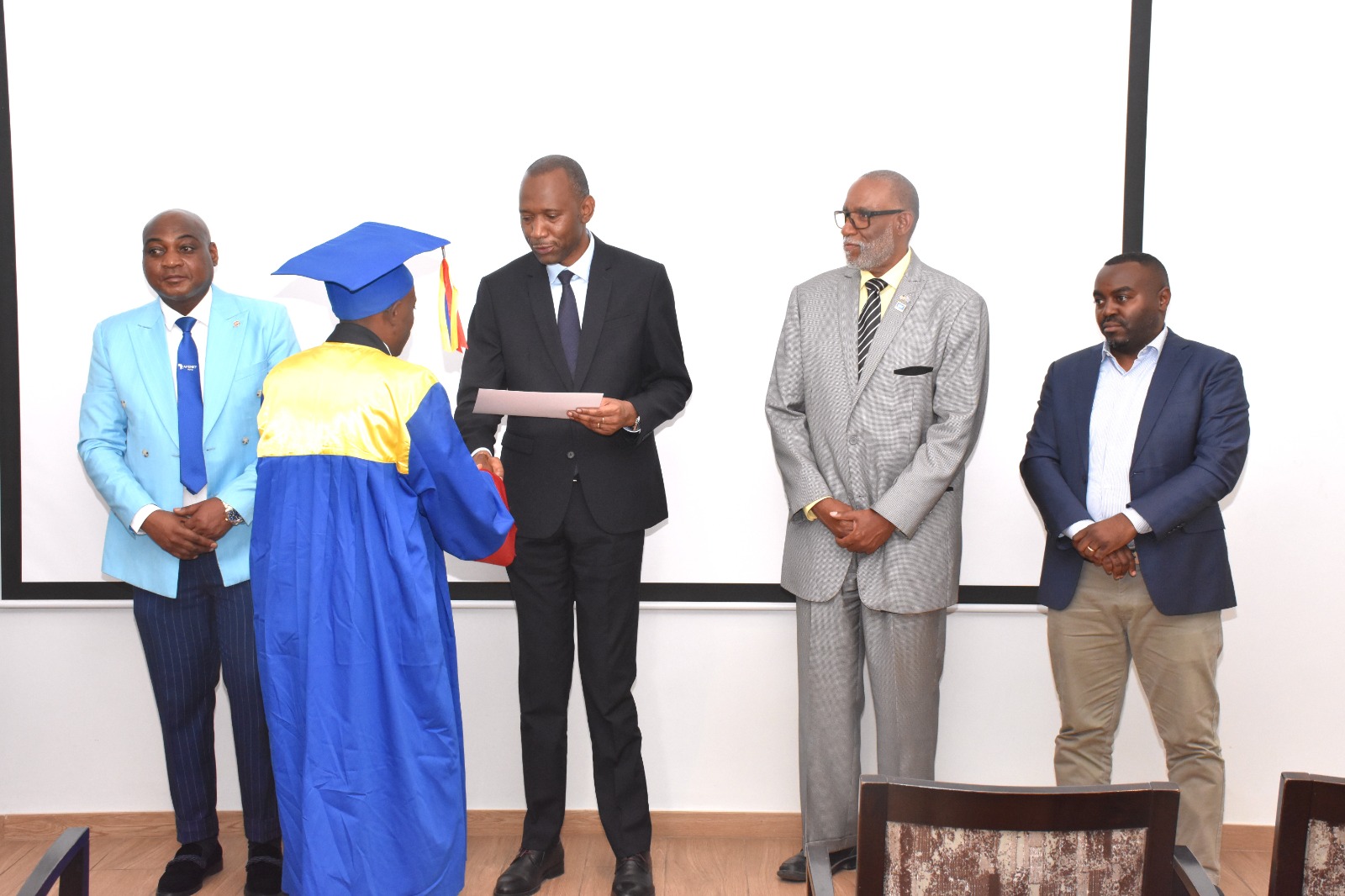
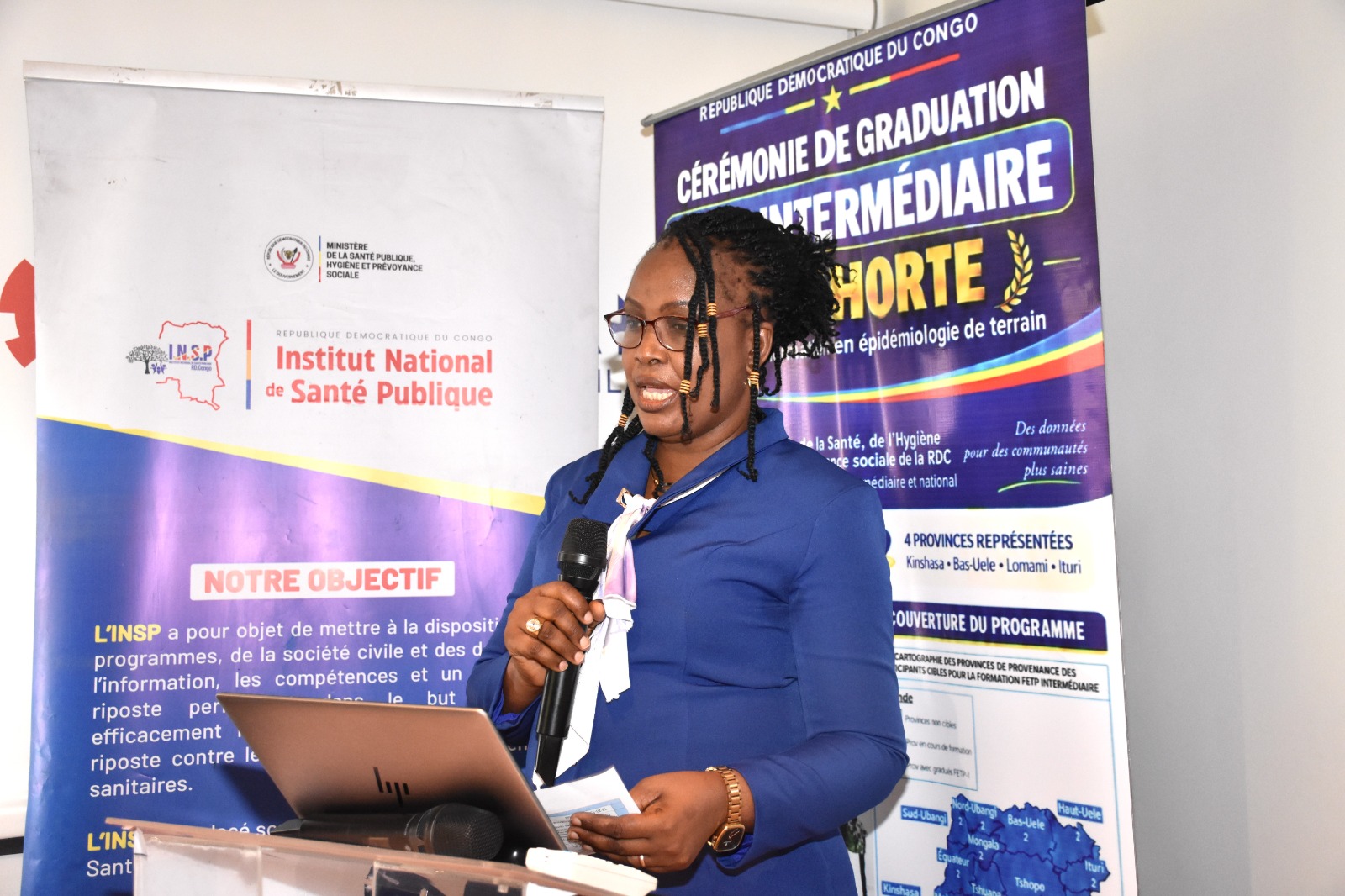
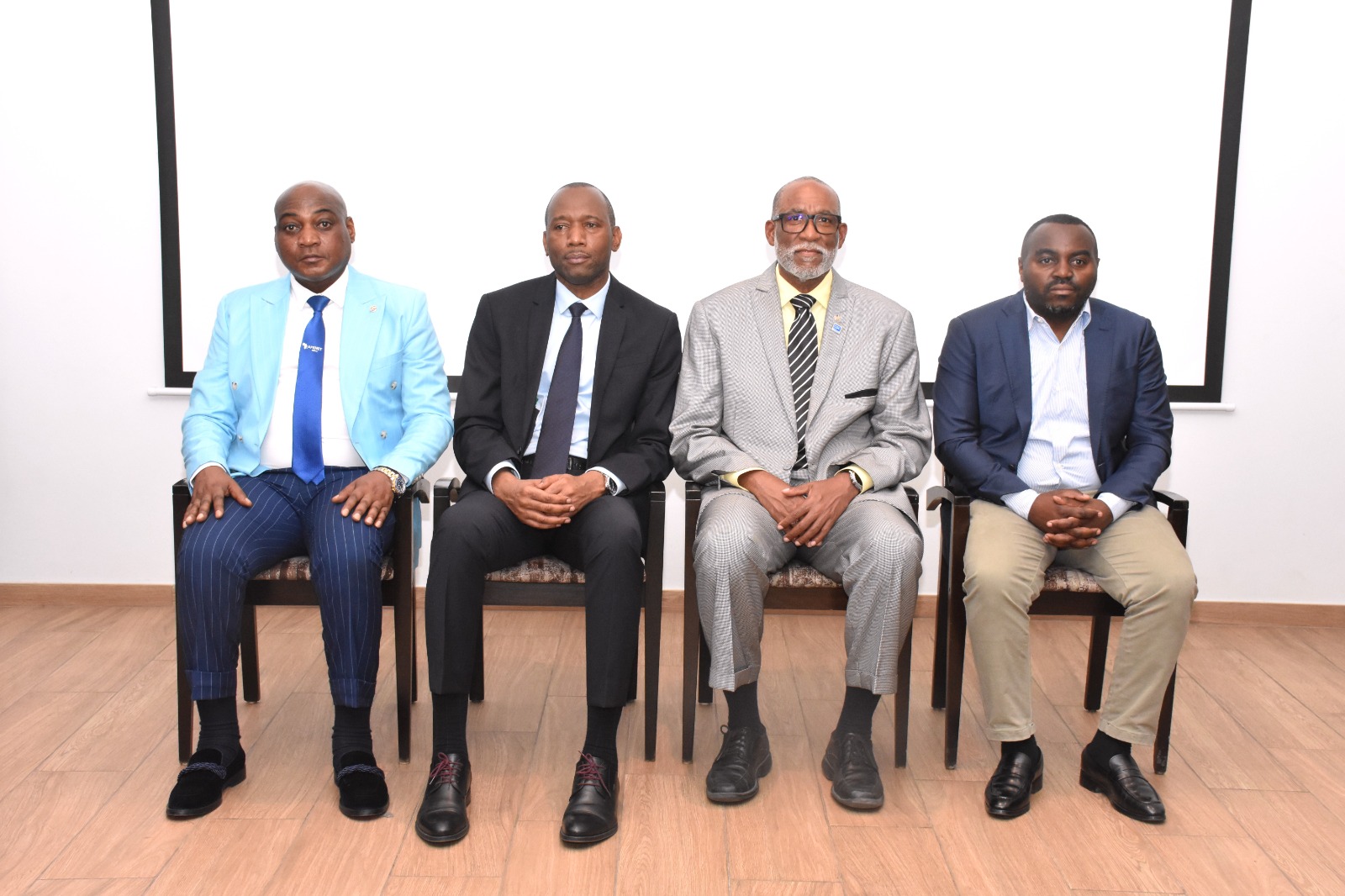
The graduation ceremony brought together senior representatives from the Government, INSP, CDC and AFENET, including Dr Dieudonné Mwamba Kazadi, Director General of INSP; Dr Maestro Evans, Acting CDC Country Director for the DRC; Dr Alain Nzanzu Magazani, AFENET Regional Technical Advisor for Central Africa and the Indian Ocean; and Dr Ken Kayembe Mabika, Resident Advisor for the Intermediate FETP.
Speakers encouraged the graduates to put their newly strengthened skills into practice to improve surveillance and response to public health threats. The new cohort adds to a growing cadre of field epidemiologists equipped to turn data into action and strengthen health security in the DRC.