Beyond the Outbreak: Building a Culture of Prevention in Africa
-
by
AFENET
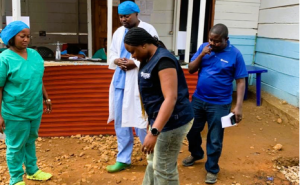
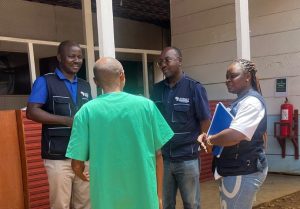
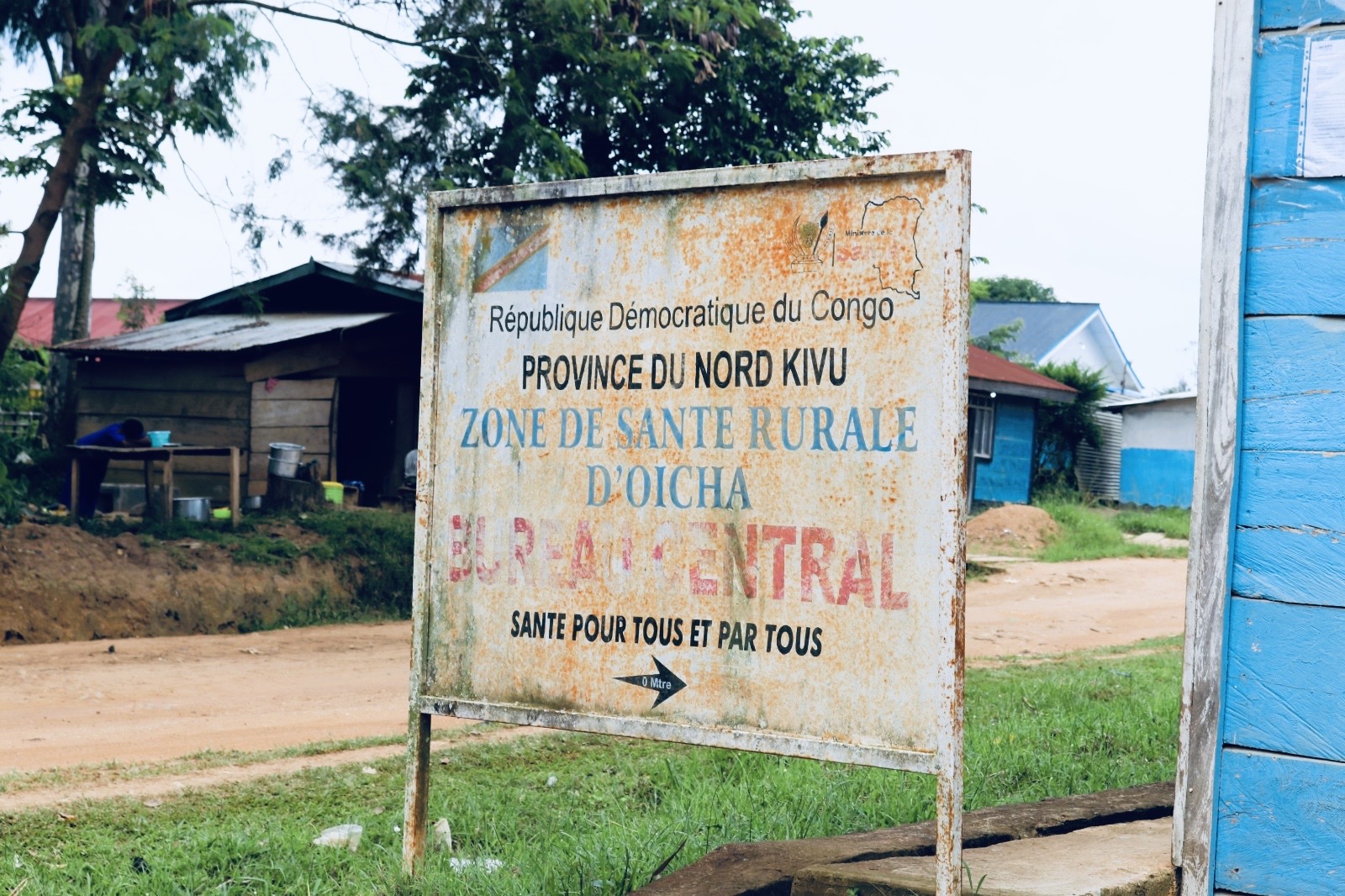
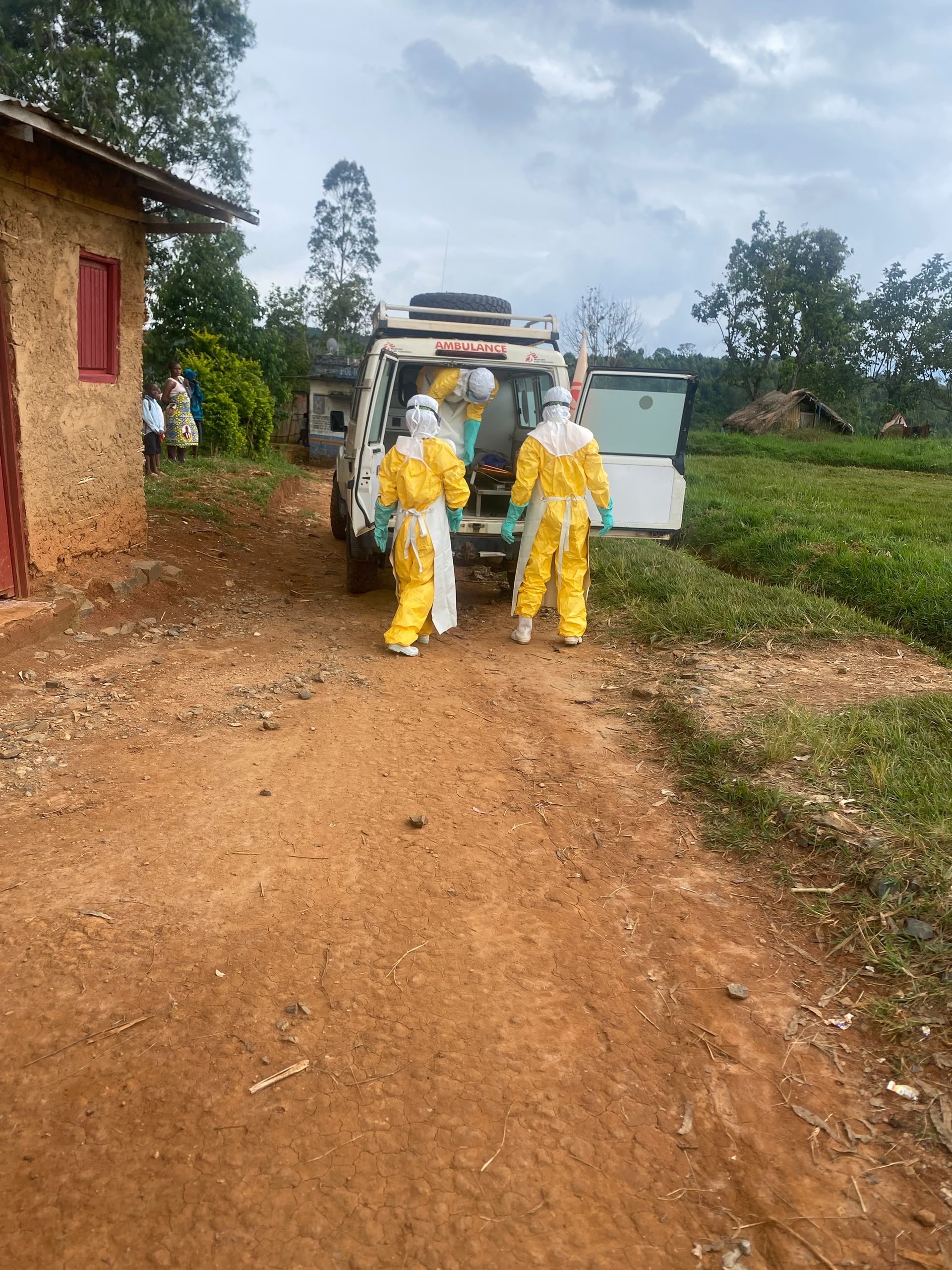
During my movements through Kinshasa, Kisangani, and Beni in the Democratic Republic of the Congo (DRC), one observation stayed with me: everyday life appeared to continue largely as usual, even as the Ebola response unfolded.
Markets remained busy. Buses carried passengers in close proximity. People gathered in churches, exchanged money, traded goods, and moved through crowded public spaces. I saw little visible evidence of the routine hygiene practices I had expected to encounter more consistently.
Then came an encounter at the airport that brought the issue closer to home.
A staff member checking me noticed the hand sanitizer I was carrying. She appeared surprised by it and asked to use some, explaining that they did not have sanitizer available to them.
It was a brief interaction, but it left me thinking.
If a basic preventive measure is not readily available in a workplace, how can we expect it to become an everyday habit? And if our public health messages are reaching people, why are the behaviours we promote not always visible in daily life?
These are reflections from my field experience, not a comprehensive assessment of community behaviour across the DRC. Yet they raise a question that deserves attention well beyond this outbreak:
How do we move from communicating during an outbreak to building a culture of prevention that lasts long after the emergency has passed?
When the message does not become the habit
Public health emergencies rightly trigger intensive communication. Messages are developed, awareness campaigns launched, community engagement activities strengthened, and communication channels mobilised.
But communicating a message and changing behaviour are not the same thing.
People can hear a message repeatedly without incorporating it into their daily routines. The threat may feel distant. Familiar practices may be difficult to change. Competing priorities may take precedence. When everyone around us continues as usual, changing our own behaviour can feel unnecessary.
There is also a danger that repeated emergency messaging loses its impact over time, particularly when people do not see corresponding changes in their environment.
We must therefore look beyond the number of messages disseminated and ask whether people have the knowledge, motivation, resources, and social support to act on them.
My airport encounter illustrates this complexity. The absence of sanitizer may reflect a gap in workplace provision rather than a lack of awareness. Both individual behaviour and institutional responsibility matter.
We cannot communicate our way out of every public health challenge. Messages must be supported by practical opportunities to act.
Prevention must begin before the outbreak
Perhaps we need to reconsider how we think about preparedness.
Too often, visible preventive activities intensify when an outbreak is declared and diminish when public attention moves elsewhere. Yet the period between outbreaks presents an important opportunity to establish the knowledge, habits, relationships, and systems that communities will need during the next emergency.
What if hygiene and health literacy were part of everyday school life, rather than occasional campaign topics?
What if churches and other faith institutions routinely supported accurate, practical health information?
What if markets, transport hubs, airports, workplaces, and other public spaces had functioning hygiene facilities, reliable supplies, and clear responsibilities for maintaining them?
And what if communities had regular opportunities to discuss health risks with trusted local leaders and health workers, even when there was no immediate crisis?
These are opportunities to make prevention part of the environments in which people live, work, learn, worship, and travel.
The objective is not to maintain emergency-level restrictions indefinitely. It is to establish sustainable, evidence-based preventive practices and supportive environments that strengthen resilience before the next outbreak.
Schools, churches, markets: Where culture takes shape
Culture is often discussed as though it were fixed. In reality, everyday practices are influenced by what people learn, what they see others doing, what institutions provide, and what their communities consider normal.
Schools offer an opportunity to establish healthy habits early. Age-appropriate health education, practical handwashing routines, and functioning facilities can help children develop behaviours they carry into adulthood and their homes.
Faith communities offer trusted networks through which health information can be shared and discussed. Religious leaders can help connect public health guidance with community values, encourage timely care-seeking, and support safe practices during outbreaks.
Markets and transport hubs present a different opportunity. Rather than relying solely on posters or public announcements, authorities and operators can make prevention practical through accessible handwashing stations, reliable water and soap supplies, appropriate cleaning arrangements, and clear responsibility for maintenance.
These approaches require collaboration between public health institutions, education authorities, local government, community leaders, and the private sector.
They also require listening. Communities should help identify the barriers they face and shape solutions that are feasible within their daily realities.
A culture of prevention cannot simply be announced. It must be practised, supported, and reinforced.
From telling people to understanding people
As communications professionals, we must be willing to ask difficult questions about our own approaches.
Have we focused too heavily on delivering messages and too little on understanding why people do or do not act on them?
Have we measured communication reach more consistently than behaviour change?
Do our strategies adequately consider trust, social norms, access to resources, economic pressures, and the influence of community networks?
These questions do not diminish the importance of risk communication. They strengthen it.
Effective communication requires more than knowing what to say. It requires understanding the audience, the context, the barriers to action, and the people whose voices influence decisions.
Community discussions, behavioural research, feedback mechanisms, and collaboration with local organisations can help us design interventions that respond to real needs rather than assumptions.
We should also measure what matters. Alongside the number of people reached, programmes should assess whether essential facilities are functioning, supplies remain available, appropriate behaviours are practised, and communities know when and where to seek care.
The aim is not simply to make prevention more visible during an outbreak, but to determine whether the foundations of prevention are being maintained between outbreaks.
A shared responsibility for preparedness
Building a culture of prevention is not the responsibility of communications teams alone.
Communications professionals can help translate evidence into meaningful messages, understand audiences, facilitate dialogue, and strengthen trust. Epidemiologists and other public health practitioners can identify risks and guide appropriate interventions. Educators, faith leaders, local authorities, community health workers, and service providers can help integrate prevention into everyday settings.
Institutions must also provide the infrastructure, supplies, policies, and accountability that enable people to put guidance into practice.
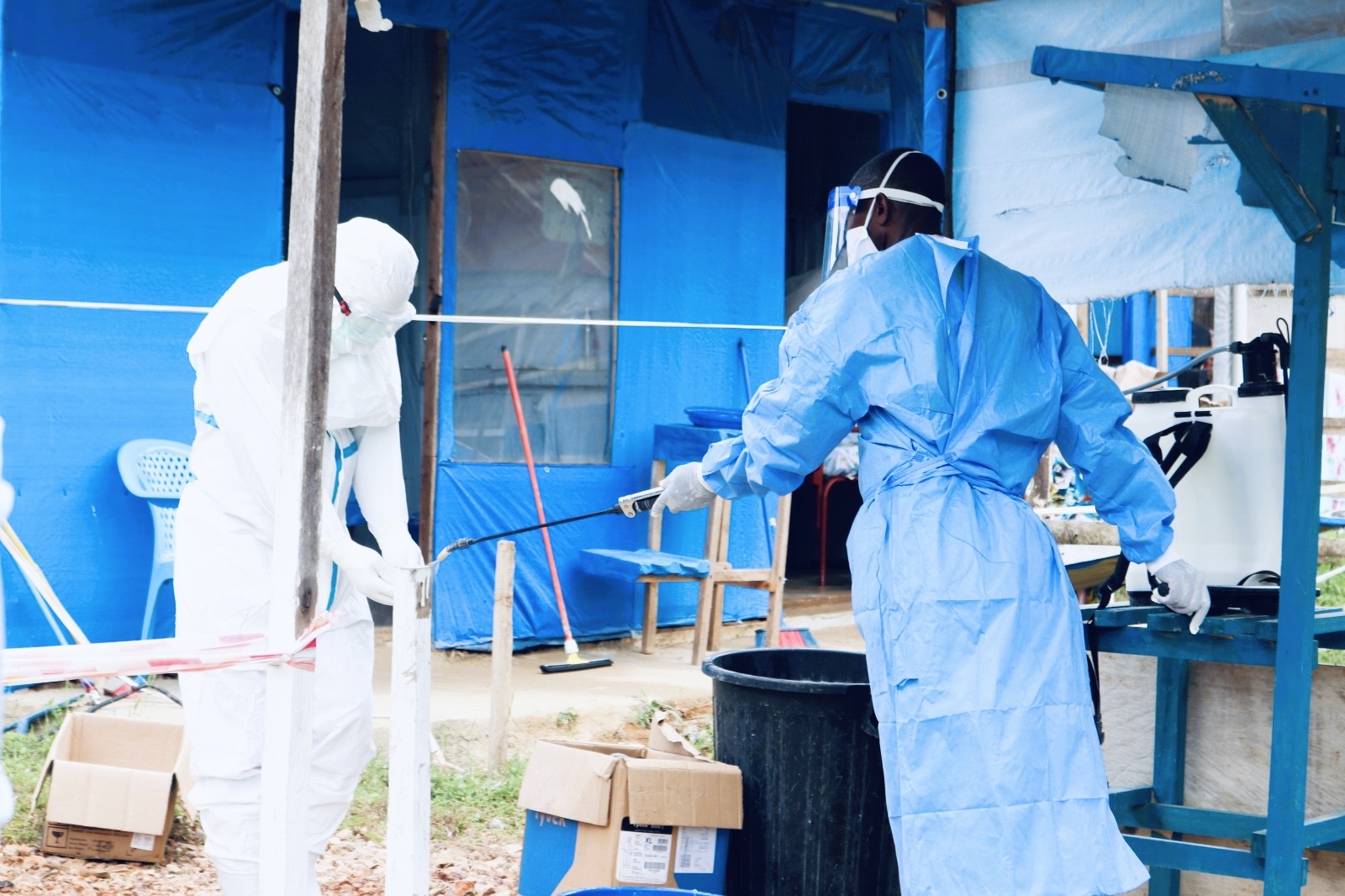
For Ebola specifically, this means communicating accurately about exposure risks, particularly contact with infectious bodily fluids or contaminated materials, and reinforcing safe caregiving, safe and dignified burial practices, timely reporting, and appropriate infection prevention and control.
Routine hand hygiene remains important for public health more broadly, but the presence of crowds or the exchange of money alone does not establish Ebola transmission risk. Prevention messages must be proportionate, scientifically sound, and relevant to the circumstances.
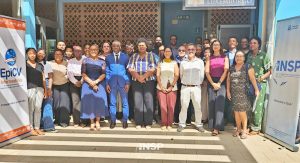
For networks such as the African Field Epidemiology Network (AFENET), this also presents an opportunity to strengthen the connection between field epidemiology, risk communication, community engagement, and long-term preparedness. Sharing lessons across countries can help practitioners identify approaches that work, understand why they work, and adapt them to different settings.
The next outbreak should not be our starting point
My observations in the DRC have reinforced a simple but important reflection: preparedness is not only about whether we can detect an outbreak and mobilise a response. It is also about what we have built before the outbreak begins.
Have we invested in health literacy? Are our public institutions equipped to support appropriate preventive practices? Do communities trust the people communicating with them? Have we created environments in which healthy behaviours are practical and sustainable?
No single intervention will eliminate outbreaks, and changing social norms takes time. But we can begin by making prevention a consistent part of public health policy, education, community engagement, and institutional practice.
The next outbreak should not be the moment we start talking about prevention. It should be the moment we draw on the habits, trust, knowledge, and systems we have already built.
Because a culture of prevention is not created in an emergency. It is built every day, long before the emergency arrives.