Beyond the Outbreak: Building a Culture of Prevention in Africa
-
by
AFENET
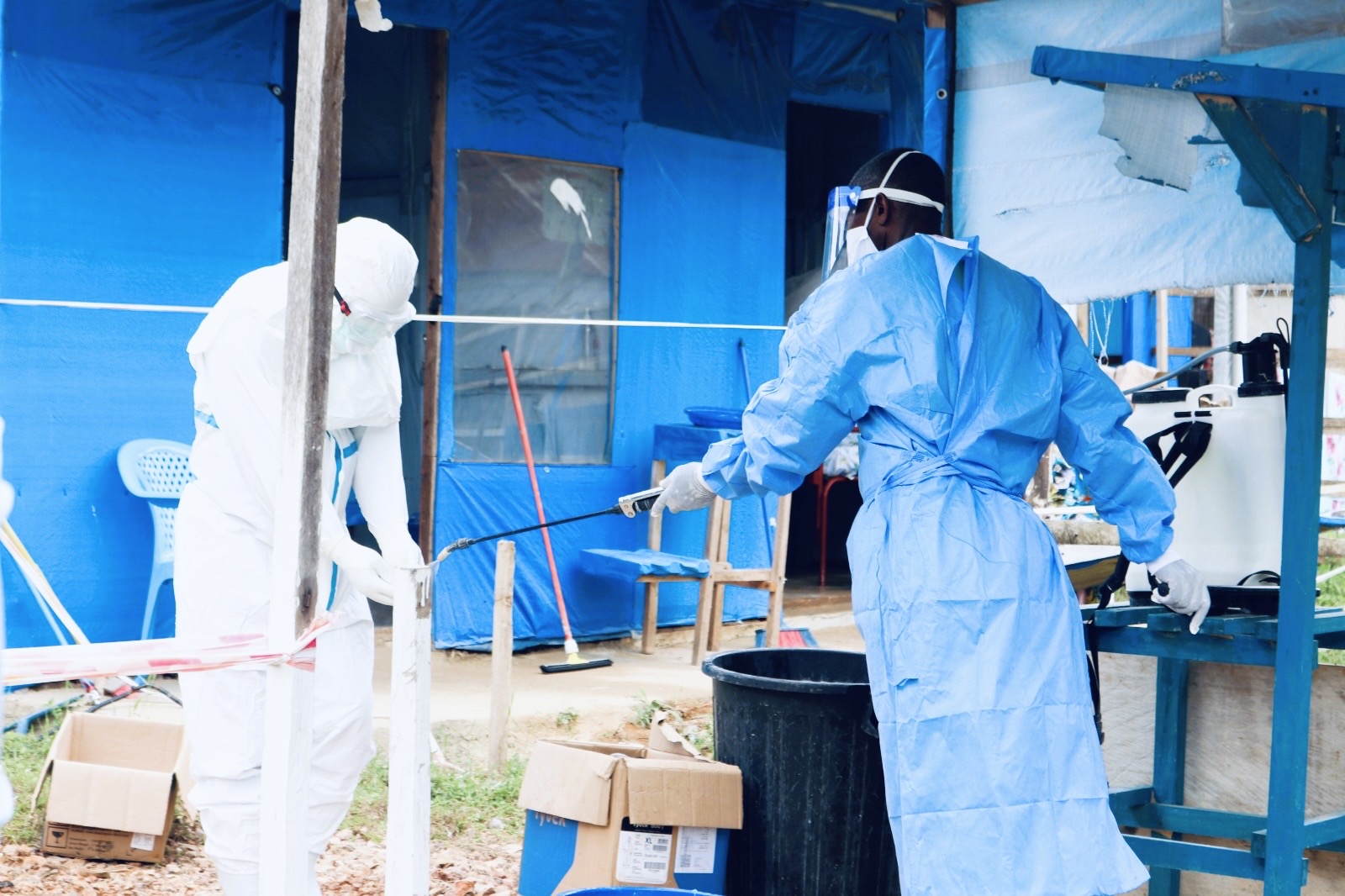
As the Ebola response continues in the Democratic Republic of Congo (DRC), an important question emerges beyond the immediate efforts to contain the outbreak: How can African countries build a culture of prevention that becomes part of everyday life, rather than a temporary response to public health emergencies?
In cities such as Kinshasa, Kisangani and Beni, everyday activities continue alongside outbreak response efforts. Markets remain busy, public transport operates, businesses conduct their activities, and communities gather for worship and social events.
This continuity is important for livelihoods and community life. However, observations during field documentation of the Ebola response also raised questions about the visibility, accessibility and sustainability of everyday preventive practices.
One particularly telling encounter occurred at an airport, where a staff member noticed a visitor carrying hand sanitizer and asked to use some, explaining that sanitizer was not available to the staff.
Although a single encounter cannot represent conditions across an entire country, it illustrates a wider public health challenge: Prevention cannot depend on awareness alone when the resources and environments needed to practise it are not consistently available.
The challenge extends beyond Ebola and beyond the DRC. Across Africa, strengthening epidemic preparedness requires greater attention to the habits, institutions and community systems that support prevention long before an outbreak is declared.
When the message does not become the habit
During public health emergencies, communication activities often intensify. Health authorities and partners develop messages, mobilize community leaders, conduct awareness campaigns and disseminate information through radio, television, social media and community networks.
These efforts are essential for informing communities about emerging threats and encouraging protective action.
Yet communicating a message does not automatically translate into sustained behaviour change.
People may understand the importance of prevention but face practical barriers to acting on that knowledge. Facilities may lack essential supplies. Households may have limited access to clean water. Economic pressures may influence decisions, while established social practices and community expectations can make behavioural adjustments difficult.
Repeated exposure to health messages may also have limited impact when people do not see corresponding improvements in their surroundings.
This raises an important question for public health institutions: Are communication programmes designed primarily to increase awareness, or do they also address the conditions that enable people to act?
Effective prevention requires both.
Health messages must be accompanied by accessible services, functioning facilities, supportive policies and trusted community relationships.
A message can encourage a behaviour, but the environment must make that behaviour possible.
Prevention must begin before an outbreak
Public health preparedness is often associated with surveillance systems, emergency operations centres, laboratories, rapid response teams and medical supplies.
These capacities are indispensable. However, preparedness must also extend to the communities and institutions where people live, work, learn and interact.
The period between outbreaks offers an opportunity to establish the knowledge, practices and relationships that communities will need when the next emergency occurs.
Schools can integrate practical health education into everyday learning. Health facilities can reinforce infection prevention and control as a continuous responsibility. Workplaces and public institutions can maintain appropriate hygiene facilities and supplies.
Community leaders can sustain conversations about health risks beyond periods of heightened public concern.
This does not mean maintaining emergency restrictions indefinitely. It means embedding sustainable, evidence-based preventive practices into routine institutional and community life.
When prevention becomes part of normal practice, communities are better positioned to respond when a new threat emerges.
Schools, faith institutions and markets: Where prevention takes root
A culture of prevention is shaped by the environments in which people spend their lives.
Schools provide opportunities to introduce health literacy early. Practical lessons on hygiene, disease prevention, recognizing illness and seeking appropriate care can help children develop lifelong habits and share knowledge within their households.
Faith institutions are equally important. Religious leaders often maintain trusted relationships with communities and can support accurate health information, address concerns and encourage appropriate preventive action.
During outbreaks, these relationships can be particularly valuable in promoting early reporting, safe caregiving and community cooperation with response teams.
Markets, transport hubs and workplaces also have a role.
Rather than relying exclusively on posters and public announcements, responsible authorities and operators can support prevention by ensuring access to appropriate hygiene facilities, maintaining supplies and establishing clear responsibilities for cleaning and maintenance.
Community participation is essential to making these approaches sustainable.
People are more likely to adopt and maintain preventive practices when interventions respond to their circumstances and when they participate in identifying barriers and developing solutions.
A culture of prevention cannot simply be communicated into existence. It must be supported through everyday practice.
Moving beyond awareness to behaviour change
One of the most important lessons for public health communication is the need to distinguish between reaching people with information and enabling them to act on it.
Communication reach remains an important measure, but it tells only part of the story.
A campaign may reach thousands of people without necessarily addressing the factors that influence their decisions.
These factors may include trust in health authorities, perceived risk, social norms, access to services, economic pressures and previous experiences with health interventions.
Strengthening prevention therefore requires a shift from simply delivering messages to understanding the communities receiving them.
Risk communication and community engagement should incorporate behavioural research, community feedback, dialogue with trusted local actors and continuous assessment of barriers to preventive action.
Programmes must also look beyond communication outputs.
Are appropriate preventive practices being adopted? Are essential facilities functioning? Are supplies consistently available? Do communities know where to report suspected illness? Are health workers and community leaders equipped to respond to concerns?
These questions help determine whether communication efforts are contributing to meaningful and sustainable improvements.
The objective should not be to communicate more, but to communicate more effectively while strengthening the systems that make prevention possible.
What Ebola teaches us about community preparedness
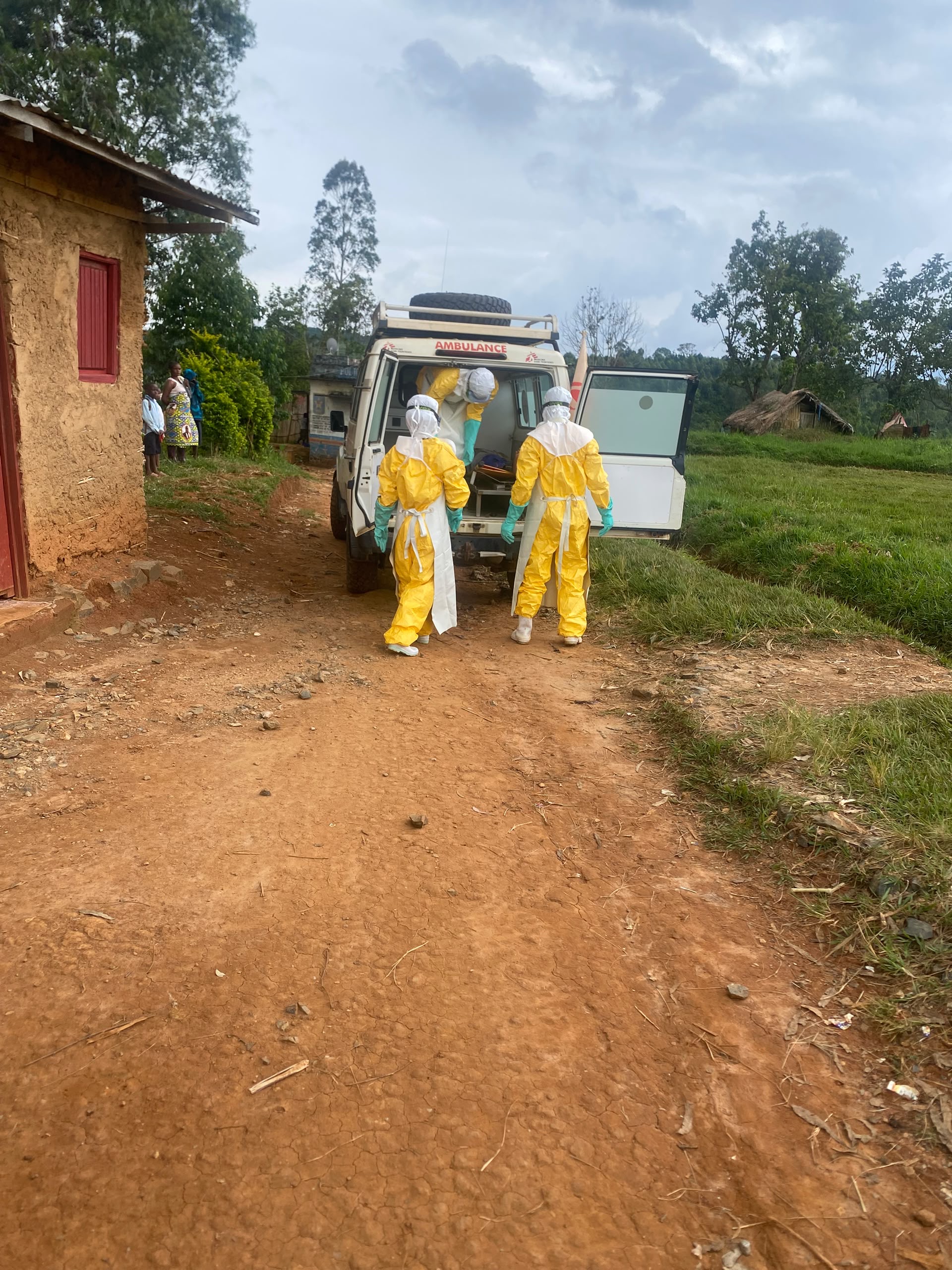
Ebola outbreaks demonstrate why prevention requires coordinated action across multiple levels of the health system.
Effective Ebola prevention depends on accurate information about transmission risks, early identification and reporting of suspected cases, appropriate infection prevention and control, safe caregiving, contact tracing, and safe and dignified burial practices.
Ebola spreads primarily through direct contact with the blood or other bodily fluids of an infected person who is symptomatic, or through contaminated materials. Public health communication must therefore distinguish between general hygiene practices and measures specifically required to prevent Ebola transmission.
Crowded markets, public transport and routine social interactions do not, by themselves, establish Ebola transmission risk.
This distinction matters because effective risk communication must be scientifically accurate, proportionate and sensitive to community realities.
Outbreak responses also depend on community trust.
Surveillance teams need communities to report alerts promptly. Contact tracers require cooperation to identify and follow exposed individuals. Health facilities need patients and families to seek care early, while burial teams must work with communities to ensure safe and dignified practices.
These relationships cannot always be established overnight.
Where trust, health literacy and community engagement have been strengthened before an emergency, response teams have a stronger foundation on which to build.
The lessons from Ebola therefore extend beyond the disease itself. They demonstrate the importance of integrating community engagement into routine preparedness rather than treating it solely as an emergency intervention.
Strengthening the link between surveillance and community engagement
Africa’s investments in field epidemiology, disease surveillance and emergency response provide an important foundation for strengthening prevention.
Field epidemiologists play a critical role in detecting outbreaks, investigating cases, analysing transmission patterns and guiding public health action.
However, surveillance systems are most effective when communities understand their role in identifying and reporting potential health threats.
This requires stronger connections between epidemiologists, risk communication specialists, community health workers, local authorities and trusted community structures.
For organizations such as the African Field Epidemiology Network (AFENET), the experience of supporting outbreak preparedness and response across Africa reinforces the value of bringing these disciplines together.
Through field epidemiology training, surveillance support, outbreak investigation and deployment of frontline responders, AFENET contributes to strengthening the technical capacities countries need to detect and respond to epidemic threats.
Connecting these capacities with sustained community engagement can further strengthen early warning systems and improve the timeliness and effectiveness of public health responses.
The broader objective is to ensure that surveillance is not limited to collecting and analysing information, but is supported by communities that recognize risks, trust reporting mechanisms and participate in prevention.
Prevention is a shared responsibility
Building a culture of prevention requires more than the efforts of ministries of health or communication teams.
It demands collaboration across education, local government, transport, commerce, faith institutions, community organizations and the private sector.
Public health authorities must provide evidence-based guidance and maintain surveillance and response capacities. Institutions must ensure that essential preventive resources and policies are in place.
Community leaders can support trust and dialogue, while individuals and households contribute by adopting appropriate practices and participating in local health initiatives.
Governments and development partners must also recognize that prevention requires sustained financing.
Investments in health literacy, community engagement, infection prevention and control, water and sanitation infrastructure, and frontline public health capacity should not disappear when an outbreak is declared over.
A resilient health system is one that continues to strengthen its preventive foundations even when there is no immediate emergency.
The next outbreak should not be our starting point
The ongoing Ebola response in the DRC offers an opportunity to reflect not only on how outbreaks are managed, but also on what can be strengthened before the next one occurs.
Are preventive practices integrated into everyday institutional life? Do communities have access to the resources needed to follow public health guidance? Are trusted relationships maintained between health authorities and communities? Are surveillance systems connected to local structures capable of recognizing and reporting emerging threats?
These questions deserve attention beyond the immediate outbreak.
No single communication campaign, surveillance intervention or community initiative can eliminate epidemic threats. However, sustained investments in prevention, trust, health literacy and institutional preparedness can reduce vulnerabilities and strengthen response capacity.
The next outbreak should not be the moment prevention begins. It should be the moment communities and health systems draw upon the knowledge, trust, habits and capacities they have already established.
Because a culture of prevention is not built during an emergency alone.
It is built every day, long before the emergency arrives.