From Silence to Detection: How Field Epidemiologists Revitalised Polio Surveillance in 26 Districts of Chad An AFENET–CDC-supported deployment helped strengthen disease detection, restore reporting in previously silent districts and improve polio surveillance across ten provinces.
-
by
AFENET
Chad | November 2026
In the first months of 2026, a troubling pattern emerged across several high-risk districts in Chad. Health facilities were not reporting cases of acute flaccid paralysis (AFP), the principal clinical signal used to detect possible poliovirus transmission.
In some communities, children experiencing sudden paralysis could remain outside the formal surveillance system. Health workers lacked regular supervision, reporting networks were weak, and remote communities were difficult to reach.
By epidemiological week 22, 13 of the 26 priority districts had reported no AFP cases.
For a country still confronting circulating vaccine-derived poliovirus, this silence presented a serious public health concern.
Five months later, sustained field support had begun to change the picture.
Bringing Surveillance Closer to Communities
Between May and September 2026, with funding from the US Centers for Disease Control and Prevention (US CDC) through AFENET, 11 field consultants, including experienced STOP personnel and Field Epidemiology Training Program graduates, were deployed to 26 priority health districts across ten provinces.
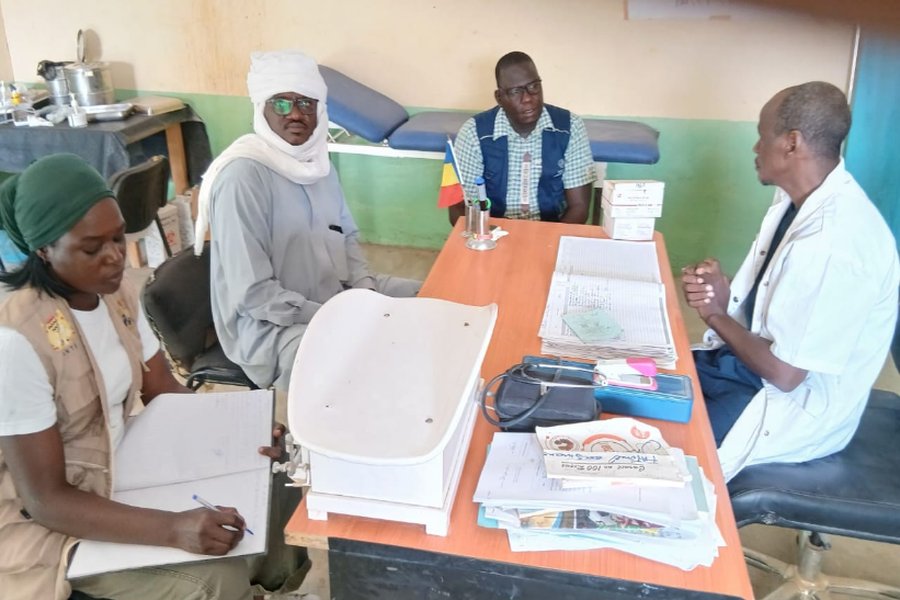
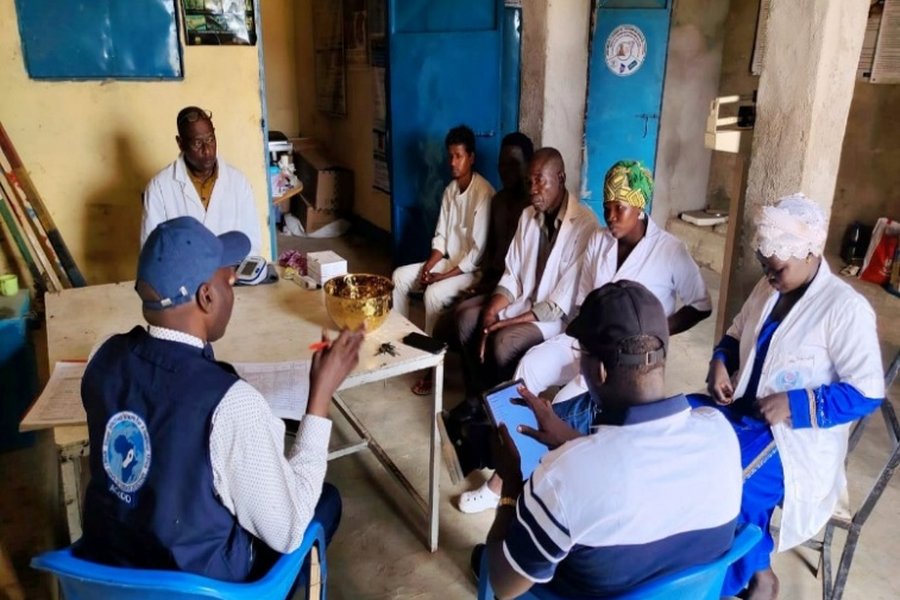
Working alongside district health management teams, the consultants focused on strengthening surveillance where the risks of undetected poliovirus transmission were greatest.
These included districts bordering Cameroon and the Central African Republic, areas hosting refugees and displaced populations, and districts with limited AFP reporting.
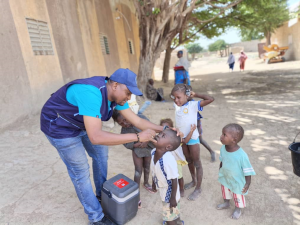
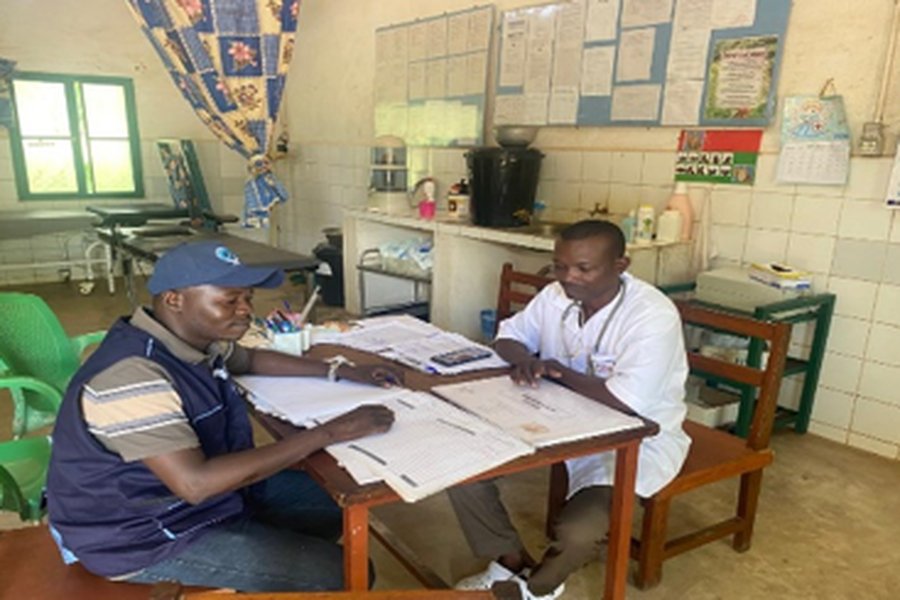
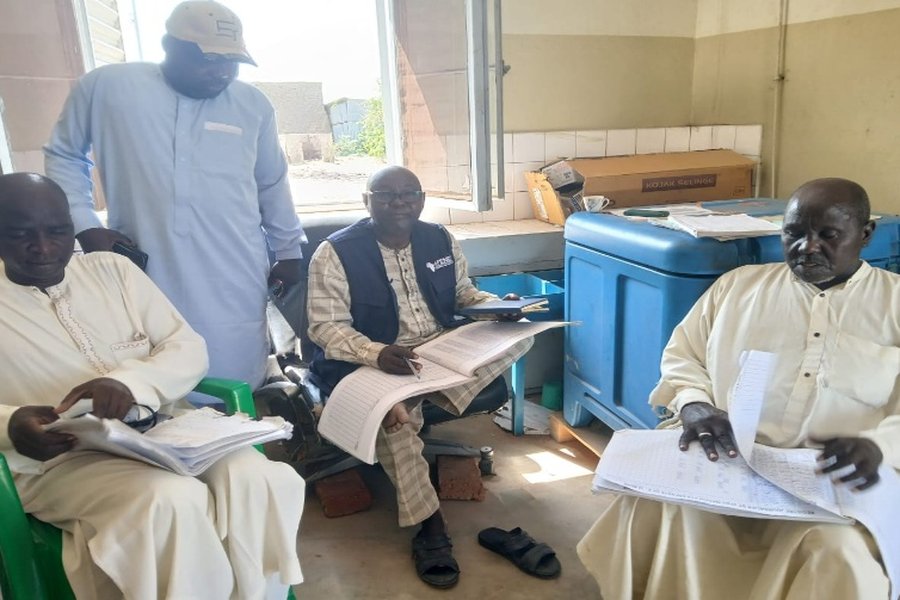
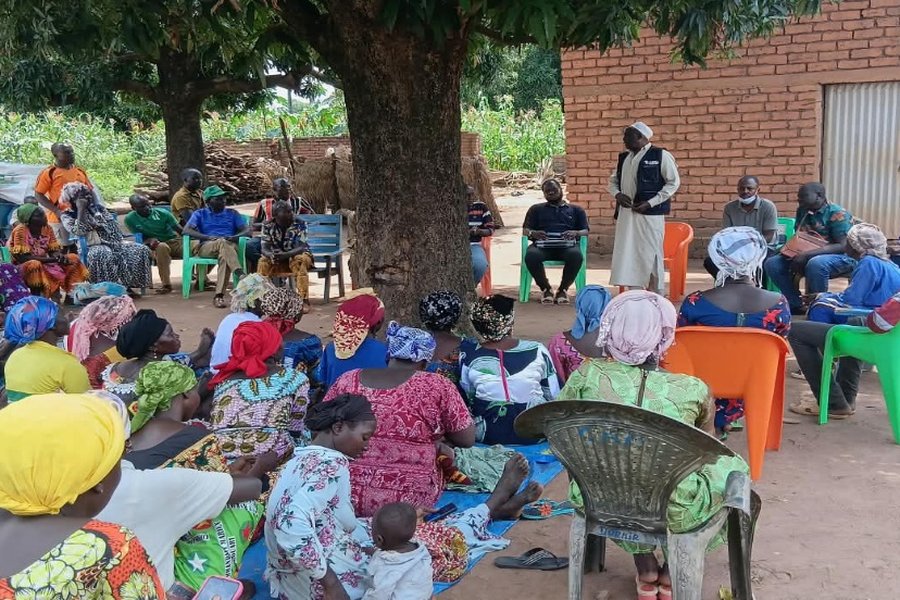
Rather than relying exclusively on routine facility reporting, the teams actively searched for suspected cases, reviewed health records and engaged communities.
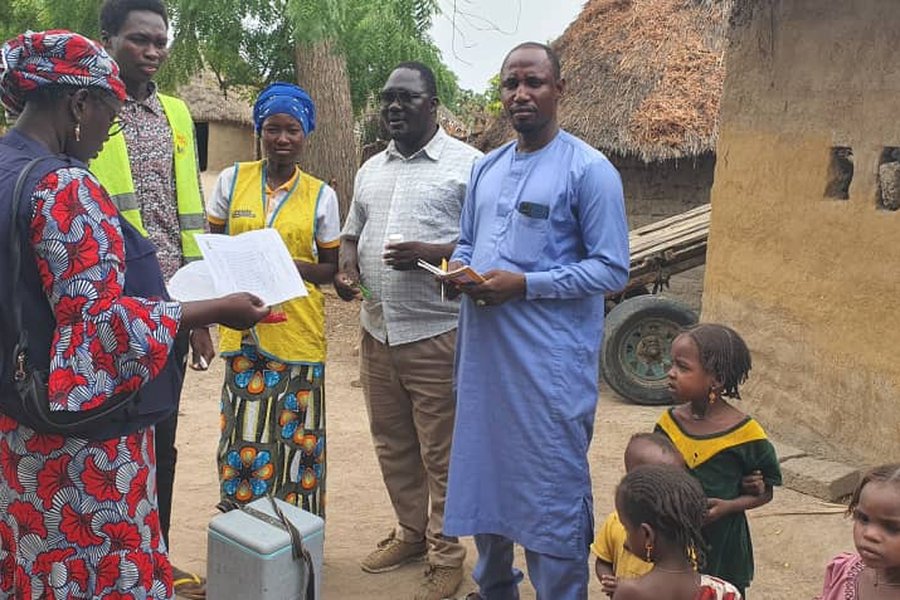
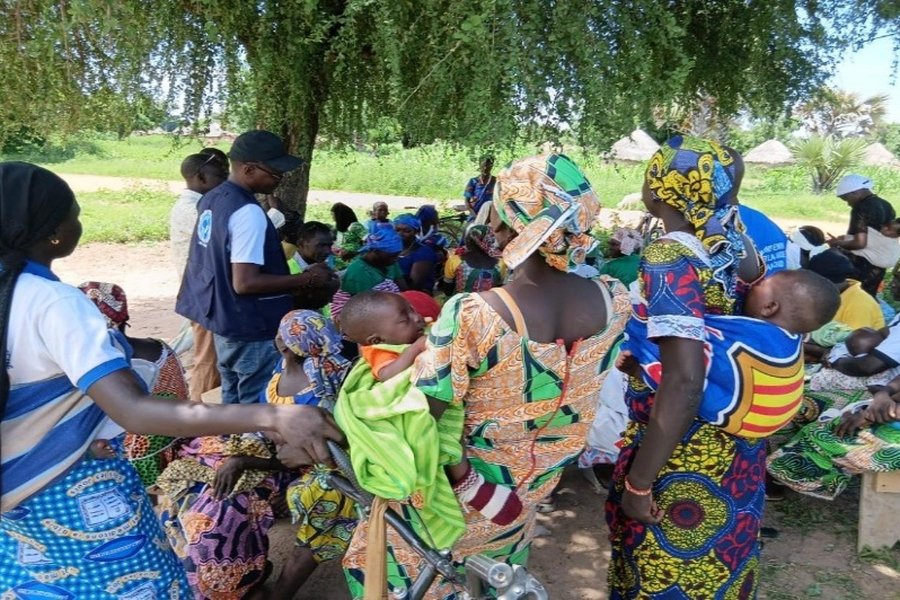
Their work connected clinicians, traditional healers, community health relays and district surveillance teams into a broader network for detecting and reporting possible cases.
From 43 to 111: The Numbers Behind the Change
The results were substantial.
Between epidemiological weeks 22 and 41, the number of AFP cases notified in the 26 supported districts increased from 43 to 111.
The number of districts meeting the minimum non-polio AFP surveillance sensitivity threshold of two increased from 13 to 24.
Perhaps most significantly, the number of districts reporting no AFP cases fell from 13 to just one.
These improvements indicate stronger detection and reporting, rather than necessarily an increase in poliovirus infections. AFP surveillance identifies suspected paralysis cases requiring investigation, not exclusively confirmed polio cases.
The quality of surveillance also improved. In 25 of the 26 districts, stool specimens were collected within 14 days of paralysis onset for all reported AFP cases, supporting timely laboratory investigation.
The consultants’ active surveillance work also identified 762 suspected cases of other vaccine-preventable diseases.
Rebuilding the Surveillance Network
Behind these improvements was an extensive programme of field activities.
Across the supported districts, teams reviewed 1,762 health facility registers and submitted 1,729 site-visit reports through ODK Companion, a digital reporting tool.
They also sensitised 2,554 clinicians, 1,328 traditional healers and 2,648 community health relays.
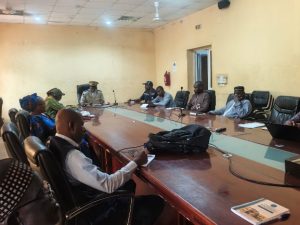
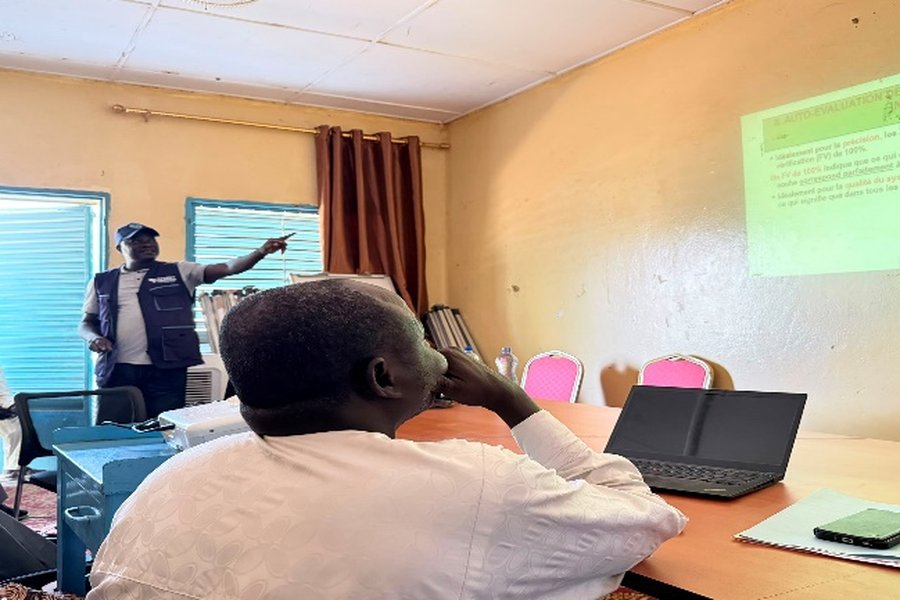
A further 355 surveillance training sessions and 283 district coordination meetings helped strengthen reporting, technical capacity and collaboration.
Community participation was especially important.
Traditional healers and community relays can identify suspected cases among children who may never reach a formal health facility. By including these groups in surveillance networks, the programme extended the reach of detection beyond clinics and hospitals.
Mandelia: A District-Level Example of Progress
In Mandelia, a district bordering Cameroon, the impact of strengthened surveillance was particularly visible.
Working with the district health team, the deployed consultant supported reviews of 216 health facility registers, sensitisation of 107 clinicians, 34 traditional healers and 421 community health relays, alongside 41 training sessions.
AFP notifications increased from six to twelve cases, while timely stool specimen collection improved from 83% to 100%.
During the June 2026 nOPV2 vaccination campaign, independent monitoring identified only 3% of targeted children as unvaccinated, and the district passed its Lot Quality Assurance Sampling assessment.
Mandelia illustrates how coordinated surveillance, community engagement and vaccination campaign support can reinforce one another.
Supporting Vaccination and Outbreak Response
The consultants’ contribution extended beyond AFP surveillance.
During the second round of the novel oral polio vaccine type 2 (nOPV2) campaign, conducted from 5 to 8 June 2026, they supported microplanning, vaccine stock verification, training and campaign monitoring.
Across the 26 districts, they supervised 84 independent monitors and submitted 532 monitoring forms.
However, campaign assessments also revealed continuing challenges. Despite reported administrative vaccination coverage of at least 98% in every district, seven districts did not meet Lot Quality Assurance Sampling requirements.
The findings highlight an important lesson: high reported vaccination coverage does not necessarily mean every child has been reached.
Routine immunisation gaps also persisted, with seven districts reporting Penta3 coverage below 90%.
Progress Despite Difficult Conditions
The deployment took place during the rainy season, when flooding and poor road conditions made many health facilities difficult to access.
Consultants also faced fuel shortages, delayed operational funding, unstable telecommunications and insecurity in some areas.
Despite these constraints, the teams maintained field supervision and worked with district authorities to strengthen reporting.
Nevertheless, gaps remain. Mbaibokoum, a district bordering Cameroon, had still reported no AFP cases by epidemiological week 41, while Bessao remained below the minimum surveillance sensitivity threshold.
These districts require continued attention to ensure that surveillance gains extend to the most difficult-to-reach communities.
Sustaining the Gains
The Chad experience demonstrates the importance of sustained technical support at district level.
It also reinforces the value of integrating trained field epidemiologists, community-based surveillance networks and digital reporting tools into national disease surveillance systems.
The next priority is to consolidate these gains through continued supervision, timely operational funding, additional health worker training and stronger routine immunisation services.
For AFENET and its partners, the deployment offers a practical example of how investments in field epidemiology can strengthen national capacity to detect and respond to public health threats.
The lesson from Chad is clear: when surveillance systems become more responsive, previously silent districts can begin detecting and reporting the signals needed to protect children from polio.