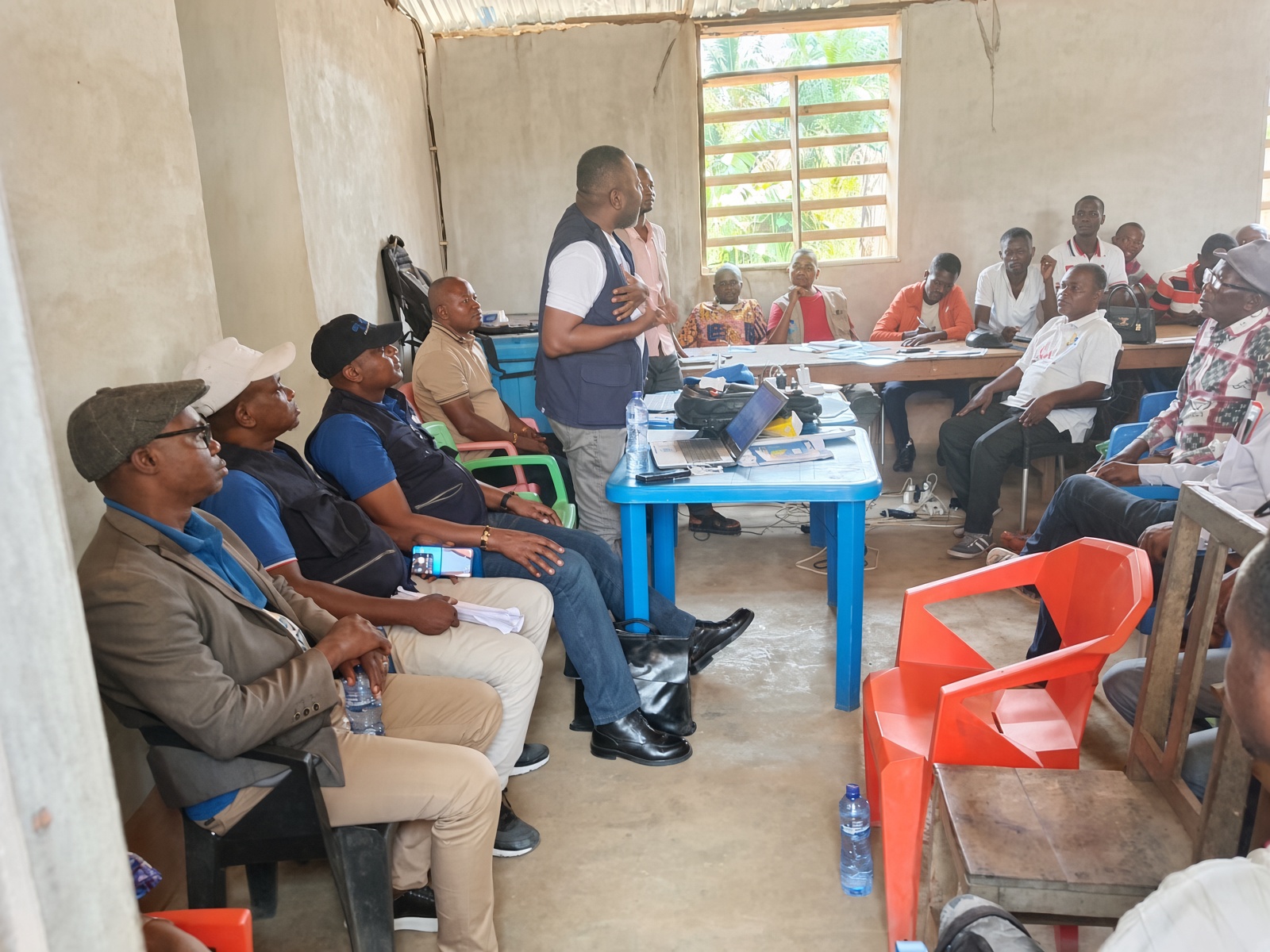
AFENET Supports Cascade Training to Strengthen Ebola Preparedness in Sankuru Province, DRC
-
by
AFENET
The African Field Epidemiology Network (AFENET), working alongside the Democratic Republic of the Congo’s Ministry of Public Health, Hygiene and Social Welfare and the National Institute of Public Health (INSP), with financial support from the U.S. Centers for Disease Control and Prevention (U.S. CDC), has supported cascade training for health workers in Sankuru Province to strengthen preparedness for Ebola Virus Disease (EVD) and other epidemic-prone diseases.
The training is part of broader efforts to strengthen community-based epidemiological surveillance and build the capacity of health workers to detect, notify and respond rapidly to suspected cases. The initiative covers five provinces—Kasai, Kasai Central, Kwango, Kwilu and Sankuru—and focuses on strengthening integrated community surveillance, cross-border surveillance and laboratory capacity.
Building Capacity from Province to Community
At the heart of the initiative is a cascade training approach designed to transfer knowledge and practical skills from national and provincial levels down to health zones, health areas and communities.
Following the harmonization of training materials at national level, supervisors supported provincial teams, who subsequently trained health zone personnel. These teams, in turn, were equipped to extend the training to frontline and community-level health workers.
The approach is intended to build a pool of frontline health workers capable of screening, triaging, isolating and reporting suspected cases of Ebola and other epidemic-prone diseases. It also seeks to strengthen the quality and use of surveillance data at local level.
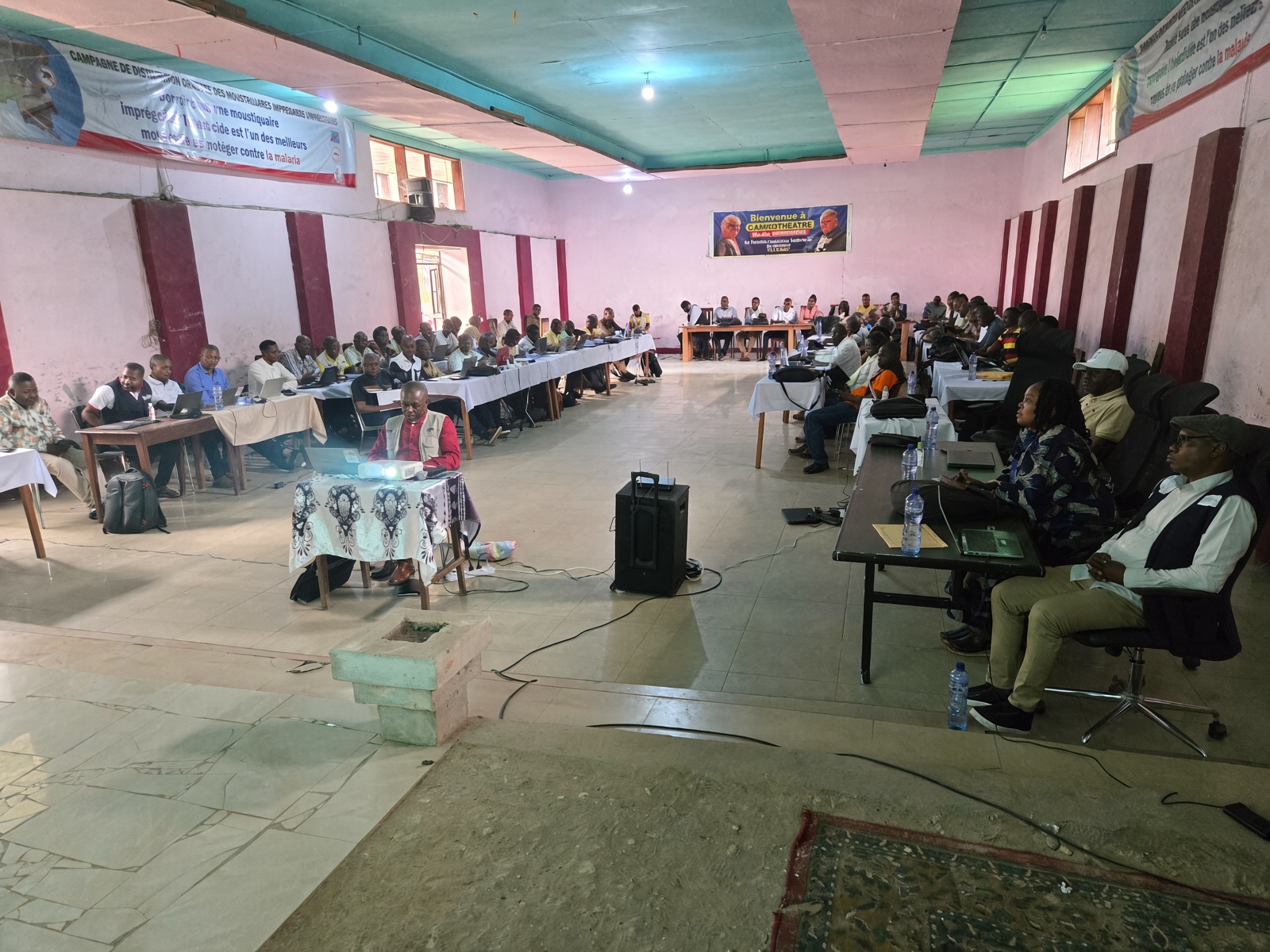
Training combined presentations with case studies, role-playing, practical exercises and discussions, giving participants opportunities to translate technical knowledge into situations they may encounter in their health facilities and communities.
Practical Skills for Ebola Detection and Response
The training covered key areas of Ebola preparedness and response, including epidemiological surveillance, infection prevention and control (IPC), risk communication, case definitions, contact tracing, vaccination, misconceptions about Ebola, transmission chains, WASH, population movement, diagnostic testing and the investigation and notification of suspected cases.
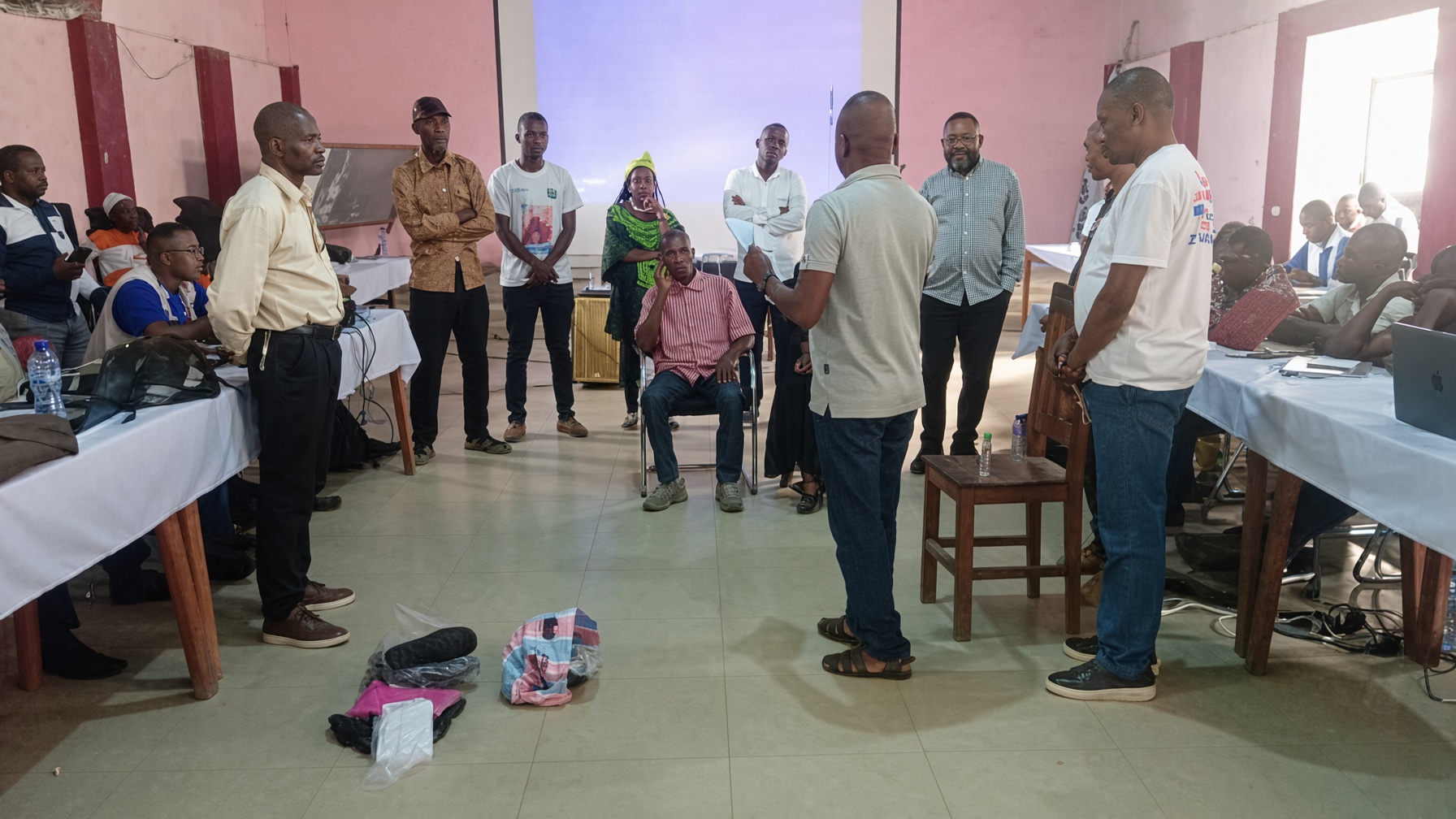
Simulation exercises were an important component of the training. Participants worked through scenarios reflecting realities encountered in epidemiological surveillance, with particular emphasis on procedures to follow when an Ebola alert is detected.
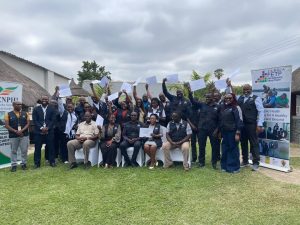
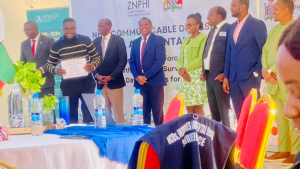
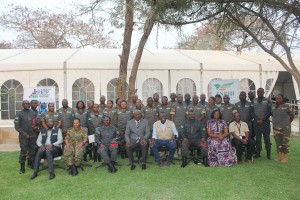
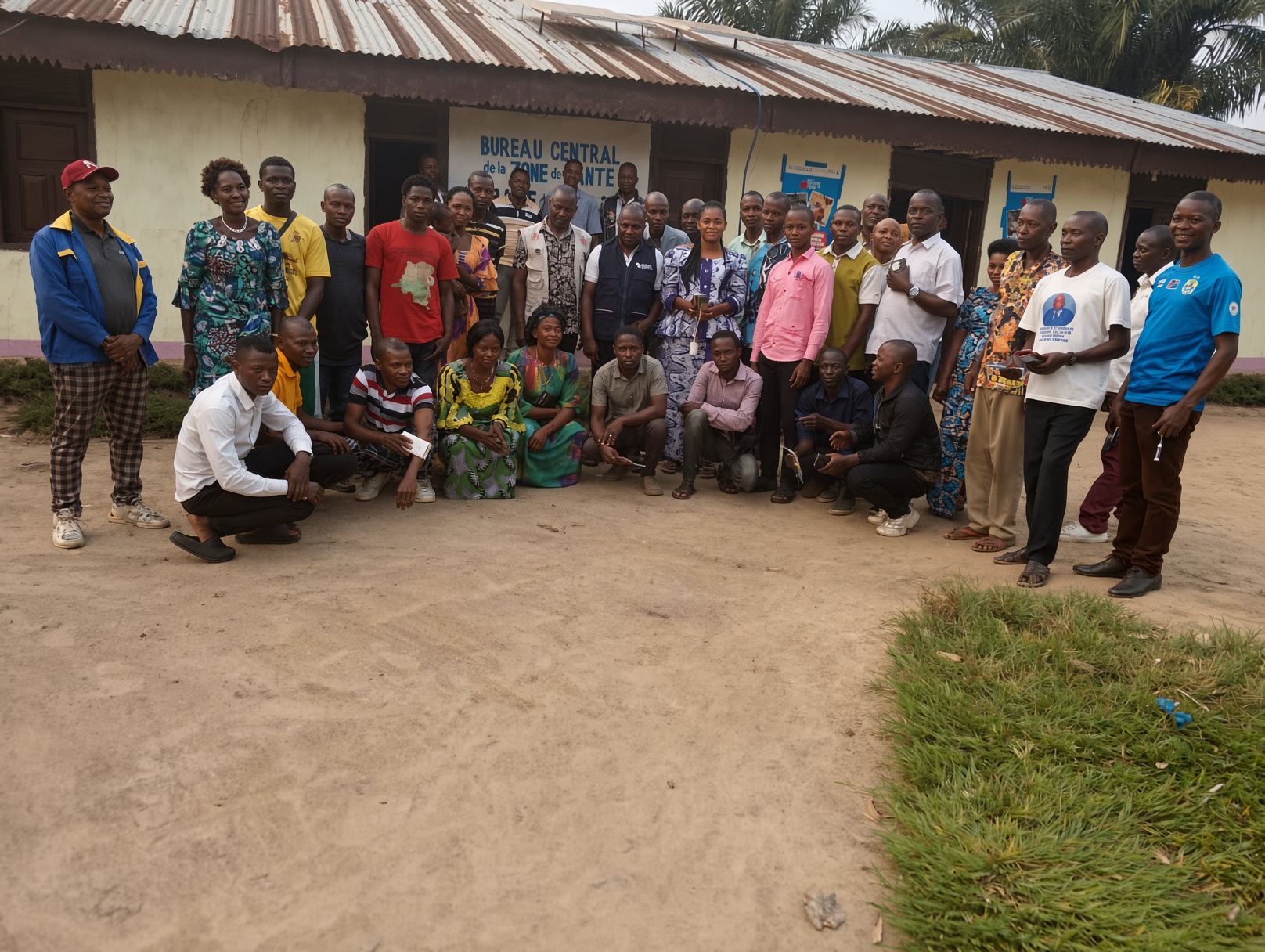
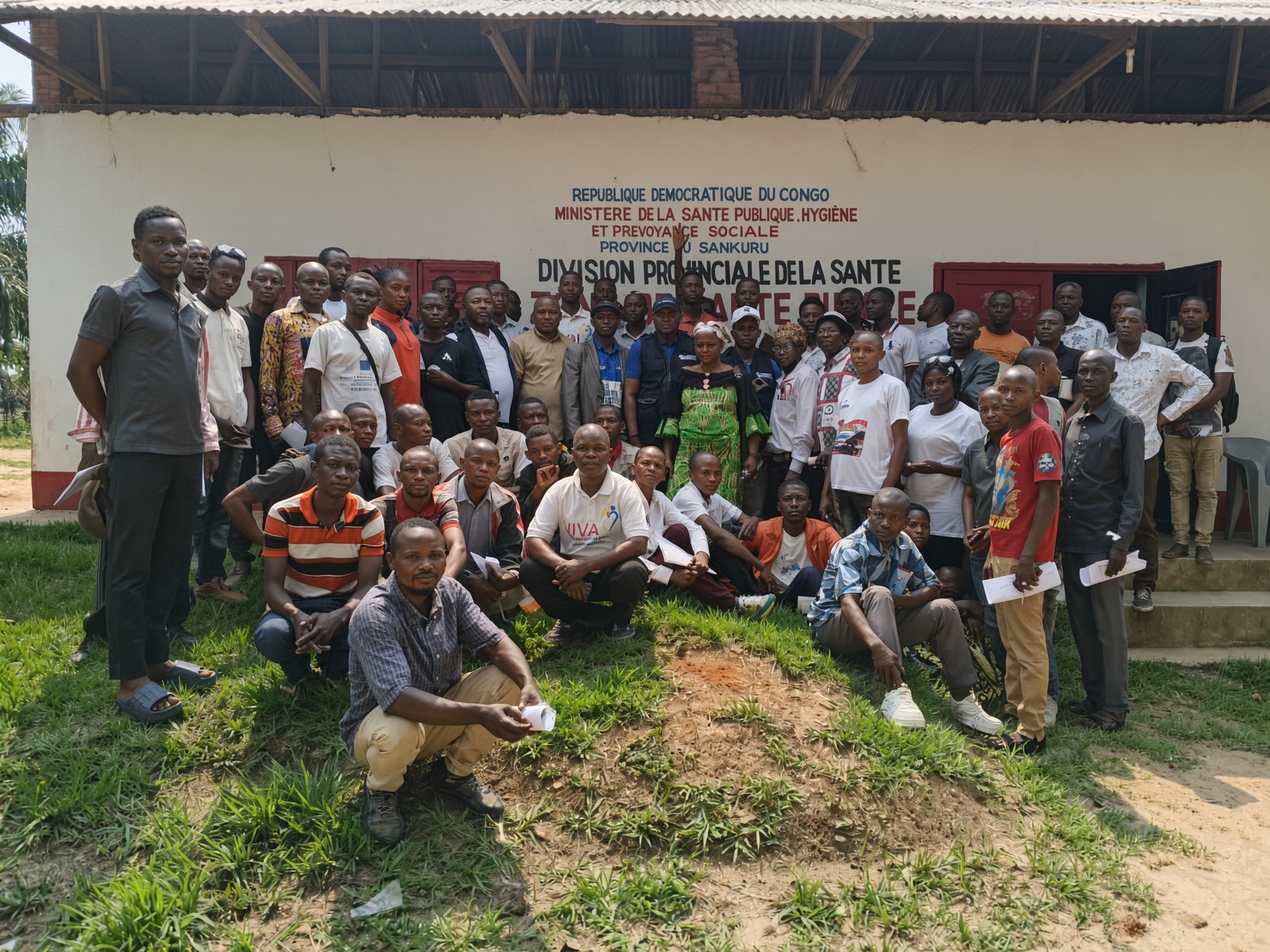
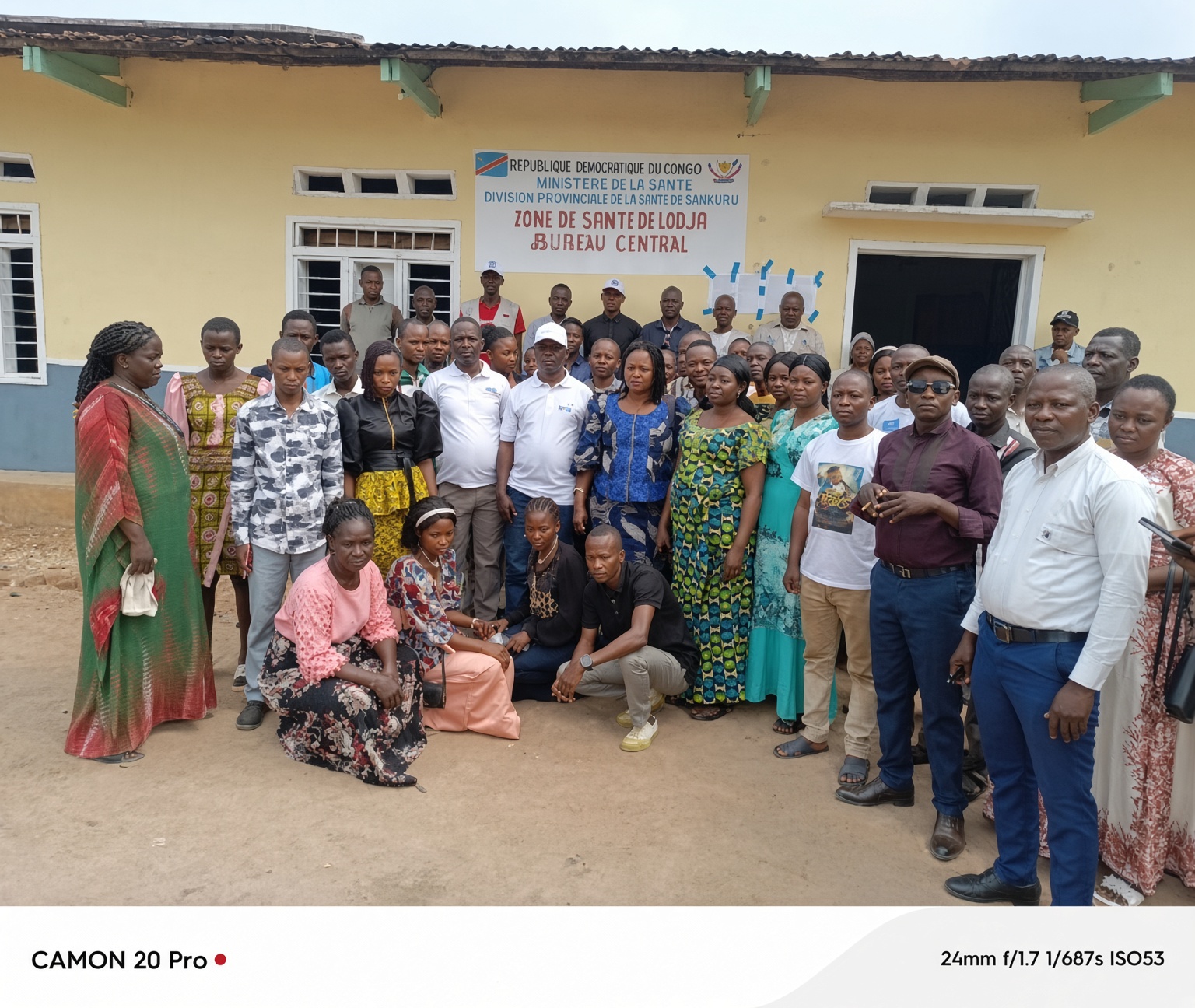
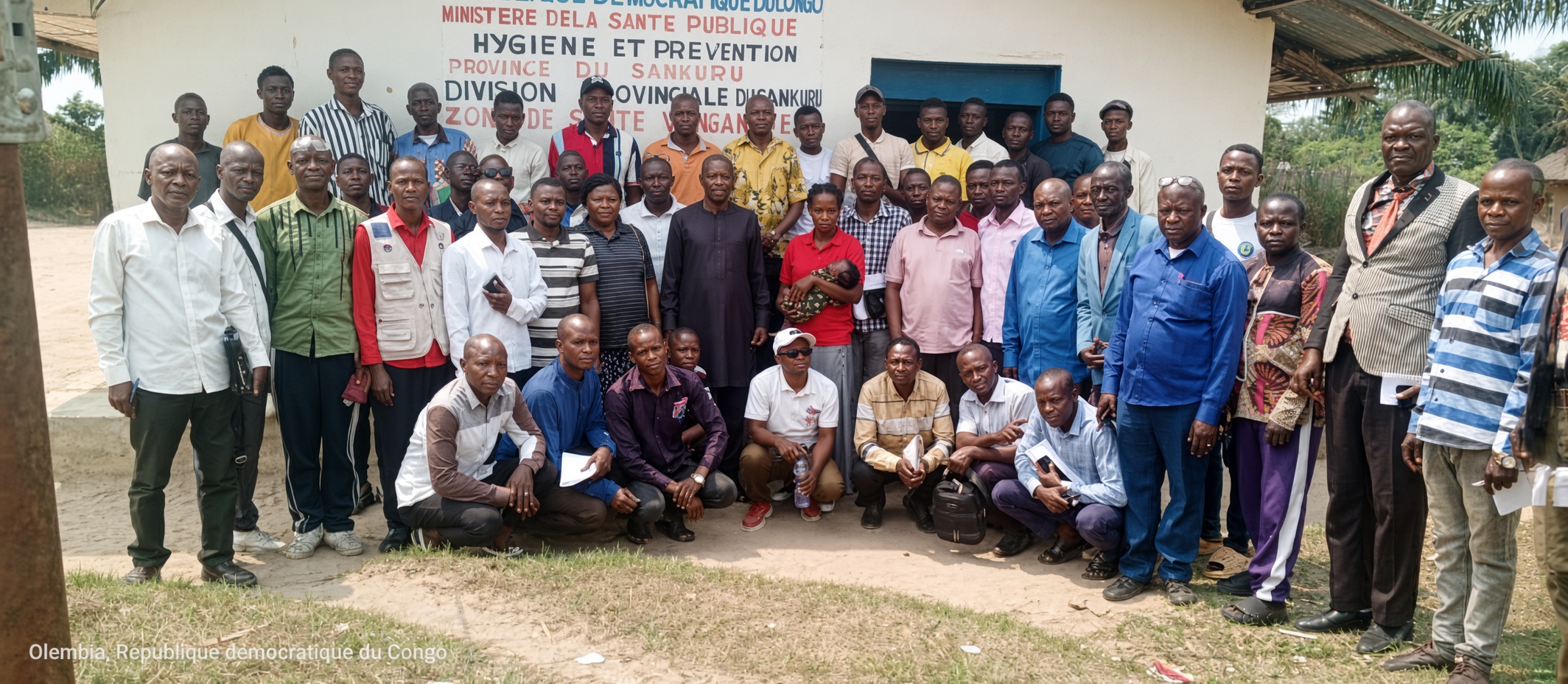
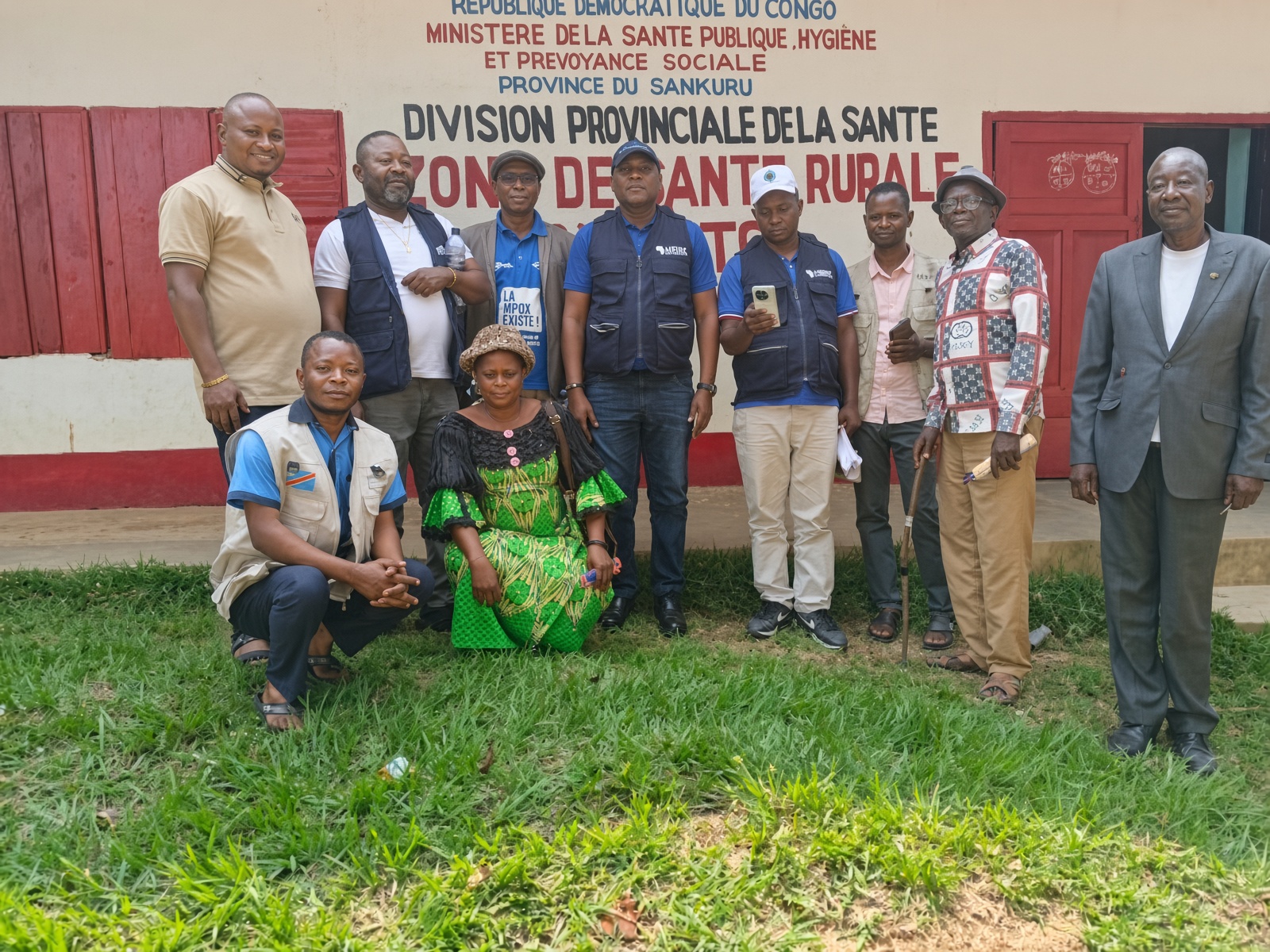
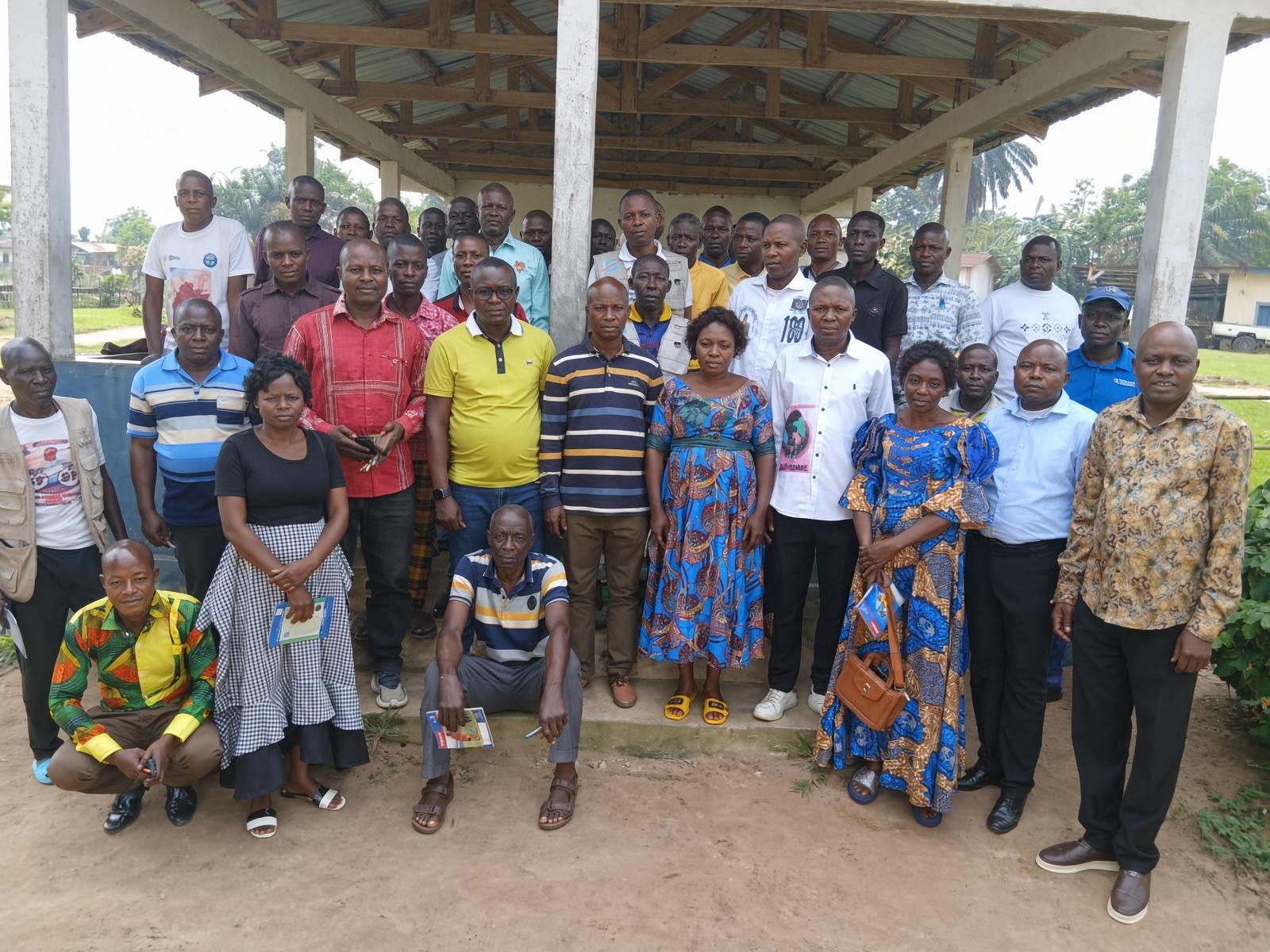
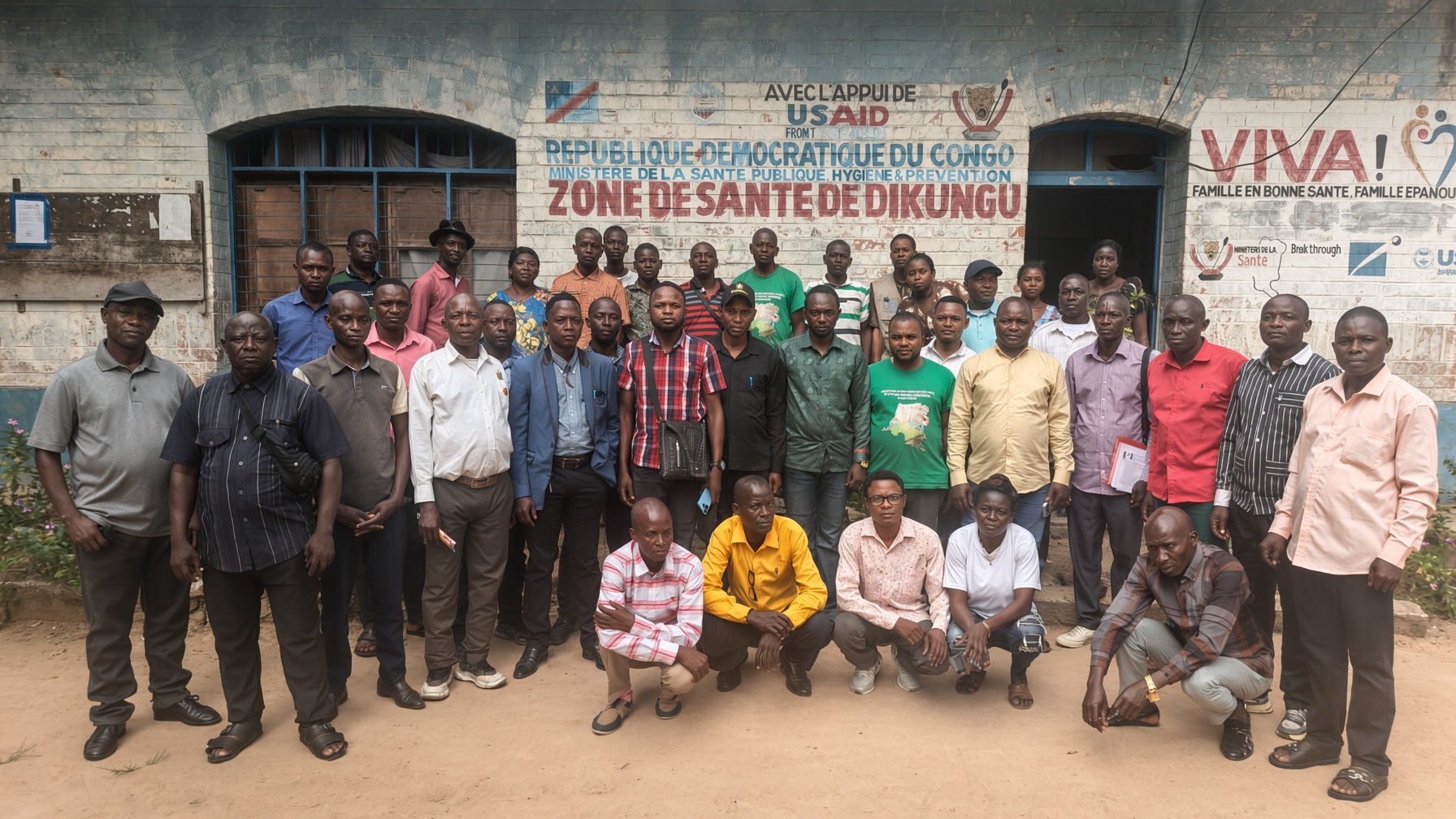
The photographs from the training also show participants undertaking simulation exercises and health teams gathered at several locations across Sankuru, including Lodja, Ototo, Omedjadi and Vanga Kete health zones.
Strengthening Preparedness Beyond Ebola
While Ebola preparedness is a central focus, the initiative is also contributing to a longer-term goal: strengthening local health systems to identify and respond to a wider range of public health threats.
By equipping health workers closer to communities with surveillance, infection prevention and risk communication skills, the cascade model is designed to ensure that knowledge and response capacity extend beyond national and provincial structures to the frontline.
The training recorded improvements in participants’ knowledge. According to the report’s pre- and post-training assessment, most participants achieved a score of 100% in the post-test, demonstrating gains following the training.
Through its collaboration with national and provincial health authorities and the U.S. CDC, AFENET continues to support efforts to build a prepared public health workforce capable of detecting threats early and responding rapidly—from the health facility to the community level.