Reaching the Last Mile: AFENET Supports Polio Vaccination Campaign in Yobe State, Nigeria
-
by
AFENET
17 November 2026 | Yobe State, Nigeria
More than 1.68 million children were vaccinated during the November 2026 polio vaccination campaign in Yobe State, Nigeria, with technical support from the African Field Epidemiology Network (AFENET) through the Stop Transmission of Polio (STOP) programme.
The campaign, conducted from 7–12 November 2026 across all 17 Local Government Areas (LGAs), aimed to interrupt poliovirus transmission, strengthen population immunity and reach children in underserved, nomadic, migrant and security-affected communities.
Targeting 1,567,461 children under five years of age, the campaign recorded 1,689,990 vaccinations with novel oral polio vaccine type 2 (nOPV2), representing 108% administrative coverage. An additional 824,993 vaccinations with bivalent oral polio vaccine (bOPV) were reported in the 10 LGAs implementing the dual-antigen strategy.
A significant achievement was the identification and vaccination of 89,609 zero-dose children, highlighting the importance of integrating routine immunisation services into polio campaigns.
AFENET’s Technical Support on the Ground
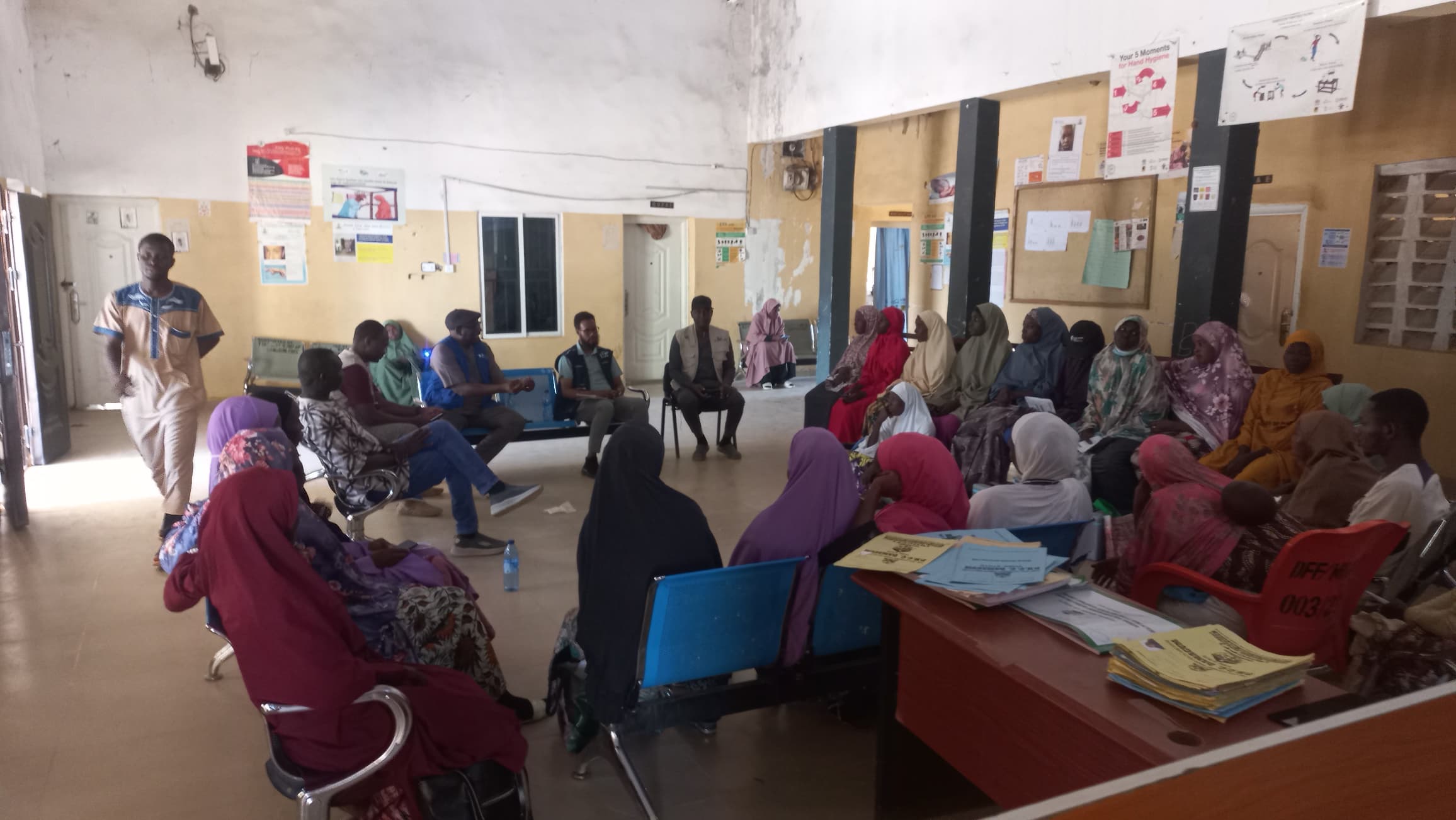
Through STOP Data Manager Abdinur Bishar, AFENET provided technical and operational support to campaign planning, implementation, supervision, monitoring and data quality assurance, with particular attention to Fune and Damaturu LGAs.
Working alongside government health authorities and implementing partners, the AFENET-supported activities focused on strengthening vaccination team performance, improving reporting accuracy and addressing challenges that could prevent children from receiving vaccines.
Ahead of and during the campaign, Abdinur supported team orientation, deployment planning, vaccine distribution, cold chain assessments and daily performance reviews.
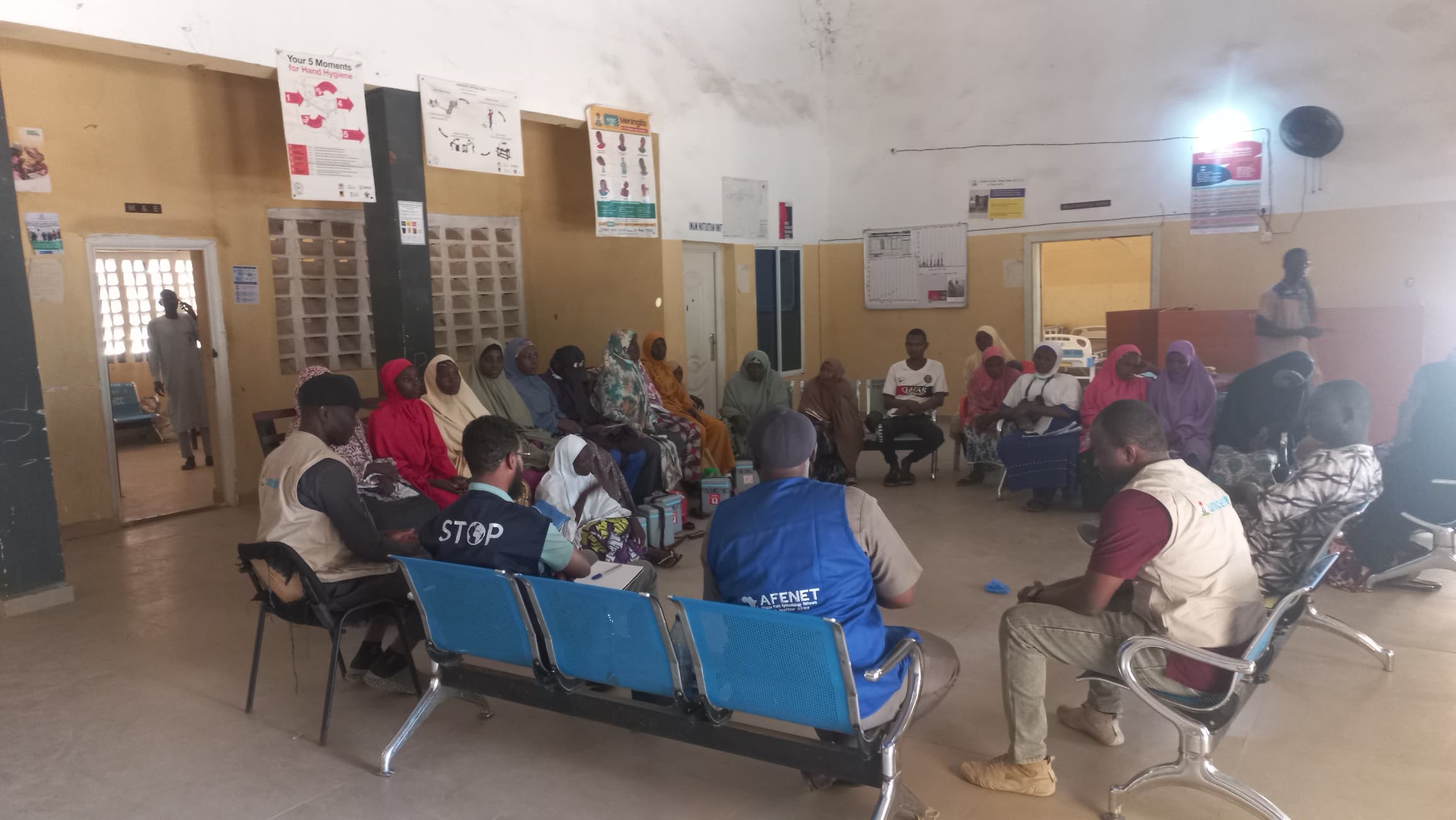
Twenty-four team supervisors, including 23 women, received orientation on campaign reporting, vaccination protocols, vaccine accountability and data quality standards.
Supportive supervision was conducted for 11 vaccination teams across Fune and Damaturu, helping identify operational gaps and implement corrective measures.
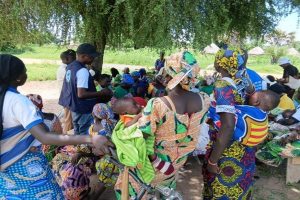
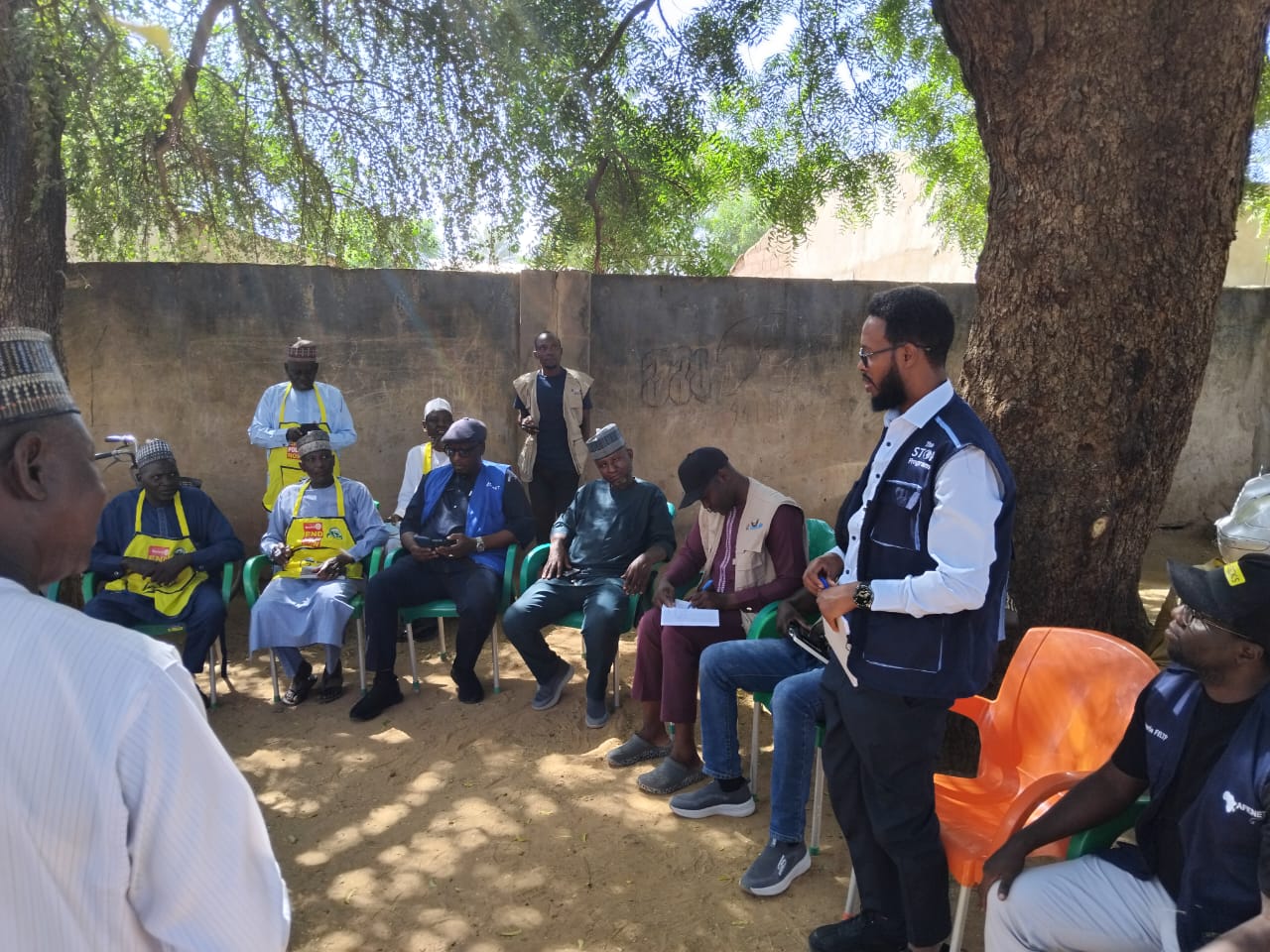
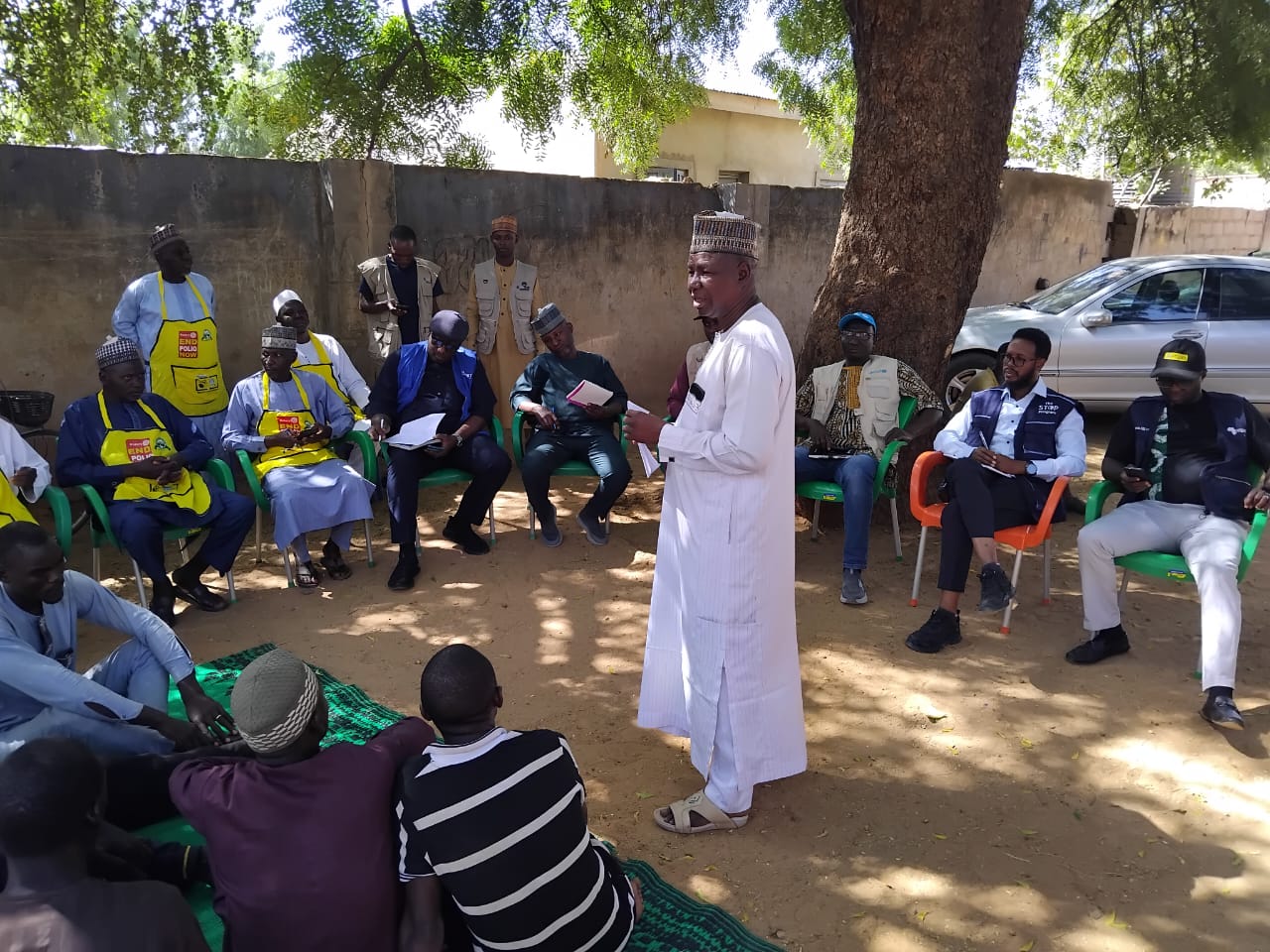
Community engagement was equally important. Through direct engagement with vaccination teams and communities, the STOP consultant helped resolve four cases of vaccination non-compliance, contributing to improved acceptance of vaccination services.
Using Data to Find and Reach Missed Children
Beyond administering vaccines, the campaign demonstrated the importance of using timely and reliable data to guide field operations.
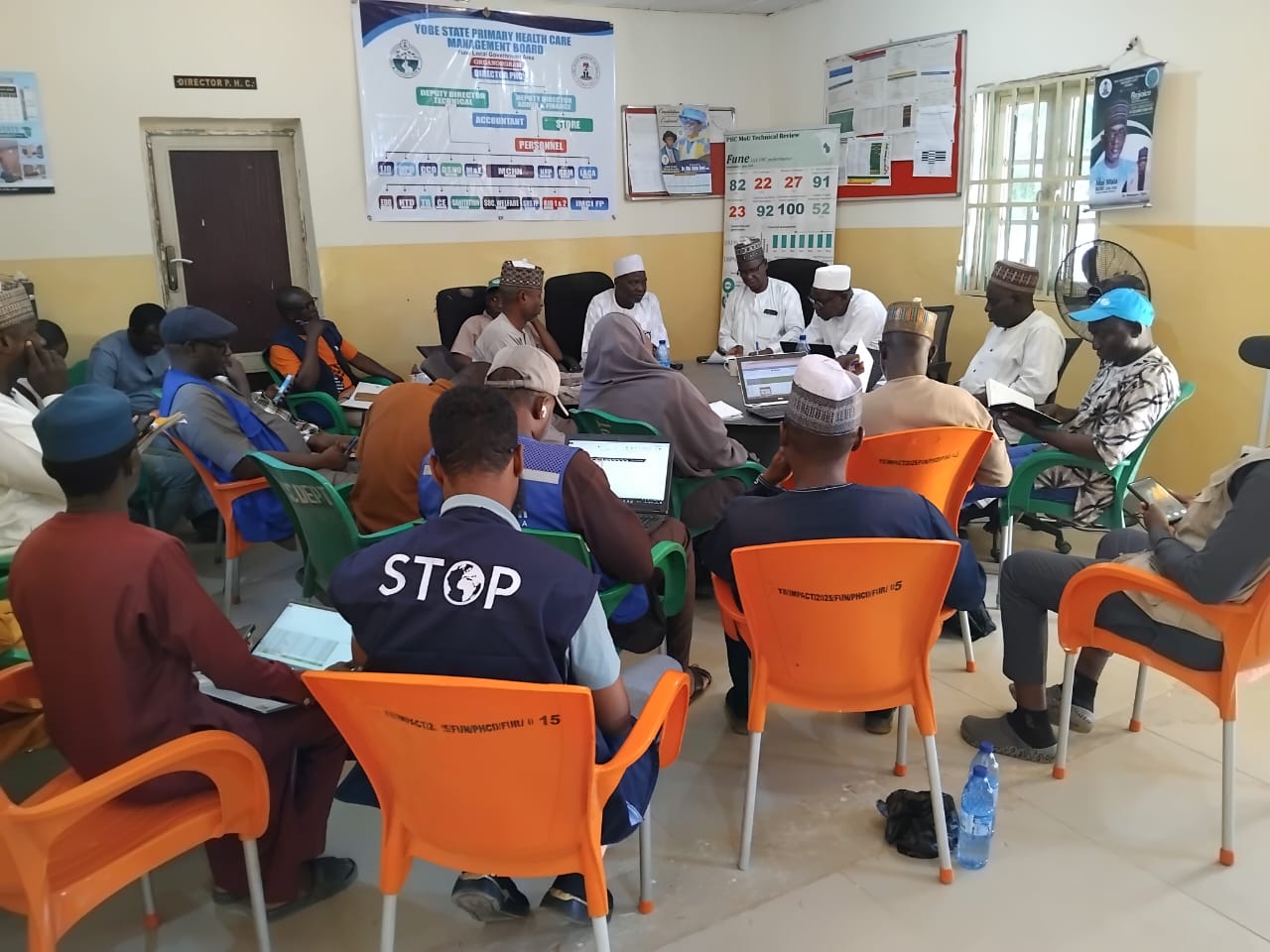
AFENET supported daily data reviews, validation of campaign reports and analysis of vaccination performance to help teams identify settlements requiring additional attention.
Digital tools, including eTally, eCAT, FIONET and an integrated web-based dashboard, supported campaign monitoring and reporting.
These efforts contributed to timely corrective actions, targeted supervision and mop-up activities in areas with low coverage.
Across Yobe State, 2,870 vaccination teams were deployed, including 2,492 house-to-house teams, 200 special teams and 178 fixed-post teams.
The campaign reached approximately 90.4% of the 11,022 targeted settlements.
Security Challenges Highlight the Last-Mile Gap
Despite the campaign’s achievements, reaching every eligible child remains a challenge.
According to the campaign technical report, 1,056 settlements remained unreached, with security constraints affecting access to several communities.
Five LGAs—Geidam, Tarmua, Yunusari, Jakusko and Damaturu—accounted for approximately 73% of these unreached settlements.
Other challenges included delayed reporting, inconsistencies between data collection tools and community resistance to vaccination in some locations.
The experience reinforced the need for stronger microplanning, intensified supervision in high-risk settlements, improved data verification and sustained engagement with traditional, religious and community leaders.
Beyond Vaccination: Strengthening Disease Surveillance
The campaign also created opportunities to strengthen routine immunisation and surveillance for acute flaccid paralysis (AFP) and other vaccine-preventable diseases.
Field activities supported the identification of 12 suspected AFP cases and 24 adverse events following immunisation (AEFI) cases, according to the technical report.
These integrated efforts demonstrate how supplementary immunisation campaigns can contribute to broader public health surveillance and service delivery.
Sustaining Progress Towards Polio Eradication
The November campaign demonstrated the value of coordinated action between Yobe State health authorities, WHO, UNICEF, AFENET, SOLINA and other Global Polio Eradication Initiative partners.
For AFENET, the experience reinforces the importance of placing skilled public health professionals alongside frontline teams, where technical expertise, reliable data and timely decisions can directly strengthen campaign implementation.
While high administrative vaccination coverage represents important progress, the settlements that remain unreached underscore the work still required to ensure equitable access to immunisation.
The goal remains clear: reach every child, close immunity gaps and sustain progress towards a polio-free Africa.
Source: November 2026 SNIPDs Round Polio SIA Campaign Technical Report, prepared by Abdinur Bishar, STOP Data Manager, Yobe State, Nigeria, 16 November 2026.