Community at the Core: How ACoDD Strengthened the Ebola Response in Kasai
-
by
AFENET
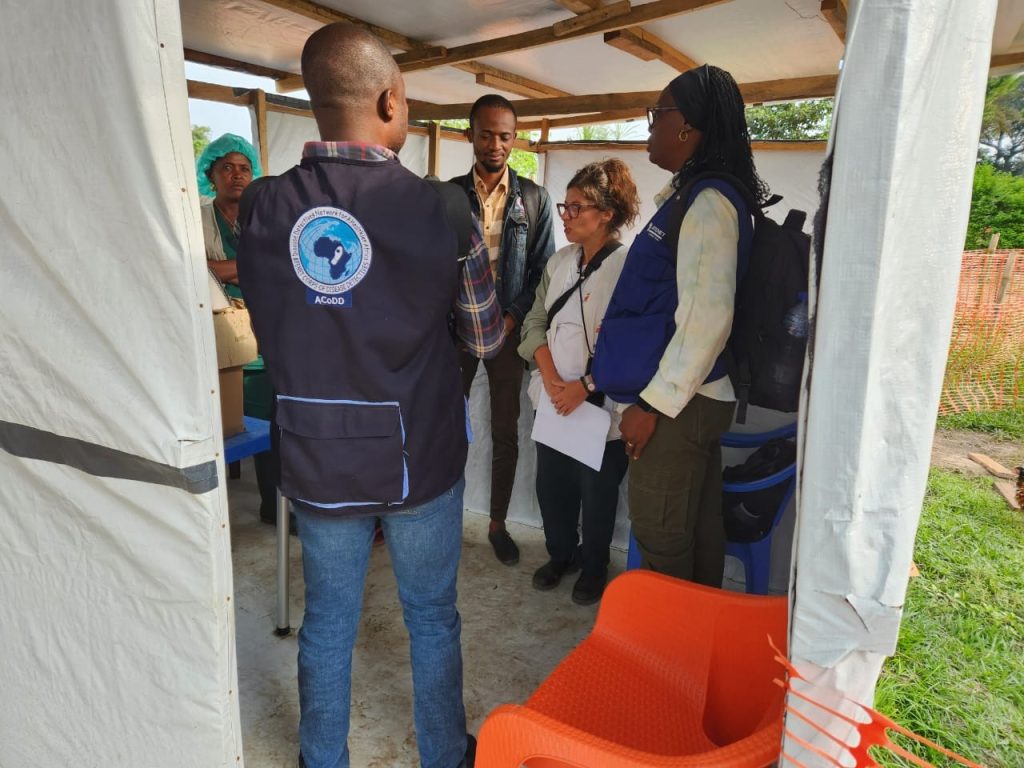
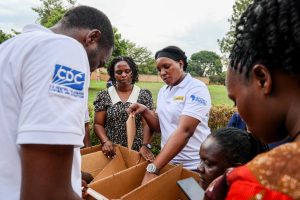
When the 16th Ebola Virus Disease (EVD) outbreak was declared in the Bulapé Health Zone on 4 September 2025, the community of Kasai once again found itself on the frontlines of a deadly epidemic. With 64 total cases, including 53 confirmed and 34 deaths, the stakes were high, and the terrain was unforgiving (Source: AFENET EVD Response Report – 16th Outbreak, DRC)
But into this remote, isolated region stepped the AFENET Corps of Disease Detectives (ACoDD) a multi-sectoral, rapid-response force powered by graduates of the Field Epidemiology Training Program (FETP) and supported by AFENET. What followed was not merely a technical intervention, but a powerful demonstration of community-centered public health.
A Legacy of Epidemics and a New Crisis
The Democratic Republic of Congo (DRC) is no stranger to Ebola. Since the first recorded outbreak in 1976, the country has faced 16 of the world’s 36 known EVD outbreaks nearly half of global occurrences.
Kasai itself had experienced outbreaks in 2007 and 2008, but Bulapé presented new challenges:
- Difficult terrain with very limited road access
- No hotels or guesthouses for responders
- Low community awareness about Ebola
- Fear among local health workers, some of whom had lost colleagues
When the ACoDD team arrived on 6 October 2025, transmission had slowed but the response system was weak. “We found many alerts that had never been investigated, and a community that lacked information but was willing to work with us,” explains Dr. Nancy Mboula, advanced-level FETP epidemiologist.
A Coordinated Surge: 27 Experts Deployed
To strengthen the response, AFENET deployed 27 experts, including:
- 23 ACoDD members (FETP graduates)
- 5 Ministry of Health staff, including the Incident Manager, Deputy IM, Chief of Surveillance, and Chief of Operations
The deployment followed rapid coordination between national surveillance units, AFENET, and regional partners. Despite administrative delays due to mandatory accreditation, the team mobilized swiftly.
Transforming Surveillance: ACoDD’s Technical Impact
Between Epidemiological Week 41 and 46, ACoDD achieved exceptional coverage and surveillance performance:
- 7 health areas supported
- 1,161 surveillance site visits
- 3,153 alerts investigated, including 3,115 from living patients
- 2437 alerts investigated within 24 hours (78% timeliness)
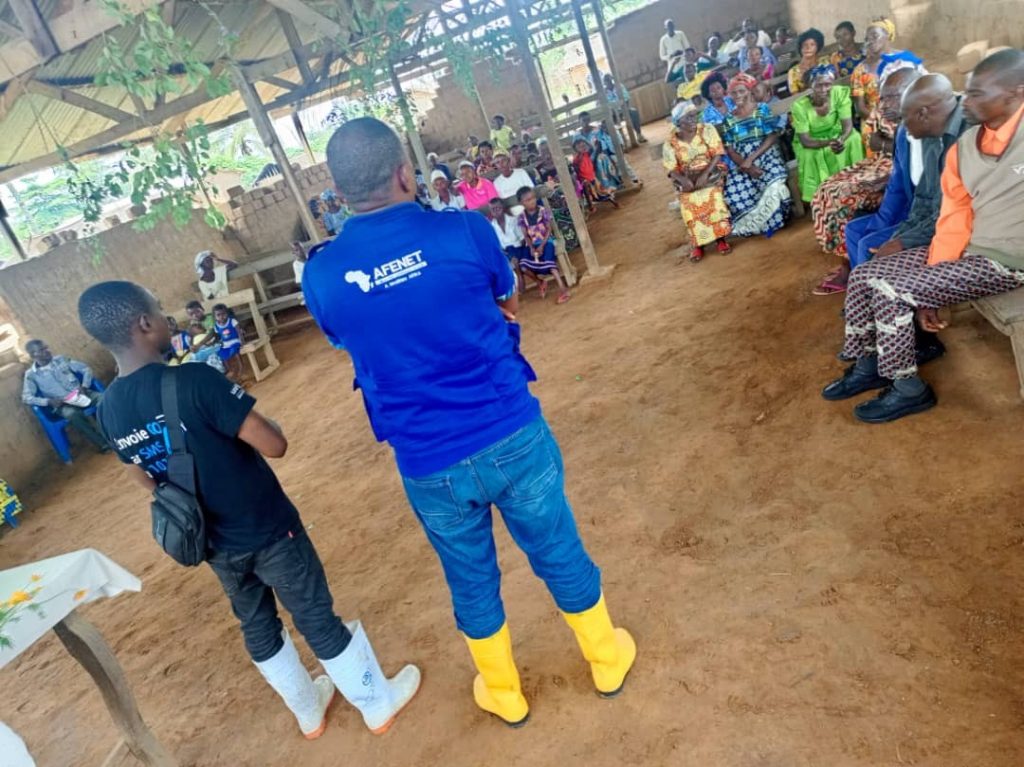
- 12,371 individuals sensitized, including HCWs, community relays, and local groups
As Dr. André Néko, ACoDD Team Lead in Bulape, recounts:
“We rebuilt the entire alert investigation and contact follow-up system—from active case search to database management.”
ACoDD teams conducted:
- Active case finding
- Contact listing and 21-day follow-up
- Referral of alerts to isolation and treatment centers
- Daily coordination with the Incident Management System
- Data cleaning and consolidation of EVD and contact-tracing databases
Their technical expertise ensured that no alert went un-investigated and that surveillance regained accuracy and reliability.
Community Engagement: The Turning Point of the Response
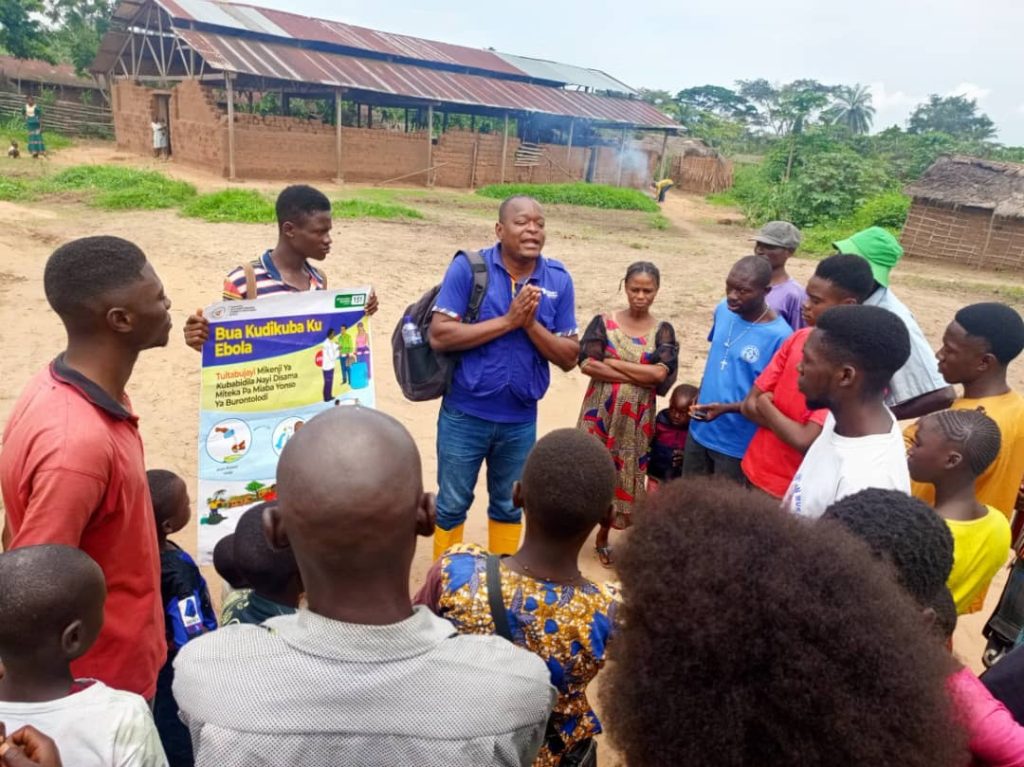
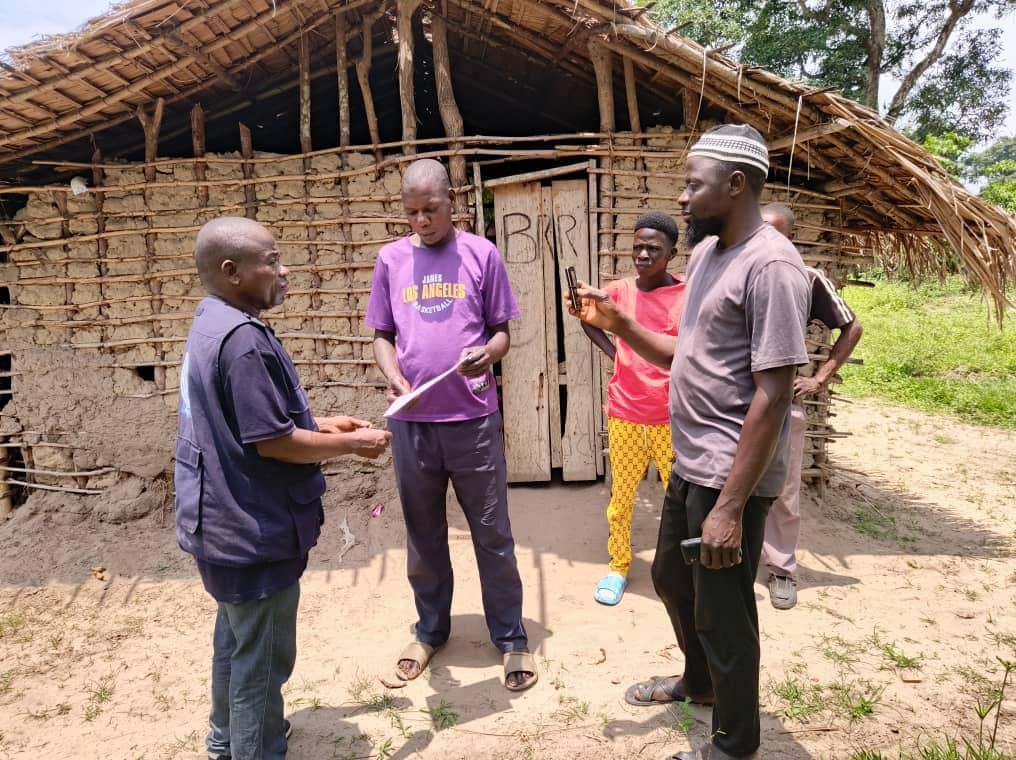
While the technical interventions were strong, the most decisive factor was the deep, consistent engagement with community leaders, families, and local influencers.
Dr. Espera Tamboué, who supervised community engagement, describes the approach:
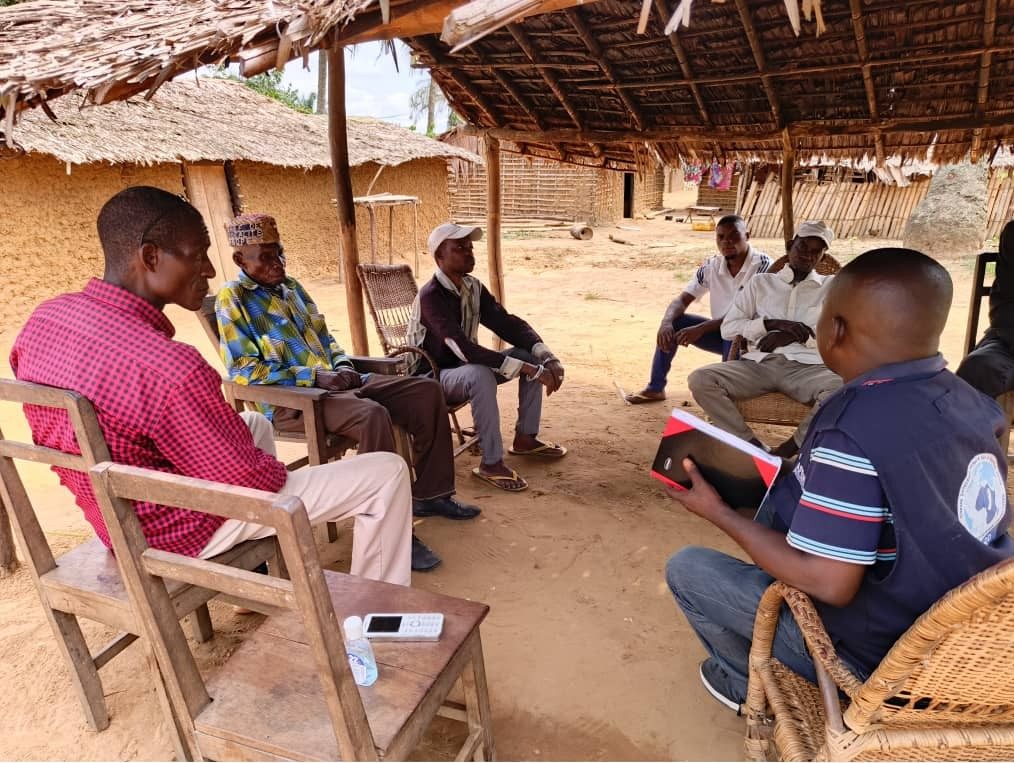
- Start with the Chiefs:
“Before entering any health area, we met with the village chiefs, introduced ourselves, and explained Ebola in simple terms.” - Interpersonal communication:
Teams held one-on-one dialogues with elders, religious leaders, women’s groups, and youth associations. - Public messaging:
Posters were placed in churches, schools, markets, and health facilities. - Community-based reporting:
Families were encouraged to report symptoms early and they did.
The result was extraordinary.
“Alerts began coming directly from families themselves. They called us to report suspected symptoms in their villages,” says Dr. Espera.
Even vaccine hesitancy one of the most persistent challenges was addressed through honest, clear explanations. Some communities outside the target zone even requested vaccination after understanding its value.
This trust was the cornerstone of the response.
Partnerships that Strengthened Local Resilience
Throughout the intervention, ACoDD worked closely with:
- The Ministry of Health
- WHO
- Health zone management teams
- Laboratory units
- Community health workers
Local leaders were included in:
- Community-based surveillance training
- Alert verification
- Daily coordination meetings
- Contact follow-up
This inclusiveness made communities feel valued transforming them from passive recipients of aid into active partners.
Challenges and Lessons from the Field
Kasai’s rugged terrain posed the biggest challenge. Many areas were accessible only by motorbike or on foot, and ambulances were too few to cover simultaneous alerts.
Key lessons included:
- Community trust is essential—without it, response activities stall.
- Early involvement of community leaders accelerates acceptance and reporting.
- Remote support to health workers, especially in hard-to-reach areas, can sustain surveillance when travel is impossible.
- Systematic investigation of community deaths is crucial to detect both Ebola and other epidemic-prone diseases such as cholera.
A Stronger Community, A Stronger System
By the expected end of the outbreak on 30 November 2025, and the official closure on 1 December 2025, the outbreak had been fully controlled.
ACoDD left Bulapé with:
- Improved surveillance systems
- Better data management
- Trained local health staff
- Stronger community-based detection
- A population more empowered to prevent and respond to future outbreaks
This response reaffirmed AFENET’s belief that the strongest line of defense against epidemics is an informed, engaged, and empowered community.
Looking Ahead: ACoDD’s Role in Africa’s Health Security
AFENET’s ACoDD model continues to demonstrate its value not only in DRC but across the continent. With each response, the corps strengthens capacity, deepens community trust, and reinforces Africa’s ability to detect and respond to epidemics.
“The future of frontline response lies in empowering communities and strengthening the responders who stand closest to the threat. When frontline workers are well-trained, supported, and trusted by the communities they serve, outbreaks can be detected early, contained quickly, and prevented from becoming crises. Building this community-centered resilience is the foundation of tomorrow’s public health security.”
— Dr. André K. Misombo, ACoDD Manager, AFENET DRC
As Kasai has shown, technology, training, and surveillance systems matter—but community is the beating heart of outbreak control.