Kenya FELTP Residents on the Frontlines of Ebola Surveillance and Contact Tracing
-
by
AFENET
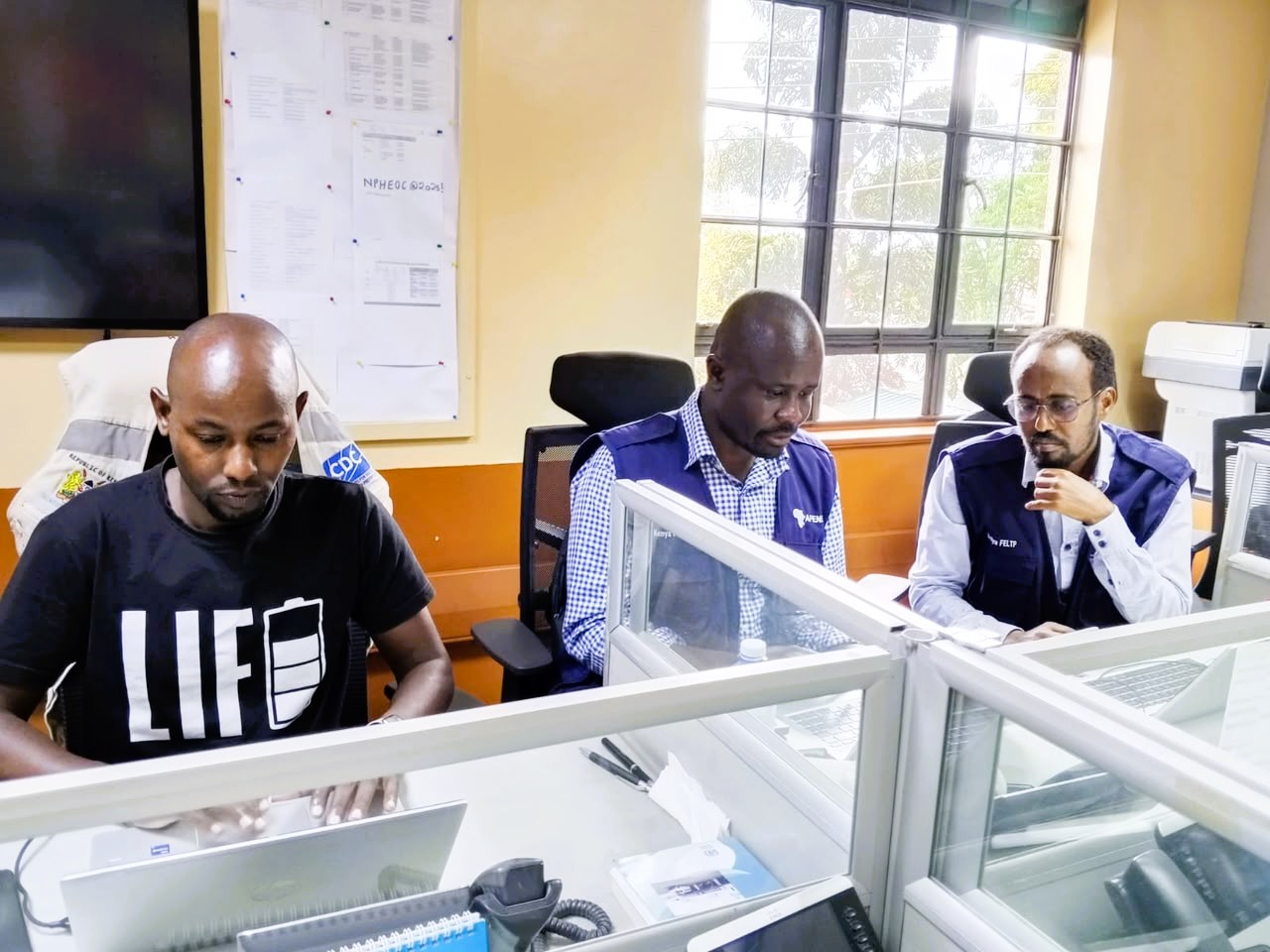
All 12 residents of Cohort 21 of the Kenya Advanced Field Epidemiology Training Program (FETP) are supporting the country’s response to an imported case of Bundibugyo virus disease (BVD), strengthening contact tracing, surveillance and investigation of alerts.
Following the confirmation of an imported BVD case in Kenya on 6 October 2026, the Kenya Field Epidemiology and Laboratory Training Program (Kenya FELTP) has continued supporting the Ministry of Health’s response, with particular emphasis on identifying and monitoring contacts to prevent further transmission.
The case involved a Kenyan national who travelled from Beni in the Democratic Republic of Congo (DRC), through Kampala, Uganda, before arriving in Nairobi. The incident underscores the importance of early detection, timely information sharing and coordinated surveillance across national borders.
Twice-Daily Contact Follow-Up in Nairobi
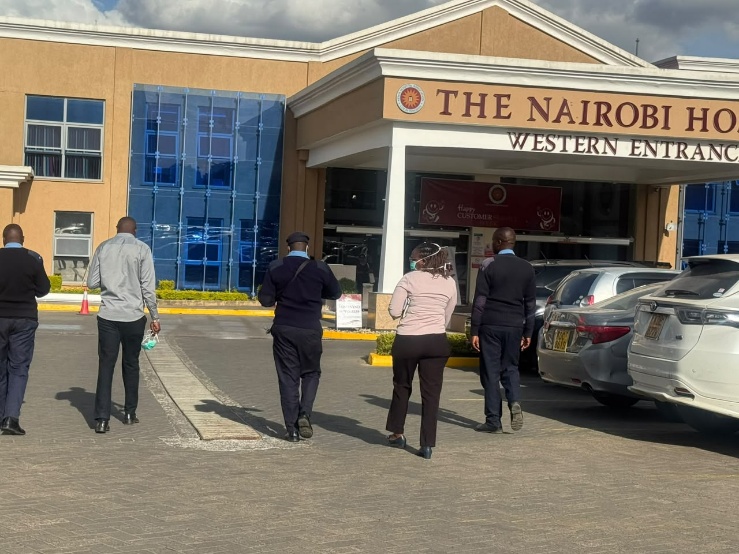
All 12 residents of Cohort 21 of the Kenya Advanced FETP are participating in response activities, supporting the tracing and follow-up of 122 identified contacts.
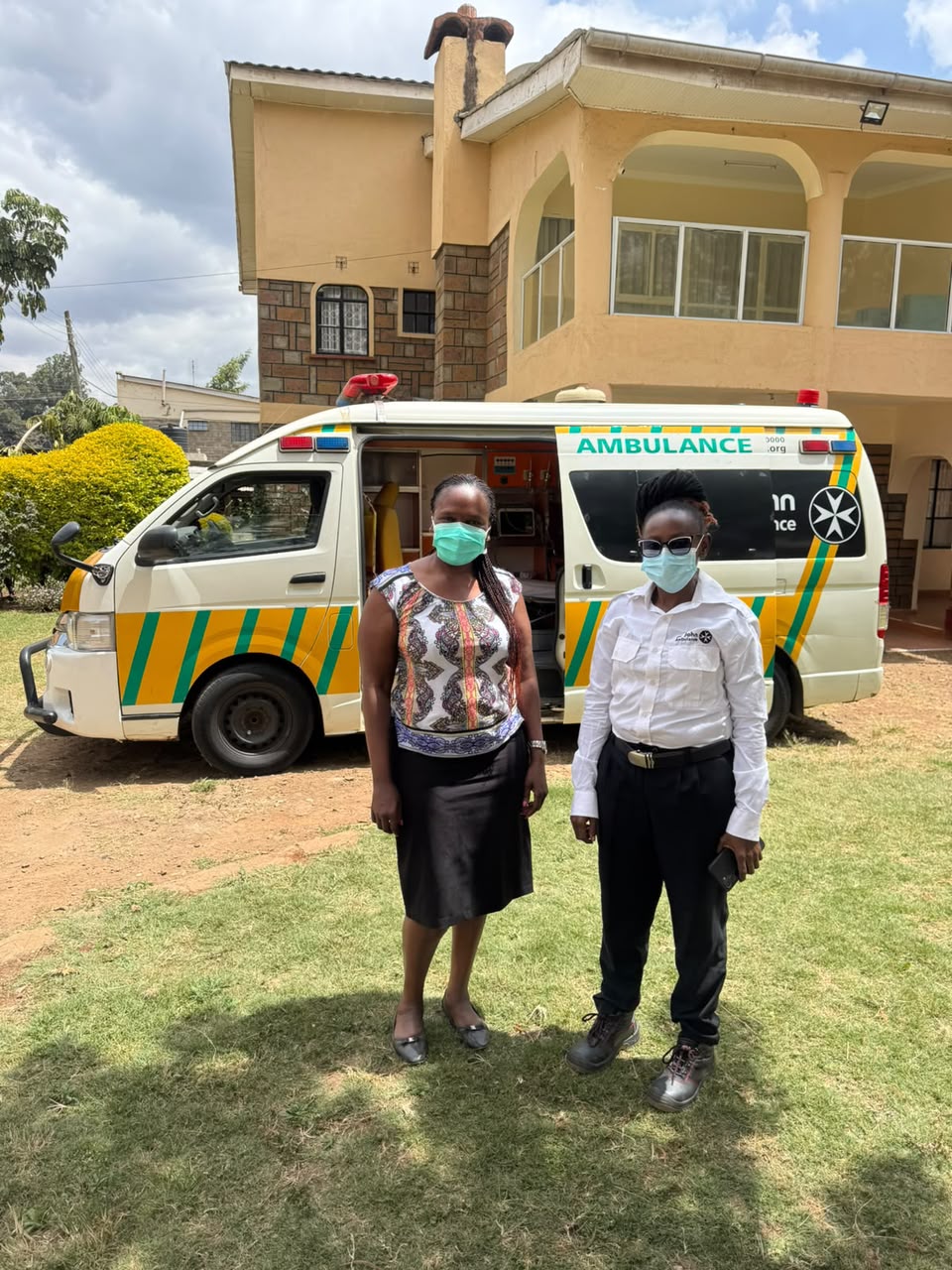
Contact tracing activities remain concentrated in Nairobi, where teams are conducting twice-daily follow-up of contacts to monitor their health, identify symptoms early and ensure timely investigation of any suspected infections.
Although alerts have also been reported in other parts of the country, investigations and laboratory testing of the reported alerts have returned negative results.
These activities are essential to detecting potential secondary infections and preventing further transmission.
Strengthening Cross-Border Surveillance
The movement of people between the DRC, Uganda and Kenya highlights the need for strong surveillance systems and coordinated public health action across the region.
Dr. Bonface Waweru, Program Director of Kenya FELTP, emphasized the importance of regional cooperation:
“Strengthening cross-border surveillance requires timely information sharing, harmonized surveillance and contact-tracing protocols, and coordinated investigations to ensure early detection and an effective response to emerging public health threats.”
The ongoing response demonstrates the importance of strengthening national surveillance capacity while maintaining effective communication and collaboration with neighbouring countries.
Field Epidemiology Training in Action
The involvement of the entire Cohort 21 demonstrates the practical value of investing in field epidemiology training.
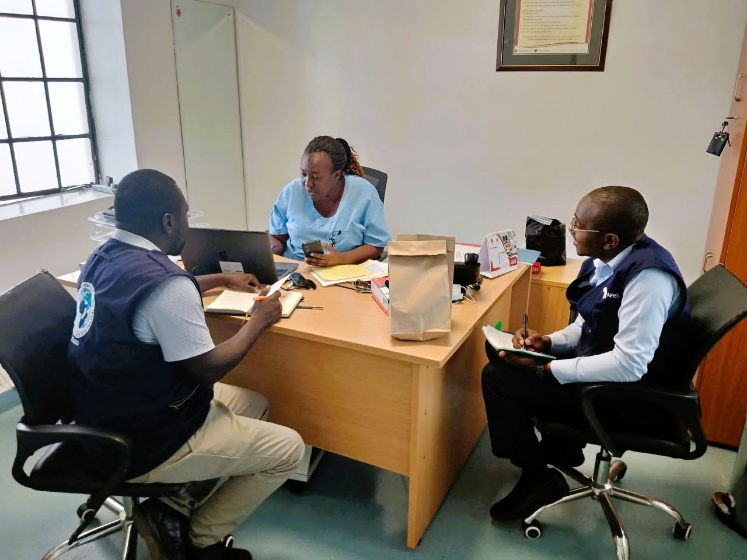
Through their participation in contact tracing, risk assessments, alert investigations and follow-up activities, the residents are applying epidemiological skills in a real-world public health emergency while contributing to Kenya’s response capacity.
Working alongside the Ministry of Health and other response partners, Kenya FELTP residents are helping strengthen the country’s ability to detect and respond to potential infections promptly.
As surveillance and contact monitoring continue, AFENET remains committed to supporting Field Epidemiology Training Programs and strengthening the skilled workforce needed to respond to infectious disease threats across Africa.
Every contact traced, every follow-up completed and every alert investigated strengthens the effort to prevent further Ebola transmission.