
📬 AFENET Monthly Highlights – February 2026
Catch up on key milestones, partnerships, and public health initiatives across Africa this past month. From strengthening field epidemiology training to advancing outbreak response and surveillance, see how AFENET continues to support
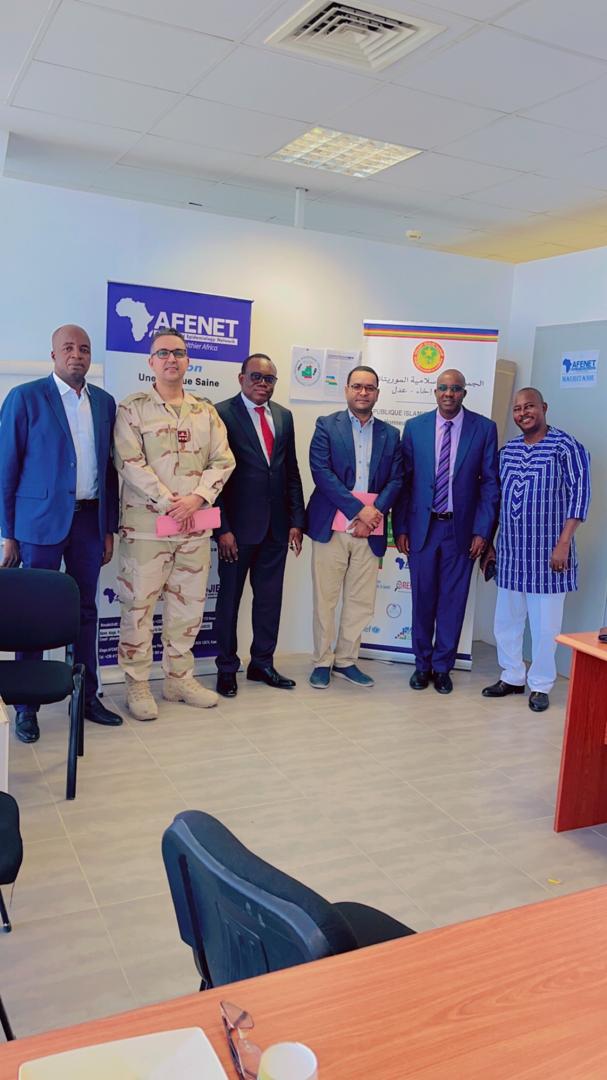
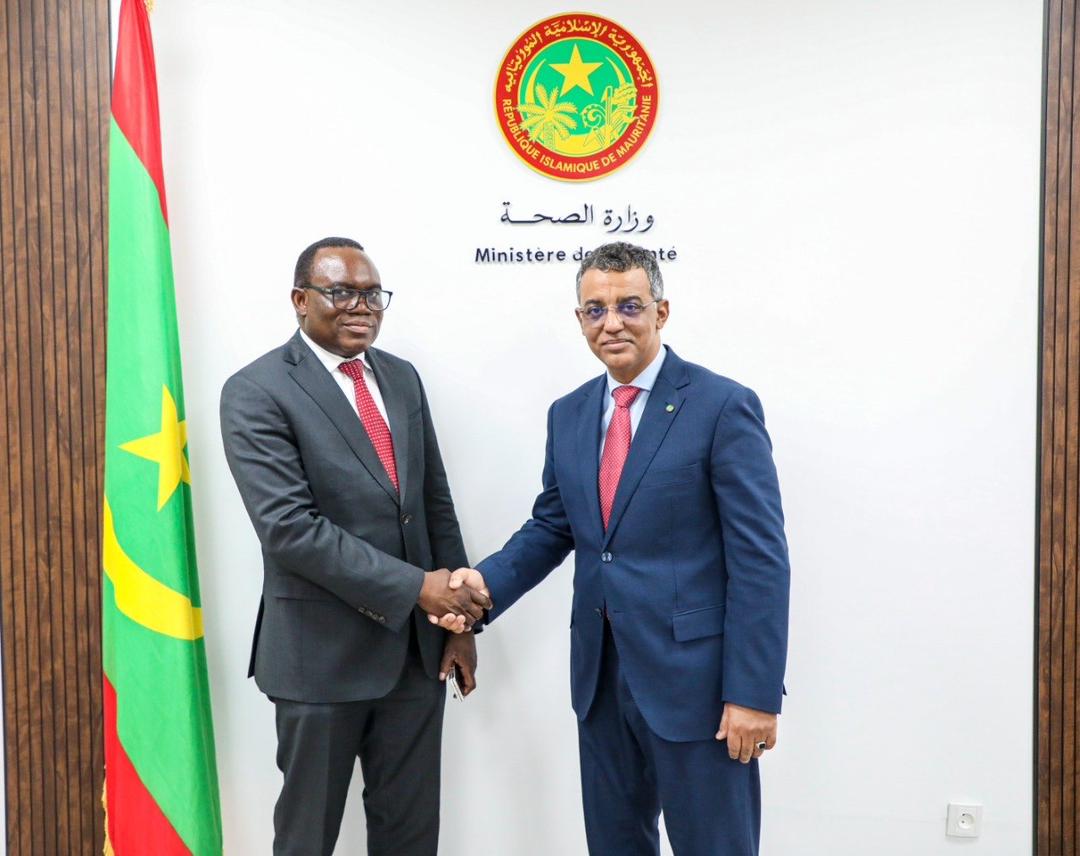
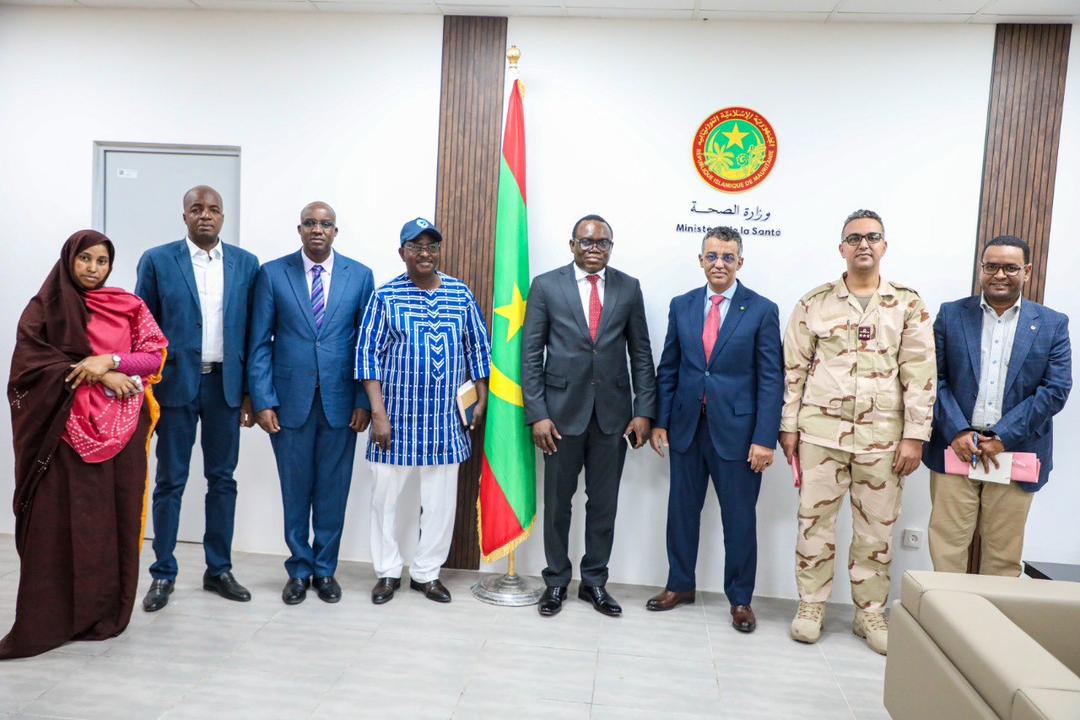
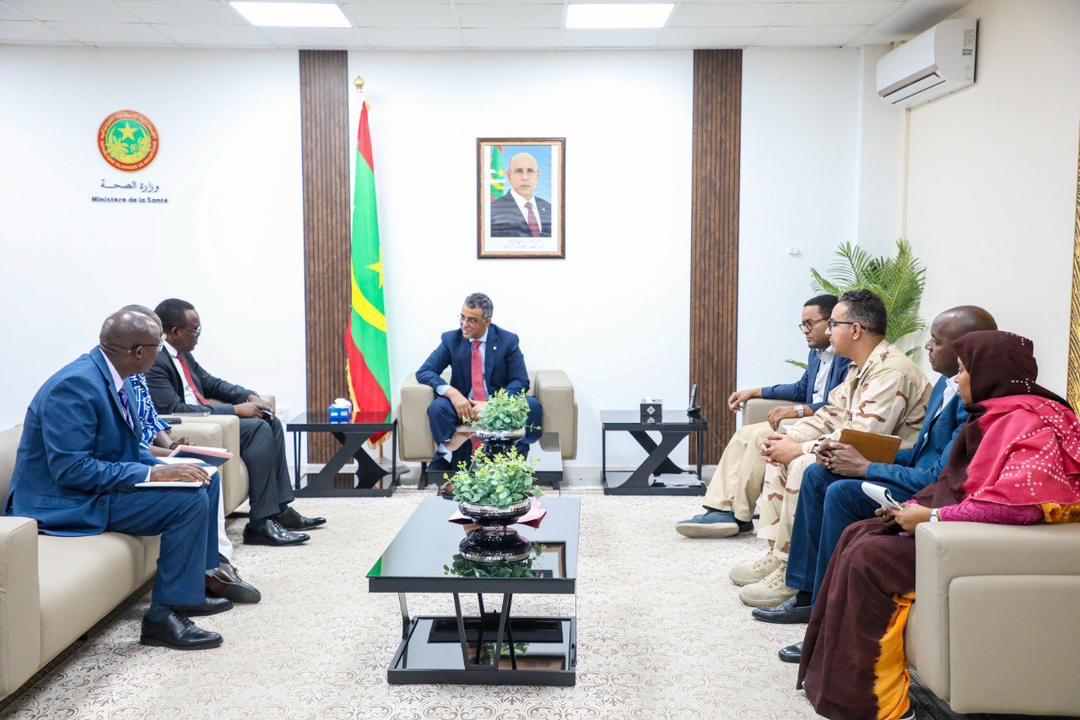
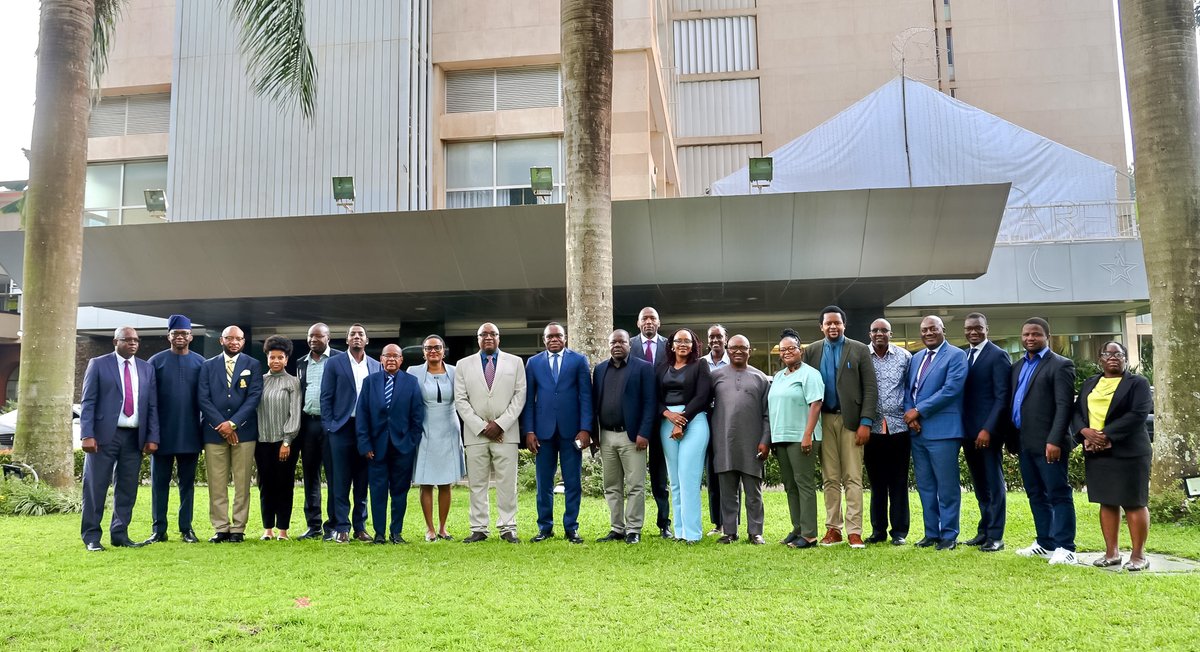
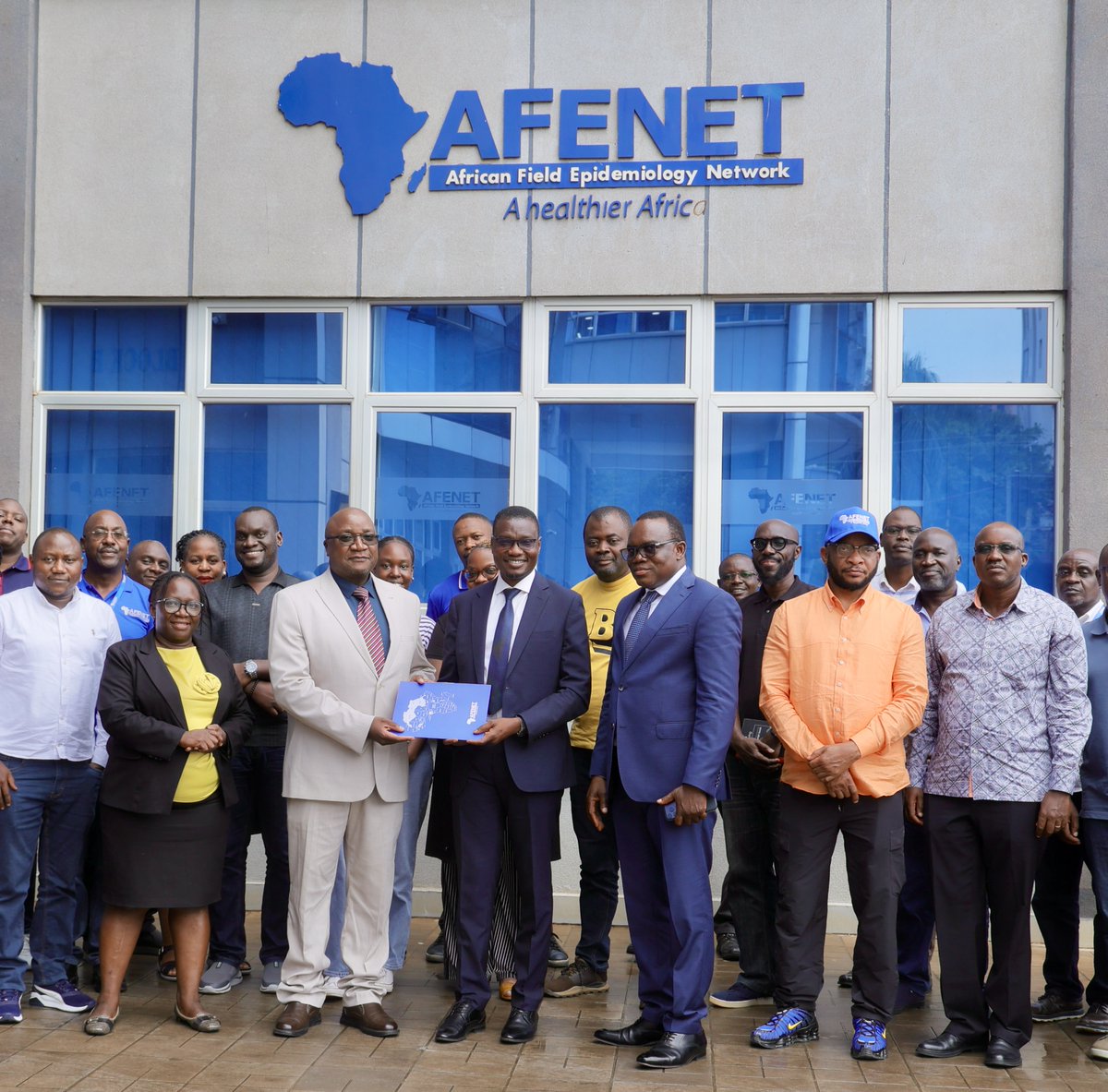
Mauritania’s Minister of Health, H.E. Mohamed Mahmoud Ould Mahmoud, met with a delegation from AFENET led by Dr. Simon Antara, Director, accompanied by Mr. Christopher Tanui, Head of Operations; Dr. Pedwindé Hamadou Seogo, Regional Technical Coordinator for Francophone West
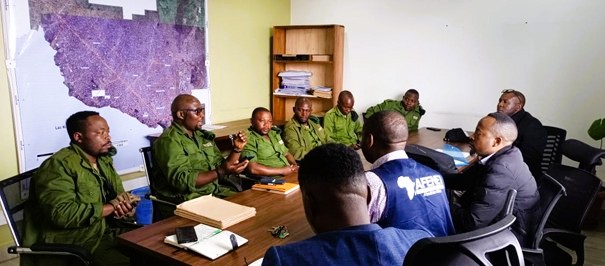
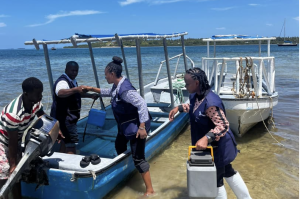
From 19–27 February 2026, AFENET conducted a regional assessment to strengthen health-based Prevention, Preparedness & Response (PPR) to zoonotic diseases across the Grand Virunga Landscape in Uganda, Rwanda & Democratic Republic of the Congo.
On 26 February 2026, eco-guards
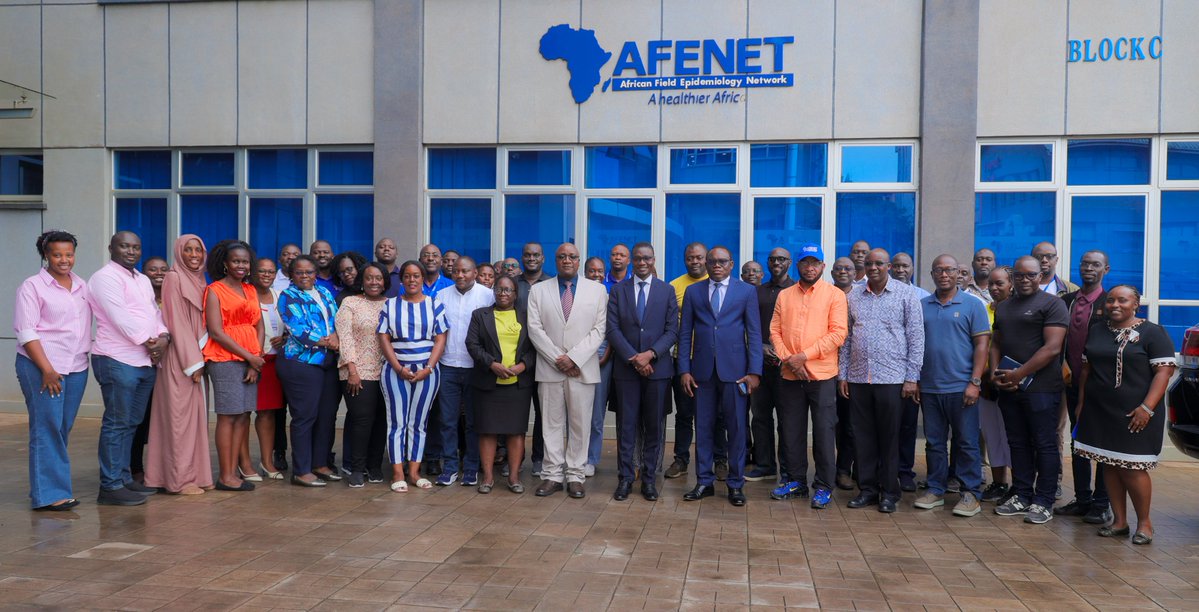
AFENET Welcomes New Board Chair!
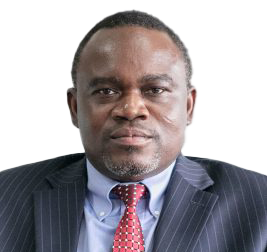
AFENET warmly welcomes Prof. Ernest Kenu, Program Director of the Ghana FETP, as the new Chair of the AFENET Board, announced at the AGM in Kampala, Uganda. He succeeds Dr. Lazarus Kuonza, Program Director of the South Africa FETP, whose tenure
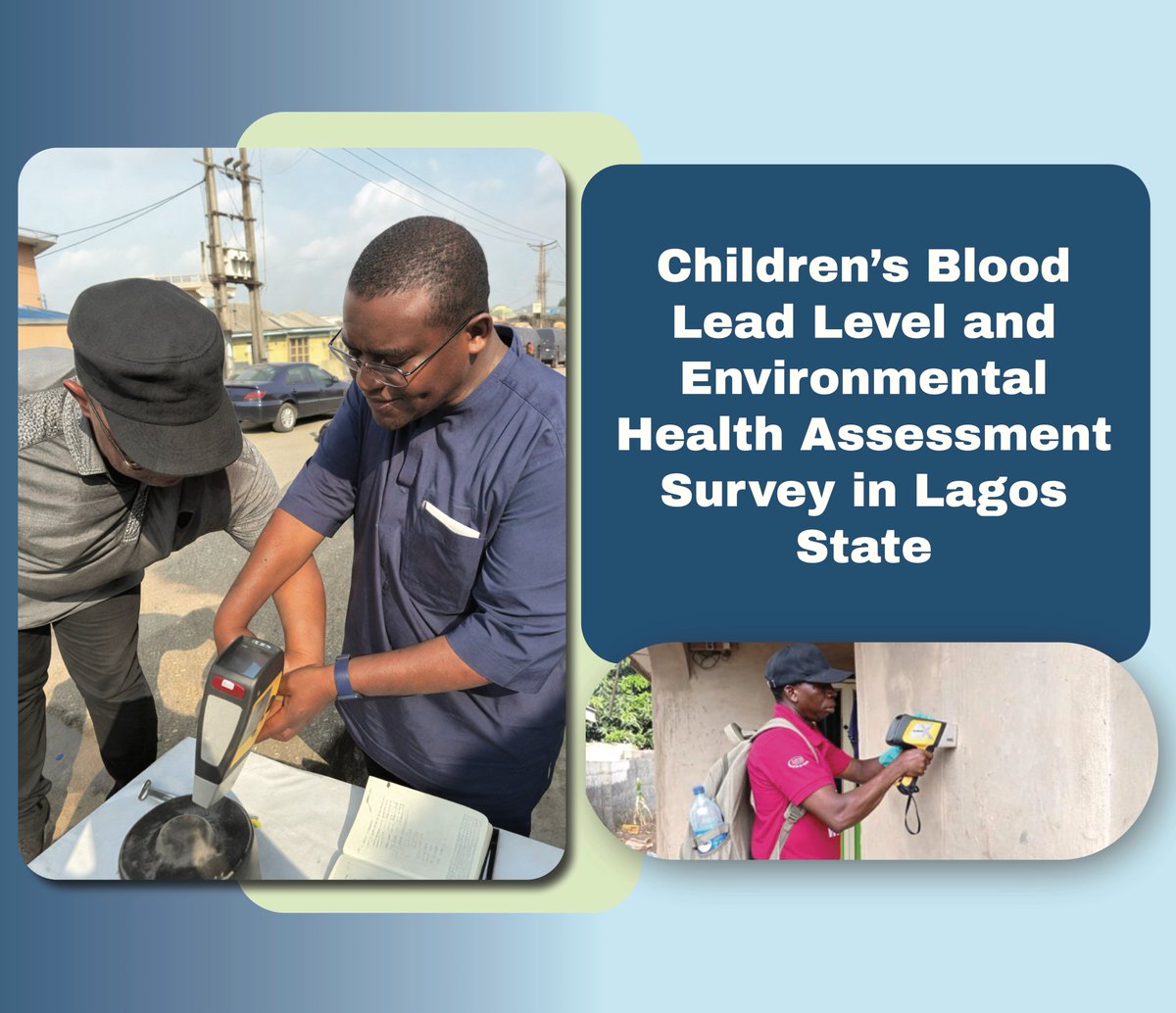
Lead Poisoning in Nigeria: A Hidden Threat to Our Children
⚠️ 80 million Nigerian children are exposed to lead, a toxin with no safe level. Children aged 9–59 months are most vulnerable.
📊 2010 Zamfara crisis: ~400 children died from lead poisoning. Outbreaks have also
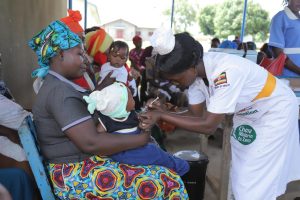
🌍 Finding Every Child: How Defaulter Tracking is Revitalizing Immunization in Uganda 🇺🇬
💉 When the new malaria vaccine was rolled out, many children missed doses—not because the vaccine wasn’t available, but because follow-up systems were weak. By training health workers,




 ;
;