Protecting Children from Lead Poisoning in Nigeria: Lessons from Lagos State
-
by
AFENET
 Lead poisoning is a major public health and environmental threat worldwide. According to the World Health Organization, nearly 900,000 deaths are attributable to lead exposure each year, with Sub-Saharan Africa accounting for 47,000 deaths across all ages. Nigeria ranks among the countries most affected by the global lead burden, with an estimated 80 million children exposed.
Children aged 9–59 months are especially vulnerable, as even low levels of lead in the blood can impair cognitive development, learning, and long-term health. The tragic 2010 Zamfara crisis, caused by illegal gold mining, claimed the lives of an estimated 400 children. Similar outbreaks have been reported in Sokoto, Niger, and Kaduna States, while low-to-moderate exposure continues to affect children across urban and rural communities in Nigeria.
The Lagos State Survey
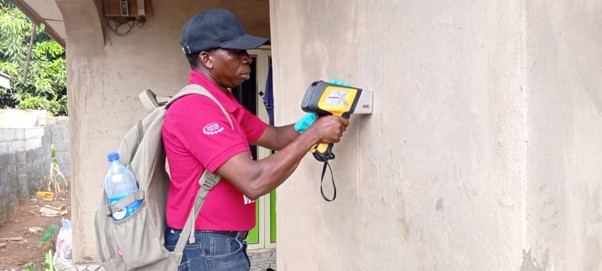
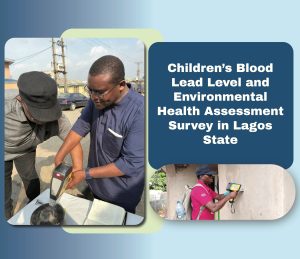
To address this urgent issue, AFENET conducted the Children’s Blood Lead Level and Environmental Health Assessment Survey in Lagos State. The survey aimed to:
- Determine blood lead levels and estimate the prevalence of elevated BLLs (≥5.0 µg/dl) among children aged 12–59 months
- Identify environmental and household sources of exposure
- Map geographic hotspots of lead exposure
- Determine risk factors associated with elevated blood lead levels
The project closely aligned with Nigeria’s national roadmap on lead poisoning elimination and worked through the Inter-Agency Working Group, a platform uniting health, environment, industry, regulatory, and economic sectors to ensure a multisectoral response.
Key Findings and Lessons
- Lead exposure remains widespread, with children in poor and rapidly urbanizing areas at highest risk
- Prevention through regulation, environmental remediation, and community awareness is highly cost-effective
- Collaboration with government authorities strengthens national strategies and sustainability
The Way Forward
AFENET emphasizes:
- Strong national leadership and sustainable financing for lead elimination
- Nationwide blood lead surveillance and hotspot mapping
- Regulation of lead paint, artisanal mining, and informal battery recycling
- Targeted screening, standardized clinical management, and community risk communication
By identifying high-risk areas and promoting prevention, this survey reinforces AFENET’s commitment to protecting children, improving public health, and building a safer environment for all Nigerians.