Zambia has become the first African country to graduate a cohort under the SPARK-Non-Communicable Diseases (NCDs) initiative, marking a milestone in strengthening surveillance for chronic diseases across the continent.
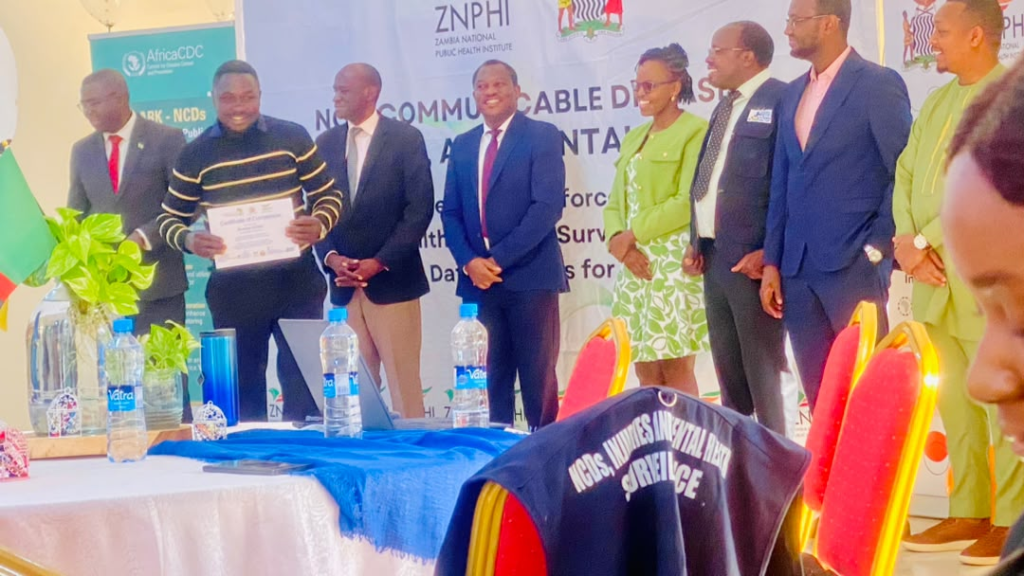
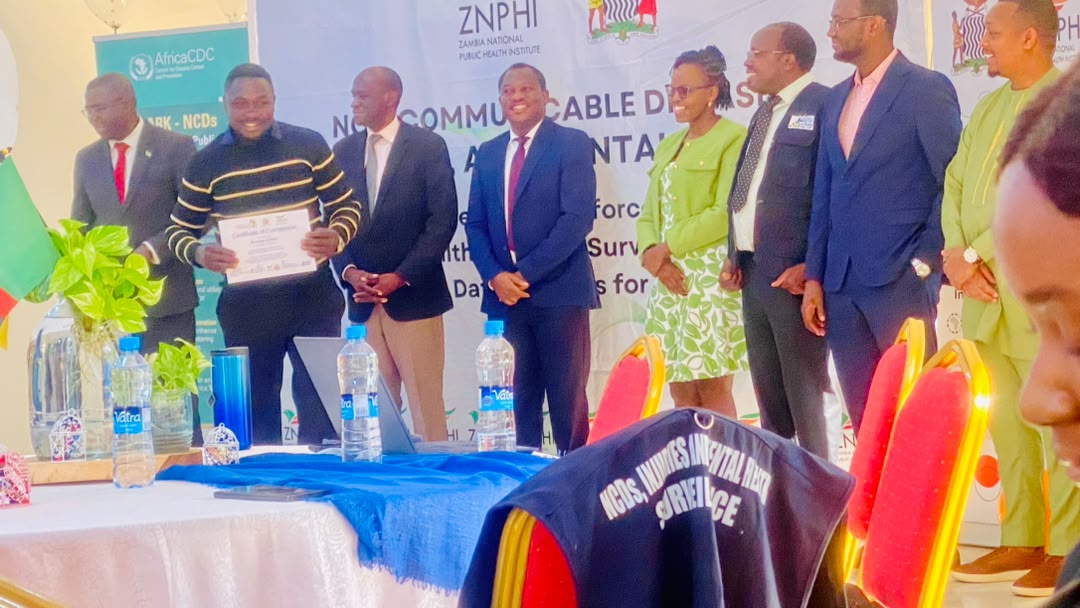
On 25 June 2026, 19 fellows graduated from the inaugural SPARK-NCD cohort following specialised training to strengthen capacity to prevent, detect, monitor and respond to non-communicable diseases.
The SPARK-NCD initiative, led by Africa CDC, aims to integrate NCD surveillance into existing Field Epidemiology Training Programs, expanding their traditional focus on infectious diseases and outbreaks.
Zambia was among ten Member States selected for the initiative. The program followed a SPARK-NCD track implementation meeting held on 28 January 2026 in Nairobi, Kenya.
25 June 2026: Graduation ceremony for the first SPARK-NCD cohort in Zambia.
Non-communicable diseases, including hypertension, diabetes, cancers and substance use disorders, present growing public health challenges that require stronger surveillance systems, reliable data and skilled professionals.
During the three-month training, fellows applied epidemiological skills to priority public health problems through field assignments including surveillance data quality audits, NCD risk-factor assessments, cluster investigations and surveillance data analysis.
The assignments provided opportunities to identify surveillance gaps and generate evidence to inform public health decision-making. The graduation demonstrates Zambia’s progress in broadening field epidemiology training to address both communicable and non-communicable diseases.
By integrating NCD surveillance into its established FETP structure, Zambia is strengthening the capacity of its public health workforce to address a wider range of health challenges.
AFENET