
AFENET strengthens polio surveillance and immunization systems in Ghana
-
by
AFENET
The confirmation of Circulating Vaccine-Derived Poliovirus type 2 (cVDPV2) in Ghana since 2019 posed a significant threat to national and global polio eradication efforts. Recognizing the need for sensitive surveillance systems and strong routine immunization services, during 2024-25 AFENET provided targeted technical support to Ghana’s Central Region—one of the country’s priority regions—to enhance Acute Flaccid Paralysis (AFP) surveillance, improve detection of vaccine-preventable diseases (VPDs), and strengthen immunization service delivery. This support directly contributed to sustaining Ghana’s progress toward polio eradication and improved preparedness for public health threats. The primary objectives of AFENET’s support were to reduce the risk of poliovirus transmission by closing immunity and surveillance gaps among vulnerable populations in the Central Region, and reinforce the overall disease surveillance and response system in Ghana.
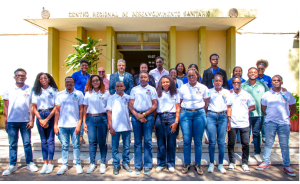
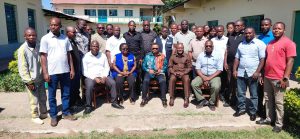
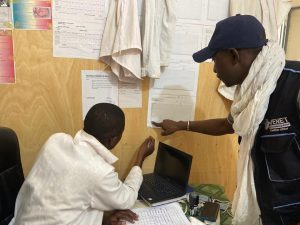
Working in close collaboration with the Ghana Health Service (GHS), including the Regional Health Directorate, District and Municipal Health Management Teams, Expanded Programme on Immunization (EPI) teams, surveillance officers, clinicians, and frontline health workers, AFENET deployed technical consultants to support enhanced AFP and VPD surveillance activities across selected districts. Key interventions included supportive supervision visits to high-, medium-, and low-priority health facilities; active case searches through systematic review of outpatient, consulting room, and electronic registers; and on-site mentoring of district and facility surveillance officers. AFENET also supported sensitization of health workers, community leaders, and traditional healers on AFP and VPD detection, assessed vaccine cold chain management, supervised routine immunization sessions, and facilitated coordination meetings with regional and district health management teams to address identified gaps and agree on corrective actions. Engagement at community level involved traditional health practitioners, community health workers, and caregivers, ensuring a comprehensive approach to surveillance and immunization strengthening. These interventions aligned with national priorities under the Global Polio Eradication Initiative, with technical coordination involving CDC-supported expertise.
These interventions led to tangible improvements in surveillance performance and service quality. All planned high-priority health facilities were visited, achieving a 100% high-priority site visit rate and meeting overall priority site targets. Active case searches identified previously unreported AFP cases, which were validated, contributing to a non-polio AFP rate of 3.85 per 100,000 children under 15 years—above the minimum target. Key surveillance quality indicators, including stool adequacy, timeliness of sample collection, and transport, consistently exceeded 80%. More than 25 health workers were sensitized on AFP/VPD surveillance and routine immunization, cold chain systems were assessed across visited facilities, and routine immunization sessions were supervised to improve service delivery and data quality. Supportive supervision also strengthened documentation practices, use of digital surveillance tools, and performance of 60-day AFP follow-up examinations.
AFENET’s targeted technical assistance in Ghana demonstrates the value of strategic investments in surveillance and immunization system strengthening. By improving case detection, data quality, and frontline capacity, AFENET helped close critical gaps that could undermine polio eradication efforts. Despite ongoing challenges such as resource constraints, the results highlight how focused partner support can sustain progress, strengthen national systems, and protect vulnerable populations from vaccine-preventable diseases. This work reinforces AFENET’s role as a trusted implementing partner in advancing global health security and polio eradication goals.