Mass gathering event-based surveillance as a platform for outbreak preparedness. Illustrations from the Grand Magal of Touba, Senegal
-
by
AFENET
Each year, the Grand Magal of Touba brings together between 3 and 4 million pilgrims, making it Senegal’s largest annual religious gathering. The August 2025 event took place during the rainy season and at a time when Mpox had been reported in neighboring countries. These conditions increased the risk of disease outbreaks and placed heavy pressure on local health services. To support Senegal’s preparedness and response, AFENET worked through graduates of the Field Epidemiology Training Program (FETP) to strengthen disease surveillance, coordination, and response before and during the event. The main objectives were to ensure early detection of priority diseases, maintain uninterrupted daily health reporting during the pilgrimage, support rapid response to suspected cases, and prevent large-scale disease outbreaks among pilgrims and surrounding communities.
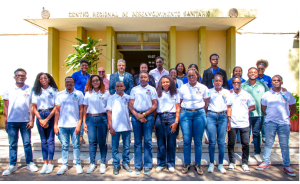
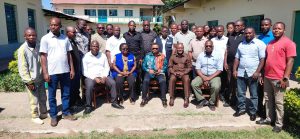
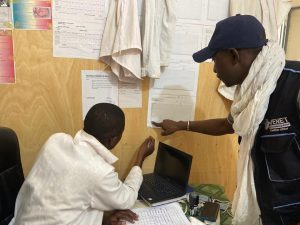
Working closely with the Senegal Health Emergency Operations Center, the Regional Health Directorate of Diourbel, the Touba Health District, hospitals, laboratories, and frontline health workers to ensure coordinated action throughout the event, AFENET-supported FETP graduates were involved from the planning stage through the end of the event. They worked with national and regional health authorities to organize surveillance systems, develop simple reporting tools, and train frontline health workers. During the pilgrimage, FETP graduates were deployed across all levels of the health system, including medical posts, health centers, referral facilities, and hospitals. They supported daily reporting, verified data quality, investigated suspected cases, coordinated sample collection and transport, helped health teams respond quickly to emerging needs and supported logistics by helping facilities share supplies and adjust staff and resources in response to patient flow and access challenges.
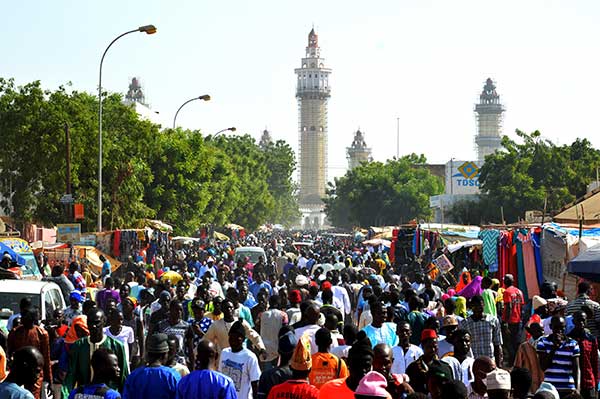
With these interventions we achieved 100% completeness of daily health reports during the most critical days of the event. On August 12, 2025, health facilities recorded 5,631 consultations, rising to more than 10,000 the following day. In total, 11,257 patients were managed, including 504 hospitalizations, 162 medical evacuations, and 23 deaths. Although suspected cases of measles, viral hemorrhagic fever, Mpox, and bloody diarrhea were reported, no major outbreak was confirmed, apart from a resurgence of malaria that was promptly managed.
How AFENET handled the 2025 Grand Magal of Touba demonstrated how strong preparation and skilled public health professionals can protect millions of people during a major mass gathering. Through AFENET’s support, FETP graduates helped ensure timely reporting, rapid action, and smooth coordination across the health system. Their work contributed to preventing a major outbreak and maintaining essential health services despite difficult weather and logistical challenges. This experience shows the value of investing in trained field epidemiologists to strengthen health security during large public events and beyond and illustrates that mass gathering surveillance is an effective intervention for timely detection, and management, of suspected cases to minimize disease transmission in crowded places. Working with our development partners, AFENET remains committed to use it as a platform for outbreak preparedness in her operational areas across the continent.