AFENET demonstrates effectiveness of One health approach in outbreak response in Senegal
-
by
AFENET
In 2022 and 2023, major outbreaks of highly pathogenic avian influenza were recorded in two national parks: Djoudji Park and Langue de Barbarie Park respectively, in the northern part of Senegal, an AFENET member country. Through the AFENET Corp of Disease Detectives (ACoDD) mechanism, in collaboration with FAO and Word Bank (REDISSE), we deployed 10 Field Epidemiology Training Program (FETP) residents and graduates to participate in the management of both outbreaks. The team adopted the One Health (OH) approach as the main strategy to manage the investigation and response effort. One Health is the approach where professionals—particularly physicians, veterinarians, public health experts, environmental experts, climate change groups, and conservationists work together to maximize human, animal, plant, and environmental health. The approach contributes to global health security by fostering collaboration across sectors and disciplines, emphasizing shared governance, communication and coordination.
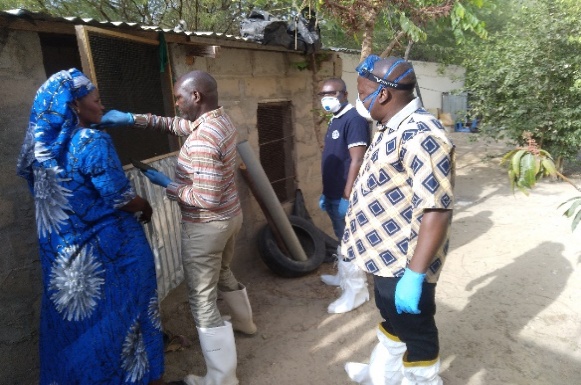
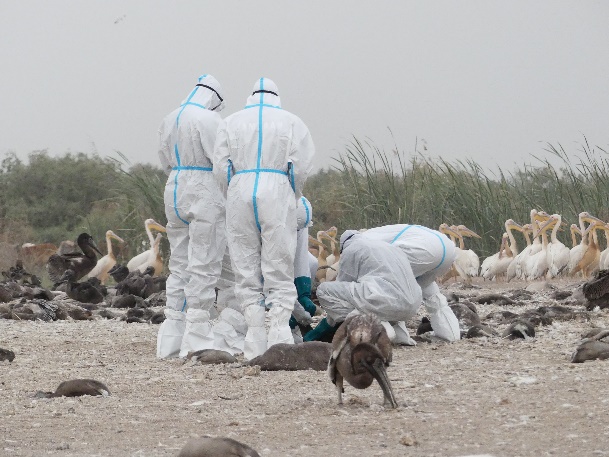
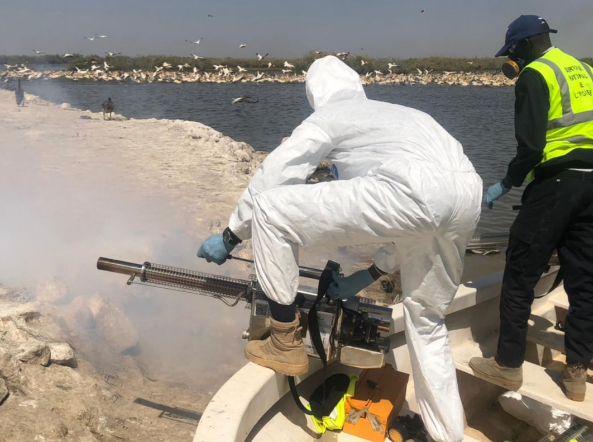
For the two outbreaks the residents and alumni participated as incident managers and members of multidisciplinary teams composed of doctors, veterinarians, hygiene service agents, teacher-researchers and students. Indeed, One Health collaboration made it possible to pool resources for funding field operations, share information and communicate to generate community engagement. At field level, multidisciplinary teamwork made it possible to undertake joint outbreak investigation and response in animals and humans.
The highlight of the response efforts in both cases was that, owing to the intervention of ACoDD members using a One Health approach, the epidemics were contained and restricted in animals, thus completely avoiding human cases.
With the positive results obtained from the use of the One Health approach in the management of the highly pathogenic avian influenza epidemics in Senegal, AFENET successfully demonstrated that when properly applied and implemented, the approach is able to protect and save millions of lives across generations and contribute to global health security. To sustain and build on this success, over the medium term, AFENET is committed to working with partners to support countries in Sub-Sahara Africa to institutionalize the approach in their health systems.
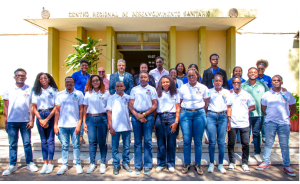
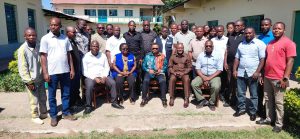
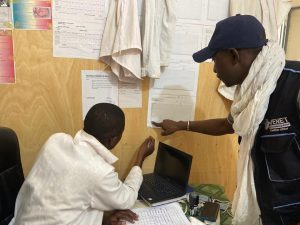
The pictures below show the multidisciplinary teams at work.