Capacity Building for Border Health Providers in Kasai, Kasai Central, and Kwango
-
by
AFENET
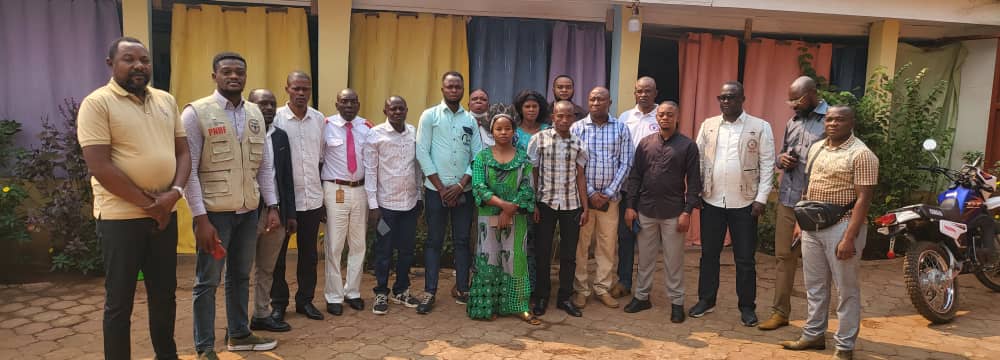
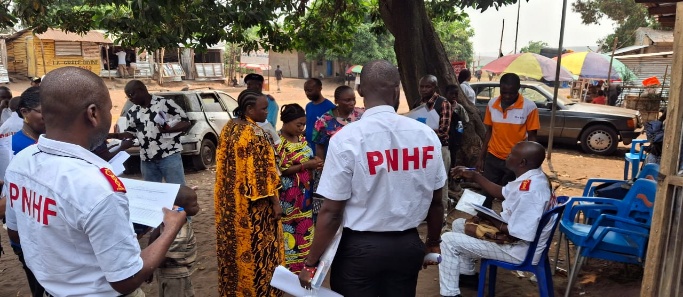
The African Field Epidemiology Network in the Democratic Republic of the Congo (AFENET DRC), with support from the U.S. Centers for Disease Control and Prevention (U.S. CDC), is supporting the National Border Health Program (PNHF) to strengthen preparedness and resilience at points of entry (PoEs) in response to the country’s 16th Ebola Virus Disease (EVD) outbreak. The initiative focuses on nine priority points of entry across the provinces of Kasai, Kasai Central, and Kwango.
Following the launch of the project on 2 June 2026, technical experts from the National Border Health Program (PNHF), the National Institute of Public Health (INSP), AFENET DRC, the U.S. CDC, and other border health partners conducted a prioritization exercise using the World Health Organization (WHO) Point of Entry Prioritization Tool. The assessment identified nine high-priority points of entry requiring strengthened operational support, with capacity building for frontline personnel emerging as a key need.
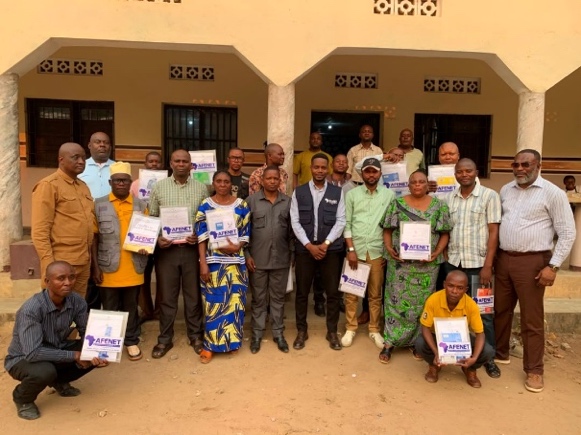
To better understand these needs, three multidisciplinary teams from PNHF, INSP, and AFENET DRC carried out capacity assessment missions from 23–27 June 2026 across the three target provinces. The assessments informed tailored training plans for 45 frontline service providers working at the points of entry of Shamaziamo, Katodi, and Kisioma (Kwango Province); Kankdjaji, Kamako, and Kabwakala (Kasai Province); and Kalamba Mbuji, Mwenyambulu, and Kandunda (Kasai Central Province).
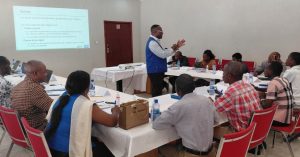
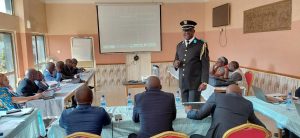
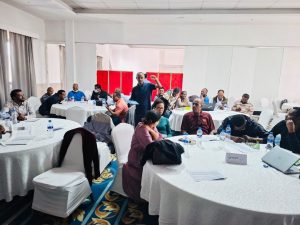
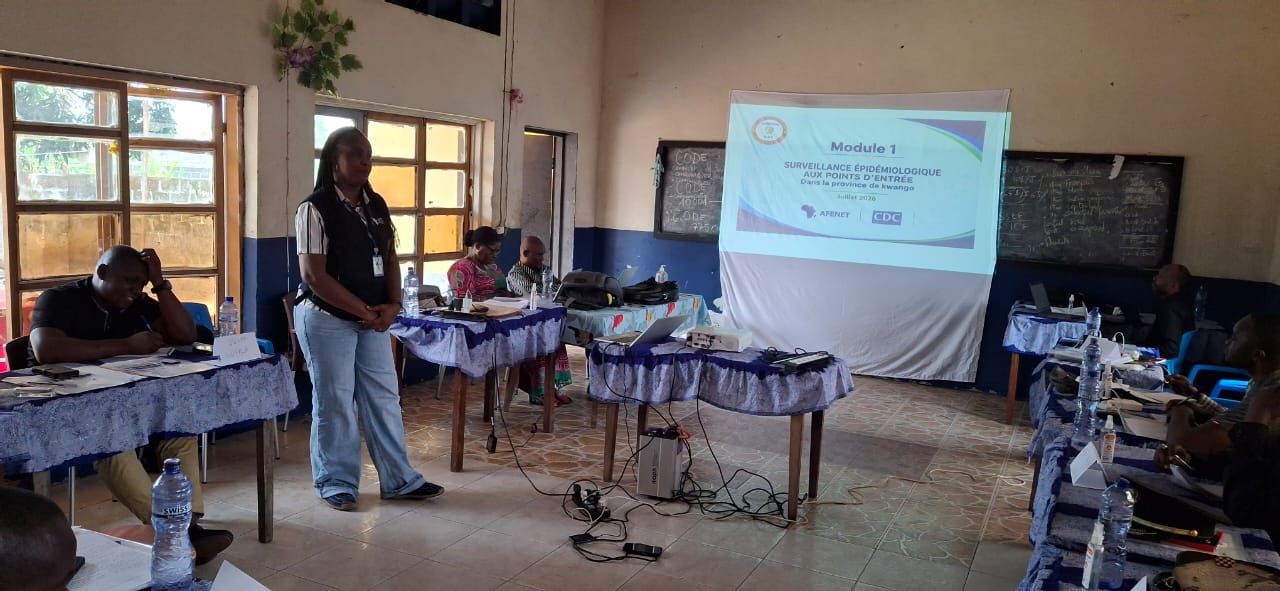
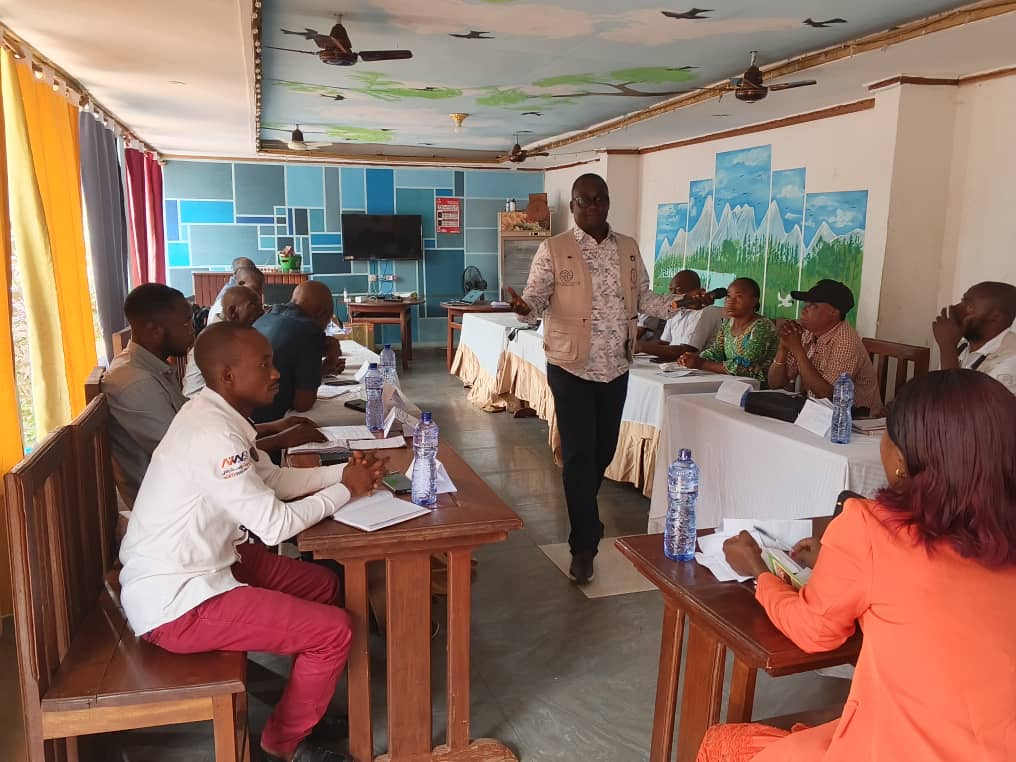
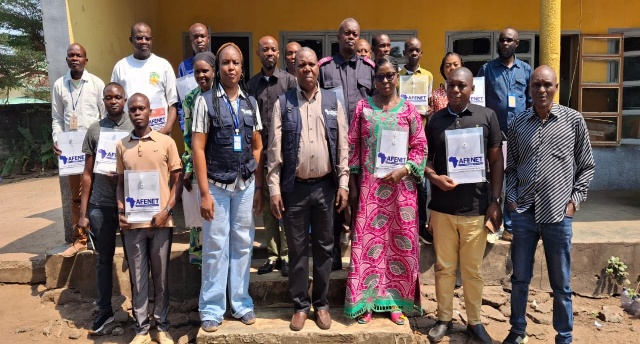
Based on the findings, three parallel six-day training sessions were conducted from 16–23 July 2026 for point of entry personnel and provincial coordination teams. The training strengthened participants’ competencies in border surveillance, implementation of the International Health Regulations (IHR 2005), infection prevention and control (IPC), risk communication and community engagement (RCCE), data management, multisectoral coordination at points of entry, and emergency preparedness through simulation exercises.
Through this initiative, AFENET DRC is helping strengthen the capacity of border health personnel and Provincial Health Divisions (DPS) to improve early detection, timely reporting, and coordinated response to public health threats. The intervention also builds on lessons learned from the Bulape Ebola outbreak by reinforcing sustainable systems for surveillance and emergency response at strategic border crossings.
The next phase of the project will focus on on-site mentorship and supportive supervision to reinforce the knowledge and skills gained during the training. This follow-up will help ensure the effective application of best practices in cross-border surveillance, strengthen preparedness for public health emergencies, and enhance the long-term resilience of border health systems in the three provinces.