AFENET and Partners Advance Laboratory Preparedness for Viral Hemorrhagic Fevers in the Democratic Republic of Congo
-
by
AFENET
Kinshasa, Democratic Republic of Congo – July 2026 — Efforts to strengthen the Democratic Republic of Congo’s capacity to detect and respond to viral hemorrhagic fevers (VHFs) are gaining momentum through a collaborative initiative to assess and strengthen diagnostic capacity in provincial laboratories.
Under the LAB/AFENET-CDC Project, the Laboratory Health Directorate (DLS), the National Institute of Public Health (INSP), the National Institute for Biomedical Research (INRB), the Provincial Health Divisions (DPS), and the African Field Epidemiology Network (AFENET) are collaborating to assess the readiness of selected provincial laboratories to support the detection and diagnosis of viral haemorrhagic fevers (VHFs). The assessment will identify existing capacities, gaps, and priority areas for strengthening laboratory preparedness and response to VHF outbreaks.
A key milestone in the initiative was the digitalization of the laboratory self-assessment process using KoboCollect, enabling laboratories to systematically document their diagnostic capacities, identify gaps, and generate evidence to guide targeted investments and capacity strengthening.
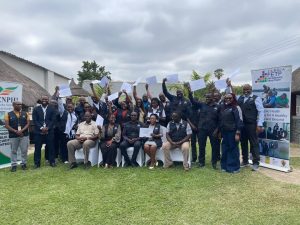
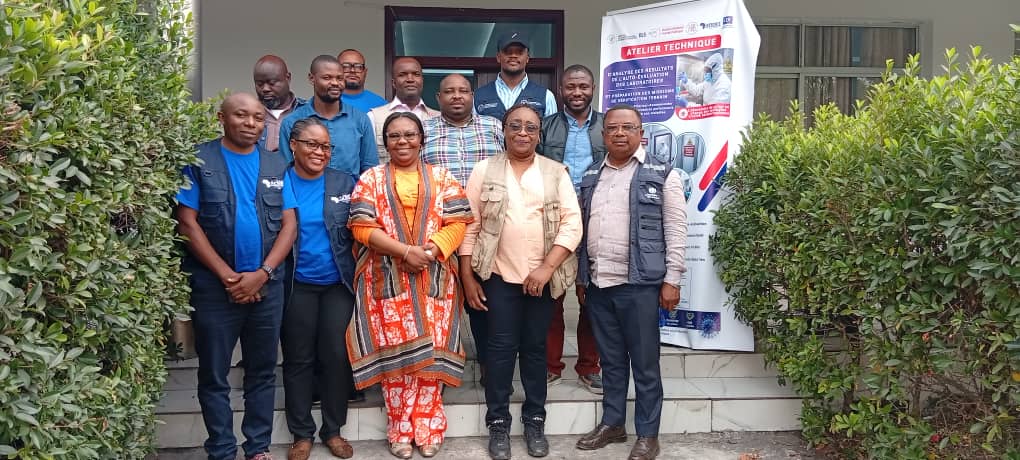
The digitalized self-assessment tool was presented to stakeholders in Kinshasa in June 2026, bringing together representatives from DLS, INSP, INRB, and AFENET. The assessment targeted provincial laboratories in Gemena, Lusambo, Boende, and Bunia, with the aim of understanding their capacity to support VHF diagnosis and response.
From assessment to action
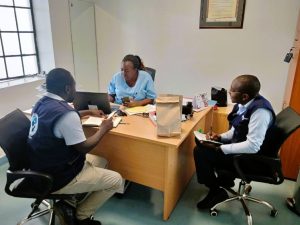
Following the completion of the self-assessments, stakeholders convened in Kinshasa on 3 July 2026 to review and analyze the findings. The process then moved beyond data collection to field-level verification, ensuring that reported capacities and gaps accurately reflected conditions within the laboratories.
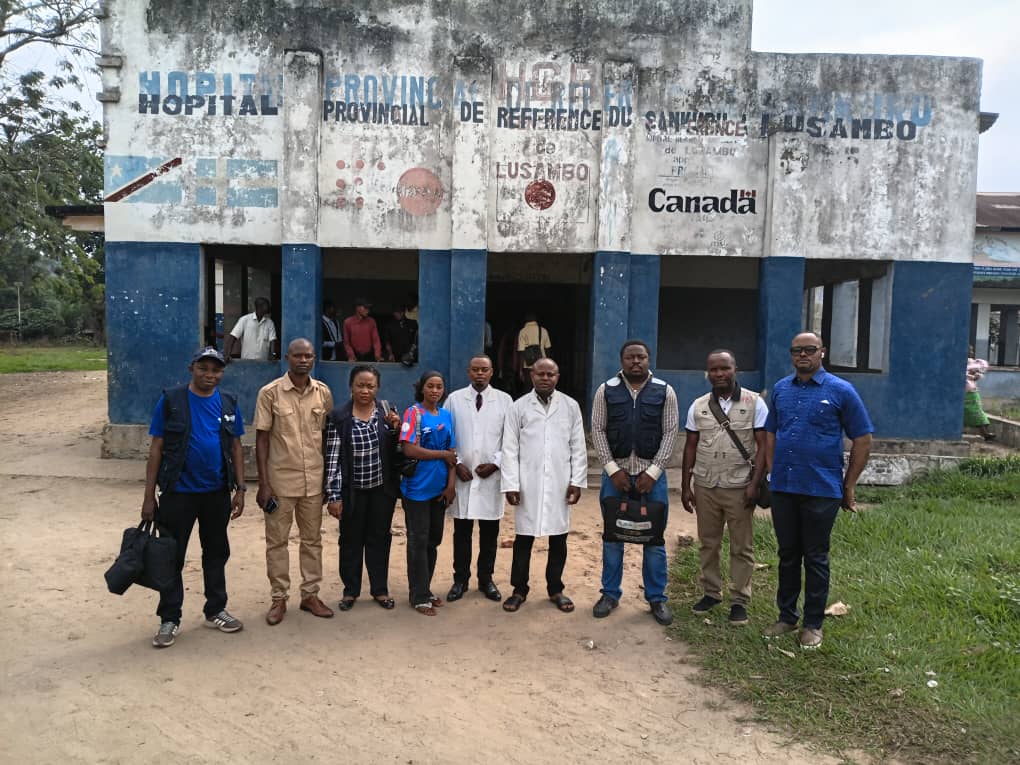
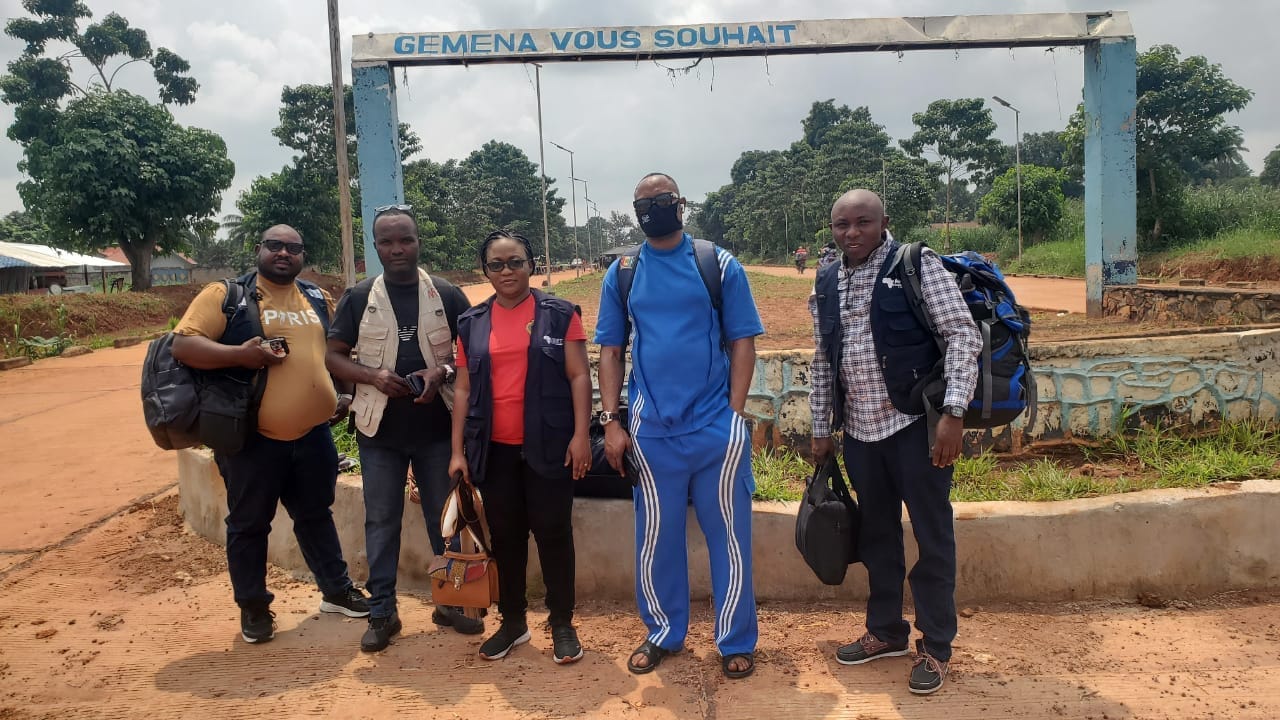
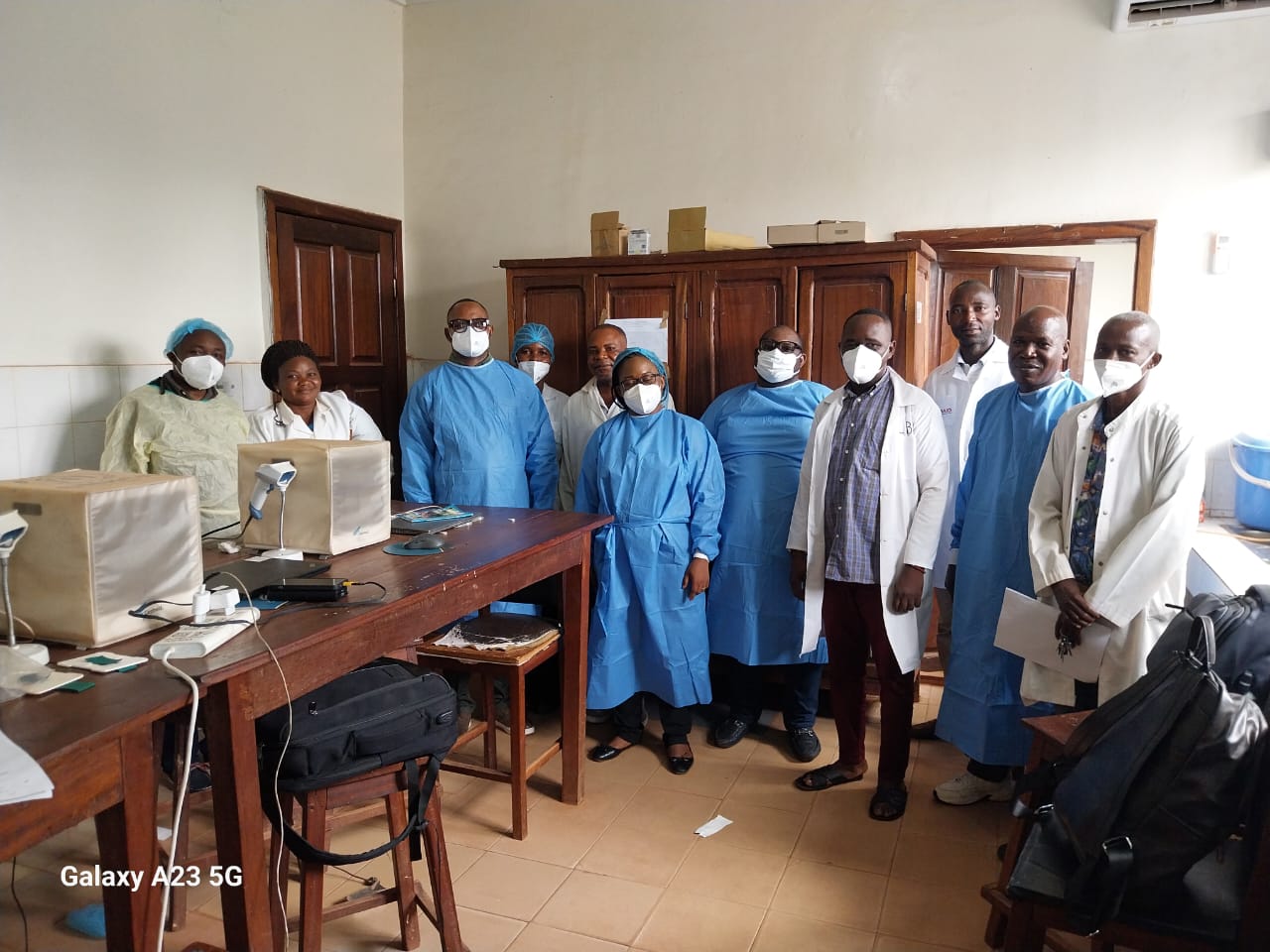
Teams subsequently visited the Gemena Laboratory in Sud-Ubangi Province on 17 July and the Lusambo Laboratory in Sankuru Province on 29 July to verify the assessment findings alongside provincial health authorities and laboratory teams.
The assessments identified several critical areas requiring attention.
At the Lusambo Laboratory, key gaps included insufficient equipment and limited specialized training. Priorities identified include the acquisition of essential laboratory equipment and strengthening staff competencies.
Similar gaps were identified at the Gemena Laboratory, where insufficient equipment and specialized training were highlighted as priority areas for strengthening.
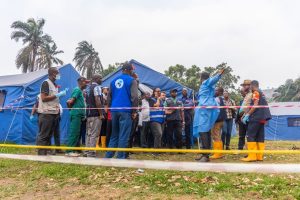
Assessments of the Boende Laboratory in Tshuapa and Bunia Laboratory in Ituri are ongoing. Given the Ebola Bundibugyo epidemic in Bunia, only one response remains adapted to the current situation. Initial findings have highlighted the need for strengthened equipment, including cold-chain and sample transportation equipment, as well as appropriate systems for biological waste management.
Building stronger diagnostic systems
Laboratories play a critical role in outbreak preparedness and response. During public health emergencies such as Ebola and other VHFs, timely laboratory confirmation is essential for rapidly identifying cases, guiding clinical management, initiating contact tracing, and informing public health interventions.
By combining digital assessment tools, stakeholder analysis, field verification, and targeted capacity strengthening, the LABO/AFENET-CDC Project is helping generate a clearer picture of laboratory readiness and the investments needed to close critical gaps.
The approach also strengthens collaboration between national institutions, provincial health authorities and laboratory teams, ensuring that interventions are grounded in local needs and operational realities.
For AFENET, strengthening laboratory capacity is an important component of building resilient public health systems and advancing health security across Africa.
As the assessments continue, the evidence generated will help inform priorities for equipment, infrastructure, training and other laboratory strengthening interventions, supporting the DRC’s ability to detect threats earlier and respond more effectively when outbreaks occur.