Beyond the Numbers: How AFENET’s Disease Detectives Are Strengthening the Ebola Response in DRC
-
by
AFENET
As the Democratic Republic of the Congo (DRC) battles a rapidly expanding outbreak of Bundibugyo virus disease (BVD), hundreds of field epidemiologists and frontline responders are working across affected communities to detect cases, trace contacts and strengthen surveillance systems.
The African Field Epidemiology Network (AFENET), with support from the US Centers for Disease Control and Prevention (US CDC), has scaled up its deployment of the AFENET Corps of Disease Detectives (ACoDD), reaching a maximum deployment of 359 responders to support national and provincial response efforts.
The scale of the emergency is significant. According to the Ebola situation report of 12 October 2026, the DRC had recorded 8,914 confirmed cases, 4,315 deaths and 2,338 recoveries, with a case fatality ratio of 48.4%. The outbreak had affected 65 health zones across seven provinces.
The confirmation of an imported fatal case in Kenya, following travel through Uganda, has further highlighted the importance of coordinated cross-border surveillance and rapid information sharing.
From Outbreak Detection to Frontline Action
AFENET’s response has evolved alongside the epidemic.
Beginning with an initial deployment of 27 responders in May 2026, AFENET progressively expanded its support to 250 responders, followed by 269 and subsequently a maximum deployment of 359.
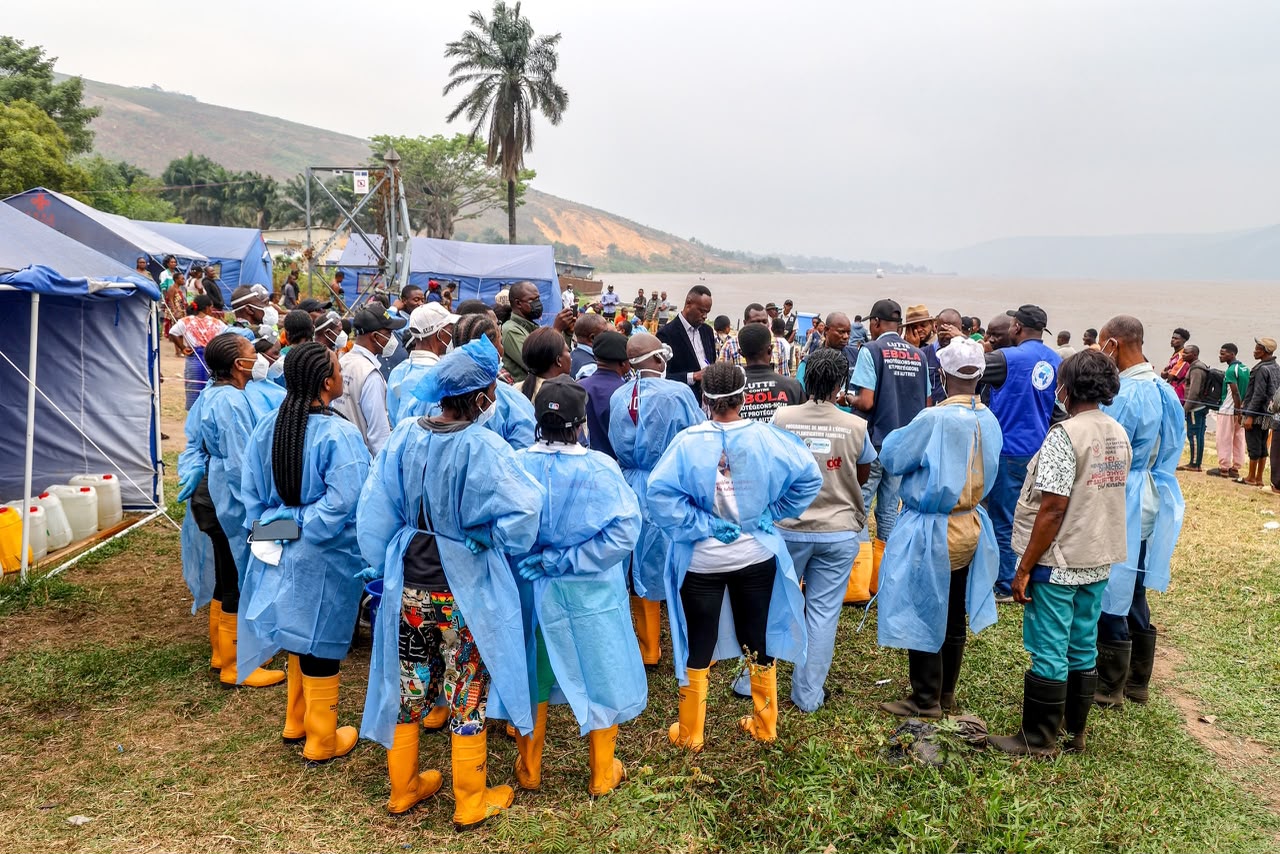
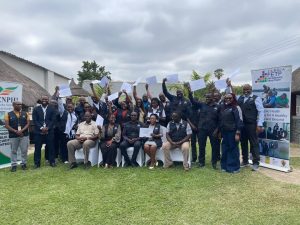
The teams, comprising Field Epidemiology Training Program (FETP) graduates and residents alongside Ministry of Health personnel, are supporting surveillance, case investigations, contact tracing, community engagement and coordination.
Their contribution extends beyond identifying suspected cases. They are helping strengthen the systems needed to detect outbreaks earlier, investigate alerts promptly and ensure that potentially exposed individuals are followed up.
Turning Surveillance Data into Action
The national response figures illustrate the scale of epidemiological work required to contain the outbreak.
As of 12 October 2026, surveillance operations had generated 64,790 alerts, of which 18,190 were validated. A further 16,781 suspected cases had been investigated, with 6,552 investigations conducted within 24 hours.
Contact tracing remains central to the response. Nationally, 347,159 contacts had been followed, although the reported daily follow-up rate of 83.1% indicates that gaps remain.
ACoDD teams are contributing to these surveillance and contact-tracing efforts, working alongside national health authorities and response partners.
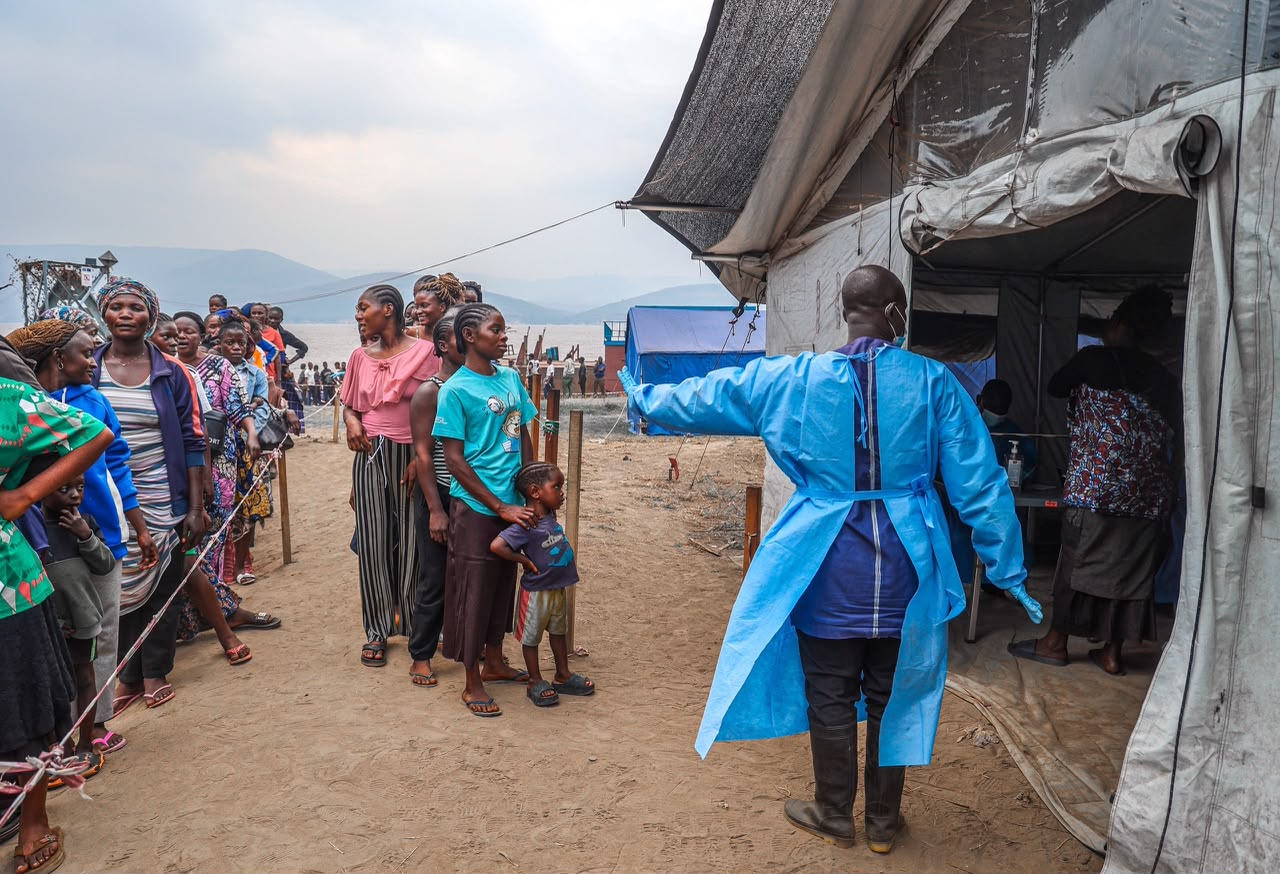
In communities and health facilities, their work includes investigating alerts, identifying contacts who may otherwise be missed, supporting reporting systems and linking suspected cases to appropriate services.
These activities are particularly important in areas experiencing population movement, insecurity and limited access to health services.
Strengthening Surveillance Where It Matters Most
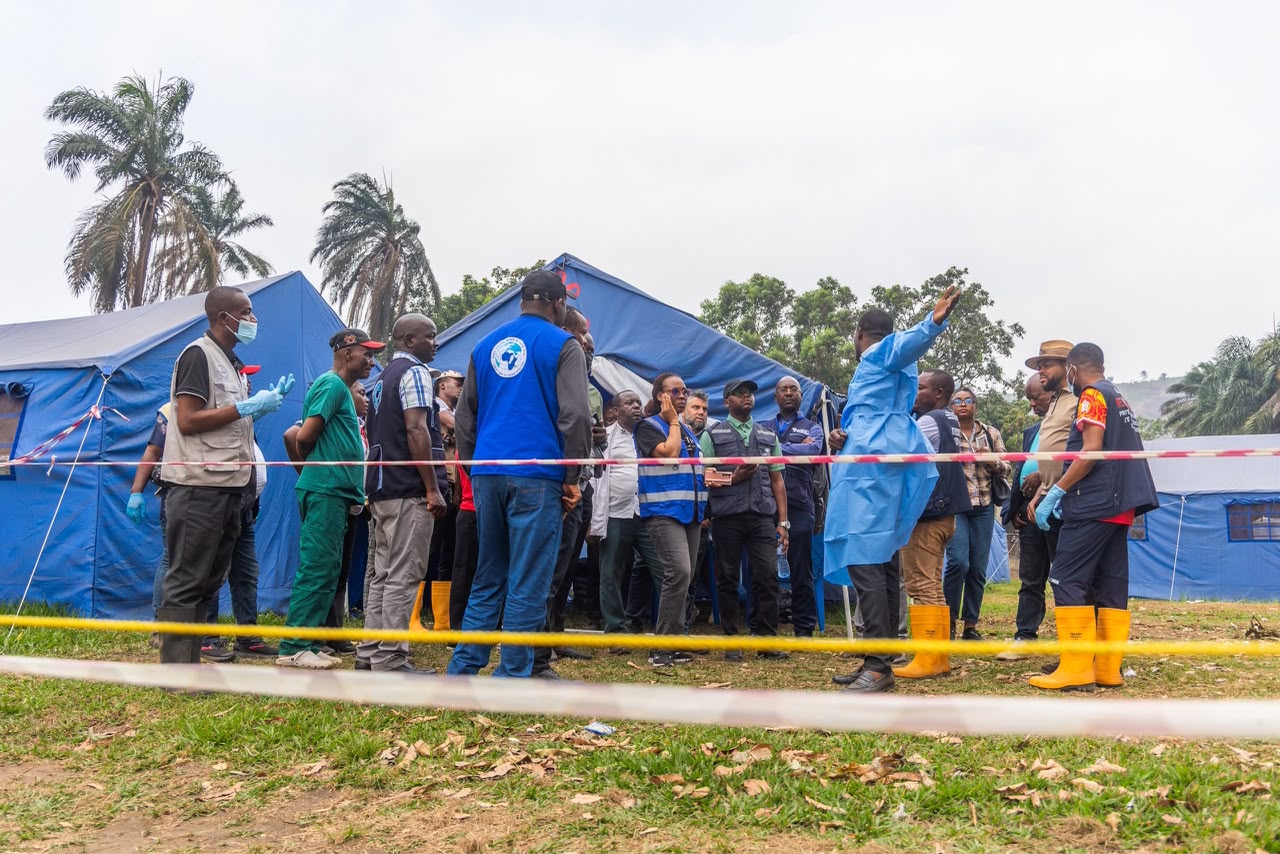
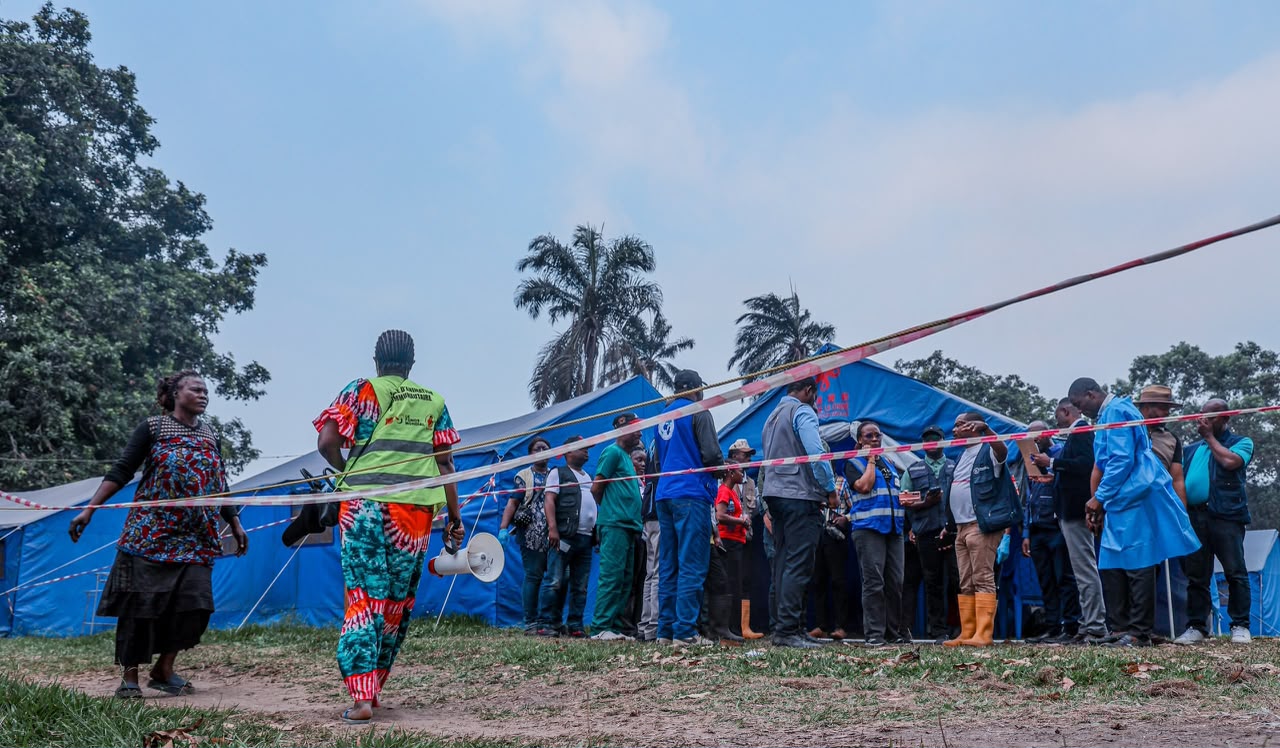
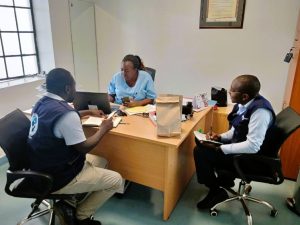
In North Kivu, AFENET epidemiologists have conducted supervisory and technical support visits to ACoDD teams working in Beni and surrounding health zones.
The teams have engaged provincial surveillance coordinators, visited isolation and treatment facilities, and supported efforts to strengthen case detection and response.
In Ituri, field activities have included surveillance coordination and supervision in health zones such as Nizi, while teams working across provincial boundaries have supported the identification and follow-up of contacts.
In Kinshasa, AFENET has supported surveillance and preparedness activities in Bumbu and Ngiri-Ngiri health zones, where substantial population movement reinforces the importance of early warning systems.
These activities demonstrate the importance of maintaining strong links between communities, health facilities and incident management structures.
Communities Remain Central to the Response
Surveillance cannot succeed without community participation.
Across the national response, more than 1.65 million people have been reached through awareness and sensitization activities, including community leaders, students and travelers.
These efforts are essential for encouraging early reporting of symptoms, addressing misinformation, reducing stigma and promoting cooperation with contact-tracing teams.
AFENET-supported responders are working with local health teams and community structures to strengthen these connections.
The response is particularly challenging because Bundibugyo virus disease currently has no licensed vaccine or virus-specific treatment. Early detection, infection prevention and control, supportive clinical care, contact tracing and community engagement therefore remain essential.
Building Capacity Beyond the Current Outbreak
AFENET’s contribution also reflects more than a decade of support to Ebola preparedness and response in Africa.
From the 2014–2016 West African epidemic to successive outbreaks in the DRC, the network has mobilized trained field epidemiologists to reinforce national response capacity.
The current outbreak has further demonstrated the need for sustained investment in field epidemiology training, laboratory capacity, surveillance infrastructure and frontline preparedness.
Despite progress, significant challenges remain, including shortages of infection prevention and control supplies, transport constraints, insecurity and difficulties reaching some affected communities.
These challenges reinforce the importance of supporting responders with the equipment, operational resources and coordination mechanisms necessary to sustain their work.
From Emergency Response to Stronger Health Systems
The growing geographic reach of the outbreak, together with its cross-border implications, underscores the need for sustained regional cooperation.
Working alongside the DRC Ministry of Health, Africa CDC, WHO, the US CDC and other response partners, AFENET continues to support efforts to strengthen surveillance, improve early detection and reinforce response capacity.
For AFENET, the deployment of ACoDD responders represents both an immediate contribution to outbreak containment and a longer-term investment in Africa’s public health workforce.
Every alert investigated, every contact followed and every community engaged contributes to a stronger system for detecting and responding to public health threats.