Kenya Integrates Population Connectivity Across Borders (PopCAB) Approach into Field Epidemiology Training June–July 2026 | Nairobi and Kajiado Counties, Kenya
-
by
AFENET
Strengthening Cross-Border Disease Surveillance Through Population Mobility Insights
Kenya is taking an important step towards strengthening cross-border disease surveillance and outbreak preparedness by integrating the Population Connectivity Across Borders (PopCAB) approach into its Field Epidemiology and Laboratory Training Program (FELTP).
Developed by the U.S. Centers for Disease Control and Prevention (CDC), PopCAB is a public health approach that helps teams understand how population movement and connectivity influence the spread of infectious diseases across geographic and administrative boundaries. By combining community knowledge, mobility patterns and participatory mapping, the approach generates practical insights that can strengthen surveillance, risk assessment and public health response, particularly in border settings.
In Kenya, the Kenya National Public Health Institute (KNPHI), through the Kenya FELTP and in collaboration with the African Field Epidemiology Network (AFENET) and the U.S. CDC, has initiated the integration of PopCAB into the Intermediate FELTP curriculum. This makes Kenya the first country in Africa to integrate PopCAB into FETP training.
The initiative is designed to equip field epidemiologists with practical skills to analyze population movement, identify connectivity patterns and translate mobility data into evidence for public health action.
Building a Cadre of PopCAB Trainers
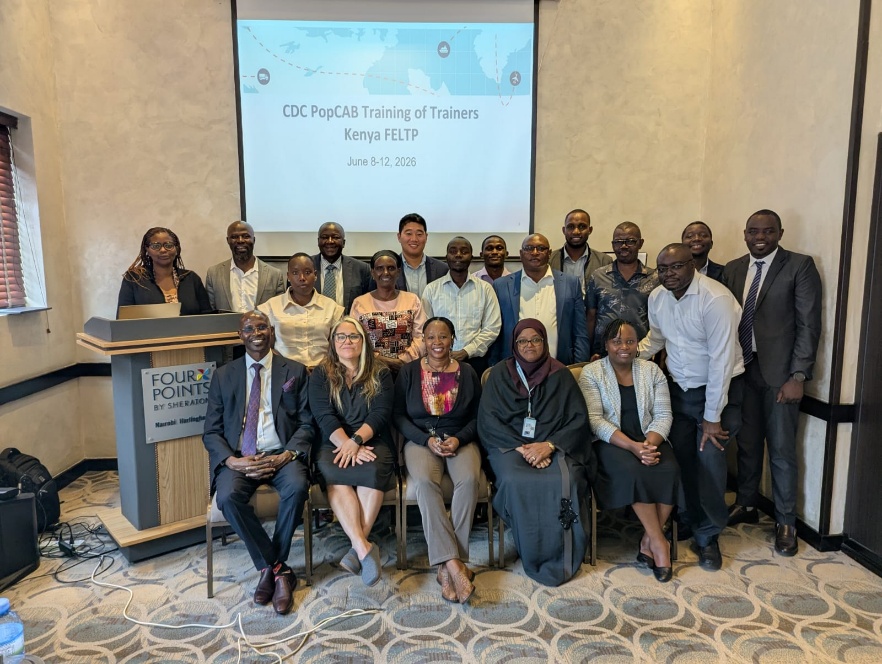
The integration began with a five-day PopCAB Training of Trainers (ToT) workshop held from 8–12 June 2026 in Nairobi.
The workshop brought together 15 participants from KNPHI, Kenya FELTP, Port Health and Border Health Units, the Kajiado County Department of Health and AFENET. Experts from the U.S. CDC in Atlanta facilitated the training, building on previous PopCAB implementation experience in western Kenya in 2024.
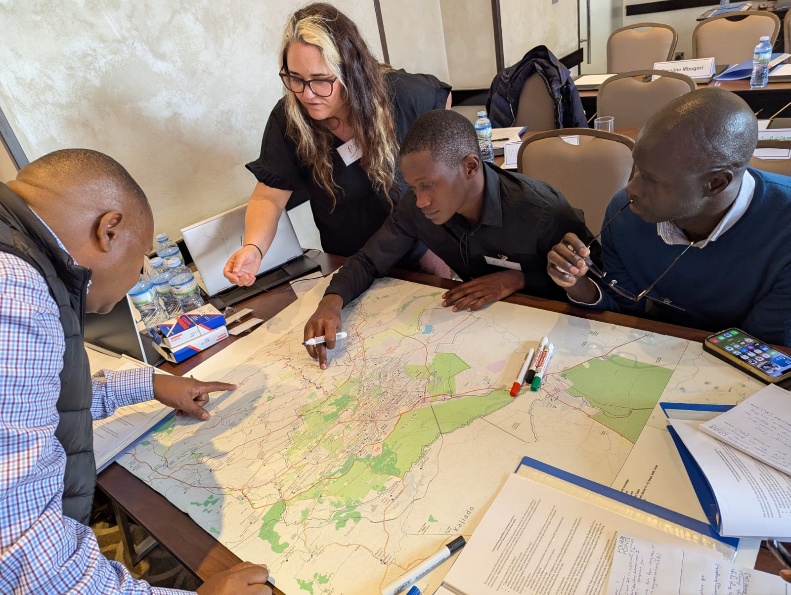
Participants were introduced to key PopCAB methodologies, including the mapping of population mobility and connectivity, qualitative data collection, participatory approaches, data analysis and the application of findings to surveillance and response.
Beyond building individual capacity, the ToT prepared participants to cascade PopCAB training to FELTP trainees and support field implementation in high-mobility settings.
Taking PopCAB from the Classroom to the Border
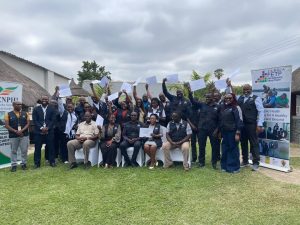
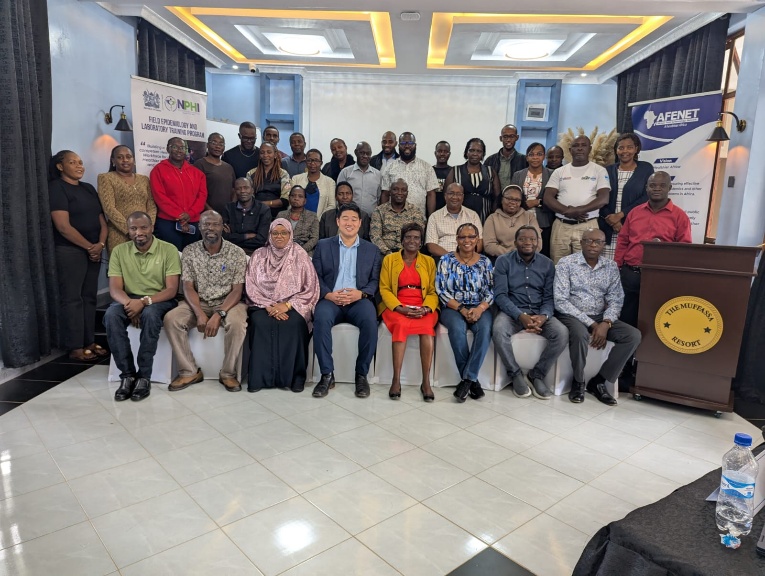
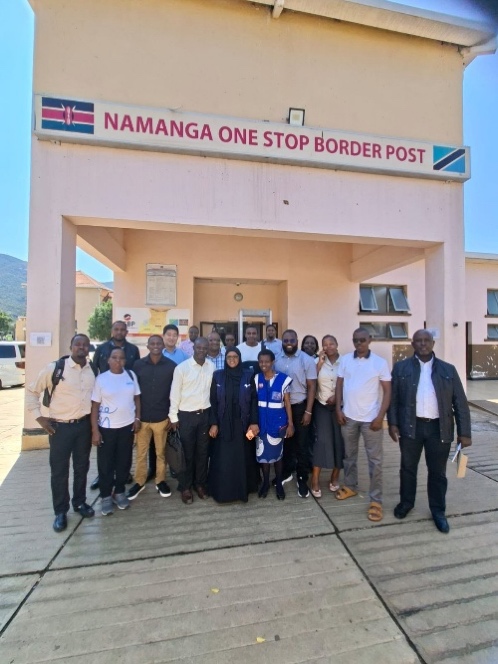
Following the ToT, the training was cascaded to 28 Intermediate FELTP trainees from Cohorts 12 and 13 between 21 June and 1 July 2026 in Namanga, Kajiado County.
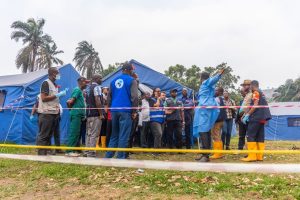
Namanga, a major Kenya–Tanzania border town, provided a practical setting for trainees to apply PopCAB concepts in a real-world environment characterized by significant population movement and cross-border connectivity.
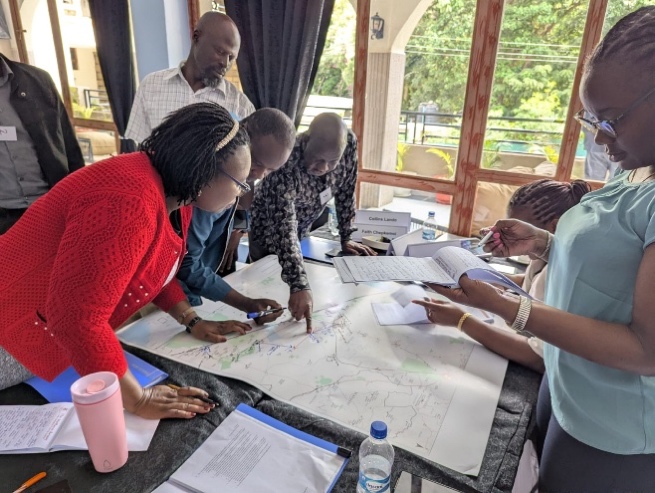
The training combined classroom-based learning with field implementation. Trainees conducted a qualitative assessment to characterize population mobility and connectivity patterns, understand health-seeking behaviors, identify socio-economic factors influencing cross-border movement, and explore livestock mobility and human–animal interactions that could contribute to zoonotic disease transmission.
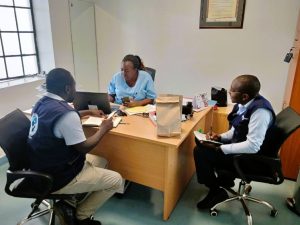
The field exercise involved engagement with a range of population groups, including healthcare workers, traders, truck drivers, livestock keepers and community members. Trainees used focus group discussions and participatory mapping to identify important movement routes, points of connectivity and locations where population interactions could create public health risks.
The information collected was subsequently analyzed thematically to generate insights into population movement and associated disease transmission risks.
Detailed findings from the field implementation will be presented and disseminated during Workshop 5, the graduation workshop for the Intermediate FELTP, scheduled for August 2026.
Key Results
The PopCAB integration initiative has:
- Trained 15 multisectoral participants through the PopCAB Training of Trainers workshop.
- Cascaded PopCAB training to 28 Intermediate FELTP trainees from Cohorts 12 and 13.
- Conducted a field-based PopCAB assessment in Namanga, a high-mobility Kenya–Tanzania border setting.
- Generated qualitative evidence on population mobility, health-seeking behavior and socio-economic drivers of cross-border movement.
- Identified key mobility routes, high-risk locations and population interaction patterns relevant to disease transmission and public health preparedness.
Strengthening Cross-Border Preparedness
Integrating PopCAB into the Intermediate FELTP curriculum represents an important step in strengthening the capacity of Kenya’s field epidemiology workforce to address public health threats in increasingly interconnected communities.
The approach enables epidemiologists to look beyond administrative boundaries and incorporate population movement into disease surveillance and risk assessment. This is particularly important in border communities where people, goods and livestock move frequently between countries, potentially influencing the emergence and spread of infectious diseases.
The experience in Namanga is also expected to contribute to Kenya’s preparedness for Ebola virus disease and other emerging and re-emerging infectious diseases, by generating a better understanding of population connectivity and the factors that may influence disease transmission and access to health services.
More broadly, the initiative demonstrates how field epidemiology training can evolve to incorporate innovative, community-informed approaches that respond to the realities of disease transmission in a highly mobile and interconnected world.
Partners
The initiative is being implemented through collaboration between:
- Kenya National Public Health Institute (KNPHI)
- Kenya FELTP
- Kajiado County Government
- African Field Epidemiology Network (AFENET)
- U.S. Centers for Disease Control and Prevention (CDC)
Through this partnership, Kenya is strengthening the next generation of field epidemiologists with the tools to understand population connectivity, anticipate public health risks and support more targeted, evidence-based surveillance and response across borders.