Characterization of inconclusive samples according to Rapid Test for Recent Infection (RTRI) in three African countries
-
by
AFENET
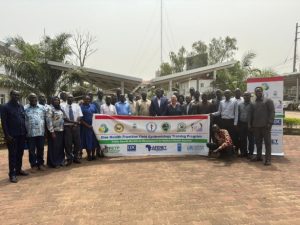
AFENET successfully implemented the rapid test for recent infection (RTRI) inconclusive project in three African countries: Nigeria, Uganda and Kenya, from November 2023 to September 2025. These countries utilize incidence or impact surveys to identify individuals recently infected with HIV/AIDS, so that care and treatment can be initiated early on and reduce the likelihood of onward transmission at a time when viral load is highest. During the field-testing phase of the surveys, confirmed HIV positive samples are further tested by the Asante recency assay to classify samples as recent (< 1 year), long-term (> 1 year) or recency negative (termed RTRI inconclusive).
We characterized the RTRI inconclusive samples to understand testing errors/discrepancies and improve testing accuracy across the implementing countries.
Summary findings from specimen testing
| Country | Field tested RTRI inconclusive samples | Specimens detected as RTRI inconclusive at reference lab | Specimens detected as HIV positive by National HIV testing algorithm | Specimens detected as HIV positive by Geenius testing |
| Kenya | 92 | 92 (100%) | 54 (59%) | 34 (37%) |
| Nigeria | 47 | 36 (76%) | 20 (56%) | 8 (22%) |
| Uganda | 910 | 320 (35%) | 163 (51%) | 127 (40%) |
The results of the project provided critical insights into the performance of field-based RTRI testing compared to reference laboratory testing. The observed discrepancies underscored the need for strengthened quality assurance systems, standardized procedures, and targeted training for field laboratory technicians to improve quality of recency testing for HIV/AIDS. Findings from this project also highlighted the importance of incorporating additional diagnostic platforms such as PCR testing for HIV-1 RNA viral load, and ARV metabolite analysis for the detailed characterization of RTRI inconclusive specimens.
Several challenges were met: delayed ethical approval at both country level and US CDC ADS resulting in a short window for specimen testing; delayed amendment or adaptation of the umbrella protocols; delays in procurement of reagents and consumables from outside Africa; and delays in subcontracting implementing institutions.
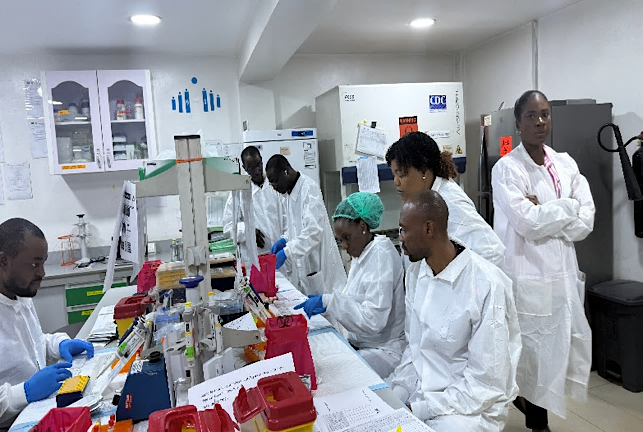
We are committed to working with national governments and other partners to mitigate the challenges and apply the lessons learned from this project to guide improvements in surveillance for HIV recent infections and diagnostic methods by informing national policy. This will enhance the reliability of incidence and recency data generated during HIV indicator and impact surveys within African and beyond.