Cohort 31 Strengthens Laboratory and Field Epidemiology Capacity in Lubumbashi DRC FETP Frontline Cohort 31 Strengthens Surveillance and Outbreak Response Skills in Lubumbashi
-
by
AFENET
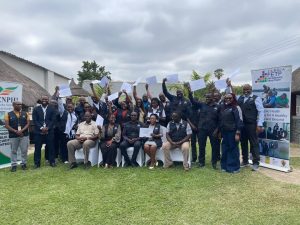
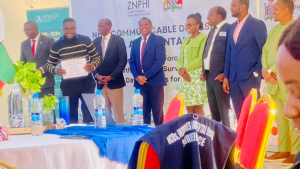
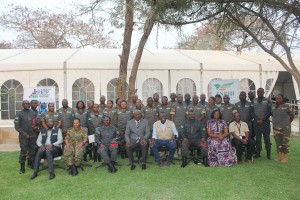
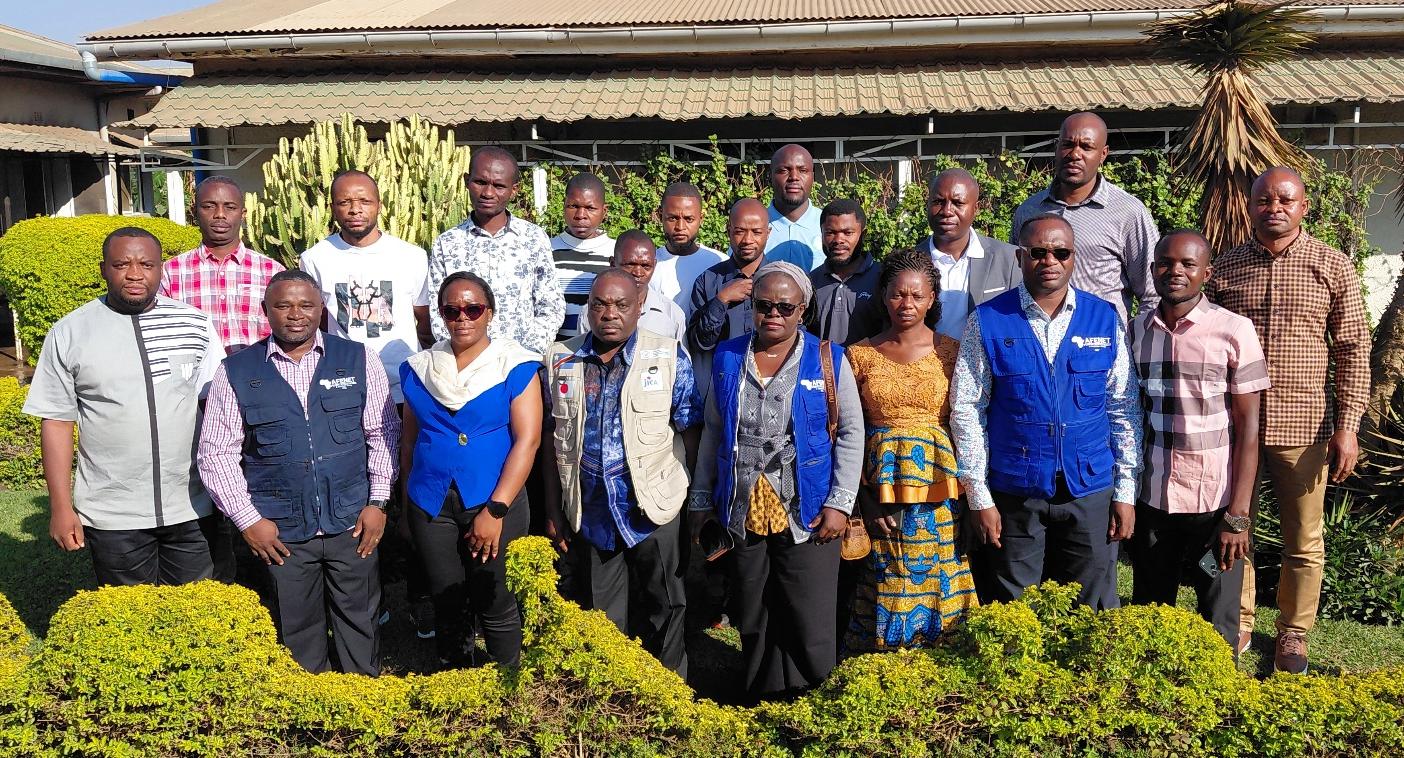
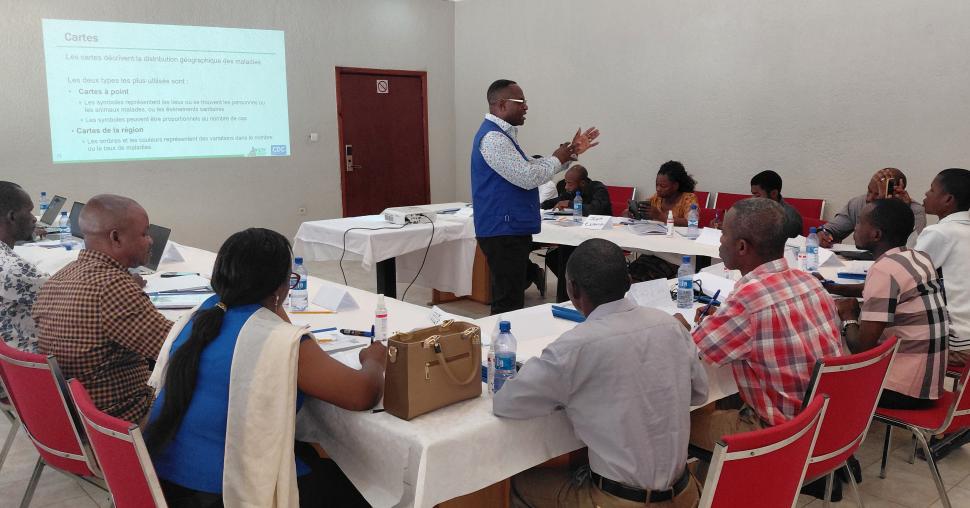
The Democratic Republic of Congo’s Field Epidemiology Training Program (FETP) Frontline continued strengthening public health surveillance capacity through Workshops 1 and 2 of Cohort 31, held in Lubumbashi from 12–24 June 2026. The training brought together 12 participants from Haut-Katanga and Lualaba, mainly laboratory technicians and medical biologists involved in biological surveillance.
Implemented by the Ministry of Public Health in partnership with the U.S. Centers for Disease Control and Prevention (CDC) and the African Field Epidemiology Network (AFENET), the training focused on epidemiological surveillance, data collection and quality, outbreak investigation, scientific communication, laboratory biosafety and biosecurity, and the application of the One Health approach.
The FETP Frontline model emphasizes practical learning, with approximately 25% classroom instruction and 75% field-based training. Participants applied their learning through case studies, group discussions, data analysis exercises, outbreak investigation scenarios, and hands-on use of tools including Excel and PowerPoint.
Assessments conducted before and after the workshops demonstrated notable improvement in participants’ knowledge. The median score increased from 44% at pre-test to 74% at post-test. Participants also strengthened their skills in collecting and organizing surveillance data, analyzing and presenting findings, conducting outbreak investigations, and applying biosafety and biosecurity practices.
Following the workshops, participants were expected to undertake field assignments including data quality audits, surveillance data summaries, One Health surveillance analysis, and case or outbreak investigations. These activities are intended to ensure that knowledge gained in the classroom translates into stronger surveillance and response capacity at the frontline.
Through continued investment in applied field epidemiology training, AFENET and its partners are helping strengthen the workforce needed to detect, investigate and respond to public health threats across the DRC.