Haut-Lomami FETP Frontline Cohort 28 Demonstrates Field Epidemiology Skills Cohort 28 Graduates Showcase Field Epidemiology Skills Through Practical Deliverables in Haut-Lomami
-
by
AFENET
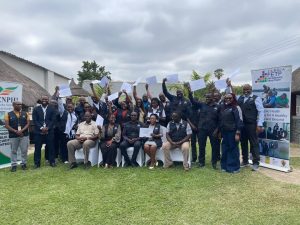
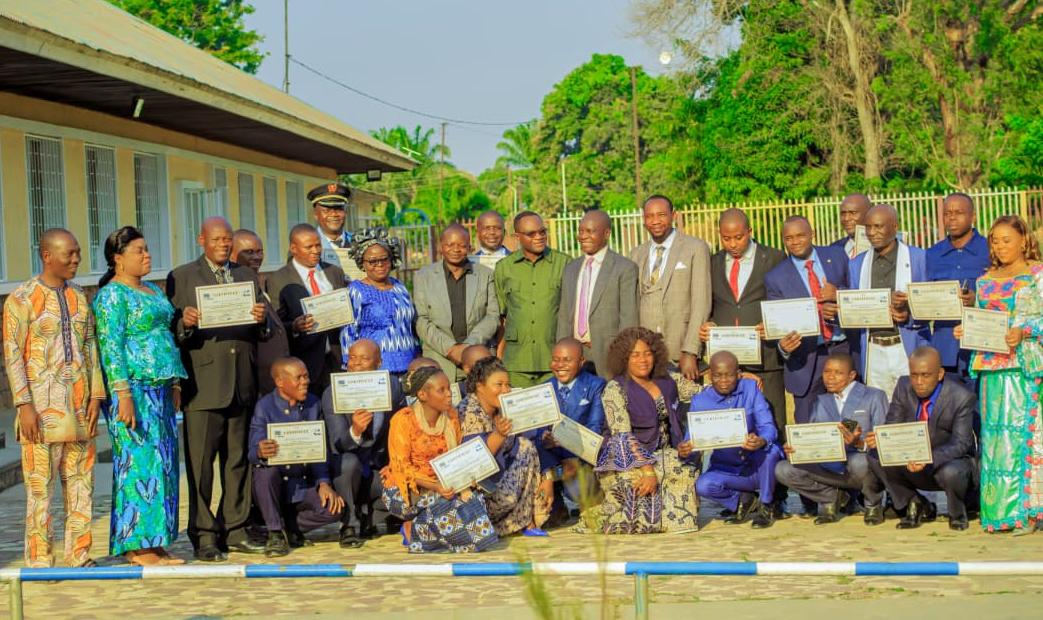
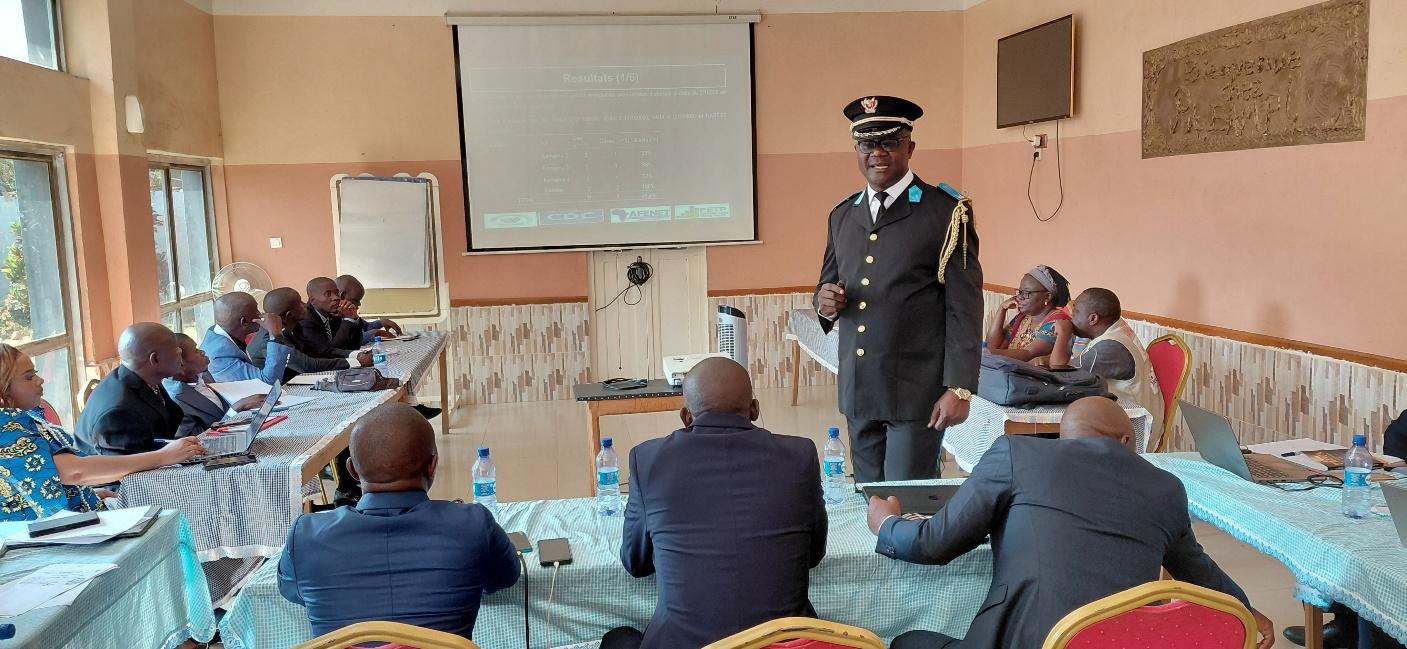
Twenty-one participants from the Democratic Republic of Congo’s FETP Frontline Cohort 28 presented and defended their field epidemiology deliverables during Workshop 3, held in Kamina, Haut-Lomami Province, from 25–27 June 2026.
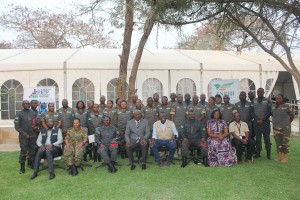
The cohort brought together professionals from the health, fisheries and livestock, and environment sectors, reflecting the program’s One Health approach linking human, animal and environmental health. Participants included physicians, nurses, laboratory professionals, surveillance officers, veterinary personnel and environmental specialists.
Workshop 3 provided participants with an opportunity to demonstrate how they had applied field epidemiology skills acquired during the training. Their deliverables covered case and outbreak investigations, analysis of surveillance data quality problems, and synthesis of epidemiological surveillance data.
All 21 participants attended the workshop and presented their work before a jury. Case investigation deliverables achieved a median score of 37 out of 50, or 74%, while data quality problem analyses recorded a median score of 31 out of 50, or 62%.
The workshop also strengthened scientific communication and collaboration across sectors. Discussions highlighted how integrated surveillance involving human, animal and environmental health professionals can improve understanding of public health risks and support more coordinated responses.
Participants’ field investigations addressed practical public health issues including suspected rabies, measles, acute flaccid paralysis, Mpox and yellow fever, alongside assessments of surveillance data completeness and consistency in different health zones.
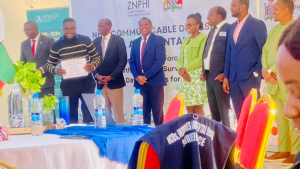
The workshop concluded with a graduation ceremony attended by provincial authorities, AFENET representatives and partners, recognizing the participants’ contribution to strengthening surveillance and preparedness in Haut-Lomami.
The experience of Cohort 28 demonstrates the value of practice-based field epidemiology training in transforming routine surveillance data and field investigations into evidence that can inform public health decisions.