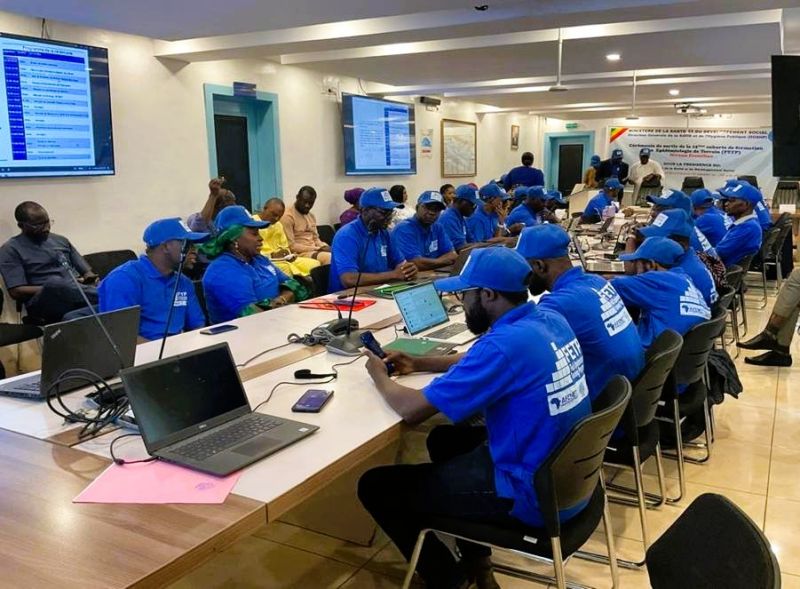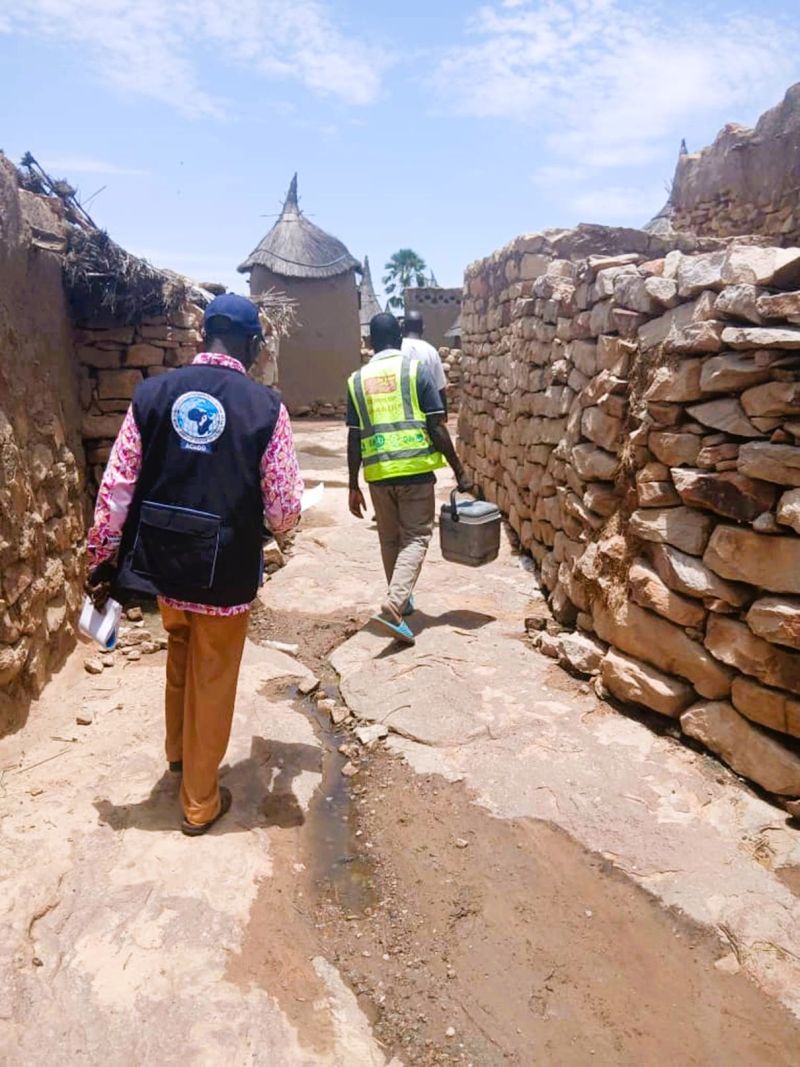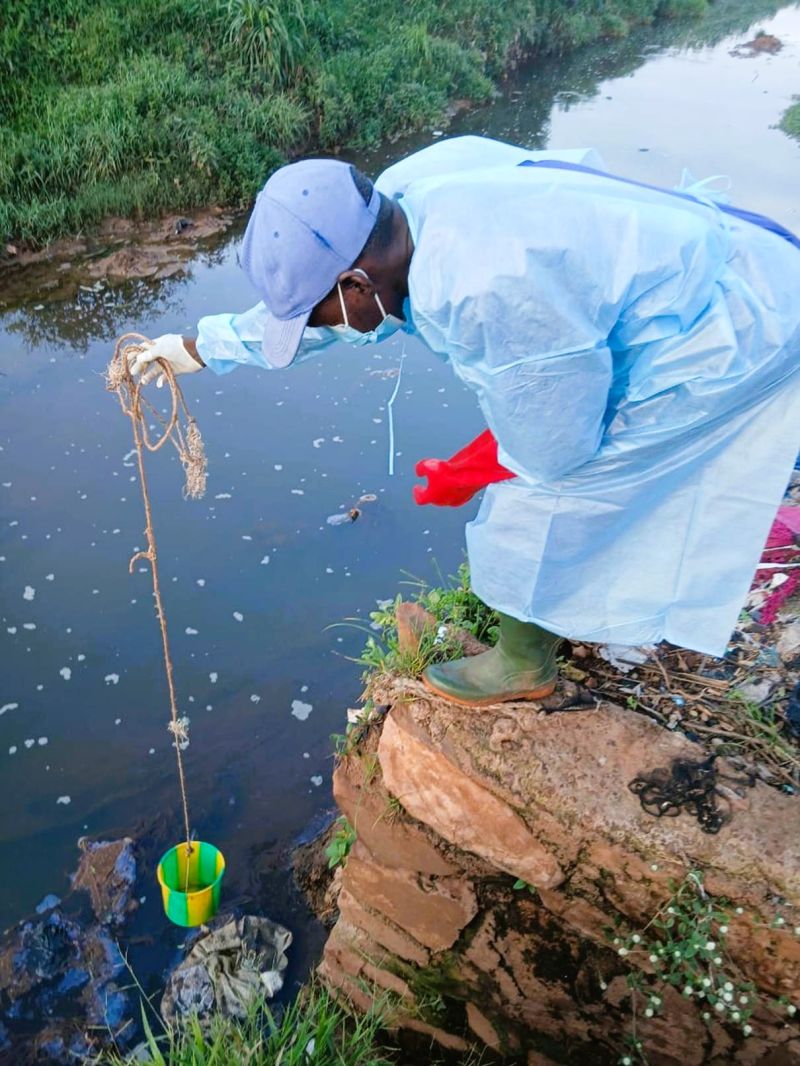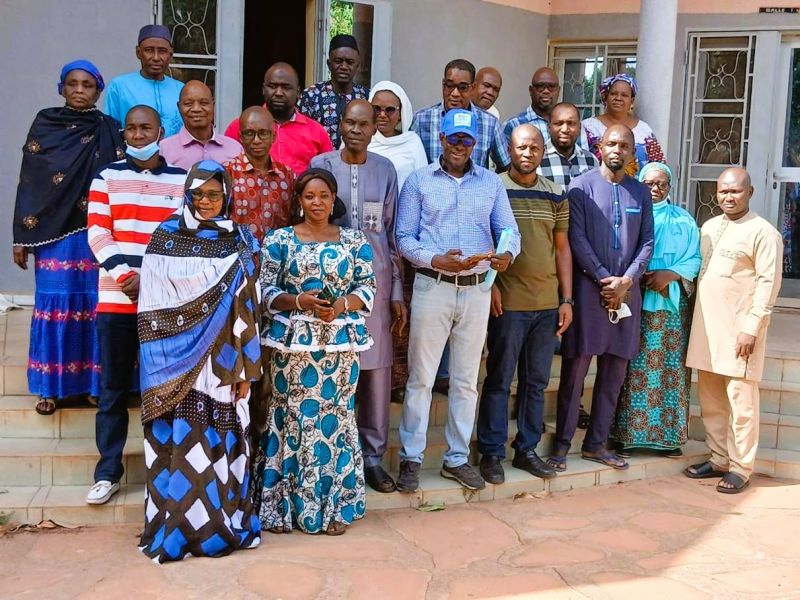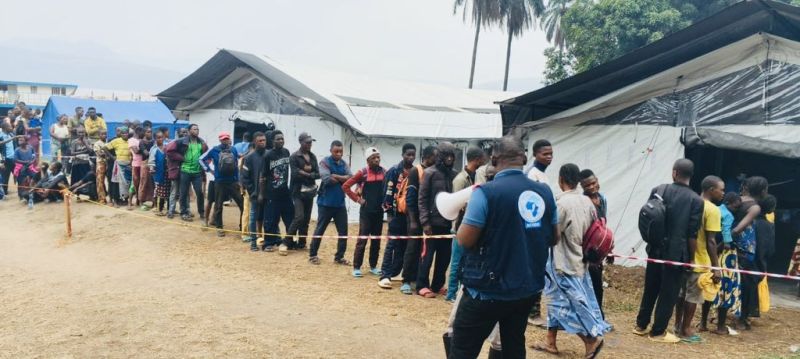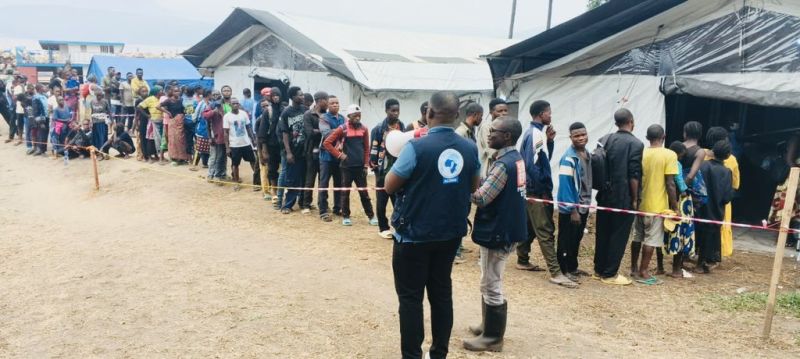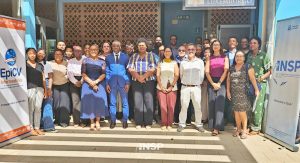


Field Epidemiology in Action | Mali
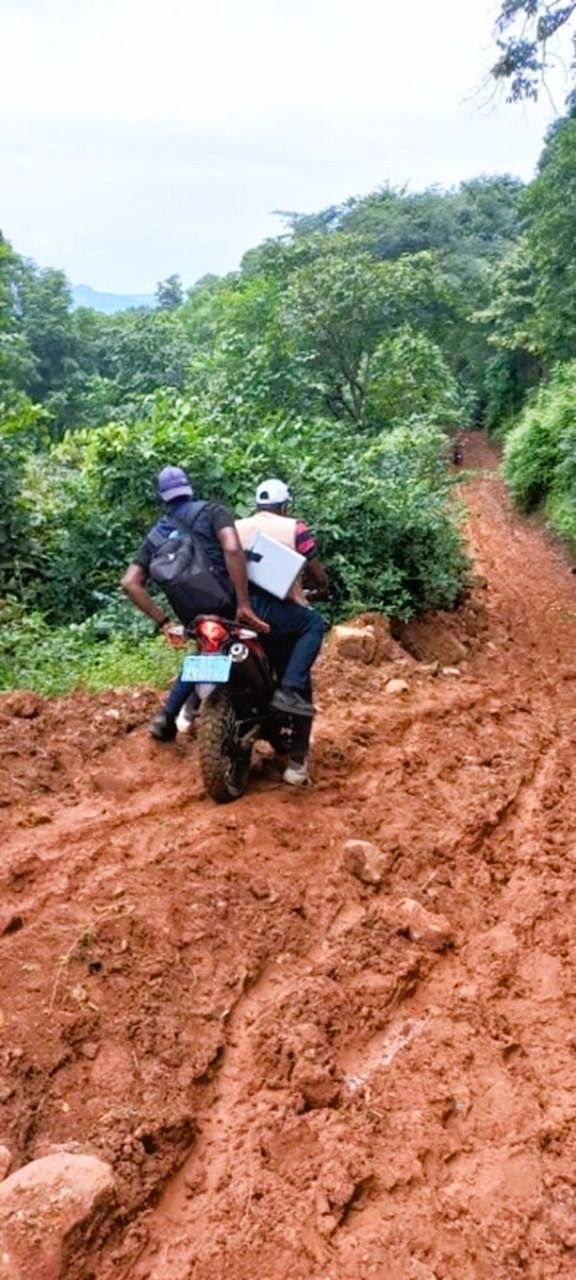
As we mark World Field Epidemiology Day today, 7 September, we recognize the field epidemiologists in Mali working on the frontlines to protect communities and strengthen public health.From polio surveillance and vaccination activities to
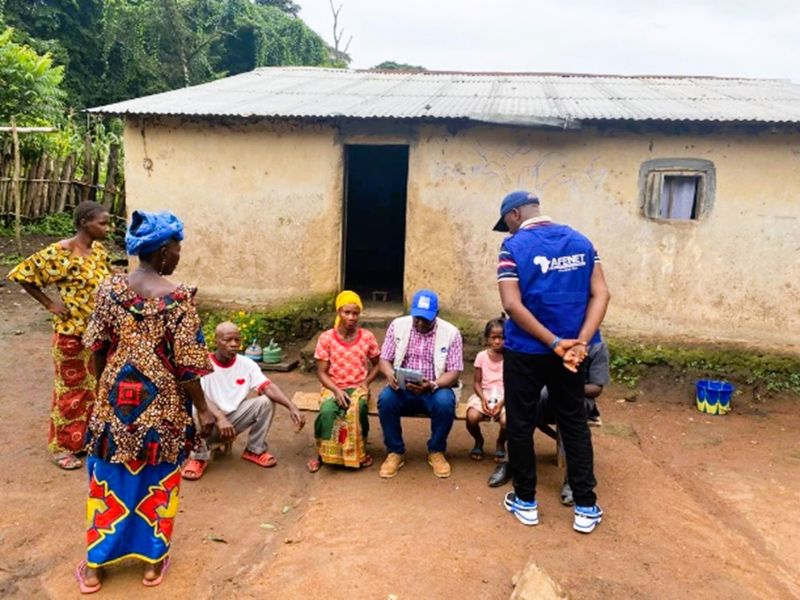
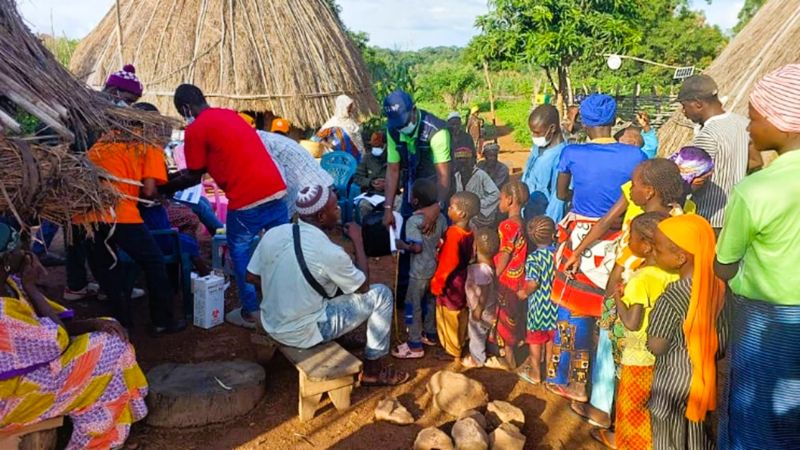
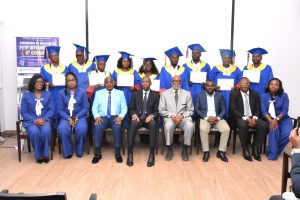
Field Epidemiology in Action | Guinea
As we prepare to mark World Field Epidemiology Day tomorrow, 7 September, we recognize the field epidemiologists in Guinea whose work helps protect communities from public health threats.
From disease surveillance and outbreak investigation
🌍 World Field Epidemiology Day | WFED
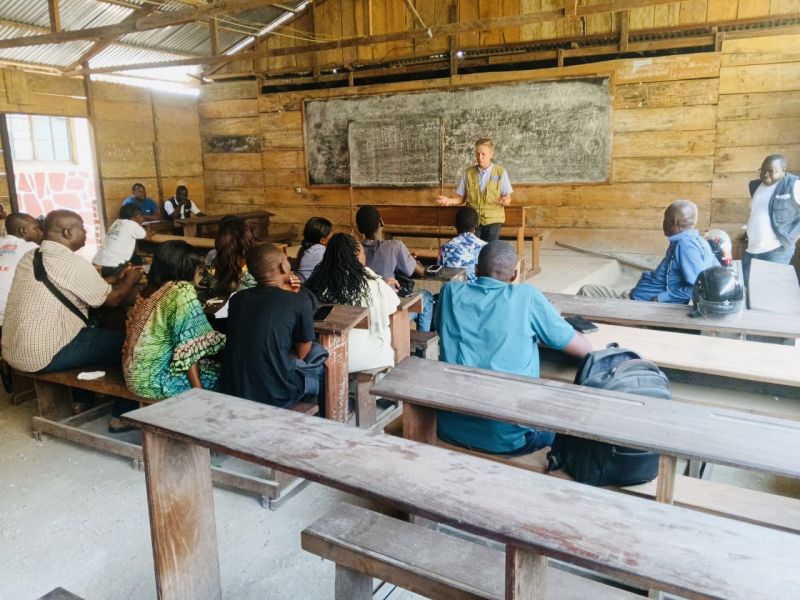
📍 DPS Tshopo – ZS Makiso | 05/09/2026
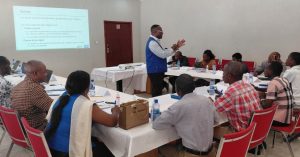
Briefing of 22 investigators from Makiso Health Zone to strengthen field investigation and response capacity.
🤝 Joint team: U.S. CDC Atlanta • ACoDDs • WHO
ACoDDs: Dadou • Innocent • Suzanne •
🌍 World Field Epidemiology Day | WFED
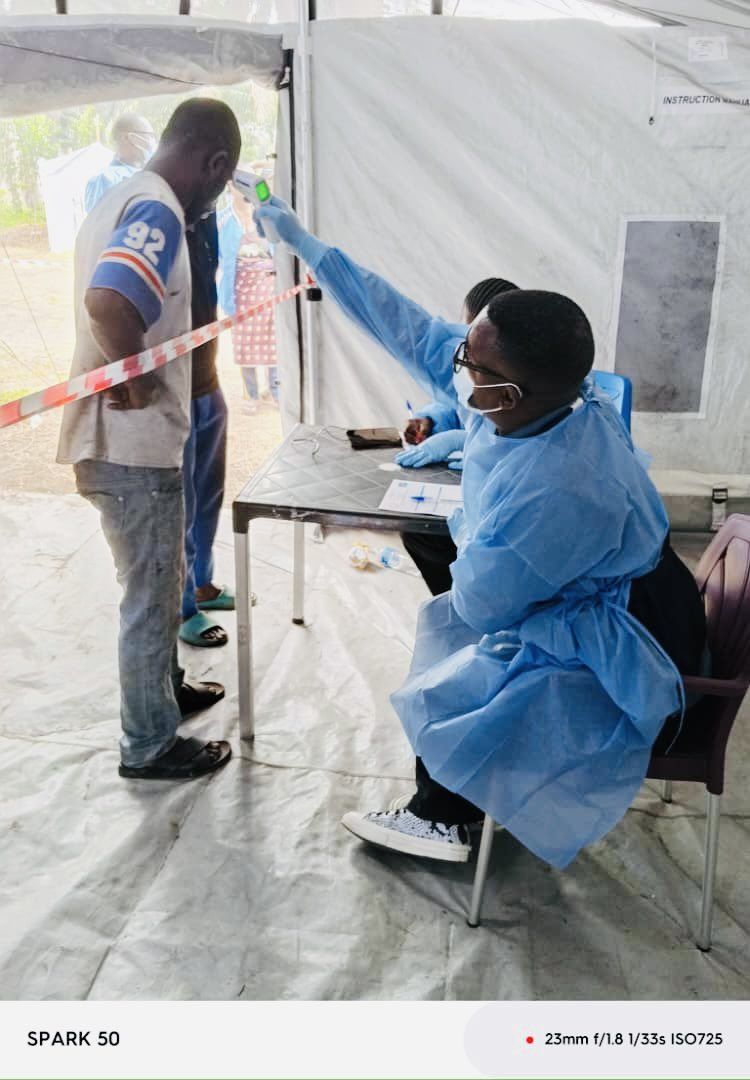
🇫🇷 FETPs en première ligne – Kinshasa
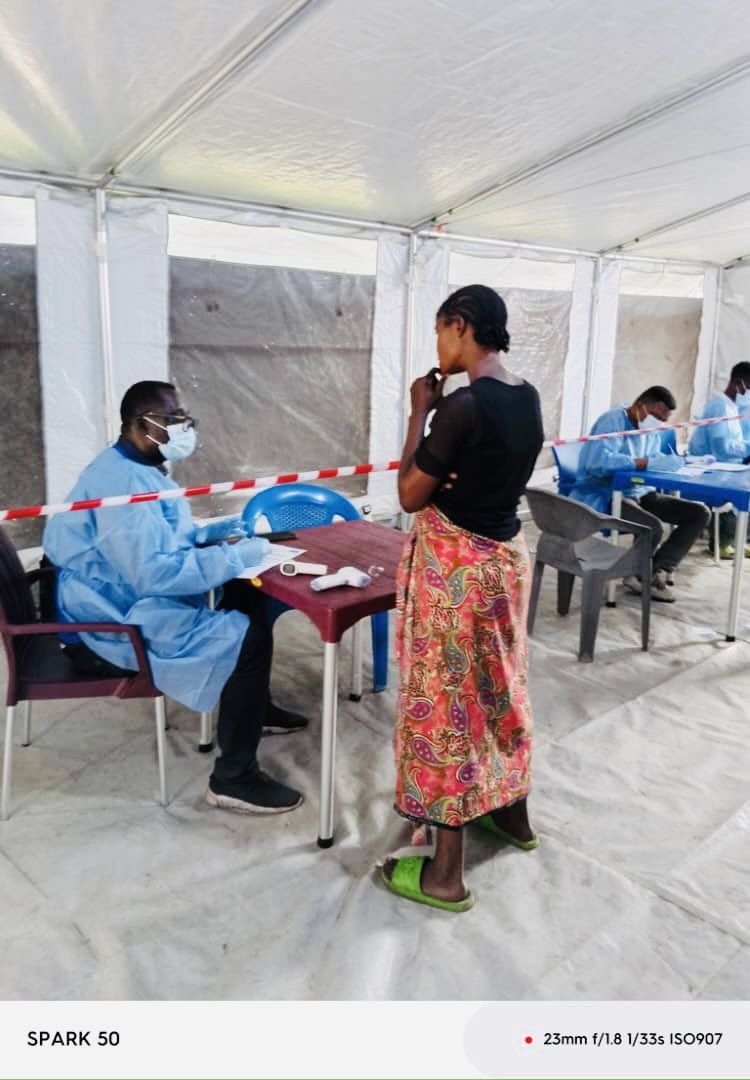
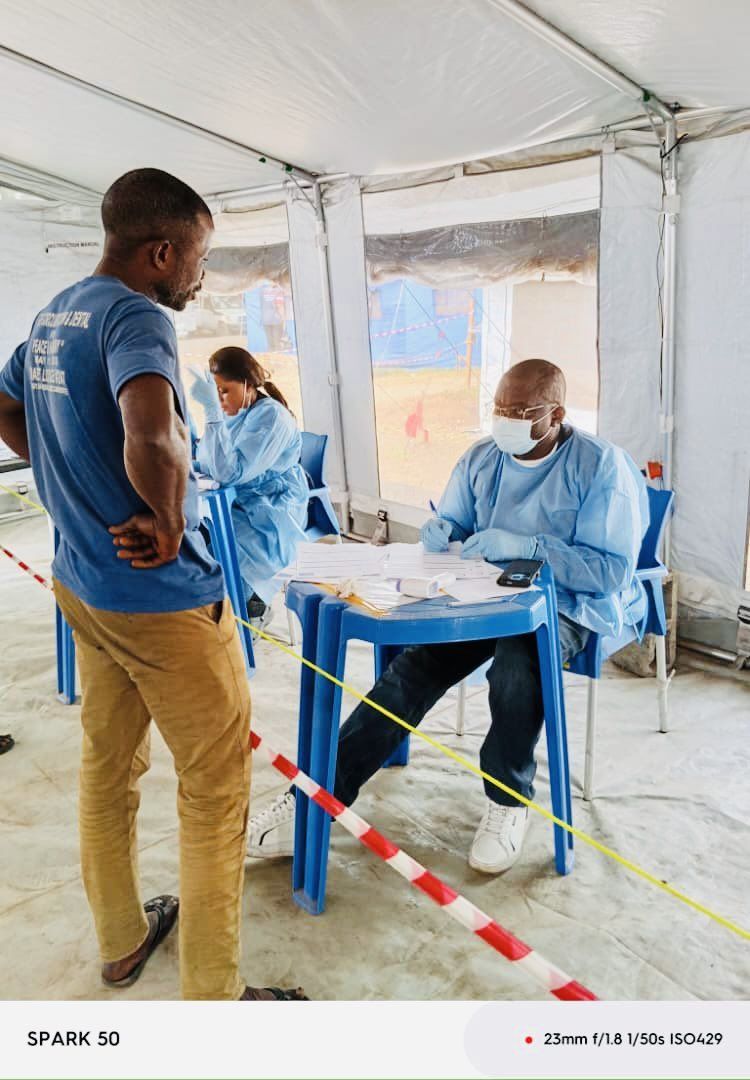
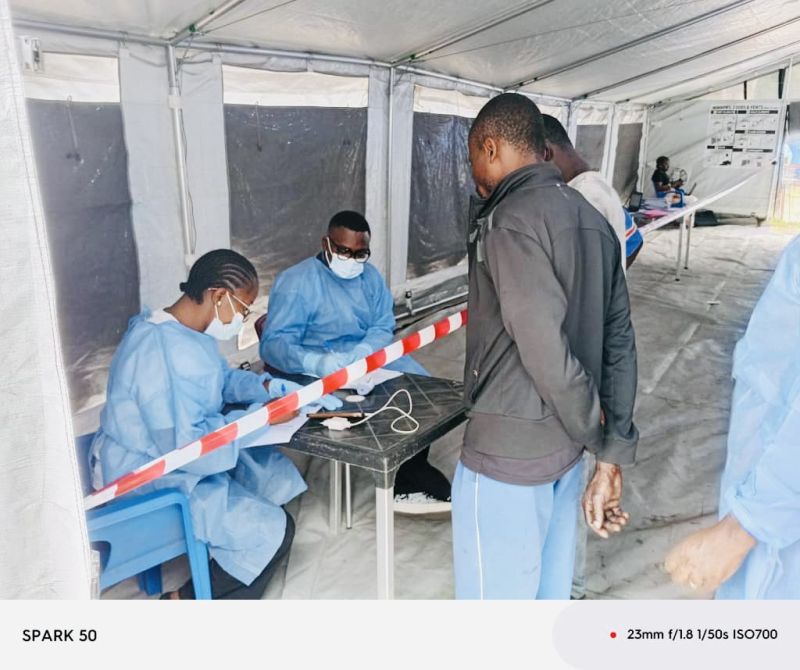
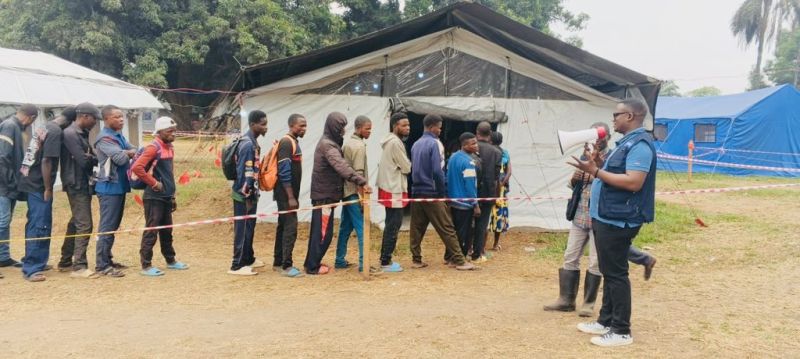
Le samedi 05 septembre 2026, les ACoDDs ont assuré le screening des voyageurs en provenance du Kwilu, du Kasaï et de la Mongala au PoE Bendebende, Zone de Santé de Maluku 1, DPS Kinshasa.
🇬🇧 FETPs at
🌍 World Field Epidemiology Day | WFED
🇫🇷 FETPs en première ligne
Sensibilisation des passagers en provenance du Kwilu, Kasaï et Mongala sur les mesures de prévention contre la MVE, afin de renforcer la protection des voyageurs et des communautés.
ACoDD : Christian Christian
🌍 World Field Epidemiology Day | WFED
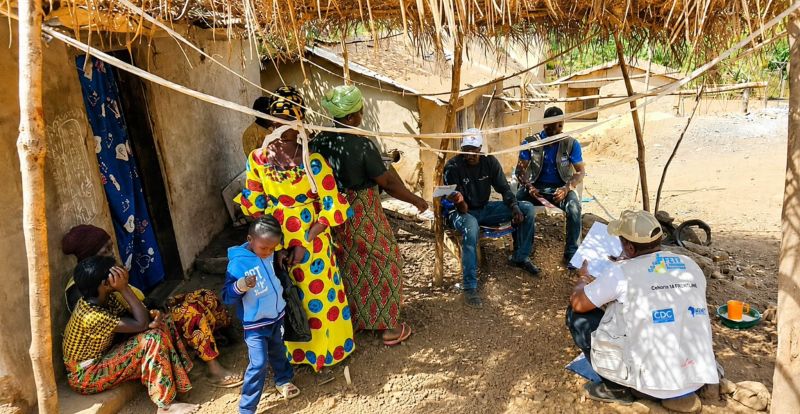
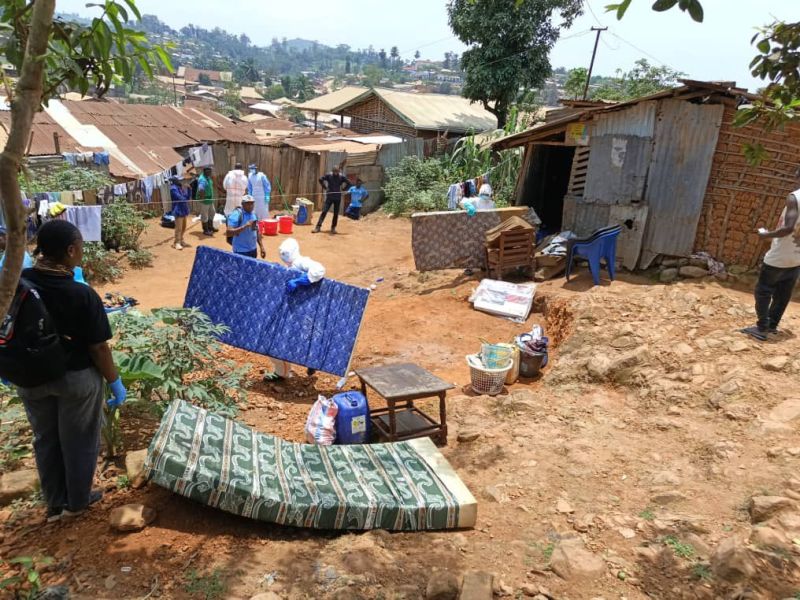
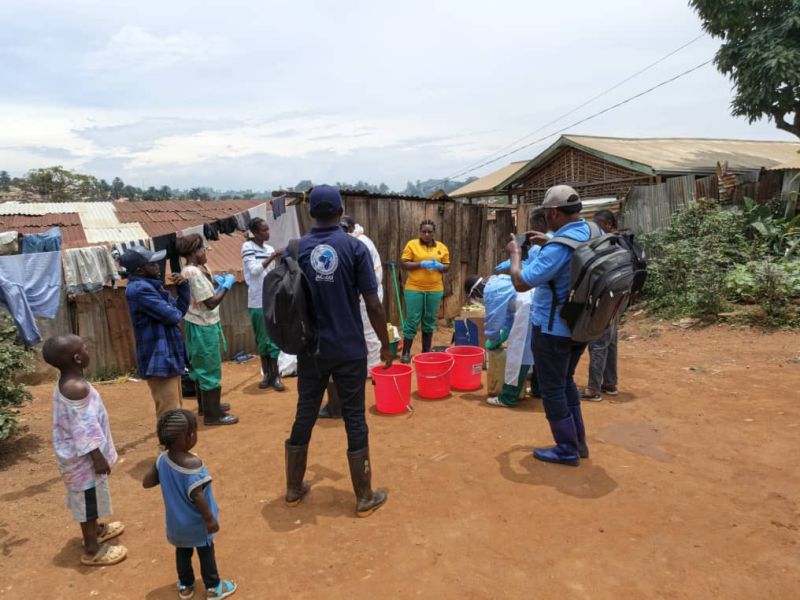
🇫🇷 FETPs en première ligne – Ituri
Le 05 septembre 2026, suite à un cas confirmé de MVE dans l’AS CECA-20, l’équipe a mené une investigation et accompagné la famille. La décontamination du ménage par l’équipe PCI a été réalisée pour