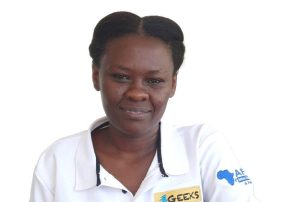
Manuela Atuhurire: My Time as an Intern at AFENET
-
by
AFENET
My time as an intern at AFENET has been difficult to summarize, partly because it has been so much more expansive than I can put into words. So instead of accounting for every meeting, report, and deliverable, I find myself returning to what has stayed with me most, and what I know will continue shaping me long after the internship ends.
The true value of this experience cannot be measured solely on a spreadsheet. To tell the story of how it transformed me, I have to begin with the assumptions I brought into it. I took my degree in Biostatistics and Epidemiology eager to step into the working world, and driven by the rapid, lucrative advancements in artificial intelligence, machine learning, and digital health infrastructure, I filled my initial goals with coding targets and tech innovation. To me, traditional epidemiology felt slower and less like the future.
In chasing that, I had set aside the motivation that first drew me to public health: the desire to contribute to disease prevention and support communities in building healthier lives. AFENET did not only confirm the importance of technological advancement, but returned me back to that foundational truth and purpose in such a profound way.
My placement under the Global Immunisation Division exposed me to far more than I anticipated. Reviewing multi-country reports quickly revealed how easily progress can be affected by overlapping priorities, resource constraints, and operational challenges invisible at a distance. My respect for field epidemiologists deepened as I saw teams sustaining surveillance and immunisation activities through insecurity, logistical delays, and limited connectivity. Their work reflected remarkable resilience under complex and often volatile conditions. And still, the work continues.
Over time, I came to see these reported limitations differently: as evidence that someone within the system was documenting a difficult problem clearly enough for it to be addressed. I also came to appreciate how interconnected this work is, with community health workers, facility staff, ministries, funders, and technical partners all coordinated toward one shared goal. There is something deeply human in that coordination, and deeply inspiring about the people behind it.
This became clearer during sessions with the GEEKS program in Uganda. Naturally inclined toward digital tools, I expected to work only with DHIS2. Instead, one of the most valuable lessons came through something simpler: the tickler box, a card based system that tracks children due for multi dose vaccines using no electricity or software at all. It taught me how context shapes public health solutions, and how simplicity, in the right setting, is exactly what makes something effective.
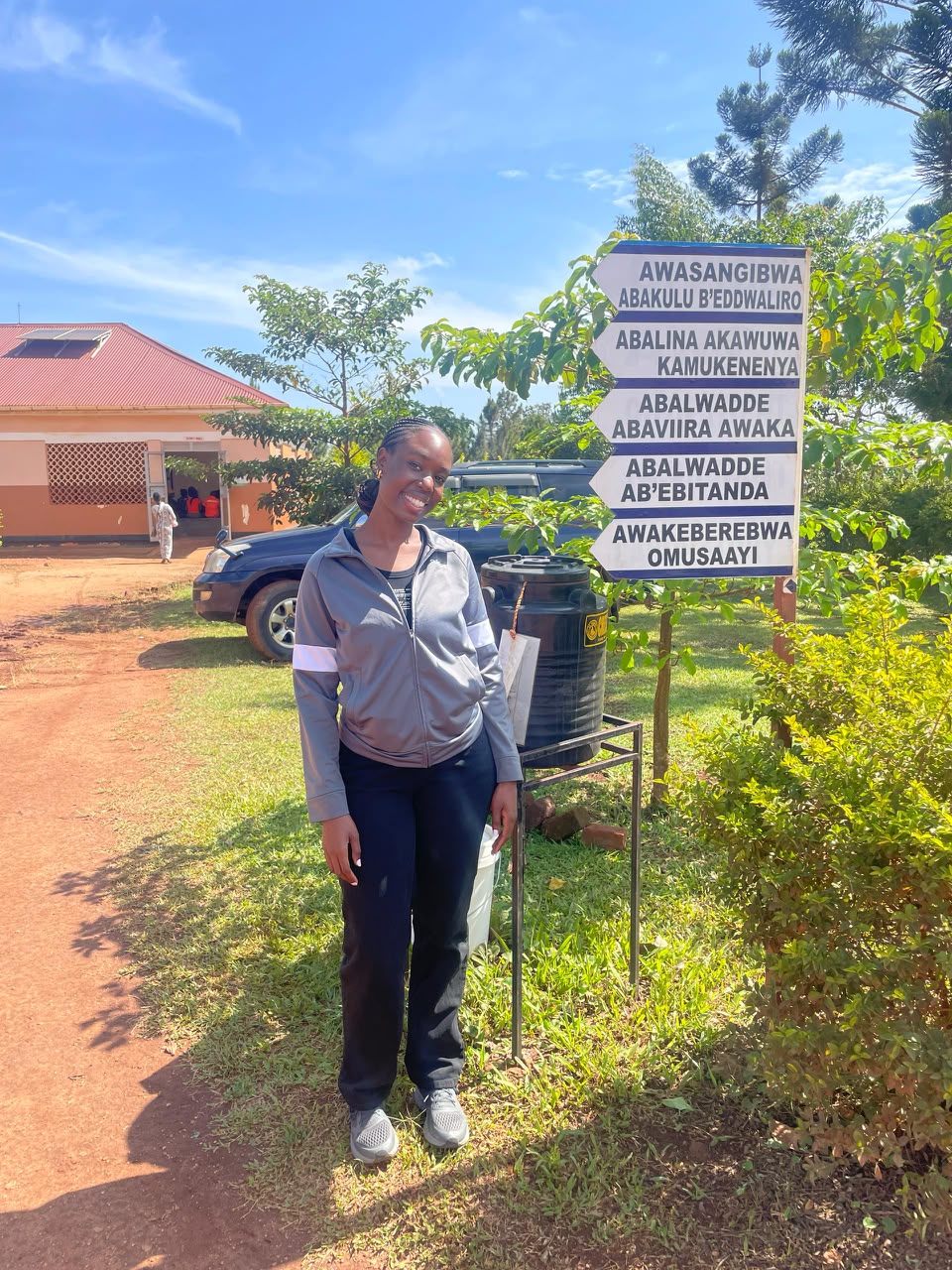
That lesson followed me into the field, across two deployments to Luweero District: first in February, evaluating how vaccine uptake data moved between community volunteers and clinic registers, then in March, helping facilities build and launch physical tickler box systems for the malaria vaccine rollout. Guiding facility staff through the process pushed me into a more practical leadership role than I expected and showed me that I genuinely enjoy translating technical work into something usable in real time. It was also in the field that the abstraction fell away. Sitting with physical registers, seeing names, dates of birth, and missed visits, made it impossible to view the data as abstract. Behind every entry is a child, a family, a lived reality, a truth reinforced when I was given the unexpected honour of naming a newborn baby at one of the facilities, a moment that grounded everything I had been learning.
In my first weekly review in January, I wrote: “Public health is about people, systems, and context, not just data.” I understand that line differently now, because I have lived it.
Ultimately and simply put, I chose this field to help people. When the technical language is set aside, public health remains grounded in this objective: preventing disease and improving health outcomes. Data is the instrument that allows us to understand where and how that protection is needed. Systems help us act on it, but people are why it matters.
I leave this internship with deep gratitude for the professionals, health workers, and communities who contributed to my learning throughout this journey, knowingly and unknowingly. I feel especially grateful for the environment at the AFENET Secretariat. As someone stepping directly from university into professional practice, I could not have asked for a better place to learn. It has been an environment that challenged, trusted, and taught me continuously, not only through formal responsibilities, but through the professionals within it. From management, technical teams, programme staff, field teams, health workers, operations, and administration, the many professionals whose work keeps everything moving, often quietly and behind the scenes, I had the privilege of observing people work with integrity, patience, and precision in environments that demand all three in equal measure.
Watching that level of commitment up close has shaped me deeply. It has shown me the kind of professional I hope to become: dedicated, thoughtful, and grounded in service. I close this chapter of my career with a clearer sense of purpose, a stronger understanding of why I chose this field, and a renewed commitment to the foundational truth that led me here in the first place.