
Tanzania Graduates 40 Frontline Field Epidemiologists, Strengthening Public Health Preparedness
-
by
AFENET
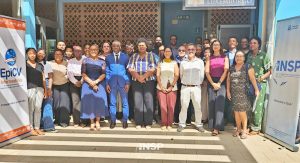
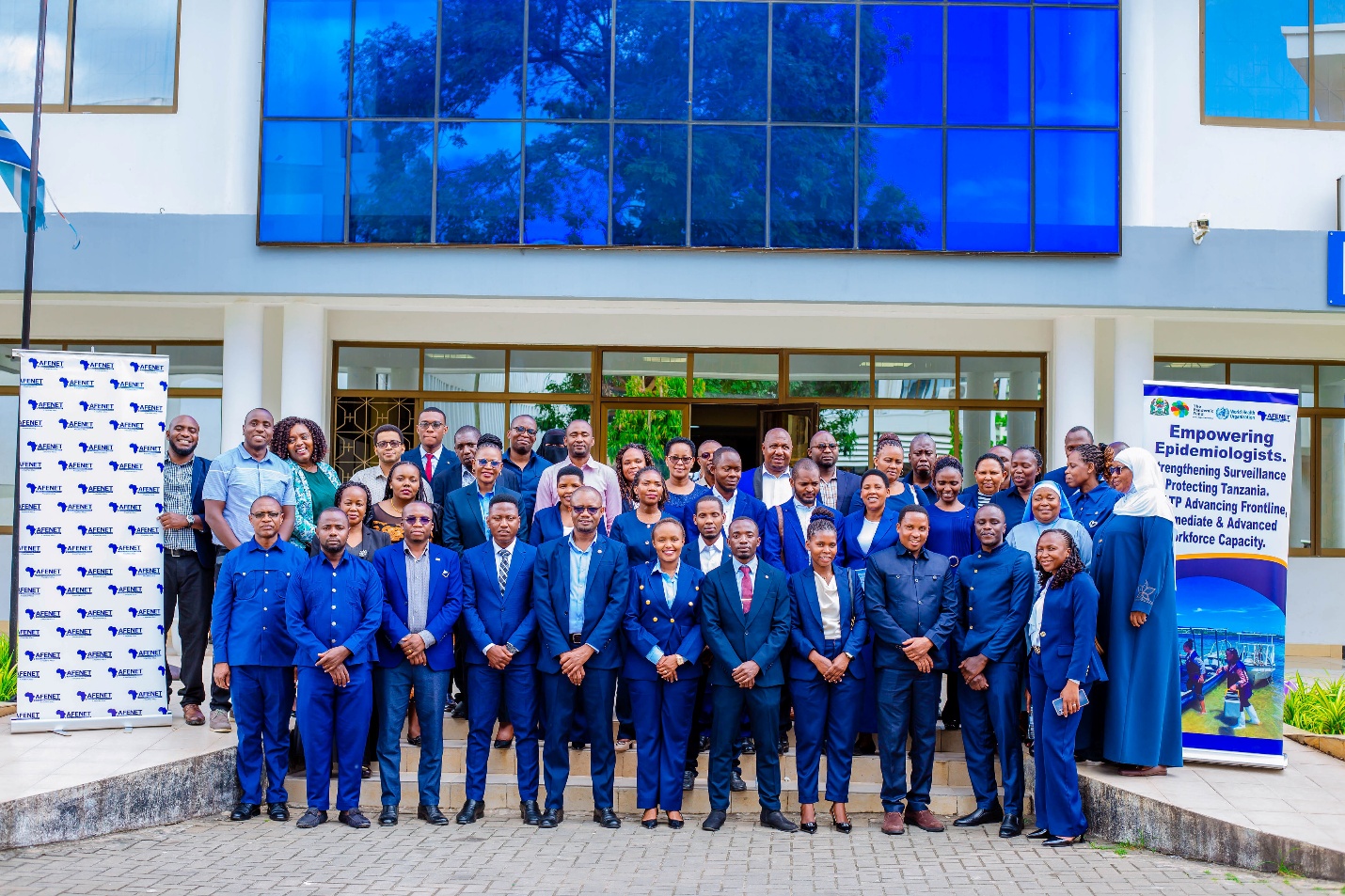
The 25th cohort of Tanzania’s Frontline Field Epidemiology Training Program (FETP) officially graduated on 11 September 2026 at the Muhimbili University of Health and Allied Sciences (MUHAS) in Dar es Salaam, adding 40 trained field epidemiologists to the country’s frontline public health workforce.
Supported through the Pandemic Fund Project, the cohort included participants from Arusha, Manyara, and Singida regions: 14 from Arusha, 12 from Manyara, and 14 from Singida. The group also achieved equal gender representation, with 20 women and 20 men completing the program.
The graduates will contribute to strengthening disease surveillance, early detection of public health threats, outbreak investigation, and timely response at regional and district levels.
The graduation ceremony brought together senior representatives from government, academia, and partner institutions supporting field epidemiology training in Tanzania. Among the guests were Dr Samwel Lazaro, Director of Preventive Services at the Ministry of Health, who served as Guest of Honour, and Dr Mucho Mizinduko, Head of the Department of Epidemiology and Biostatistics at Muhimbili University of Health and Allied Sciences (MUHAS).
Other guests included Dr Nemes Iriya from the World Health Organization (WHO), Dr Wangeci Gatei from the U.S. Centers for Disease Control and Prevention (CDC), Division of Global Health Protection (DGHP) Tanzania, representatives of the Regional Medical Officers from Arusha, Manyara, and Singida, as well as representatives from AFENET and other partners supporting the Tanzania Field Epidemiology and Laboratory Training Program (TFELTP).
Building Practical Skills for Public Health Action
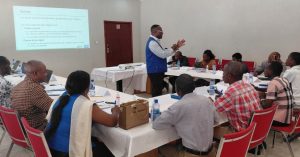
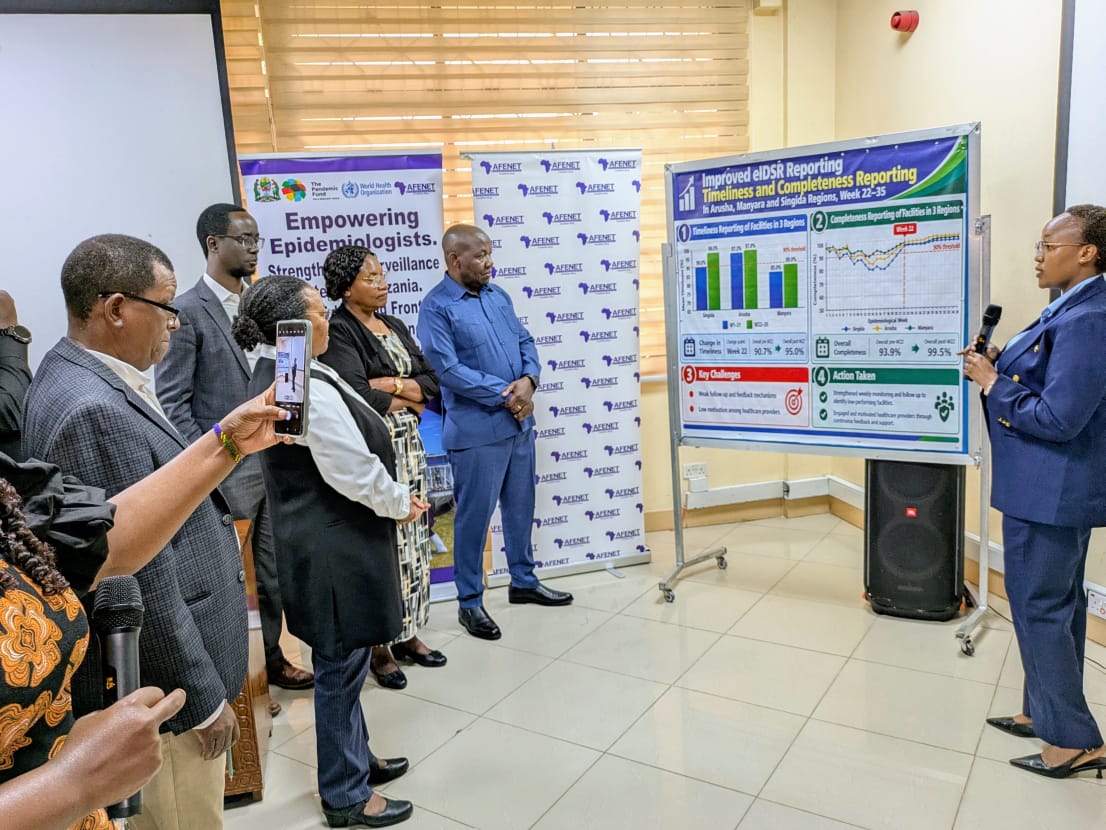
During the three-month training, participants strengthened practical competencies in surveillance data monitoring and analysis, data quality audits, problem analysis, outbreak investigation and response, geographic information systems (GIS) mapping, scientific communication, and electronic data collection.
These skills were applied through field-based projects in the trainees’ respective regions, allowing participants to address real public health priorities while contributing to stronger surveillance and response systems.
With the graduation of the 40 trainees, TFELTP has now graduated 891 Frontline FETP trainees, expanding Tanzania’s pool of trained professionals equipped to detect, investigate, report, and respond rapidly to public health threats.
Advancing Pandemic Preparedness
The graduation of the 25th cohort also marks an important milestone in implementation of the Pandemic Fund Project, with three Frontline FETP cohorts now supported through the initiative.
Continued investment in frontline epidemiology is helping Tanzania strengthen the workforce required to prevent, detect, and respond effectively to epidemics, pandemics, and other public health emergencies.
The Frontline FETP is implemented through a partnership involving Tanzania’s Ministry of Health, Muhimbili University of Health and Allied Sciences, the African Field Epidemiology Network (AFENET), the World Health Organization, the U.S. Centers for Disease Control and Prevention, regional and local government authorities, and other partners.
Through these partnerships, Tanzania continues to build a skilled and resilient public health workforce capable of translating surveillance data into timely action and strengthening health security across the country.