Kenya Strengthens Intermediate FETP Training through Integration of the ECHO Model June–July 2026 | Nairobi, Kenya
-
by
AFENET
Advancing Continuous Mentorship and Applied Learning for Field Epidemiologists
The Kenya Field Epidemiology and Laboratory Training Program (Kenya FELTP), in collaboration with the African Field Epidemiology Network (AFENET) and Project ECHO, is strengthening epidemiology capacity building through the integration of the Extension for Community Healthcare Outcomes (ECHO) model into Intermediate FETP training.
Originally developed at the University of New Mexico, Project ECHO is a virtual learning and mentorship model that connects subject matter experts, known as hubs, with frontline professionals, or spokes, through regular case-based learning sessions. The model enables participants to share experiences, receive expert guidance and collaboratively solve real-world challenges.
Its integration into Kenya FELTP is part of ongoing efforts to modernize field epidemiology training and provide public health professionals with sustained access to mentorship, peer learning and technical expertise beyond traditional classroom and field-based training.
A Six-Month Pilot to Strengthen Intermediate FETP
A six-month pilot phase, running from July to December 2026, is being implemented for Intermediate FETP Cohorts 12 and 13.
The initiative complements the nine-month Intermediate FETP by introducing structured ECHO-supported mentorship and continuous professional engagement. Through regular virtual sessions, trainees will have opportunities to strengthen their competencies through case-based discussions, expert mentorship and peer-to-peer learning.
Ahead of implementation, a baseline assessment was conducted in May 2026 among the two cohorts. The assessment explored participants’ preferred session schedules, internet access and confidence across four key learning areas:
- Public health surveillance
- Field investigation
- Epidemiological studies
- Communication
The findings helped inform the design and delivery of the ECHO-supported training.
From Platform Onboarding to Official Launch
On 25 June 2026, three members of the ECHO hub team were onboarded onto the iECHO platform, supporting the coordination and delivery of the virtual sessions. Dedicated sessions for the FELTP ECHO programme were subsequently established, with invitations shared with targeted participants.
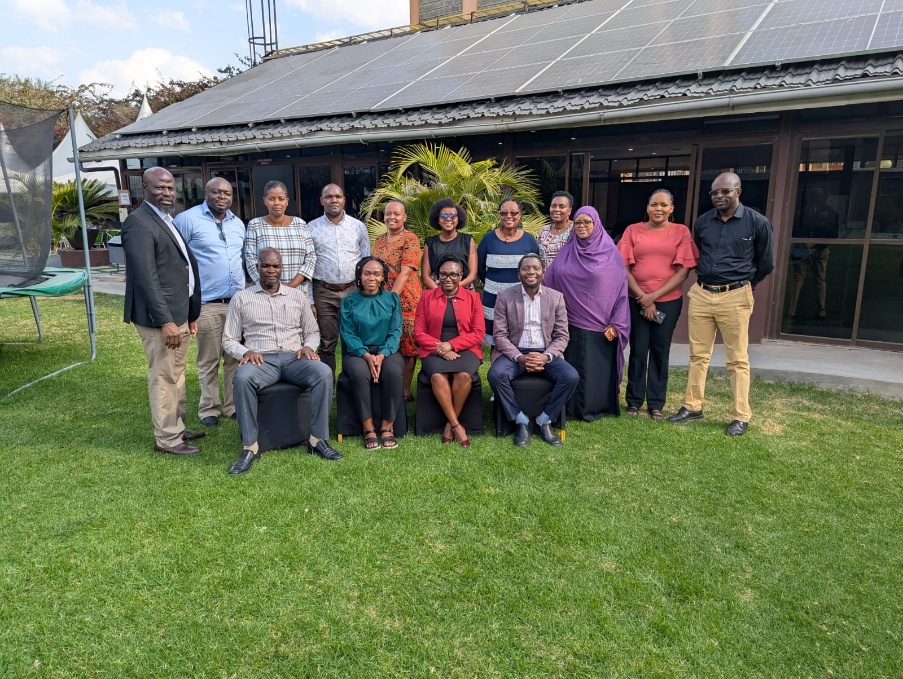
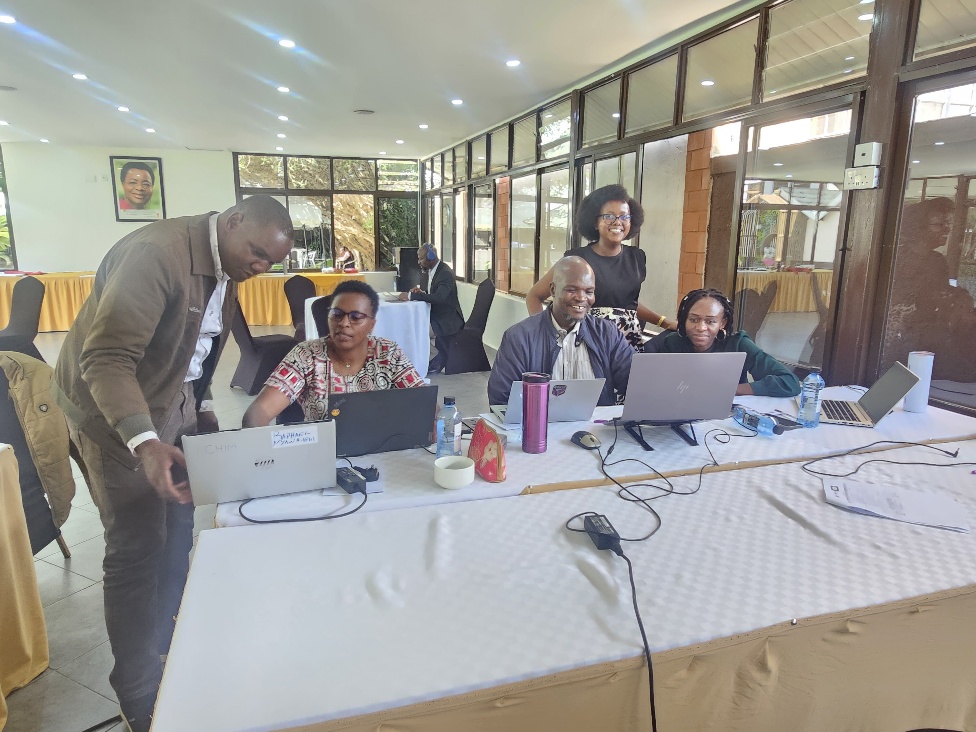
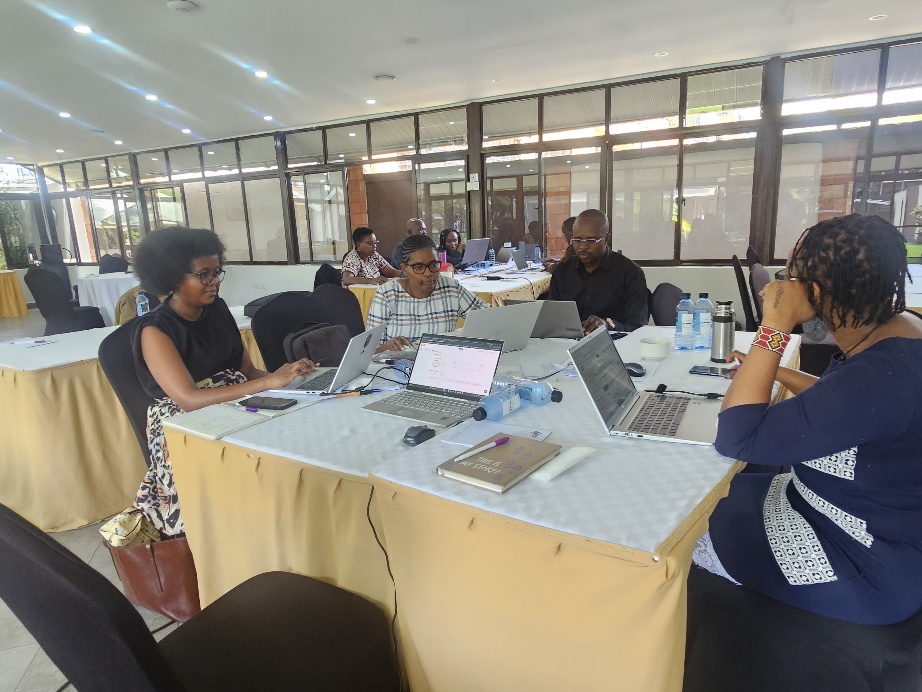
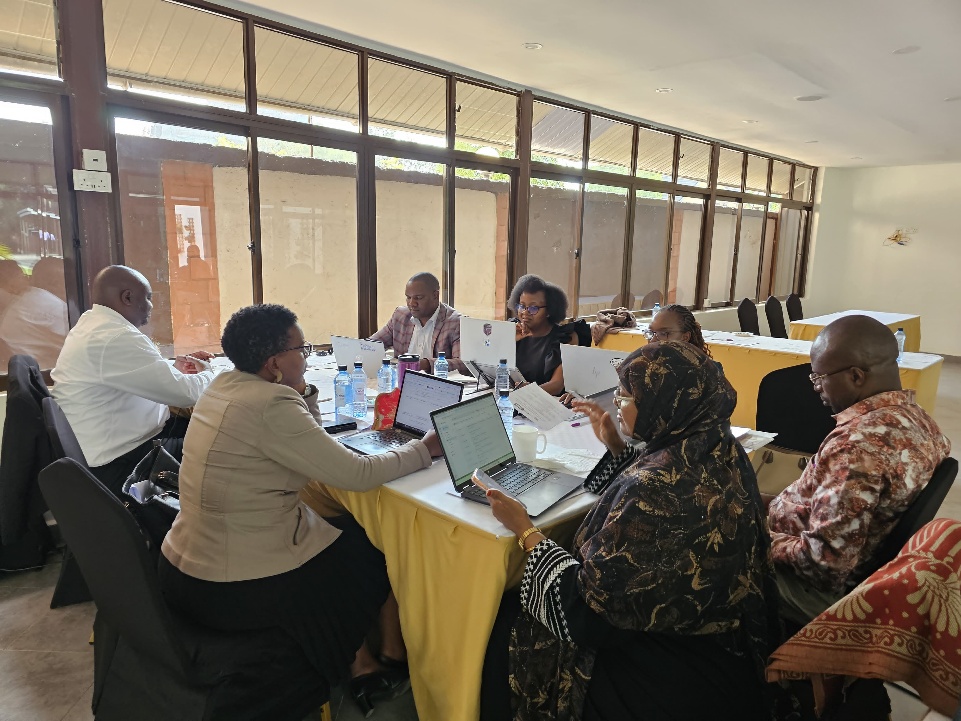
A key milestone was reached on 15–16 July 2026, when stakeholders convened in Machakos County to review and validate the draft Kenya FELTP ECHO Intermediate curriculum and update the session presentation tools.
The meeting brought together representatives from Kenya FELTP, the Kenya National Public Health Institute (KNPHI), Project ECHO and AFENET, alongside Intermediate FETP mentors and facilitators.
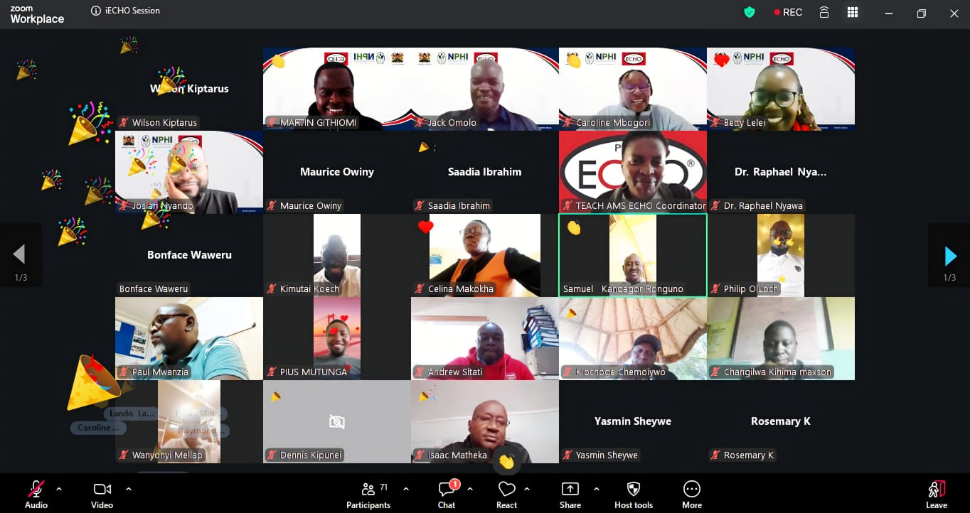
The platform was officially launched on 17 July 2026, with participants from Intermediate FETP Cohorts 10, 11, 12 and 13 joining the launch.
The first knowledge-sharing session, focused on data visualization skills, was held on 26 July 2026. Additional one-hour ECHO sessions are scheduled to take place biweekly, providing a continuous learning platform for trainees and other participating public health professionals.
Strong Participation Across a Multidisciplinary Workforce
The ECHO programme has enrolled 164 active participants. Of these, 67 participants (40.9%) attended the programme launch, while 126 participants (76.8%) participated in the first Data Visualization session. A total of 60 participants (36.6%) attended both sessions.
The programme is bringing together a diverse multidisciplinary public health workforce. Participants include:
- Public health officials – 6%
- Health personnel – 2%
- Epidemiologists – 5%
- Clinical officers – 9%
- Environmental health professionals – 7%
- Veterinarians – 7%
This multidisciplinary participation creates opportunities for professionals from different areas of public health to learn from one another and apply different perspectives to complex health challenges.
Embedding Mentorship into FETP Training
The ECHO sessions will be integrated into the ongoing Intermediate FELTP training schedule, creating a structured mechanism for continued mentorship and applied learning throughout the programme.
Plans are also underway to establish a dedicated FELTP ECHO video conferencing facility, which will further support virtual engagement and strengthen the infrastructure for ongoing learning.
By complementing classroom instruction, field placements and other components of FETP with regular virtual mentorship, the ECHO model provides trainees with an additional avenue to discuss real-world challenges and receive timely technical input.
Strengthening Kenya’s Public Health Workforce
The integration of the ECHO model is expected to strengthen the quality and sustainability of epidemiology capacity building in Kenya.
Through regular case-based sessions, trainees can engage directly with subject matter experts and peers, strengthening their ability to analyze public health challenges, interpret data, make evidence-informed decisions and apply epidemiological methods in practice.
The model also promotes peer-to-peer collaboration and communities of practice, helping professionals remain connected to colleagues and technical experts beyond formal training sessions.
As Kenya continues to strengthen its public health systems and workforce, the integration of ECHO into FETP provides an opportunity to make learning more continuous, collaborative and responsive to emerging public health needs.
The initiative ultimately aims to contribute to stronger surveillance, outbreak investigation and response capacity, while supporting the development of a more connected, skilled and resilient public health workforce.
Partners
The initiative is being implemented in collaboration with:
- Kenya National Public Health Institute (KNPHI)
- Kenya Field Epidemiology and Laboratory Training Program (Kenya FELTP)
- African Field Epidemiology Network (AFENET)
- Project ECHO