Regional Workshop Strengthens Data Monitoring for Measles Immunization Campaigns
-
by
AFENET
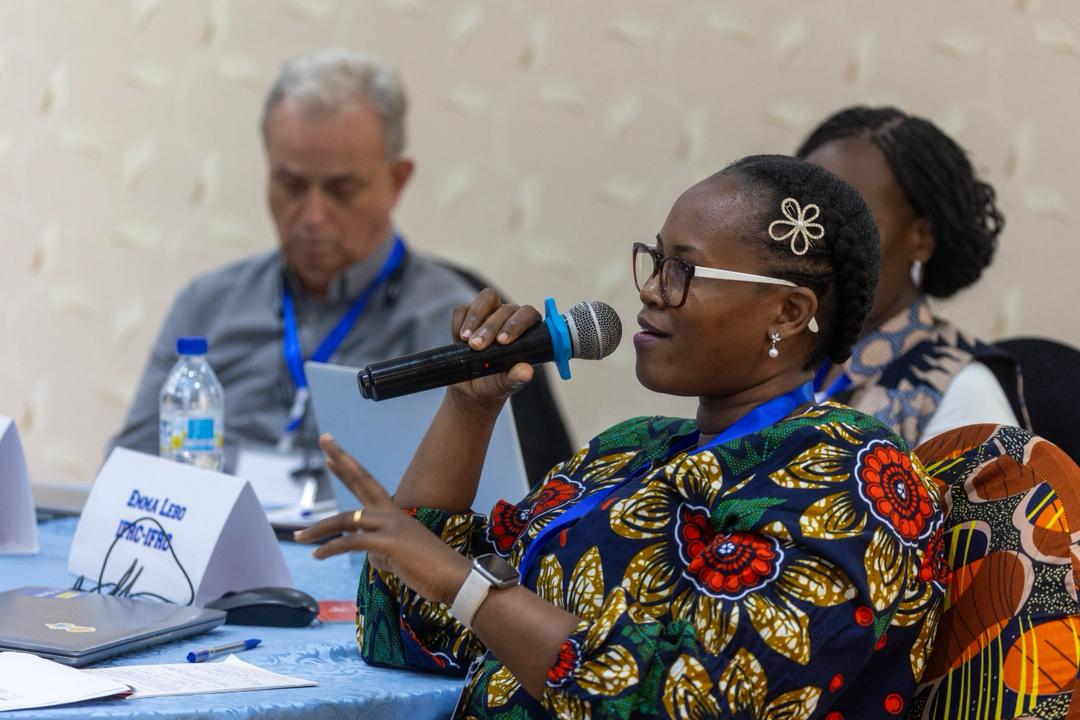
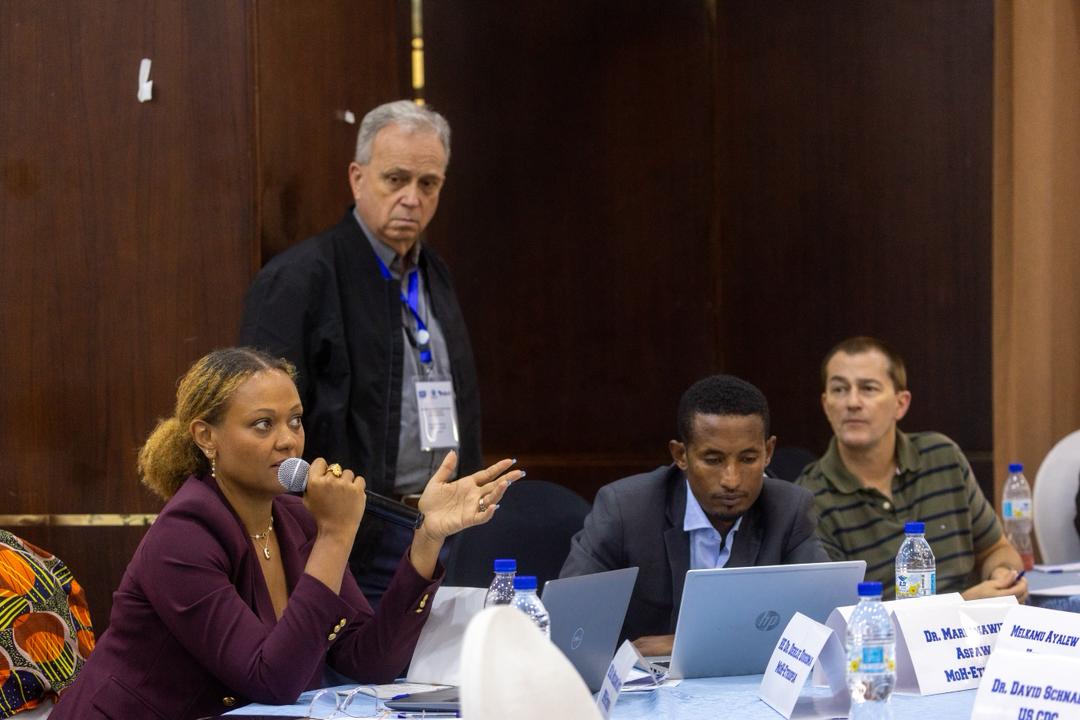
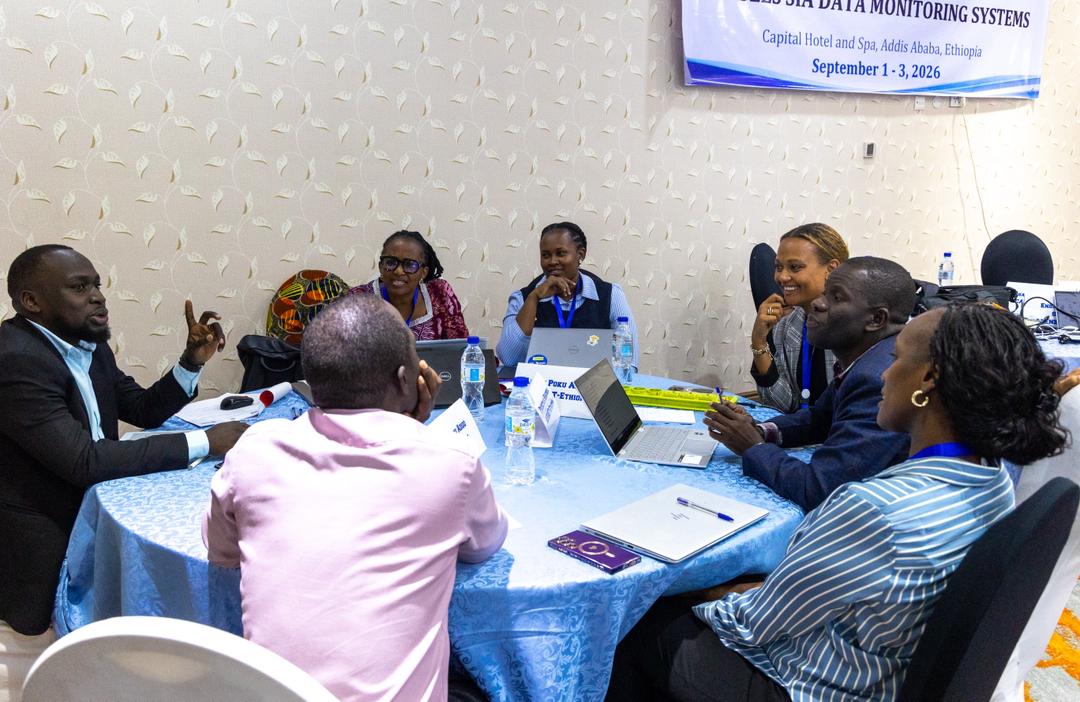
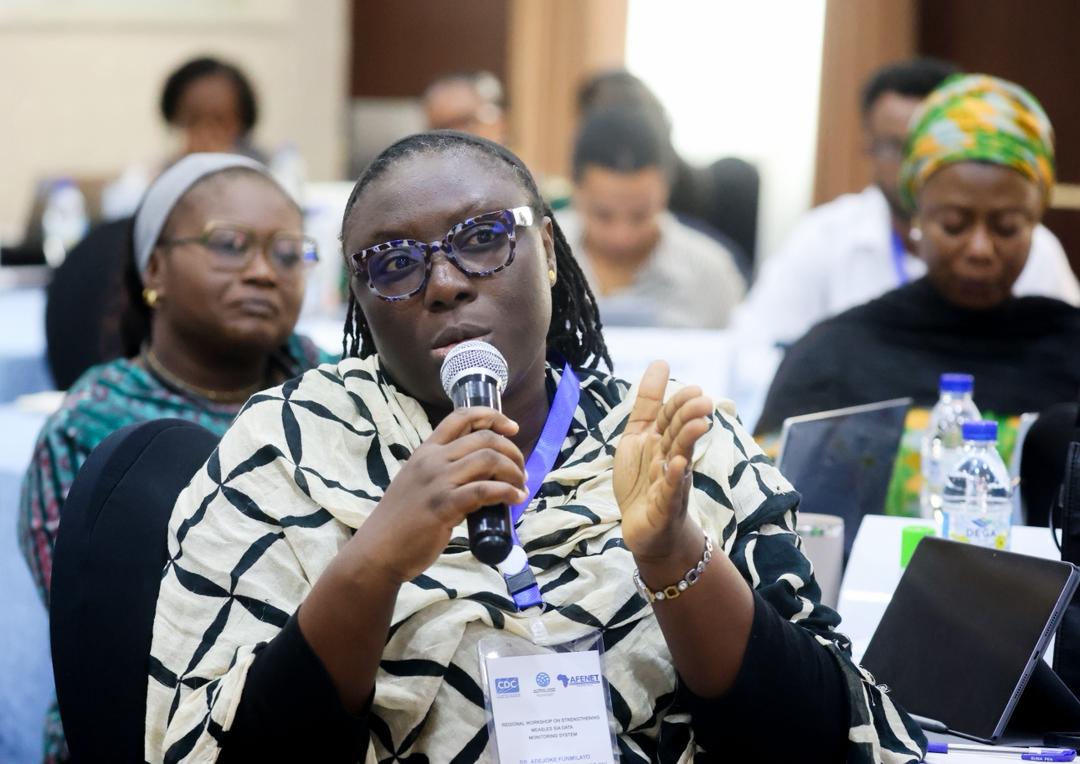
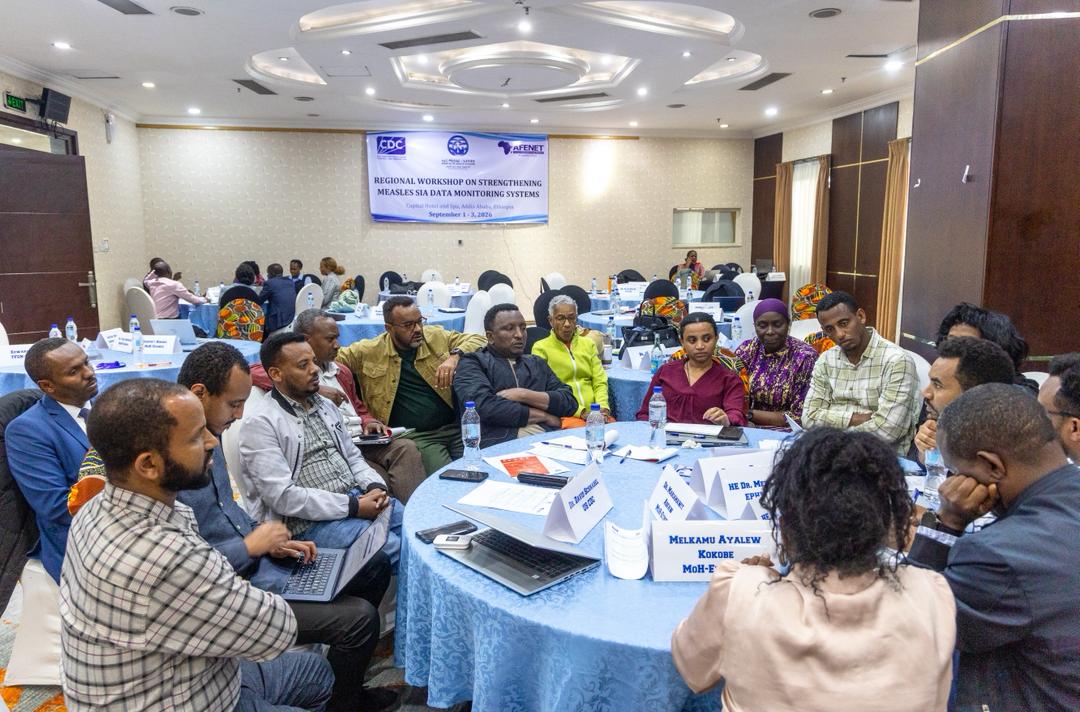
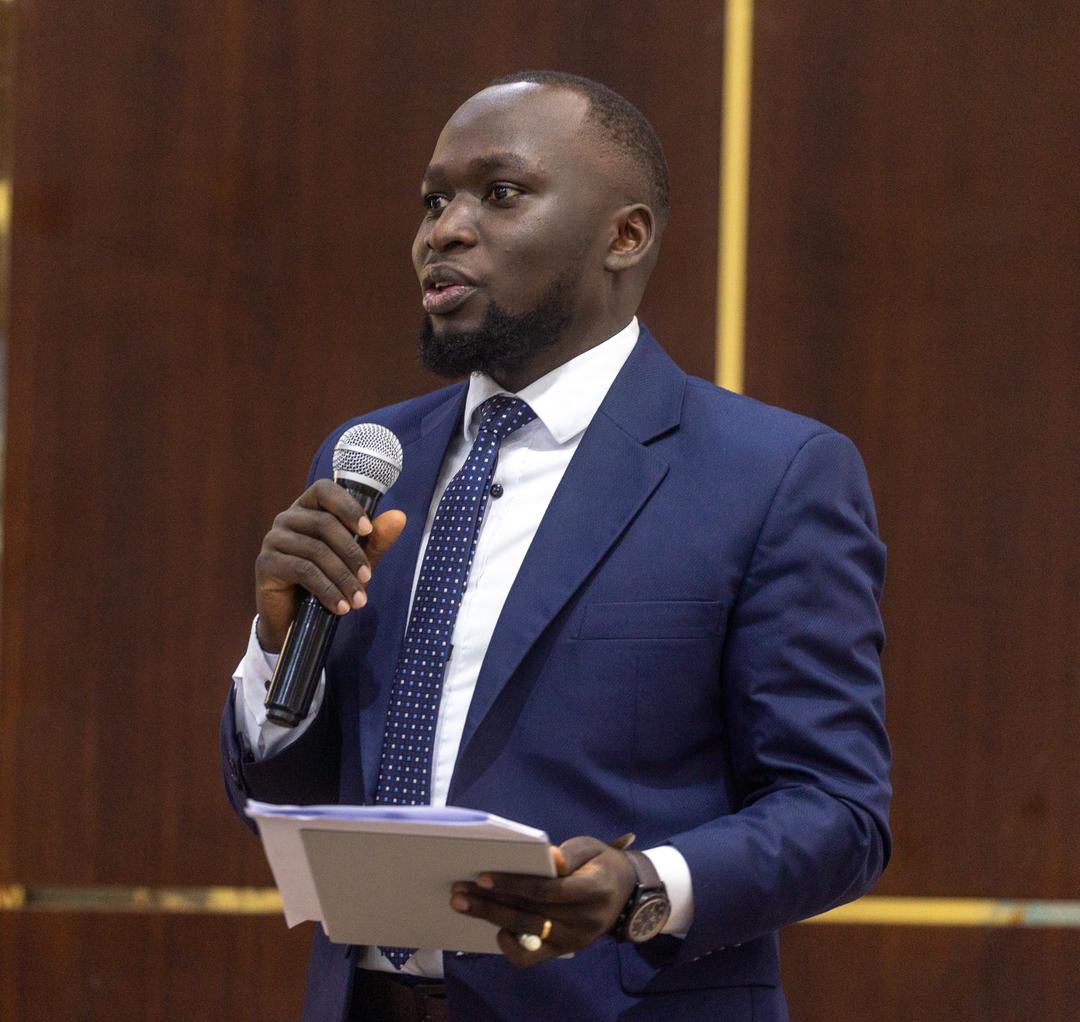
Public health experts and immunization teams from Ethiopia, Nigeria and Uganda have gathered in Addis Ababa for a regional workshop focused on strengthening the use of data to plan, monitor and improve measles Supplementary Immunization Activities (SIAs).
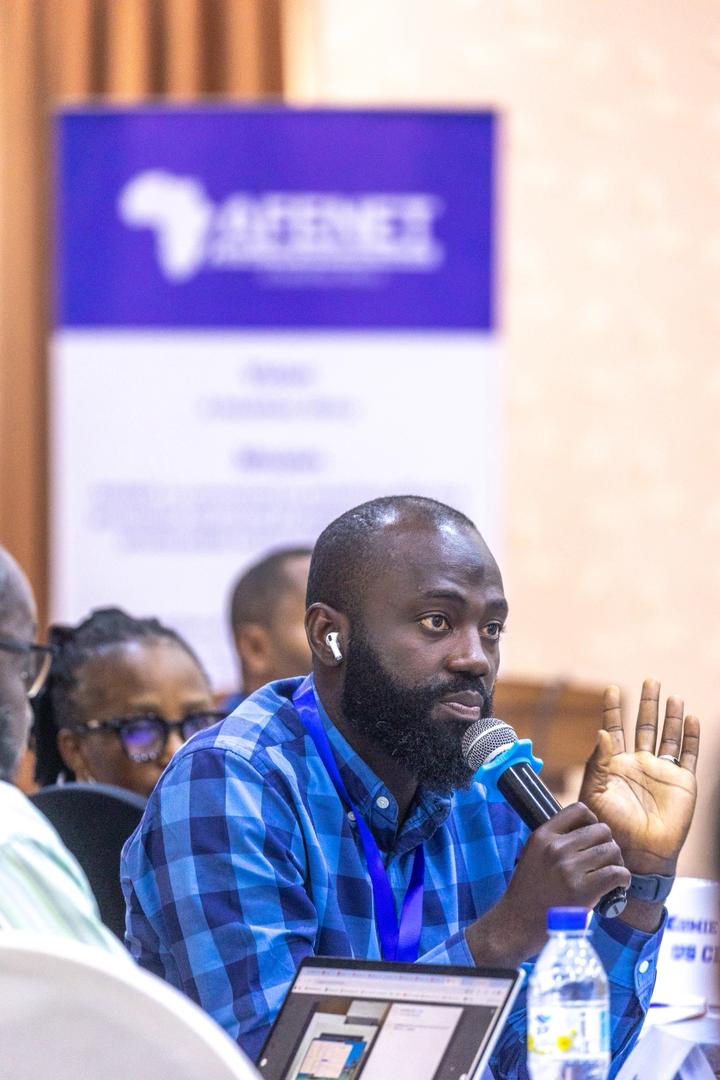
The SIA Data Monitoring Regional Workshop, taking place from 1–3 September 2026, is organized by the U.S. Centers for Disease Control and Prevention (U.S. CDC) in collaboration with the African Field Epidemiology Network (AFENET) and Ethiopia’s Federal Ministry of Health (FMOH).
The workshop provides a platform for participating countries, partners and technical experts to exchange experiences and examine practical approaches for improving data monitoring throughout the immunization campaign lifecycle—from planning and implementation to monitoring and post-campaign assessment.
Strengthening Data for Better Campaigns
Effective immunization campaigns depend on knowing where eligible populations are, identifying communities that may be missed and having timely information to guide decisions during implementation.
Over the three days, participants are examining critical areas of SIA data monitoring, including microplanning, target population estimates, data quality, digital platforms, real-time monitoring, Geographic Information Systems (GIS) and geospatial tools.
Particular attention is also being given to the use of data to identify hard-to-reach and zero-dose populations, helping immunization programmes better understand where gaps exist and direct interventions to communities that may otherwise be missed.
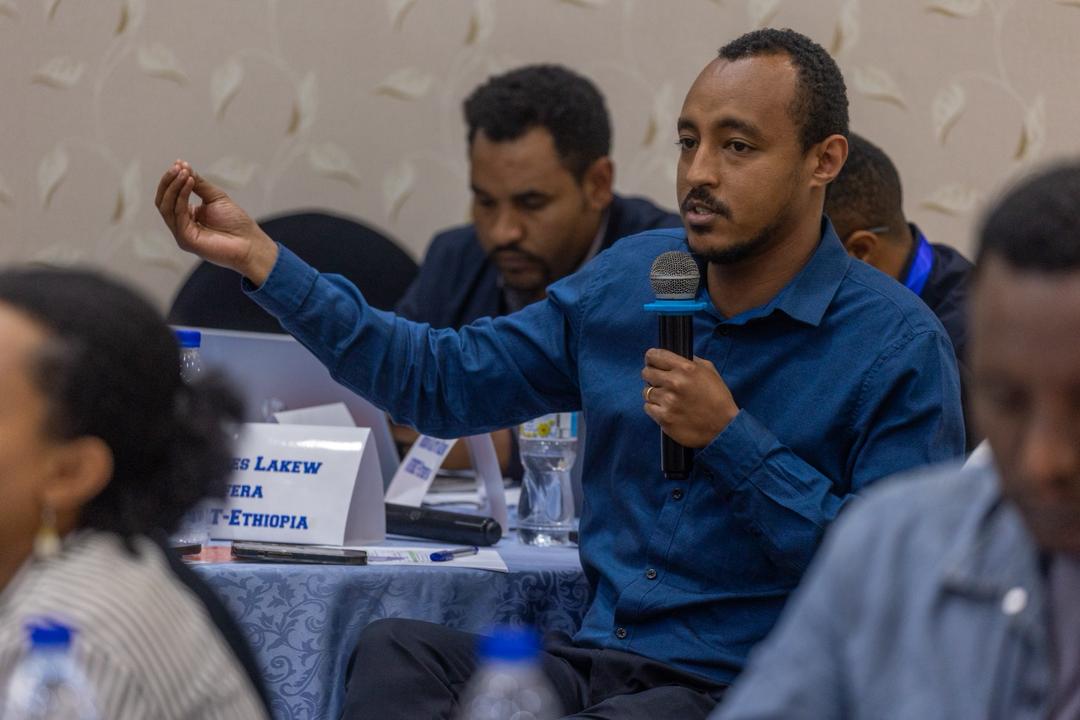
Experiences from Ethiopia, Nigeria and Uganda are providing opportunities for participants to compare approaches, discuss common challenges and identify practices that can be adapted to different country contexts.
Turning Data into Action
Beyond collecting information, the workshop emphasizes the importance of ensuring that data are available at the right time and used to inform decisions.
Participants are exploring how monitoring systems can provide programme teams with actionable information before and during campaigns, enabling them to identify implementation gaps, adjust strategies and prioritize areas requiring additional attention.
The discussions also recognize the importance of developing monitoring systems that are sustainable and government-owned, while making effective use of appropriate digital and geospatial technologies.
Through the workshop, the U.S. CDC, AFENET, FMOH and participating countries are strengthening collaboration and shared learning around one of the most important components of successful immunization programmes: the ability to transform quality data into timely action.
The lessons and experiences shared in Addis Ababa are expected to contribute to stronger monitoring approaches for future measles SIAs and, ultimately, more effective campaigns that reach eligible children, including those in underserved and hard-to-reach communities.